- Clear furniture and debris, and blow or sweep the surface.
- Pull weeds from the joints.
- Pre-treat stains, moss or algae with a cleaner made for pavers.
- Scrub with a stiff brush.
- Rinse thoroughly with a strong hose spray.
- Refill joint sand if it washed out.
- Consider sealing once they're dry.
Pavers make a beautiful patio, walkway or driveway, until a few seasons of rain, leaves, mildew and barbecue drips turn them dull, green and stained. Weeds sprout in the joints, and the whole area looks older than it is. The good news is that pavers clean up remarkably well with the right method, and you don't need to rent heavy equipment to do it.
This guide walks through a complete paver cleaning step by step, how to handle common stains, when (and when not) to use a pressure washer, and how to keep pavers looking good longer.
Why do patio pavers get so dirty?
- Organic growth: moss, algae and mildew thrive on shady, damp pavers.
- Dirt and pollen settle into the surface texture and darken it over time.
- Leaves and debris leave tannin stains as they break down.
- Grease and food from grills and outdoor dining.
- Rust from metal furniture and planters.
- Efflorescence: a white, powdery residue from salts rising out of concrete pavers.
- Weeds growing in the joint sand, especially where it has washed out.
What do you need to clean pavers?
- A leaf blower or stiff broom.
- A weeding tool or knife for the joints.
- A paver or patio cleaner suitable for your paver type (concrete, brick or stone).
- A stiff-bristle push broom or deck brush (not wire, which can scratch).
- A garden hose with a high-pressure nozzle.
- Polymeric or joint sand to refill gaps.
- Optional: paver sealer.
- Gloves, eye protection and old shoes.
How do you clean patio pavers step by step?
- Clear the area. Move furniture, planters, rugs and grills off the pavers.
- Blow or sweep away leaves and loose dirt.
- Remove weeds from joints with a weeding tool, getting roots where possible.
- Wet the pavers and nearby plants (to protect them from cleaner).
- Apply cleaner according to the label and let it sit for the recommended time, without letting it dry.
- Scrub in sections with a stiff brush, working the cleaner into the texture.
- Rinse thoroughly with a strong hose spray, working from the house outward so dirty water runs away.
- Let dry for a day or two, depending on sun and temperature.
- Refill joint sand where it's low, sweep it in and mist lightly if using polymeric sand, per the instructions.
- Seal if desired, following the sealer's instructions.
Should you use a pressure washer on pavers?
Pressure washers can clean pavers fast, but they come with risks. High pressure can blast out joint sand, which loosens pavers and invites weeds. Too close a spray can etch or scar concrete pavers and soft stone, leaving visible lines. And pressure washers are bulky, need setup and storage, and carry their own safety hazards; the CPSC has recalled electric pressure washers over shock and electrocution hazards.
If you use one, keep a wide fan tip, stay at a distance, keep the wand moving and plan to re-sand the joints. For regular cleaning, many homeowners find a strong hose nozzle is enough, and much easier. See our comparison: hose nozzle vs pressure washer.
Can a high-pressure hose nozzle do the job?
For routine cleaning, removing dirt, pollen, algae film, mud and loosened grime after scrubbing, yes. A high-pressure nozzle doesn't add pressure; it concentrates the water pressure your home already has, typically around 40 to 60 psi, into a narrower, stronger stream. That's enough to rinse pavers clean after a scrub and to blast debris out of textured surfaces, without the risk of gouging that comes with a gas pressure washer.
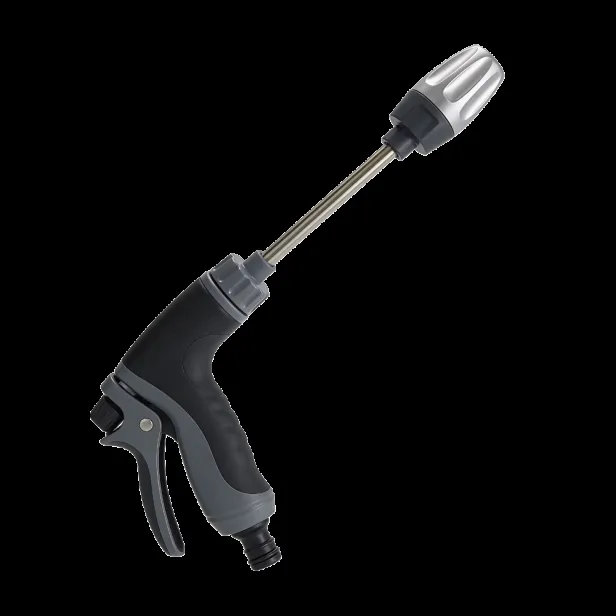
Jetterix is our pick. It attaches to any standard garden hose and offers multiple spray patterns, from a focused jet for stubborn spots to wider fans for rinsing large areas. There's no motor, cord or gas, so it's ready in seconds and stores in a drawer. It won't match a gas pressure washer on deep, ground-in stains, but for regular paver care, it's fast, gentle and convenient. Read our Jetterix review, where we rate it 4.4/5.
Clean pavers without hauling out a pressure washer
Jetterix high-pressure hose nozzle: fits any standard garden hose, multiple spray patterns, no motor or gas. $59.99, or from $44.95 each in bundles.
Check today's price →$59.99, or from $44.95 each in bundles
How do you remove common paver stains?
| Stain | What to try |
|---|---|
| Moss, algae, mildew | Paver cleaner made for organic growth, scrub, rinse; improve drainage and sunlight |
| Oil and grease | Absorb fresh spills with cat litter or baking soda; then a degreaser made for concrete |
| Leaf and tannin stains | Paver cleaner and scrubbing; many fade with sunlight |
| Rust | Rust remover labeled for concrete or pavers; test first |
| Efflorescence (white haze) | Dry brush first; efflorescence cleaner if it persists; often fades over time |
Always test cleaners on a hidden paver, follow the label, and keep acids away from natural stone that can etch. Never mix cleaning products.
Do different paver types need different care?
- Concrete pavers: the most common; durable, but can be etched by strong acids and high pressure.
- Clay brick pavers: hard-wearing; watch for moss in shady areas.
- Natural stone (travertine, slate, bluestone): avoid acidic cleaners on limestone and marble-type stones; use cleaners labeled for stone.
- Porcelain pavers: very stain-resistant; usually just need soap, water and rinsing.
How much water does cleaning pavers use?
Outdoor cleaning can use a lot of water. The EPA's WaterSense program notes that outdoor water use accounts for about 30% of household water use in the US. Sweeping or blowing first, scrubbing before rinsing and using a nozzle that shuts off between bursts all help you use less water.
Why is joint sand so important?
The sand between pavers locks them together, keeps them level and blocks weeds and ants. Aggressive spraying washes it out, which is one reason to avoid blasting joints with high pressure. After cleaning, check the joints. If the sand is more than about a quarter inch below the paver surface, sweep in new sand. Polymeric sand hardens after misting and resists washout and weeds better than plain sand.
Should you seal pavers?
Sealing is optional but helps. A sealer can enhance color, resist stains and oil, reduce moss growth and help keep joint sand in place. Seal only clean, completely dry pavers, follow the product's instructions and reapply every few years as recommended. Test a small area first, since some sealers darken pavers or add shine.
What paver cleaning mistakes should you avoid?
The most common mistake is going too aggressive too fast: holding a pressure washer tip a few inches from the surface, which can leave "zebra stripes" etched into concrete pavers and strip the joints bare. Start gentle and step up only if needed. The second is using the wrong cleaner on the wrong surface, such as an acidic product on limestone or travertine, which can dull or pit the stone. Read the label and test on a spare or hidden paver first.
Other mistakes include letting cleaner dry on the surface in hot sun, which can leave residue or blotches; forgetting to wet nearby plants before using a cleaner; sealing pavers that are still damp underneath, which can trap moisture and leave a cloudy finish; and skipping the joint sand after cleaning, which lets weeds and ants move right back in. Finally, don't use wire brushes on soft pavers or stone; a stiff nylon brush does the job without scratching.
How do you keep pavers clean longer?
- Blow or sweep weekly, especially in fall. A light blower makes this a two-minute job; see our Wood Ranger review.
- Rinse monthly during pollen and leaf season, more often under trees.
- Wipe spills quickly, especially grease near the grill.
- Use a grill mat under the barbecue.
- Trim overhanging plants to let sunlight in and reduce moss.
- Keep joints filled to block weeds.
- Lift metal furniture feet off pavers to prevent rust marks.
When is the best time to clean pavers?
Spring and early fall are ideal: mild temperatures help cleaners work and pavers dry, and it's the right time to re-sand and seal before heavy-use or freezing seasons. Avoid cleaning in direct, hot sun, which dries cleaners before they work, and avoid sealing before rain or freezing nights. A quick rinse after the pollen season and a deeper clean before winter keep pavers in good shape year-round. Our fall yard cleanup checklist includes patios and walkways.
What does a typical cleaning weekend look like?
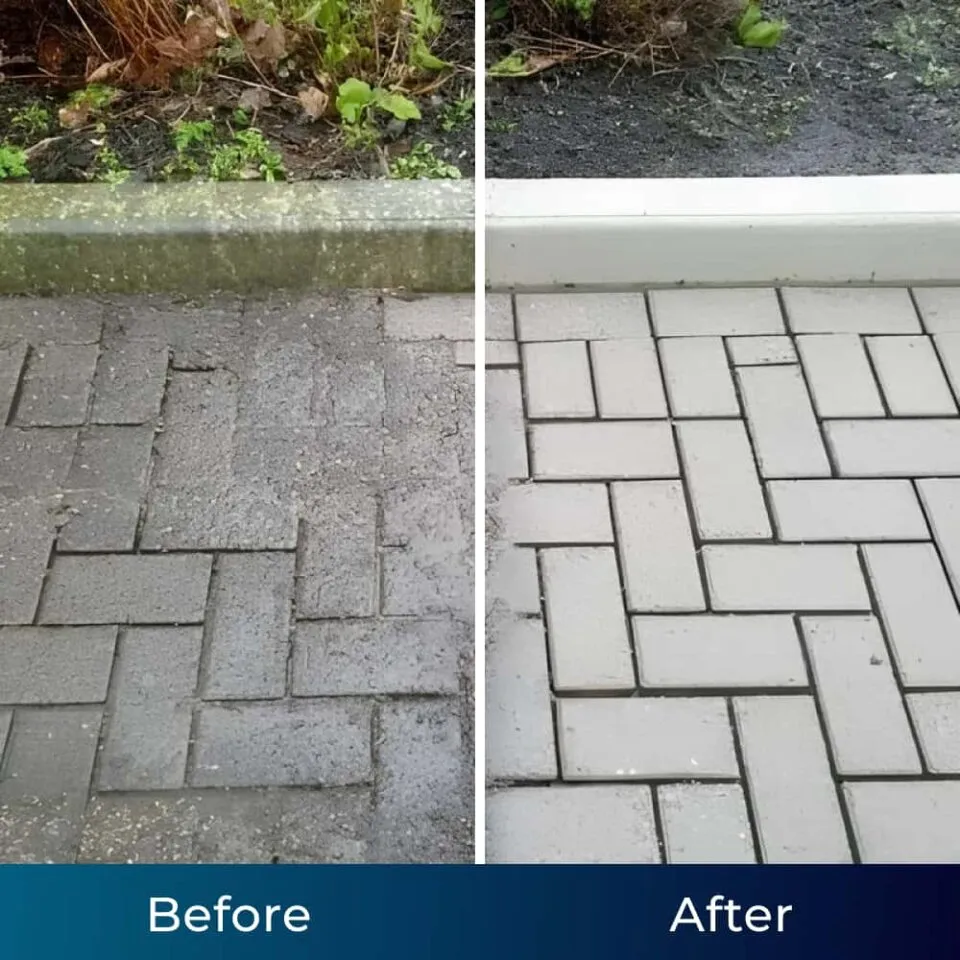
For a 12 by 16 foot patio, plan on an afternoon for the cleaning itself and a second short session for sand and sealing. Clearing and blowing take about 15 minutes. Weeding the joints can take longer than you expect, so put on a podcast. Applying cleaner and scrubbing in sections might take an hour, and rinsing with a strong nozzle another 20 to 30 minutes. Then let everything dry overnight before re-sanding. Most homeowners are surprised by the difference: pavers that looked gray and tired regain their color, and the joints look crisp again. After that first deep clean, regular blowing and a monthly rinse keep it looking that way.
The bottom line
Cleaning pavers comes down to clearing, weeding, pre-treating, scrubbing and rinsing well, then refilling joint sand and optionally sealing. A pressure washer isn't always necessary and can do damage if misused. For regular cleaning, a strong hose nozzle rinses grime from paver texture quickly and gently.
Our pick is Jetterix. Check today's Jetterix price, and see how to clean a driveway without a pressure washer.
Sources
- U.S. EPA WaterSense. How We Use Water.
- U.S. Consumer Product Safety Commission. LANCHEZ Pressure Washers Recall.
- Official Jetterix product page, checked October 2026.
Frequently asked questions
What is the best way to clean patio pavers?
Clear and blow the surface, pull weeds from joints, apply a paver cleaner, scrub with a stiff brush, rinse thoroughly with a strong hose spray, then refill joint sand.
Can you clean pavers without a pressure washer?
Yes. Scrubbing with a paver cleaner and rinsing with a high-pressure hose nozzle handles routine dirt, pollen and algae with less risk of damage.
Does pressure washing damage pavers?
It can blast out joint sand and etch concrete or soft stone if used too close or at too high a pressure. Use a wide tip, keep moving and re-sand joints.
How do you get moss off pavers?
Use a cleaner made for moss and algae, scrub, rinse, and improve sunlight and drainage to slow regrowth.
Should I seal my pavers after cleaning?
Sealing is optional but helps resist stains and moss and keeps joint sand in place. Seal only clean, completely dry pavers.
How much pressure does Jetterix give?
It concentrates your home's water pressure, typically around 40 to 60 psi, into a stronger stream. It doesn't match a gas pressure washer but is gentler and quicker to use.

Tim Humbert
Tim looks into the viral gadgets that show up in your feed, from mini leaf blowers to chain sharpeners and car care cloths. He reads the product pages, checkout and return policies, and buyer feedback so you know what a gadget really does before you spend money on it. His reviews are built on manufacturer information, official checkout and return policies, trusted safety sources and buyer feedback, and are updated when offers change. More about Tim.