- Insulate exposed pipes with foam pipe sleeves, especially near exterior walls and the garage door.
- Seal drafts: weatherstrip the garage door, seal gaps and keep the door closed.
- Use heat tape or heat cable rated for pipes on the coldest runs, installed per the instructions.
- Add safe supplemental heat in an attached garage on very cold nights.
- Let a faucet drip on the coldest nights so water keeps moving.
- Shut off and drain outdoor spigots and any lines you don't need in winter.
- Know where the main shutoff is in case a pipe bursts.
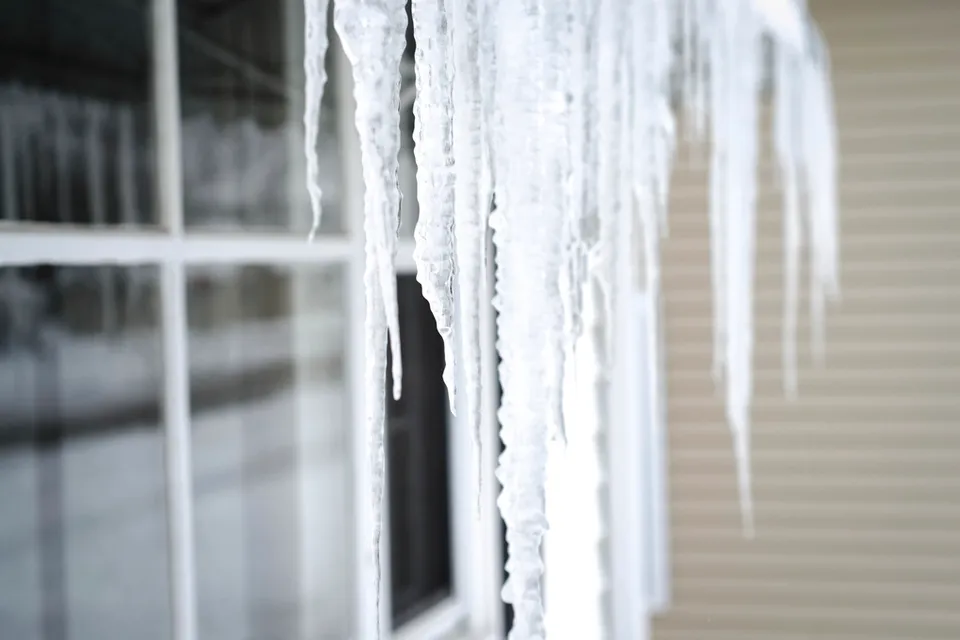
Garages are one of the most common places for pipes to freeze. Many have water lines for a laundry room, utility sink, water heater or outdoor spigot running along exterior walls, and garages are usually unheated and drafty. When the temperature drops into the low 20s or below, the water in those pipes can freeze, expand and crack the pipe. The real damage often comes later, when the ice thaws and water pours out. The good news is that a few inexpensive steps before the first hard freeze prevent most problems. This guide explains why garage pipes freeze, how to insulate and seal, heat tape and safe heating options, what to do on the coldest nights, how to spot and thaw a frozen pipe and what to do if a pipe bursts.
In this guide:
- why garage pipes freeze
- insulating and sealing
- heat tape and heat cable
- safe supplemental heat
- thawing a frozen pipe
- what to do if a pipe bursts
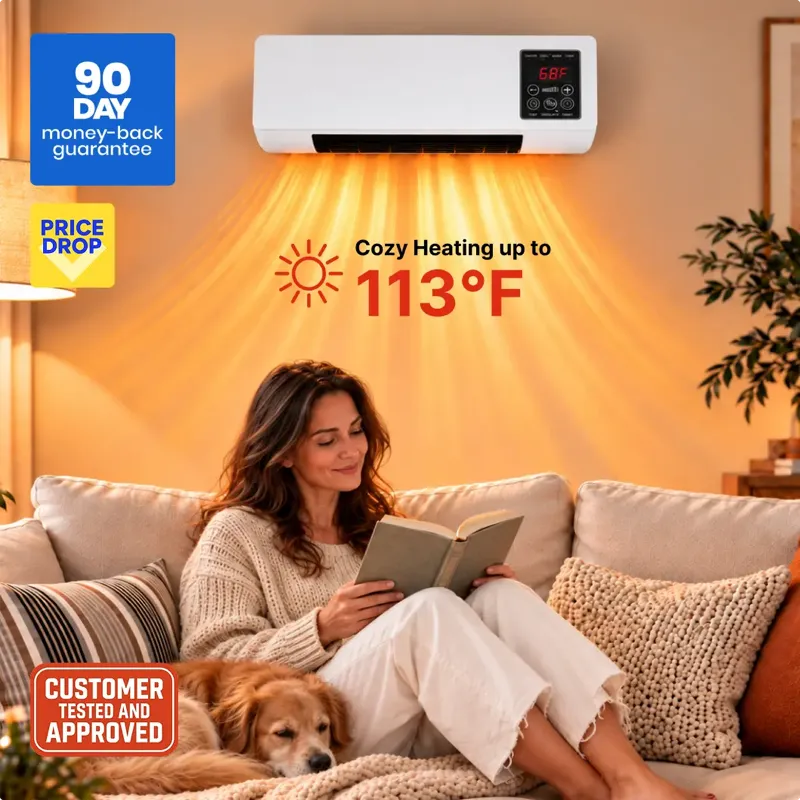
Our pick: the Cozy Cove Pro Wall Heater
Ceramic (PTC) heater with a remote and touch panel. Mounts on the wall or sits on a surface, with overheat auto shut-off. Ships from a US warehouse.
Check today's price →$99.99, or from $59.99 each in bundles · 90-day guarantee
Why do garage pipes freeze?
- No heat: most garages aren't heated
- Exterior walls: pipes run along cold walls with little insulation
- Drafts under and around the garage door
- The door left open on cold days
- Outdoor spigots fed through the garage wall
- Long cold snaps: several nights below freezing let cold build up
The American Red Cross explains how to prevent and thaw frozen pipes, including keeping garage doors closed when water lines are inside.
How do you insulate garage pipes?
- Find every exposed pipe: water heater lines, laundry supply, utility sink, spigot lines.
- Measure the pipe diameter and buy foam sleeves that fit.
- Slip the sleeves on and seal seams with tape made for the purpose.
- Cover elbows and valves with fitted pieces or wrap.
- Insulate the wall cavity behind pipes where possible.
Insulation slows heat loss but doesn't create heat; on very cold nights, pipes still need help.
How do you seal drafts in the garage?
- replace a worn bottom seal on the garage door
- add weatherstripping along the sides and top of the door
- seal gaps around pipes, vents and outlets with caulk or foam
- weatherstrip the door between the house and garage
- keep the garage door closed as much as possible on cold days
Energy Star has guidance on sealing and insulating that applies to attached garages too.
Our pick: the Cozy Cove Pro Wall Heater
Ceramic (PTC) heater with a remote and touch panel. Mounts on the wall or sits on a surface, with overheat auto shut-off. Ships from a US warehouse.
Check today's price →$99.99, or from $59.99 each in bundles · 90-day guarantee
Should you use heat tape?
Heat tape or self-regulating heat cable wraps along a pipe and warms it on cold days. It's very effective for short, exposed runs that freeze often. Use only products rated for water pipes, follow the installation instructions exactly, plug into a GFCI outlet, never overlap tape unless the maker allows it and check it each fall for damage. If you're not comfortable installing it, ask a plumber or electrician.
Can you heat the garage to protect pipes?
Yes. Keeping an attached garage just above freezing on the coldest nights protects pipes along its walls. Options include:
| Option | Notes |
|---|---|
| Wall-mounted electric heater | Off the floor, away from clutter; use in a dry, clear area |
| Portable electric heater | Keep 3 feet clear; never near gas cans, paint or sawdust |
| Opening the house door slightly | Lets some house heat in; only if safe for pets and kids |
| Fuel-burning heater | Only if made and vented for garages; carbon monoxide risk |
Never use a camp heater, grill or car engine to heat a garage. For more, see how to heat a garage in winter.
What should you do on the coldest nights?
- keep the garage door closed
- let a faucet fed by garage pipes drip slowly, so water keeps moving
- open cabinet doors under any garage sink
- run supplemental heat if you have a safe setup
- check pipes in the morning for frost or bulges
Ready.gov's winter weather guide covers preparing your home before storms.
How do you protect outdoor spigots?
- disconnect garden hoses; see how to winterize a garden hose
- close the indoor shutoff valve for the outdoor spigot
- open the outdoor spigot to drain the line
- add an insulated faucet cover
- consider a frost-free spigot for the future
How do you know a pipe is frozen?
- little or no water from a faucet
- frost on the outside of the pipe
- a bulge or crack in the pipe
- strange smells from drains
How do you thaw a frozen pipe safely?
- open the faucet so melting water can flow
- apply gentle heat from the faucet end back toward the frozen spot: a hair dryer, a heating pad or warm towels
- never use an open flame, torch or propane heater
- keep heating until full water pressure returns
- call a plumber if you can't find or reach the frozen section
What if a pipe bursts?
- shut off the main water valve immediately
- turn off electricity in the area if water is near outlets or appliances
- call a plumber
- move items off the wet floor and start drying
- take photos for insurance
What's a quick garage winter checklist?
- insulate pipes and seal drafts
- drain outdoor spigots and store hoses
- check the water heater area
- clear clutter around heat sources
- store paint and liquids that can freeze indoors
See our winter checklist and how to clean a garage.
Where does the Cozy Cove Pro fit in?
In a small attached garage or workshop, a wall-mounted heater keeps the air above freezing without using floor space or a cord across the floor. The Cozy Cove Pro is a slim ceramic (PTC) heater, 400 to 800 W, with a remote, touch panel and overheat protection with automatic shut-off. Mount it in a dry, clear area away from fuel, paint and sawdust. It's $99.99, or from $59.99 each in bundles, with a 90-day guarantee. Read our Cozy Cove Pro review.
What about a water heater in the garage?
Many homes have the water heater in the garage, with supply and outlet pipes running along cold walls. The tank itself stays warm, but the pipes leading to and from it can freeze. Insulate the first few feet of both pipes, keep the area around the heater clear and never store flammable liquids nearby. If you have a gas water heater, make sure the venting is clear and the area has proper airflow, and have carbon monoxide alarms in the home. A tankless heater on an exterior wall may have its own freeze protection; check the manual and keep it powered in winter.
What if the laundry is in the garage?
Washing machines in garages are especially vulnerable: water sits in the supply hoses, the valves and the machine's own pump. On very cold nights, keep the garage above freezing, or turn off the supply valves and disconnect and drain the hoses. Some manufacturers explain how to winterize a washer; follow the manual. Let the machine warm up before using it after a cold snap. For lint and dryer safety in the same space, see how to clean a dryer vent.
What if you're away during a cold snap?
- keep the house heat on, set no lower than about 55°F
- close the garage door and check that it seals
- ask a neighbor to check the house and garage daily
- consider shutting off and draining the water if you'll be gone a long time
- a smart temperature or leak sensor can alert you to problems
How much does freeze protection cost?
Foam pipe sleeves and weatherstripping are inexpensive and take an afternoon to install. Heat cable costs more but protects the worst runs. Running a small heater only on the coldest nights adds a modest amount to the electric bill. All of these are far cheaper than repairing a burst pipe and water damage. See how much a space heater costs to run.
Are some pipes more freeze-resistant?
PEX plastic pipe can expand a little more than copper before it splits, which gives some extra margin, but it can still freeze and burst, and the fittings are weak points. Copper and galvanized steel are more likely to crack. Whatever pipe you have, insulation and keeping water moving are what prevent freezing. If you're replacing garage plumbing, ask a plumber about routing pipes along interior walls instead of exterior ones.
The bottom line
To keep garage pipes from freezing:
- insulate exposed pipes and seal drafts around the garage door
- use heat tape on cold runs and safe supplemental heat on very cold nights
- keep the garage door closed and let a faucet drip
- drain outdoor spigots and know where the main shutoff is
- thaw frozen pipes with gentle heat, never an open flame
The Cozy Cove Pro is a wall-mounted ceramic heater with remote and overheat shut-off, $99.99 or from $59.99 each in bundles, with a 90-day guarantee.
Our pick: the Cozy Cove Pro Wall Heater
Ceramic (PTC) heater with a remote and touch panel. Mounts on the wall or sits on a surface, with overheat auto shut-off. Ships from a US warehouse.
Check today's price →$99.99, or from $59.99 each in bundles · 90-day guarantee
Frequently asked questions
At what temperature do garage pipes freeze?
Pipes in unheated spaces are at risk when outdoor temperatures drop into the low 20s °F or below, especially over several nights.
Will insulation alone keep pipes from freezing?
Insulation slows heat loss but doesn't add heat. On very cold nights, pipes may also need heat tape or supplemental heat.
Should I leave the garage door open or closed?
Closed. An open garage door lets cold air reach pipes along the walls.
Is it safe to use a space heater in the garage?
Use an electric heater in a dry, clear area, keep 3 feet clear and never near gas cans, paint or sawdust.
How do I thaw a frozen pipe?
Open the faucet and apply gentle heat from the faucet end back with a hair dryer or warm towels. Never use an open flame.
What should I do if a pipe bursts?
Shut off the main water valve, turn off power near the water, call a plumber and start drying the area.

Tim Humbert
Tim looks into the viral gadgets that show up in your feed, from mini leaf blowers to chain sharpeners and car care cloths. He reads the product pages, checkout and return policies, and buyer feedback so you know what a gadget really does before you spend money on it. His reviews are built on manufacturer information, official checkout and return policies, trusted safety sources and buyer feedback, and are updated when offers change. More about Tim.