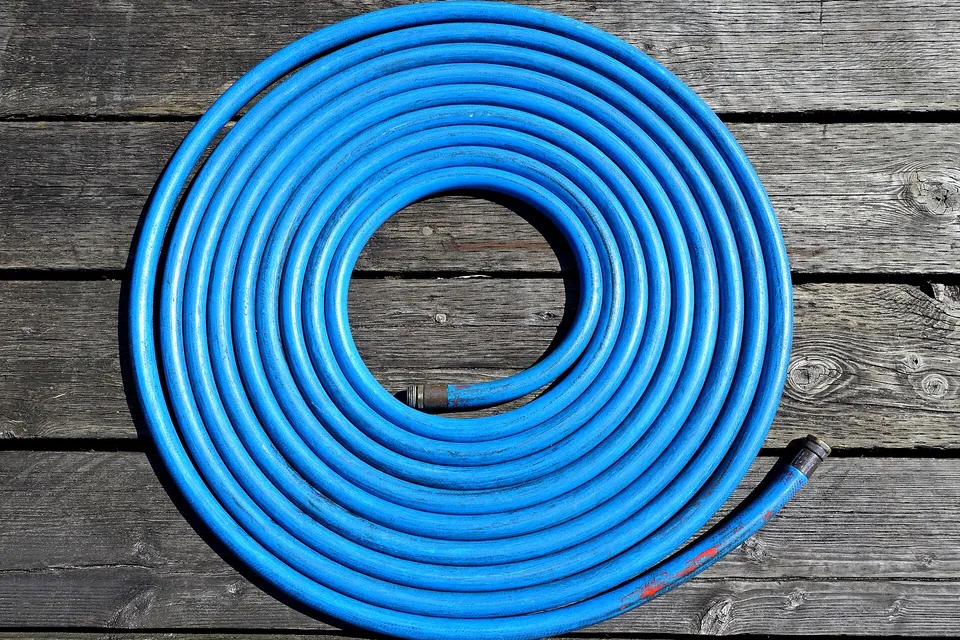
- Turn off the water to outdoor faucets from the inside shutoff valve, if you have one.
- Disconnect the hose and any nozzle, splitter or timer.
- Drain it completely by stretching it out on a slope or lifting it hand over hand.
- Open the outdoor faucet to let remaining water drain out of the pipe.
- Coil it loosely and store it indoors or in a shed, out of freezing temperatures and sunlight.
- Bring nozzles inside, clean and dry.
A garden hose left connected and full of water through winter is one of the most common causes of split hoses, cracked nozzles and, worse, burst outdoor pipes. When water freezes, it expands. Inside a hose or faucet, that expansion has nowhere to go. Winterizing takes about 15 minutes and saves you from replacing gear in spring or dealing with a leak inside the wall.
This guide walks through how to winterize a garden hose, the outdoor faucet and your nozzles, how to store everything, and how to use water outdoors in winter when you need it.
Why should you winterize a garden hose?
- Prevents splitting: water that freezes inside a hose can crack it, especially at the fittings.
- Protects pipes: a connected hose traps water in the faucet, which can freeze and split the pipe behind the wall.
- Protects nozzles: water left in nozzles and splitters can crack plastic and damage seals.
- Extends hose life: UV light and freeze-thaw cycles break down rubber and vinyl.
When should you do it?
Before the first hard freeze, usually when nighttime temperatures start dropping below freezing regularly. In northern states, that's often October or early November. Watch the forecast: one hard frost is enough to damage a full hose or an unprotected faucet.
How do you winterize a hose step by step?
- Shut off outdoor water at the interior shutoff valve (often in the basement or utility room) if your home has one.
- Disconnect the hose from the faucet, and remove nozzles, splitters, timers and quick connectors.
- Drain the hose: stretch it out on a gentle slope, or lift one end and walk it hand over hand toward the other end to push water out.
- Clean it: rinse off dirt and let the outside dry.
- Coil loosely in large loops; tight coils and kinks crack in the cold.
- Store indoors in a garage, basement or shed, off the floor if possible.
How do you protect the outdoor faucet?
- Disconnect the hose; this is the single most important step.
- Close the interior shutoff valve, then open the outdoor faucet to drain trapped water.
- Leave the outdoor faucet slightly open while the interior valve is closed, if your plumber recommends it.
- Add an insulated faucet cover in cold climates.
- If you have frost-free faucets, they still need the hose disconnected to drain properly.
Ready.gov's winter weather guide also recommends protecting pipes before freezing weather.
How do you winterize hose nozzles?
Nozzles have small internal passages and seals that can crack if water freezes inside. Drain them by holding them upside down and opening every setting, rinse out grit, dry them and store them indoors. If your nozzle has a rubber washer, check it for cracks and replace it if needed. Storing the nozzle with the hose in a bin keeps everything together for spring.
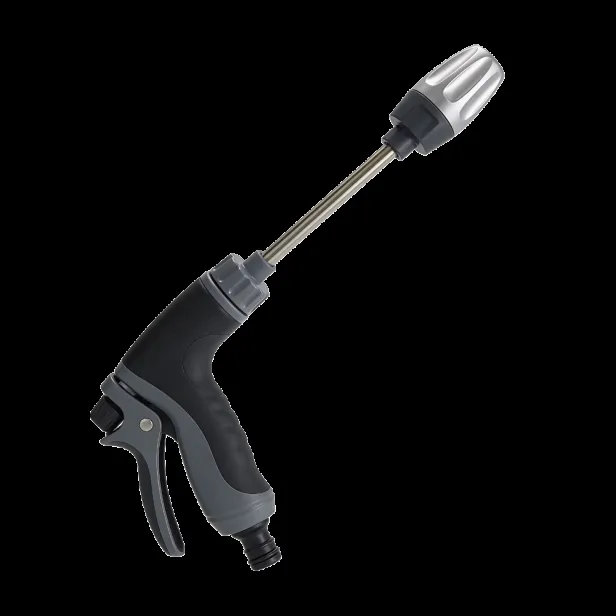
Keep your nozzle ready for spring
Jetterix: high-pressure nozzle for any garden hose, with multiple spray patterns for siding, decks, driveways and cars. From $44.95 each in bundles.
Check today's price →$59.99, or from $44.95 each in bundles
Why store your nozzle carefully?
A good nozzle is the most useful part of your hose setup. The Jetterix Pressure Nozzle concentrates your home's water pressure (typically about 40 to 60 psi) into a strong, focused spray for siding, driveways, decks and cars. It isn't a pressure washer, but it makes your hose far more effective. Keeping it drained and indoors over winter means it's ready for spring cleaning. Read our Jetterix review and hose nozzle vs pressure washer.
What's the best way to store a hose?
| Option | Pros | Tips |
|---|---|---|
| Hose reel indoors | Neat, easy to unwind in spring | Drain first; don't wind tightly in the cold |
| Wall hanger in garage | Off the floor, loose loops | Use a wide hanger to avoid kinks |
| Storage bin | Keeps nozzles and fittings together | Coil loosely, close the lid |
| Outdoor hose pot | Convenient | Only in mild climates; drain fully |
What about expandable hoses?
Expandable hoses have a thin inner tube that is especially sensitive to freezing and sunlight. Drain them completely, let them shrink fully, dry them and store them indoors. Never leave them connected and pressurized outdoors in cold weather.
What if you need water outside in winter?
Use the hose on a mild day, then drain and bring it inside right away. Turn the interior shutoff back off when you're done. For washing cars in winter, see how to wash a car in winter. Don't leave hoses connected overnight in freezing weather.
Do you need to winterize sprinklers and soaker hoses?
Yes. Drain and store soaker hoses, sprinklers and timers indoors. In-ground irrigation systems need to be drained or blown out, often by a professional. Rain barrels should be emptied and disconnected so they don't crack.
What should you check in spring?
- Inspect the hose for cracks, bulges and leaks.
- Replace worn washers in couplings.
- Check the outdoor faucet for leaks when you turn the water back on, both outside and inside the wall.
- Test your nozzle on all settings.
Why does careful water use matter?
Outdoor watering is a big share of household water use. The EPA WaterSense program notes that outdoor use accounts for a significant portion of residential water. A good nozzle with an on/off control and focused spray helps you clean faster with less water.
What mistakes should you avoid?
- Leaving the hose connected to the faucet over winter.
- Storing a hose with water still inside.
- Coiling tightly or kinking in the cold.
- Leaving nozzles and timers outdoors.
- Forgetting the interior shutoff valve.
How much does Jetterix cost?
Jetterix is $59.99 for one, $54.95 each for two, $49.99 each for three and $44.95 each for four, plus $7.89 shipping. Returns are accepted within 30 days for unused products.
How do you know if a pipe froze?
Signs include no water coming from the outdoor faucet in spring, water stains on the inside wall near the faucet or a dripping sound inside the wall when the faucet is on. If you suspect a burst pipe, shut off the water and call a plumber. Disconnecting the hose every fall is the easiest way to avoid this.
Do rubber and vinyl hoses need different care?
Rubber hoses are more flexible in the cold and more durable, but heavier; vinyl hoses are lighter but get stiff and crack more easily in freezing temperatures. Both need to be drained and stored indoors. Vinyl hoses especially should not be bent or uncoiled while frozen.
How long does winterizing take?
About 15 minutes for a hose and faucet, plus a few more for each sprinkler or timer. Doing it on a mild afternoon is easier than in the cold, when hoses are stiff.
What's a fall hose checklist?
- Interior shutoff closed.
- Hose disconnected and drained.
- Outdoor faucet opened to drain.
- Faucet cover installed (cold climates).
- Nozzles, splitters and timers drained and stored indoors.
- Soaker hoses and sprinklers stored.
- Rain barrel emptied.
Add it to your prepare-the-yard-for-winter list, along with winter car prep.
Do you need to winterize in mild climates?
In areas that rarely freeze, you can leave a hose outdoors, but disconnect and drain it when a frost is forecast, and keep it out of direct sun to slow UV damage. A single freezing night is enough to split a full hose or nozzle, so it's worth keeping an eye on the forecast even in the South.
How long does a garden hose last?
A quality rubber hose stored properly can last many years; cheaper vinyl hoses left outdoors may crack in one or two seasons. Draining, coiling loosely and storing it out of sun and frost is the easiest way to get more seasons out of it. Replace washers when couplings drip and repair small leaks with a hose mender kit.
Is the garage warm enough?
An attached garage is usually fine, since it stays above the outdoor temperature. In a detached, unheated shed, make sure the hose is fully drained, because any remaining water can still freeze. Hanging it on a wall keeps it off cold concrete.
What about outdoor water for pets and birds?
Fill outdoor pet bowls and bird baths from an indoor tap with a watering can instead of the hose during freezing weather. Heated bowls and bird bath heaters keep water from freezing without needing an outdoor faucet. This way you don't have to reconnect the hose and risk freezing the faucet.
What if you rent?
Disconnect and drain your own hose, and ask your landlord where the interior shutoff is and whether they handle faucet winterizing.
The bottom line
Winterizing a garden hose is quick: shut off outdoor water, disconnect and drain the hose and nozzle, drain the faucet, coil loosely and store everything indoors. Fifteen minutes before the first hard freeze protects your hose, your nozzle and your pipes.
For spring cleaning with just your hose, our pick is the Jetterix Pressure Nozzle. Check today's Jetterix price.
Sources
- Ready.gov. Winter Weather.
- U.S. Environmental Protection Agency. How We Use Water.
- Official Jetterix product page, checked October 2026.
Frequently asked questions
How do you winterize a garden hose?
Disconnect it, drain it completely, coil it loosely and store it indoors.
Should I disconnect my hose in winter?
Yes. A connected hose traps water in the faucet, which can freeze and burst the pipe.
Can I leave a hose outside in winter?
Only in mild climates and fully drained; indoors is safer.
When should I winterize my hose?
Before the first hard freeze, usually October or early November in northern states.
How do I protect my hose nozzle?
Drain it on every setting, dry it and store it indoors.
Do frost-free faucets need the hose removed?
Yes, they can only drain properly with the hose disconnected.

Tim Humbert
Tim looks into the viral gadgets that show up in your feed, from mini leaf blowers to chain sharpeners and car care cloths. He reads the product pages, checkout and return policies, and buyer feedback so you know what a gadget really does before you spend money on it. His reviews are built on manufacturer information, official checkout and return policies, trusted safety sources and buyer feedback, and are updated when offers change. More about Tim.