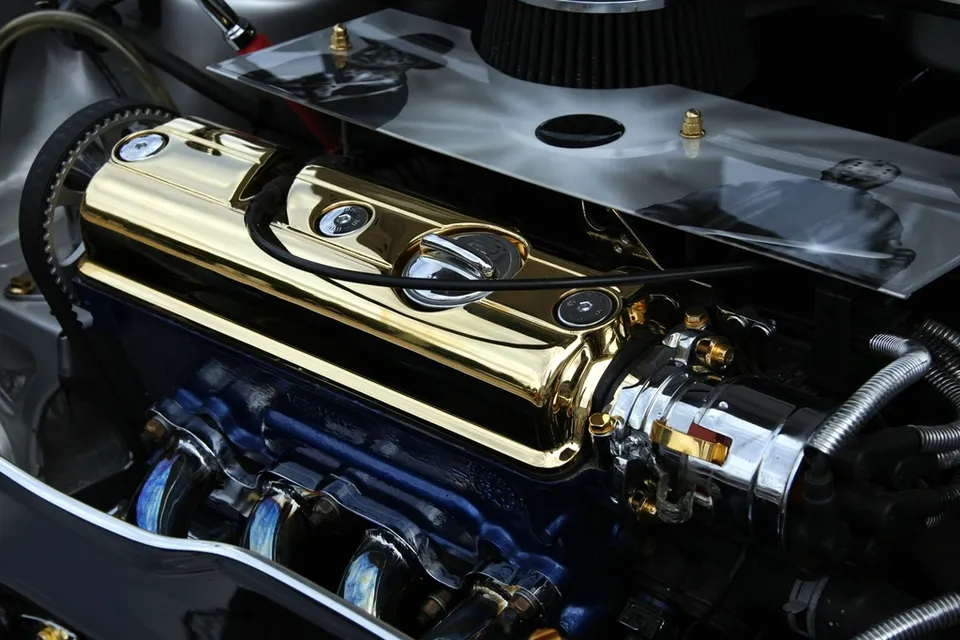
- Let the engine cool completely; never spray a hot engine.
- Remove loose debris like leaves and pine needles from the cowl and corners.
- Cover sensitive parts: the air intake, alternator, fuse box and exposed electrical connectors, with plastic bags.
- Spray a degreaser made for engines and let it sit as the label directs.
- Agitate with soft brushes on greasy areas.
- Rinse with low pressure, a gentle shower or light stream, not a pressure washer blast.
- Dry with towels or compressed air, remove the bags and let the engine idle to dry fully.
A clean engine bay looks great when you open the hood, makes it easier to spot leaks and helps when you sell or trade in your car. Road grime, oil film, leaves and winter salt build up over time, and many people never touch the engine because they're afraid of damaging something. That fear isn't unreasonable: modern engines have sensors, connectors and electronics that don't like direct high-pressure water. But with a cool engine, a few plastic bags, a degreaser and gentle water pressure, cleaning an engine bay is a safe weekend job. This guide explains when to clean it, what to protect, which products to use, how to rinse without causing problems, how to dry and dress plastics and what to avoid.
In this guide:
- why clean the engine bay
- safety and what to protect
- products and tools
- step-by-step cleaning
- drying and finishing
- mistakes to avoid
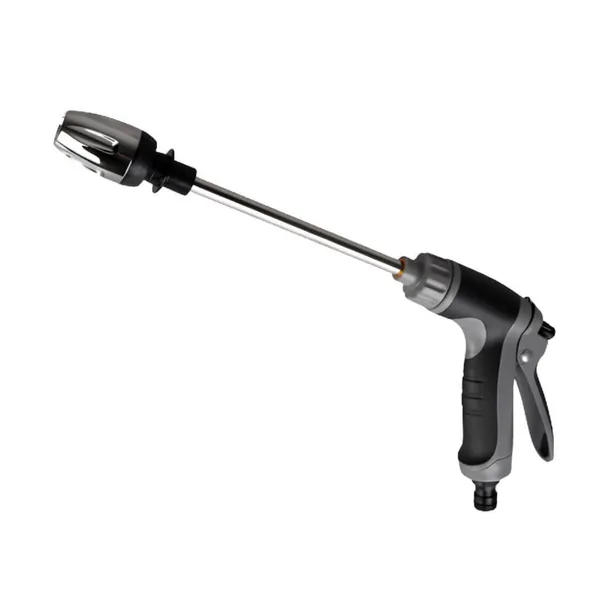
Our pick: the Power Blast Plus Hose Nozzle
Garden hose nozzle with a long-reach metal wand, Precision Flow adjustable spray head and a standard hose connection. Ships from New Jersey.
Check today's price →$66.66, or from $49.95 each in bundles
Why clean your engine bay?
- Spot leaks of oil, coolant or power steering fluid more easily
- Remove debris like leaves that can block drains and attract rodents
- Reduce corrosion from road salt on metal parts
- Make maintenance easier and cleaner
- Improve resale value; buyers look under the hood
How often should you clean it?
For most drivers, once or twice a year is plenty: in spring to remove winter salt and in fall to clear leaves. Clean more often if you drive on dirt roads or salted winter roads, or if you're preparing the car for sale.
What safety steps come first?
- Cool engine: wait at least an hour after driving; cold water on a hot engine can crack parts and causes burns.
- Park in the shade on a surface where runoff won't go straight into a storm drain; capture or minimize runoff.
- Wear gloves and eye protection; degreasers can irritate skin and eyes.
- Check your owner's manual; some manufacturers advise against washing certain areas.
- Hybrids and EVs: high-voltage components need extra care; follow the manufacturer's guidance or ask a professional.
What should you cover before washing?
| Part | Why |
|---|---|
| Air intake / air filter box | Water can reach the engine intake |
| Alternator | Electrical part that doesn't like direct water |
| Fuse box and exposed connectors | Water can cause electrical faults |
| Battery terminals | Keep dry; clean separately |
| Exposed ignition parts (older cars) | Moisture can cause misfires |
Plastic bags and painter's tape are enough. Remove them before starting the car.
Our pick: the Power Blast Plus Hose Nozzle
Garden hose nozzle with a long-reach metal wand, Precision Flow adjustable spray head and a standard hose connection. Ships from New Jersey.
Check today's price →$66.66, or from $49.95 each in bundles
Which products and tools do you need?
- Engine degreaser made for automotive use (water-based options are gentler)
- Soft detailing brushes in a few sizes
- Microfiber towels
- Plastic bags and tape
- A garden hose with an adjustable nozzle
- A plastic dressing (optional) for hoses and covers
Avoid household oven cleaners and harsh solvents, which can damage rubber, plastic and painted surfaces.
How do you clean an engine bay step by step?
- Open the hood and let the engine cool.
- Clear debris by hand or with a small blower, especially the cowl area below the windshield.
- Cover sensitive parts with plastic bags.
- Lightly mist the bay with water.
- Spray degreaser on greasy areas, working from bottom to top.
- Let it dwell a few minutes, but don't let it dry.
- Brush grimy spots, valve cover edges and plastic covers.
- Rinse with low pressure from top to bottom, keeping the stream away from covered parts.
- Wipe plastic covers and painted areas with microfiber.
Can you use a pressure washer?
It's risky. High pressure can force water into connectors, sensors and seals, strip labels and damage fins on the radiator. If you use one, keep it on the widest, lowest setting and well back. A garden hose with an adjustable nozzle is safer and usually enough. See hose nozzle vs pressure washer.
How do you dry the engine bay?
- wipe with microfiber towels
- blow water out of crevices with a small blower or compressed air; see using a leaf blower to dry a car
- remove the plastic bags
- start the engine and let it idle 10 to 15 minutes with the hood open to evaporate moisture
Should you dress the plastics?
A water-based plastic and rubber dressing gives covers and hoses a clean, satin look and helps repel dust. Apply it to a towel, not directly, and avoid belts and pedals of any kind. Skip greasy, high-gloss products that attract dirt.
What about winter salt?
Road salt can corrode metal brackets, clamps and the underside of the hood. A spring rinse after salt season is one of the most useful cleanings you can do. Also wash the underbody and wheel wells. See road salt car damage and washing your car in winter.
Can a clean engine bay keep rodents away?
It can help. Leaves, food wrappers and nesting material in the engine bay attract mice and squirrels, which chew wires. Clear debris regularly, especially if you park outdoors or in a garage near fields.
What mistakes should you avoid?
- spraying a hot engine
- blasting electrical parts with high pressure
- using oven cleaner or harsh solvents
- letting degreaser dry on surfaces
- starting the car with bags still on the intake
- forgetting to check for leaks afterward
Where does Power Blast Plus fit in?
For engine bays, control matters more than power. Power Blast Plus is a garden hose nozzle with a long metal wand and a Precision Flow adjustable spray head, so you can use a gentle shower for rinsing and reach the back of the bay without leaning over a warm engine. It also handles wheels, siding and patios. It's $66.66 for one, or from $49.95 each in bundles. Read our Power Blast Plus review and how to clean car wheels.
What about runoff and the environment?
Water from an engine bay can carry oil, grease and degreaser residue. When it flows into a street drain, it often goes straight to streams and lakes without treatment. The EPA explains how this kind of nonpoint source pollution adds up. To reduce it, use a water-based, biodegradable degreaser, use as little water as possible, wash on gravel or grass where water can soak in rather than on a driveway that drains to the street, and wipe up any oil spots with absorbent towels first. Never pour used degreaser or oil down a drain.
How do you check for leaks after cleaning?
- drive the car for a day or two after cleaning
- open the hood and look for fresh wet spots or drips on clean surfaces
- check around the valve cover, oil filter, hoses and radiator
- look under the car for drips on a clean piece of cardboard overnight
- note the color: oil is brown or black, coolant is often green, orange or pink, and transmission fluid is red
A clean engine bay makes small leaks much easier to spot early, before they become expensive. The Car Care Council has more car maintenance tips.
How do you clean the battery area?
Don't spray water on the battery. If you see white or bluish crust on the terminals, disconnect the negative cable first, then the positive, and clean the terminals with a mix of baking soda and water on an old toothbrush. Rinse lightly with a damp cloth, dry thoroughly and reconnect positive first, then negative. Wear gloves and eye protection, and follow your owner's manual. If you're unsure, a mechanic can do it during an oil change.
What else should you check under the hood?
- the cabin air filter intake near the windshield, often full of leaves
- the engine air filter
- wiper fluid level, especially before winter
- coolant level and condition
- hoses and belts for cracks
Should you pay for professional engine cleaning?
Detailers often offer engine bay cleaning as an add-on. It's worth it for very dirty engines, hybrids or EVs, luxury cars or if you're not comfortable working around electrical parts. Ask whether they use low pressure and cover sensitive parts.
How long does it take?
Plan about 45 minutes to an hour, plus cooling time before you start. Most of that is covering parts, letting the degreaser work and drying. A quick wipe-down of plastic covers between deep cleans keeps the engine bay looking good with only a few minutes of effort.
Are older cars different?
Older cars with distributors and carburetors are more sensitive to moisture in the ignition system. Cover the distributor cap and carburetor carefully, use even less water and let the engine dry well before starting.
The bottom line
To clean a car engine bay:
- let the engine cool and clear loose debris
- cover the air intake, alternator, fuse box and connectors
- use an automotive degreaser and soft brushes
- rinse with low pressure, never a close high-pressure blast
- dry with towels and air, remove covers and idle the engine
Power Blast Plus is a hose nozzle with a long metal wand and adjustable spray, from $49.95 each in bundles.
Our pick: the Power Blast Plus Hose Nozzle
Garden hose nozzle with a long-reach metal wand, Precision Flow adjustable spray head and a standard hose connection. Ships from New Jersey.
Check today's price →$66.66, or from $49.95 each in bundles
Frequently asked questions
Is it safe to wash a car engine with water?
Yes, if the engine is cool, sensitive parts are covered and you rinse with low pressure instead of a close high-pressure blast.
What should I cover when cleaning an engine bay?
The air intake, alternator, fuse box, exposed electrical connectors and battery terminals.
Can I pressure wash my engine?
It's risky. High pressure can force water into connectors and seals. A garden hose with an adjustable nozzle is safer.
What is the best engine degreaser?
An automotive degreaser made for engines, ideally water-based. Avoid oven cleaners and harsh solvents.
How often should you clean an engine bay?
Once or twice a year for most drivers, more often after salted winter roads.
How do you dry an engine after washing?
Wipe with towels, blow out crevices with air, remove covers and let the engine idle with the hood open.

Tim Humbert
Tim looks into the viral gadgets that show up in your feed, from mini leaf blowers to chain sharpeners and car care cloths. He reads the product pages, checkout and return policies, and buyer feedback so you know what a gadget really does before you spend money on it. His reviews are built on manufacturer information, official checkout and return policies, trusted safety sources and buyer feedback, and are updated when offers change. More about Tim.