- Wax or seal the paint before winter.
- Rinse the car regularly, including the undercarriage and wheel wells, on days above freezing.
- Wash after big storms when roads are heavily salted.
- Clean salt off floor mats and carpets inside.
- Treat light marks and swirls in the clear coat in spring.
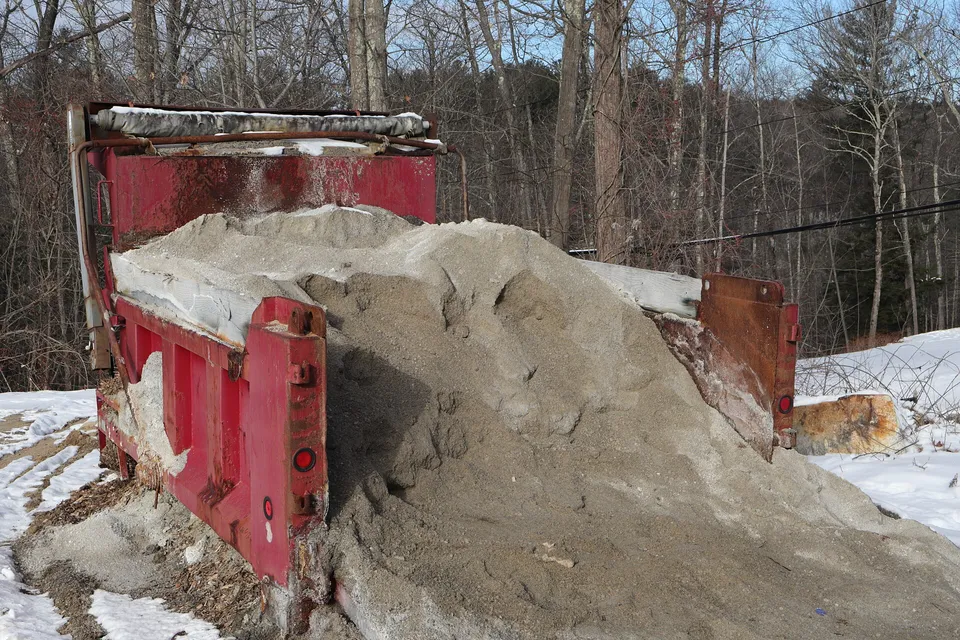
Road salt keeps highways safe in winter, but it's hard on cars. Salt mixed with water and slush sticks to paint, wheels and especially the underside of the car, where it can quietly cause rust on brake lines, exhaust parts and the frame. Drivers in snowy states know the white crust that coats everything by February. The good news: a few habits before and during winter greatly reduce the damage.
This guide explains how road salt damages cars, how to protect paint and the undercarriage, how often to wash in winter, how to deal with salt inside the car, and how to repair light damage in spring.
How does road salt damage a car?
- Rust: salt water speeds up corrosion of bare metal, especially underneath the car, in wheel wells and around chips in the paint.
- Paint and clear coat: salty grime dulls the finish and, combined with abrasive grit, causes fine scratches when wiped.
- Brakes and lines: exposed metal brake lines and components are vulnerable to corrosion.
- Wheels: salt and brake dust can pit and stain wheel finishes.
- Interior: salt from boots stains carpets and mats.
How do you prepare a car before winter?
- Wash and dry the car thoroughly.
- Apply wax or a paint sealant for a protective layer.
- Touch up chips so bare metal isn't exposed.
- Consider an undercoating or rust-proofing treatment for older or high-value cars.
- Switch to all-weather rubber floor mats.
See car paint care in winter and winter car checklist.
How often should you wash a car in winter?
Every one to two weeks during salty periods, and after major snowstorms. The most important part is the undercarriage, where salt builds up out of sight. Wash on days above freezing so water doesn't freeze in door seals and locks. Many car washes offer underbody sprays. At home, a strong hose nozzle can reach under the car and into wheel wells. See how to wash a car in winter.
Why is the undercarriage so important?
The underside of the car gets the most salt spray and the least attention. Brake lines, fuel lines, the exhaust and suspension parts are exposed. Rinsing underneath regularly, especially behind the wheels and along the rocker panels, washes away salt before it causes corrosion.
How do you protect the paint?
- Keep a coat of wax or sealant on the car all winter.
- Don't wipe dry, salty grime off with a cloth; rinse first to avoid scratches.
- Use a soft snow brush, never a shovel or hard scraper, on paint.
- Dry the car after washing, especially in cold weather; see how to dry a car after washing.
How do you fix light damage in spring?
After winter, many cars have a dull finish, fine swirls and light scuffs in the clear coat. A thorough wash, a clay treatment and a polish often bring back the shine. For small surface-level marks, a scratch remover cloth works by hand. NanoPolix is a reusable polishing cloth designed for light swirls, scuffs, water spots and clear-coat marks. It works on surface damage in the clear coat; chips or scratches that reach the primer or bare metal need touch-up paint. Read our NanoPolix review.
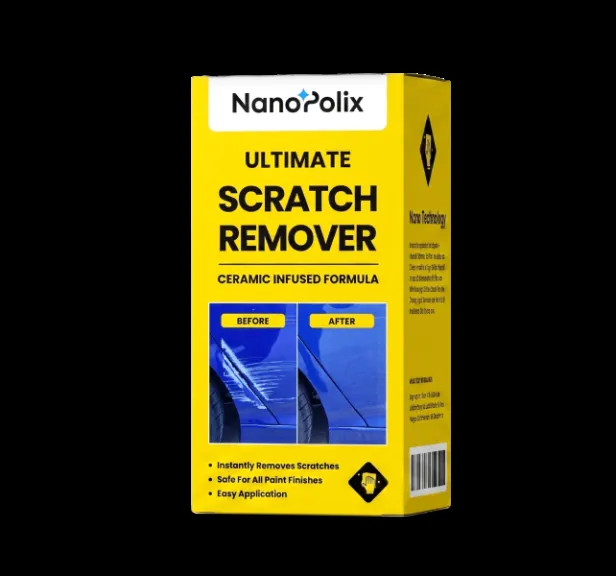
Polish away light winter marks by hand
NanoPolix reusable scratch remover cloth for swirls, scuffs, water spots and light clear-coat scratches. 2 for $34.96, or about $12.23 each in bundles.
Check today's price →2 for $34.96 (buy 1, get 1 free)
What about rock chips?
Winter roads throw gravel and sand at the front of the car. Each chip that reaches metal is a starting point for rust. Clean and touch up chips with matching paint as soon as you can, ideally before winter and again in spring. Maaco explains how paint layers work and when a scratch needs paint rather than polish.
How do you remove salt from floor mats and carpet?
- Let mats dry, then shake or vacuum loose salt.
- Spray carpet stains with a mix of warm water and white vinegar (spot-test first).
- Blot with a clean cloth and repeat.
- Rinse rubber mats with a hose and let them dry.
How do you protect wheels?
Clean wheels and tires every time you wash, using a wheel cleaner safe for your wheel type, and rinse well into the barrel. A wheel sealant helps salt and brake dust rinse off more easily. See how to clean car wheels.
Can driving habits reduce salt exposure?
Leave more distance behind trucks and plows, which throw salt spray and gravel. Avoid driving through deep slush puddles when you can. The NHTSA has tips for safe winter driving.
Is it bad to wash a car in winter?
No, it's good, as long as you wash on milder days, dry the car and keep water out of locks and door seals. Leaving salt on all winter is far worse for the car.
How much does NanoPolix cost?
NanoPolix is 2 for $34.96, 5 for $78.65, 7 for $97.86 and 10 for $122.30, about $12.23 each in the largest bundle. Returns are accepted within 30 days for unused products.
What are the signs of salt damage?
- Bubbling paint, especially around wheel arches and door bottoms.
- Orange or brown spots on exposed metal underneath.
- A rough, dull finish that doesn't shine after washing.
- Pitting or white spots on wheels.
- Squeaky or stiff brakes in spring (have them inspected).
Catching rust early makes repairs smaller and cheaper. See car scratch repair cost.
Is brine worse than rock salt?
Many states spray liquid brine before storms. Because it's a liquid, it sticks to surfaces and gets into crevices more easily than rock salt. That makes regular underbody rinsing even more important in areas that use brine.
Does parking in a warm garage make rust worse?
A heated garage melts snow and salt on the car, and warm, salty water can speed up corrosion if the car stays wet. Rinse the car regularly, and let it dry. An unheated garage keeps the car cold and dry, which slows rust, but you still need to wash off the salt.
How do you protect an older car?
Older cars often have more chips and worn coatings. Touch up chips, consider an annual rust-proofing treatment and pay extra attention to the undercarriage and rocker panels. Keeping drain holes in doors and rockers clear helps salty water escape.
What should you do in spring?
- Give the car a thorough wash, including underneath and in wheel wells.
- Clean salt stains from carpets and mats.
- Inspect for chips and rust spots; touch up as needed.
- Polish out light swirls and scuffs.
- Apply a fresh coat of wax or sealant.
For more on scratches, see how to remove scratches from a car and how to remove swirl marks.
How do you rinse the undercarriage at home?
On a day above freezing, use a strong hose nozzle to spray under the car from each side, behind each wheel and along the rocker panels. Some people use an under-car spray attachment that rolls under the vehicle. Work from front to back, then let the car dry with the doors cracked open briefly so seals don't freeze. A focused hose nozzle makes this quick; see Jetterix review.
Which protection lasts longest in winter?
Traditional carnauba wax looks great but wears off faster. Synthetic paint sealants and ceramic coatings last longer and make salty grime rinse off more easily. Whatever you choose, apply it in fall on a clean, dry car so it protects through the salty months.
Are rubber floor mats worth it?
Yes. Deep rubber mats trap melting snow and salt before it soaks into the carpet, and they rinse clean in seconds. They're one of the cheapest ways to protect the interior in winter.
How much does salt damage cost to fix?
Costs range widely: light swirls and dullness can be fixed at home with a polish, small chips with a touch-up kit, while rust on brake lines or body panels needs a shop and can be expensive. Prevention costs far less than repair, which is why regular washing matters so much. For more on repair costs, see car scratch repair cost.
Does salt damage matter on a leased car?
Yes. Excess wear and rust spots can lead to charges when you return a leased car. Keeping it washed, waxed and chip-free protects you at turn-in time.
How do you keep doors and locks from freezing after washing?
Dry door jambs and seals with a towel after washing, open and close each door a few times, and wipe a little silicone protectant on rubber seals. Wash midday so the car has time to dry before nighttime temperatures drop.
The bottom line
Road salt causes rust and dulls paint, but regular rinsing (especially underneath), a good coat of wax and quick touch-ups on chips go a long way. In spring, a wash and polish bring back the shine, and a scratch remover cloth handles light marks in the clear coat.
For light surface marks after winter, our pick is NanoPolix. Check today's NanoPolix price.
Sources
- NHTSA. Winter Driving Tips.
- Maaco. Car Scratch Repair Guide.
- Official NanoPolix product page, checked October 2026.
Frequently asked questions
Does road salt damage cars?
Yes, it speeds up rust underneath and dulls paint and wheels.
How often should I wash my car in winter?
Every one to two weeks during salty periods, and after big storms.
Is it bad to wash a car in freezing weather?
Wash on days above freezing and dry the car so seals and locks don't freeze.
How do I protect my car from salt?
Wax or seal the paint, rinse the undercarriage and touch up chips.
How do I get salt stains out of car carpet?
Vacuum, then blot with warm water and white vinegar after spot-testing.
Can a scratch remover fix salt damage?
It helps light surface marks in the clear coat; deeper chips need paint.

Tim Humbert
Tim looks into the viral gadgets that show up in your feed, from mini leaf blowers to chain sharpeners and car care cloths. He reads the product pages, checkout and return policies, and buyer feedback so you know what a gadget really does before you spend money on it. His reviews are built on manufacturer information, official checkout and return policies, trusted safety sources and buyer feedback, and are updated when offers change. More about Tim.