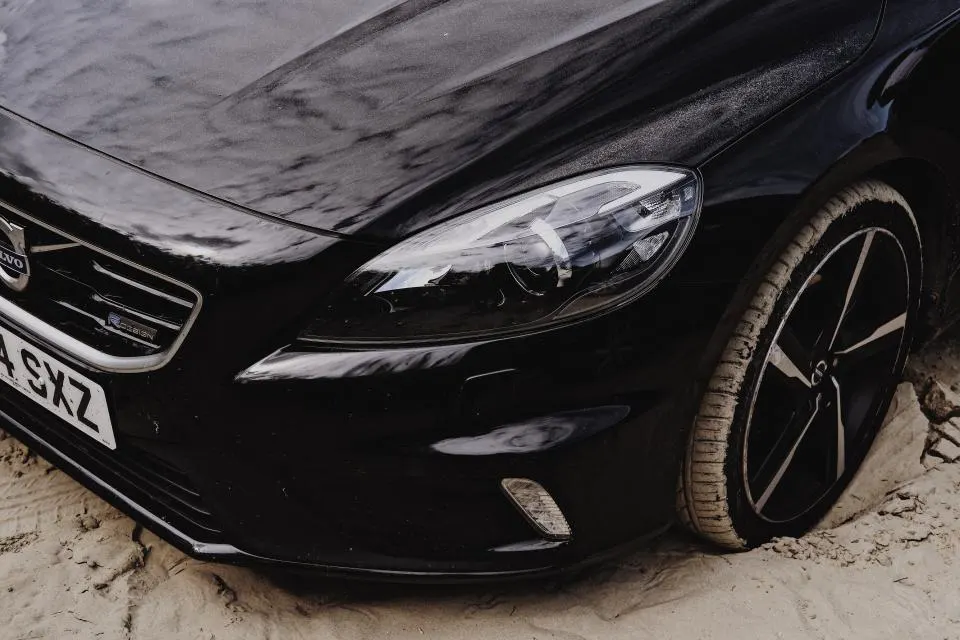
- Wash and dry the car properly.
- Work on a cool panel in the shade.
- Polish with a scratch remover or polish, using small overlapping circles.
- Buff with clean microfiber.
- Protect with wax or sealant.
On a cloudy day your car looks great. Then the sun comes out, and the paint is covered in a spider web of fine circular scratches that catch the light. Those are swirl marks, and they're the most common paint defect on cars, especially dark ones. They make even a new car look tired and dull.
The good news: swirl marks are usually shallow enough to fix at home. This guide explains what causes them, how to tell swirls from deeper scratches, how to remove them by hand or machine, and how to wash and dry your car so they don't come back.
What are swirl marks?
Swirl marks are microscopic scratches in the clear coat, the transparent top layer of your car's paint. Individually they're tiny, but there are thousands of them, and they scatter light in a circular pattern that's most visible under direct sun or bright lights. According to Maaco, car paint is built in layers, clear coat over base coat over primer, and light scratches limited to the clear coat are generally the easiest to repair.
What causes swirl marks?
- Automatic car washes with brushes that carry grit from car to car.
- Washing with a dirty sponge or mitt that drags grit across the paint.
- Using one bucket, so dirty water goes back onto the car.
- Drying with bath towels, old T-shirts or a dropped chamois.
- Wiping a dusty car with a dry cloth.
- Snow brushes and scrapers used on paint in winter.
- Improper machine polishing that leaves holograms.
How do you tell swirls from deeper scratches?
| Swirl marks | Deeper scratches | |
|---|---|---|
| Appearance | Fine circular web, visible in direct light | Single, distinct lines |
| Fingernail test | Nail doesn't catch | Nail may catch |
| Depth | Clear coat only | May reach color, primer or metal |
| Fix | Polishing usually removes or greatly reduces them | May need touch-up paint or body shop |
Look at the paint in direct sunlight or with a flashlight held at an angle. Swirls appear as circular halos around the light source.
How do you prepare the paint?
- Wash the car thoroughly with the two-bucket method. See how to wash a car at home.
- Dry with clean microfiber or a blower. See how to dry a car after washing.
- Decontaminate (optional but helpful): a clay bar removes bonded grit so you don't polish it into the paint.
- Work in the shade on a cool panel.
- Inspect with a bright light to see where swirls are worst.
How do you remove swirl marks by hand?
Hand polishing is slower than a machine but very effective on light swirls and small areas, and there's almost no risk of damage when done properly.
- Choose a polish or scratch remover designed for clear coat.
- Work a small section at a time, about two feet square.
- Use small, overlapping circles with moderate pressure, then straight-line passes.
- Buff with a clean microfiber towel.
- Check in direct light and repeat if needed.
- Move to the next section.
Is a scratch remover cloth good for swirls?
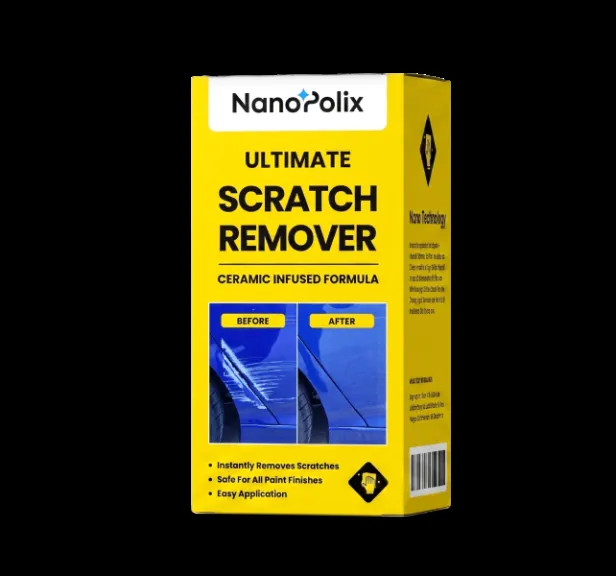
For spot work, yes. NanoPolix is a reusable nano scratch remover cloth that combines a fine polishing action with a protective finish. You rub it on the affected area in small circles with light pressure, then buff with a clean microfiber towel. It's especially handy for swirls around door handles, on the trunk lid, on side mirrors and on smaller panels, and for touch-ups after a car wash. We found it works impressively well on light surface damage like swirls, scuffs and water spots. Like any polish, it can't fix scratches that go through the paint to primer or metal.
NanoPolix sells 2 cloths for $34.96, and about $12.23 per cloth in larger bundles, with a 30-day refund guarantee. Read our NanoPolix review and does car scratch remover work?
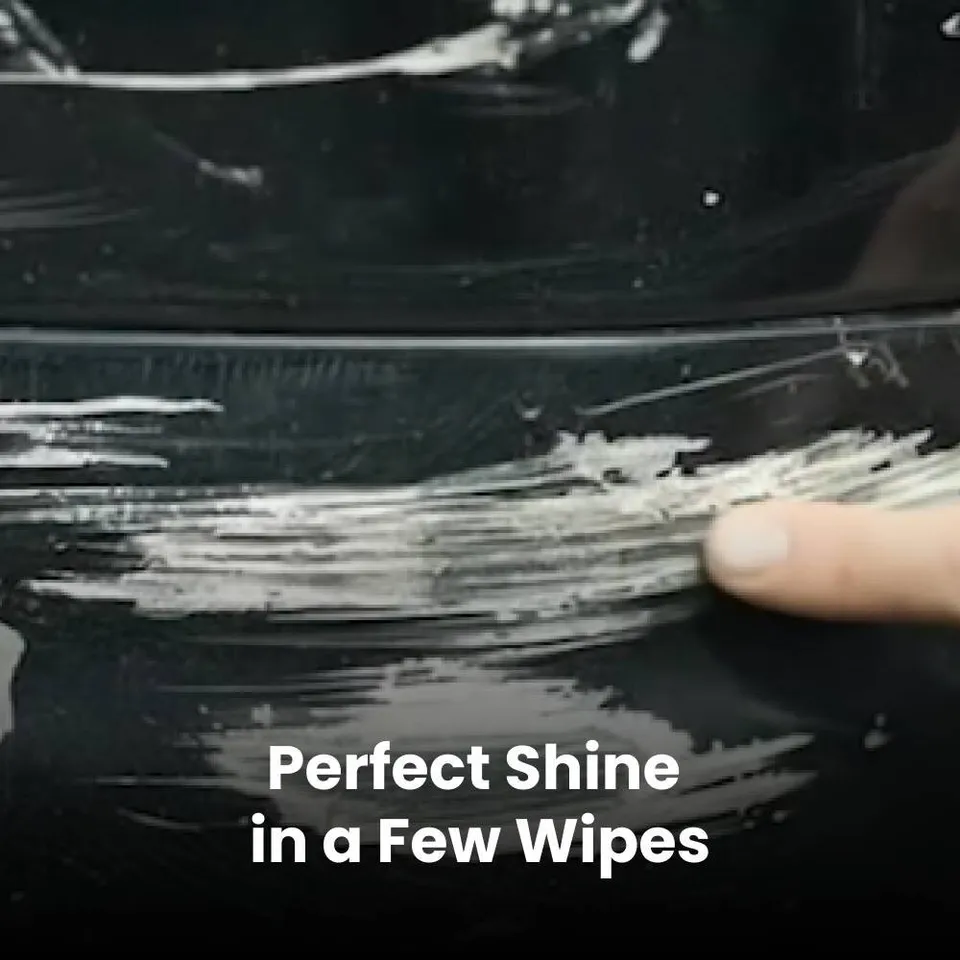
Polish away swirls and light scratches by hand
NanoPolix reusable scratch remover cloth for swirls, scuffs, water spots and light clear-coat scratches. 2 for $34.96, or about $12.23 each in bundles.
Check today's price →2 for $34.96 (buy 1, get 1 free)
When should you use a machine polisher?
If the whole car is covered in swirls, a dual-action (DA) polisher is much faster than working by hand. DA polishers oscillate as they spin, which makes them safer for beginners than rotary polishers. Start with the least aggressive pad and polish combination, test a small area, keep the pad flat and moving, and never polish the same spot for long. Avoid edges and body lines, where clear coat is thinner. If you're unsure, a professional detailer can do a full paint correction.
How often should you replace wash mitts and towels?
Worn or contaminated wash tools are a hidden cause of swirls. Replace a wash mitt when it gets matted or thin, and immediately if you drop it on the ground mid-wash, unless you can rinse it completely clean. Wash microfiber towels separately from other laundry, without fabric softener, and retire them to wheel and engine duty when they lose their softness. Many detailers keep color-coded towels so paint towels never mix with dirtier jobs. It's a small habit that protects all the work you've just done.
How do you protect the paint afterward?
Polishing removes a tiny amount of clear coat and leaves the surface bare. Apply a wax, sealant or ceramic spray to add protection and gloss and make future washes gentler. Reapply as the product recommends.
How do you prevent swirl marks from coming back?
- Use the two-bucket wash method with grit guards.
- Use a soft microfiber or lambswool wash mitt, and rinse it often.
- Pre-rinse the car thoroughly to remove loose grit and sand before touching it.
- Wash top to bottom, saving the dirty lower panels and wheels for last.
- Dry with clean microfiber or a blower.
- Avoid brush car washes; touchless washes are gentler on the clear coat.
- Never wipe a dry, dusty car with a cloth or your sleeve.
- Use a soft foam snow broom instead of a stiff brush in winter. See how to clear snow off a car.
What tools and products do you need?
For hand polishing, you need very little: a clear-coat polish or scratch remover (or a scratch remover cloth), a few foam or microfiber applicator pads, several clean microfiber towels for buffing, a bright flashlight or work light for inspection, painter's tape to protect plastic trim and rubber seals, and a wax or sealant for afterward. A clay bar kit is optional but worthwhile if the paint feels rough after washing. For machine polishing, add a dual-action polisher, a set of pads from medium cutting to finishing, and a compound and finishing polish that match the pads.
Whatever you use, keep everything clean. A single grain of grit stuck in an applicator or towel can put new scratches into the paint while you're trying to remove old ones. Store pads and towels in a sealed bag between uses, and never use a towel that has touched the ground.
How long does swirl removal take?
By hand, expect about 20 to 40 minutes per panel for light swirls, longer for heavier ones. Many owners focus on the most visible areas first: the hood, the doors and the trunk lid. With a dual-action polisher, a full car can often be done in an afternoon to a day, depending on how bad the swirls are and how many steps you use. Professional paint correction can take longer still for very damaged finishes. Remember that the protection step and changing your washing habits are what make the result last.
Why are swirls worse on dark cars?
Swirls are just as present on light cars, but they're much easier to see on dark paint. Black, dark blue and dark gray reflect light in a way that makes every fine scratch stand out, especially in sun. That's why owners of dark cars often notice swirls within months of buying a new car, and why careful washing matters so much for them. White and silver cars hide swirls well, though the paint still benefits from the same care.
What are holograms, and how are they different?
Holograms, or buffer trails, are hazy, rainbow-like patterns left by machine polishing, especially with a rotary polisher used incorrectly. They look different from wash swirls: more like smeared trails than circular halos. They can usually be removed by polishing again with a finer polish and a softer pad, ideally with a dual-action machine. It's one reason beginners are often better off starting by hand or with a DA polisher.
What results can you expect?
On a car with typical wash-induced swirls, careful hand polishing of a few panels in an afternoon usually makes a dramatic difference: the hood and doors go from a hazy web of scratches to a deep, clear reflection, with only the occasional deeper mark remaining. Expect to repeat a pass or two on the worst areas. The trunk lid and the areas around door handles often improve the most, because they collect the most small marks from keys, bags and fingernails. A full-car machine correction can get closer to perfect, but most owners are very happy with the improvement from hand work on the most visible panels, followed by a coat of protection and better washing habits.
The bottom line
Swirl marks are shallow clear-coat scratches caused mostly by poor washing and drying habits. Wash and dry properly, then polish by hand or with a dual-action machine to remove them, and protect the paint afterward. Change your wash routine and they'll stay gone.
For quick, mess-free spot polishing, our pick is NanoPolix. Check today's NanoPolix price, and see our guide on how to remove scratches from a car.
Sources
- Maaco. Car Scratch Repair Guide.
- Federal Trade Commission. Online Shopping.
- Official NanoPolix product page, checked October 2026.
Frequently asked questions
Can swirl marks be removed?
Usually yes. Swirls are shallow scratches in the clear coat, so polishing by hand or with a dual-action polisher can remove or greatly reduce them.
What causes swirl marks on cars?
Mostly washing and drying habits: brush car washes, dirty mitts, one-bucket washing, rough towels and wiping a dusty car.
Can you remove swirl marks by hand?
Yes, especially light swirls and small areas. Work small sections with a clear-coat polish or scratch remover in overlapping circles, then buff.
Does NanoPolix remove swirl marks?
It works well on light surface damage like swirls, scuffs and water spots. It can't repair scratches through the paint to primer or metal.
Why are swirl marks more visible on black cars?
Dark paint reflects light in a way that makes fine scratches stand out, especially in direct sun.
How do I prevent swirl marks?
Use the two-bucket wash method, a soft mitt, a thorough pre-rinse, clean microfiber or a blower for drying, and avoid brush car washes.

Tim Humbert
Tim looks into the viral gadgets that show up in your feed, from mini leaf blowers to chain sharpeners and car care cloths. He reads the product pages, checkout and return policies, and buyer feedback so you know what a gadget really does before you spend money on it. His reviews are built on manufacturer information, official checkout and return policies, trusted safety sources and buyer feedback, and are updated when offers change. More about Tim.