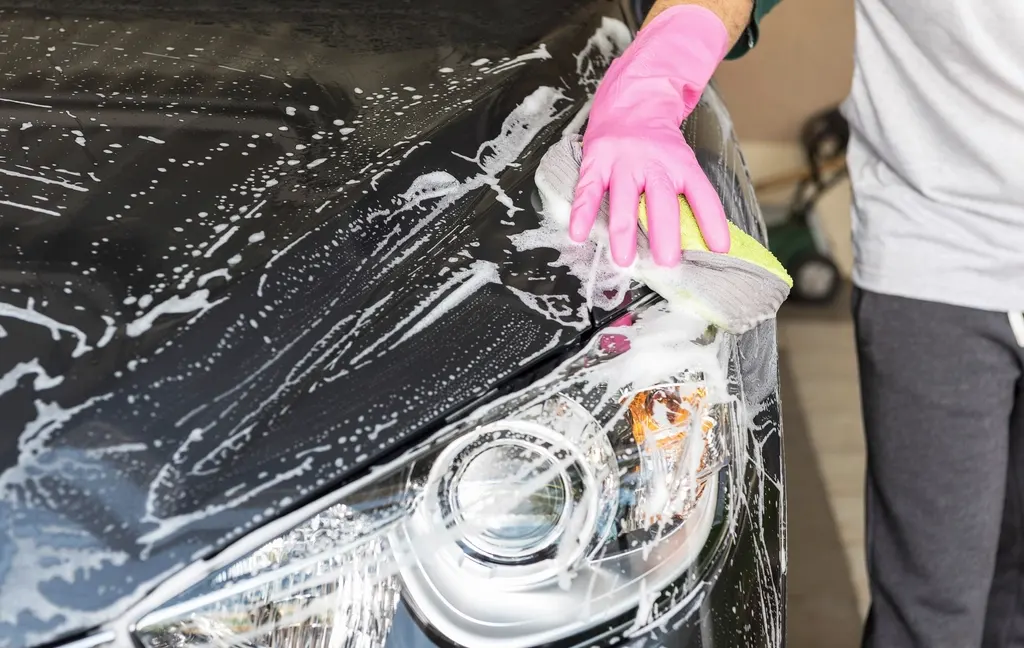
- Work quickly and in the shade, before water evaporates and leaves mineral spots.
- Use a large, clean microfiber drying towel. Blot or drag it gently instead of scrubbing.
- Use a blower to push water out of mirrors, grilles, emblems, door jambs, lights and wheels, where towels can't reach and drips come from.
- Finish with a quick detailer for extra slickness.
You spent an hour washing the car, and it looked perfect, until it dried into a constellation of water spots, with drip trails running down from the mirrors and door handles. Drying is the step most people rush, but it's where the finish is made or ruined. Water left to evaporate leaves minerals behind, and the wrong towel can add the swirls you were trying to avoid.
This guide explains how to dry a car properly, which tools to use, why a blower is such a useful addition, and how to avoid the common mistakes that cause spots, streaks and scratches.
Why does drying matter so much?
- Water spots: tap water contains dissolved minerals. When droplets evaporate, the minerals stay behind as spots that can etch into the clear coat if left too long, especially in sun. Hard water makes this worse.
- Swirl marks: rubbing a dirty or rough towel across paint creates fine scratches that show in sunlight.
- Drip trails: water hiding in mirrors, trim and seams runs out later and leaves streaks on a freshly dried car.
- Rust and corrosion: water left in door jambs, seams and brake components can contribute to corrosion over time.
What should you do before drying?
- Wash in the shade or early or late in the day, and keep the car cool.
- Do a final rinse with a gentle, open-hose flow (no nozzle) so water sheets off instead of beading. This "sheeting" rinse removes much of the water before you touch the car.
- Work in sections if it's warm, rinsing and drying one panel at a time.
Our full guide on how to wash a car at home covers the wash itself.
What is the best towel for drying a car?
Use a large, plush or waffle-weave microfiber drying towel. These absorb a lot of water and trap any remaining grit in their fibers instead of dragging it across the paint. Avoid bath towels, old T-shirts and chamois that have been dropped on the ground. Keep drying towels clean: wash them separately from other laundry, without fabric softener, which reduces absorbency.
What is the right drying technique?
- Start at the top: roof, windows, then hood and trunk, then the sides, and the lower panels last (they're the dirtiest).
- Lay the towel flat on the panel and gently pull it toward you, or pat-dry. Don't scrub in circles.
- Flip and refold the towel often to use a dry side.
- Use a second towel for lower panels, wheels and door jambs, never the paint towel.
- Dry the glass last with a separate glass towel to avoid streaks.
Why use a blower to dry a car?
Towels are great on flat panels but can't reach into the places where water hides: side mirror housings, grille openings, emblems and badges, gaps around lights, door handles, fuel doors, trim seams, roof rails and the spokes and lug nuts of wheels. That water drips out minutes later and leaves streaks across your freshly dried paint.
A blower solves this. Blowing air pushes water out of crevices and off the paint without touching it, which is why "touchless drying" has become popular with car enthusiasts. You can use a blower for the crevices and a towel for the flat panels, or blow the whole car and finish with a light towel wipe.
The Wood Ranger Power Leaf Blower is a convenient choice because it's so light. According to the brand, it has a 1600W brushless motor, weighs just 2.1 lb, has a variable-speed trigger and runs about 30 minutes per charge, plenty to blow out a car and its wheels. The same blower clears the garage, the patio and car interiors. Read our Wood Ranger review.
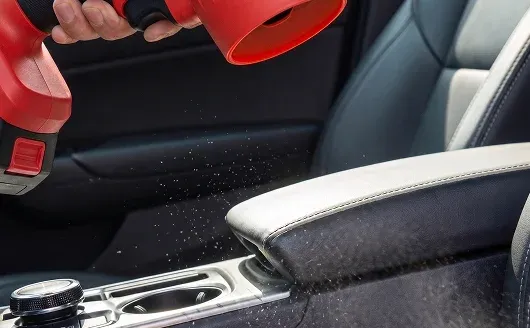
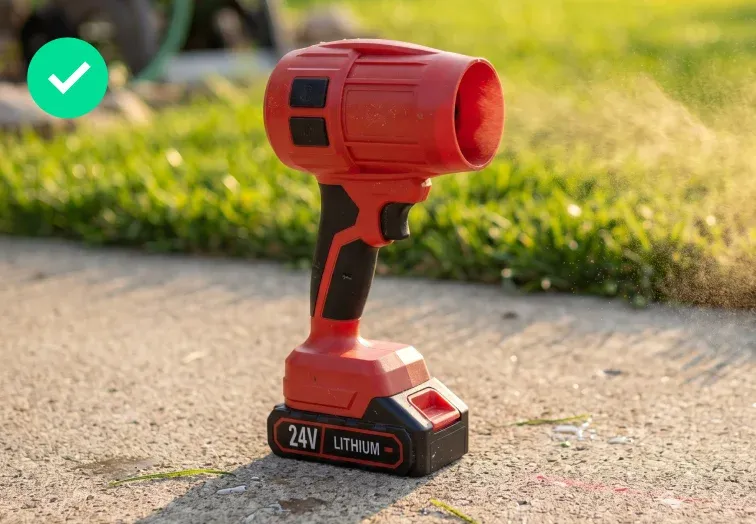
Touchless drying for mirrors, grilles, trim and wheels
Wood Ranger Power Leaf Blower: 1600W brushless motor, 2.1 lb cordless, variable-speed trigger, about 30 minutes per charge. $69.99, or from $55.99 each in bundles.
Check today's price →From $55.99 each in bundles · 90-day guarantee
How do you dry a car with a blower?
- Use clean air: start in a clean area away from dirt, gravel and leaves, so the blower doesn't kick debris onto wet paint.
- Start at the top and work down, pushing water off the edges of panels.
- Hit the crevices first: mirrors, grille, emblems, lights, door handles, fuel door, trim.
- Open the doors, trunk and hood briefly and blow out the jambs and seals.
- Do the wheels and tires, including lug nuts and calipers.
- Keep the nozzle a few inches away and moving.
- Finish with a towel or quick detailer for any last drops.
How do you remove water spots that already formed?
Fresh, light water spots usually come off with a quick detailer spray and a microfiber towel. Stubborn mineral spots may need a dedicated water spot remover. Spots that have etched into the clear coat may need polishing. A scratch remover cloth can help with light etching and dullness; see our NanoPolix review. Prevent spots by drying promptly and avoiding direct sun.
What mistakes cause spots and swirls?
- Letting the car air-dry, especially in sun.
- Using bath towels, paper towels or dirty cloths.
- Scrubbing in circles.
- Using the same towel on wheels and paint.
- Dropping a towel and continuing to use it.
- Blowing dusty air at wet paint.
- Skipping mirrors and trim, then getting drip trails.
Swirls from bad drying habits are among the most common marks on cars; see how to remove swirl marks.
Can you use the same blower for the interior?
Yes. A blower is handy for blowing dust and crumbs out of vents, seat rails, cup holders and floor mats before vacuuming. Blow debris toward the open door, then vacuum. In winter, it can also clear light, fluffy snow off the car without touching the paint; see how to clear snow off your car.
Should you add protection after drying?
A spray wax or sealant after drying adds gloss and makes water bead and slide off, so future washes and drying are easier. Apply to a clean, dry, cool surface following the product's instructions. Many quick detailers also add a light layer of protection.
How does the weather change your drying routine?
On a hot, sunny day, water evaporates in minutes and leaves spots almost immediately, so wash and dry one section at a time, park in the shade or wait for early morning or evening. On a windy day, dust and pollen blow onto the wet paint and stick to it, so dry quickly and avoid blowing air in dusty areas. On a cold day, water in door seals, locks and mirrors can freeze after you drive off; blowing out door jambs, seals, mirrors and the fuel door is especially useful in late fall and winter, and leaving the doors open for a minute afterward helps seals dry. In humid weather, water takes longer to evaporate, which gives you more time but makes it harder to get the last streaks off the glass; a dedicated glass towel and a final wipe help.
Whatever the season, the principle is the same: remove the water before it has a chance to evaporate on its own, and avoid dragging anything gritty across the paint.
Does drying matter for trucks and SUVs too?
Even more so. Large roofs are hard to reach with a towel, so water often gets left up there and runs down the windows later. Roof racks, running boards, tow hitches and large grilles all trap water. A blower lets you clear the roof from the ground and push water out of rails and running boards in seconds. It's also a quick way to dry the truck bed. For the roof, finish with a towel on a long-handled pad if you want a perfect result. See the mini blower guide for more on what a small blower can handle.
What if your water is very hard?
Hard water leaves more minerals and more spots. Dry faster, wash in cooler conditions, and consider a final rinse with filtered or deionized water if you're serious about a spot-free finish. Some car enthusiasts use inline water filters on the hose for the final rinse. Even without special equipment, a quick blower pass followed by a towel dramatically reduces spotting, because the water is removed before it has time to evaporate.
What does a 10-minute drying routine look like?
After the final sheeting rinse, start the blower at the roof and push water toward the edges, then down the windshield and rear glass. Move to the mirrors, grille, badges and light housings, where you'll see little jets of water escape from hidden pockets. Open each door for a few seconds and blow out the jambs and hinges. Then do the wheels: blow the faces, spokes and lug nuts until they stop dripping. Now take a clean microfiber towel and lightly dry the flat panels, flipping it often. Finish with a separate glass towel on the windows and a mist of quick detailer if you like. About ten minutes from rinse to done, and when you come back an hour later, there are no drip trails running down the doors.
The bottom line
Dry your car promptly, in the shade, with clean microfiber towels, working top to bottom and patting or gently pulling instead of scrubbing. Use a blower to push water out of mirrors, grilles, trim, jambs and wheels, where drips and spots come from. The result is a spot-free, swirl-free finish.
For fast, touchless drying of the tricky spots, our pick is the Wood Ranger. Check today's Wood Ranger price.
Sources
- U.S. EPA WaterSense. How We Use Water.
- Maaco. Car Scratch Repair Guide.
- Official Wood Ranger product page, checked October 2026.
Frequently asked questions
What is the best way to dry a car without water spots?
Dry promptly in the shade with clean microfiber drying towels, working top to bottom, and use a blower for mirrors, grilles, trim and wheels where water hides.
Can I use a leaf blower to dry my car?
Yes. A clean, light blower pushes water out of crevices and off panels without touching the paint. Start in a clean area so you don't blow dust onto wet paint.
Is it bad to let a car air dry?
Yes, especially in sun. Water evaporates and leaves mineral spots that can etch the clear coat.
What towel should I use to dry my car?
A large, plush or waffle-weave microfiber drying towel. Avoid bath towels, paper towels and anything that has touched the ground.
How do I stop drips from mirrors after drying?
Blow water out of mirror housings, emblems, trim and door handles with a blower before towel-drying the panels.
How do I remove water spots after drying?
Light spots come off with a quick detailer; stubborn ones need a water spot remover, and etched spots may need polishing.

Tim Humbert
Tim looks into the viral gadgets that show up in your feed, from mini leaf blowers to chain sharpeners and car care cloths. He reads the product pages, checkout and return policies, and buyer feedback so you know what a gadget really does before you spend money on it. His reviews are built on manufacturer information, official checkout and return policies, trusted safety sources and buyer feedback, and are updated when offers change. More about Tim.