- Use the timer so the heater shuts off after an hour or two.
- Plug it straight into a wall outlet, never an extension cord or power strip.
- Keep 3 feet clear around it: bedding, curtains, clothes and furniture.
- Choose a heater with a thermostat so it cycles instead of running nonstop.
- Have working smoke and carbon monoxide alarms; never use fuel-burning heaters in a bedroom.
- Warm the room before bed, then rely on blankets once you're asleep.
When the bedroom is the coldest room in the house, it's tempting to switch on a space heater and leave it running until morning. Millions of people do exactly that every winter. But heating equipment is one of the leading causes of home fires, and many of those fires start at night, when people are asleep and can't react quickly. The good news is that you don't have to choose between a cold bedroom and a risky one. With the right heater, the right placement and a few habits like using a timer, you can wake up and fall asleep warm while keeping risks low. This guide explains what safety groups recommend, why nighttime is riskier, which features matter, a safe bedtime routine, where to place the heater and what to avoid.
In this guide:
- what safety experts recommend
- why overnight use is riskier
- features that make heaters safer
- a safe bedtime routine
- placement and outlets
- mistakes to avoid
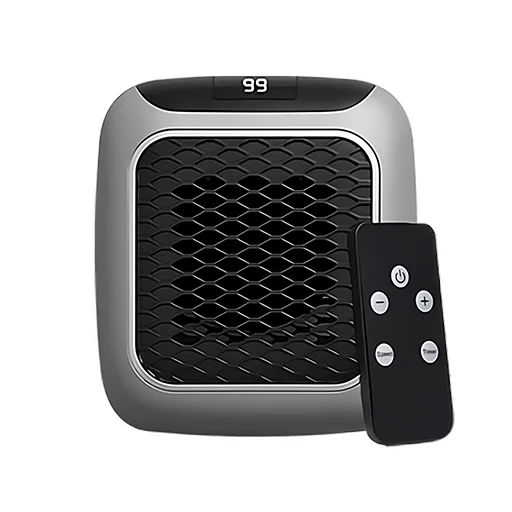
Our pick: the HeatMe Pro Plug-In Heater
Compact 800 W ceramic heater that plugs straight into the wall, with a remote, digital thermostat (60–90°F), 1–12 hour timer and a rotating plug.
Check today's price →$49.95, or from $29.97 each in bundles · 30-day money-back guarantee
What do fire safety experts recommend?
The National Fire Protection Association advises turning space heaters off when you leave the room or go to bed, keeping anything that can burn at least 3 feet away and plugging heaters directly into a wall outlet. Its heating safety tips also stress having working smoke alarms on every level and outside sleeping areas. In other words: running a heater while you're awake and nearby is the safest way to use it, and a timer is the best tool for bedtime.
Why is running a heater overnight riskier?
- Nobody is watching: if something goes wrong, it may not be noticed for hours.
- Bedding moves: blankets and pillows can slide off the bed onto or near the heater.
- Long run times put more strain on outlets, plugs and cords.
- Clothes and laundry piled near the bed can end up too close.
- Pets and kids may knock it over or touch it at night.
- Fuel-burning heaters can produce carbon monoxide in a closed room.
Are some heaters safer than others?
| Heater type | In a bedroom |
|---|---|
| Electric ceramic (PTC) heater | Common choice; use with a thermostat and timer |
| Oil-filled radiator | Gentle, steady heat; slow to warm up |
| Electric heater with exposed coils | Higher risk near fabric |
| Propane, kerosene or gas heater | Not for bedrooms; carbon monoxide risk |
| Heated blanket or mattress pad | Follow the maker's instructions; check for damage |
Look for a heater certified by a recognized testing laboratory, and read the manual for any instructions about unattended use.
Our pick: the HeatMe Pro Plug-In Heater
Compact 800 W ceramic heater that plugs straight into the wall, with a remote, digital thermostat (60–90°F), 1–12 hour timer and a rotating plug.
Check today's price →$49.95, or from $29.97 each in bundles · 30-day money-back guarantee
Which features matter most?
- Timer: lets the heater switch off on its own after you fall asleep.
- Thermostat: keeps the room at a set temperature instead of running full power nonstop.
- Remote control: adjust or turn off without getting out of bed.
- Cool-touch housing: safer around kids and pets.
- Overheat protection and tip-over switch, if the model has them.
- Sturdy plug that fits snugly in the outlet.
What's a safe bedtime routine with a space heater?
- Warm the room early: turn the heater on 30 to 60 minutes before bed while you're getting ready.
- Set the thermostat to a comfortable level, around 65 to 68°F.
- Set the timer for 1 to 2 hours, so it runs while you fall asleep and then turns off.
- Check the 3-foot zone before you lie down: no bedding, clothes, curtains or papers nearby.
- Layer the bed with a warm comforter so you stay warm after it switches off.
- If you wake up cold, use the remote to run it for a short time again, then let the timer turn it off.
Where should you place a heater in the bedroom?
- on a wall outlet away from the bed, with nothing hanging over it
- at least 3 feet from bedding, curtains, furniture and clothes
- not behind a door that swings into it
- out of walkways where someone could trip at night
- away from water and humid spots
Plug-in wall heaters avoid a cord across the floor, which helps in small bedrooms. For more ideas, see how to keep a room warm without central heat.
Why does the outlet matter so much?
Space heaters draw a lot of power. Plugging one into an extension cord or power strip can overheat the cord and cause a fire. Plug it straight into a wall outlet, don't share that outlet with other high-power devices and check the plug and outlet now and then. If either feels hot, looks discolored or the plug fits loosely, stop using it and have the outlet checked. See how much a space heater costs to run for wattage basics.
Do you need smoke and carbon monoxide alarms?
Yes. Have smoke alarms inside or outside every sleeping area and test them monthly. If you have any fuel-burning appliance, furnace or attached garage, have carbon monoxide alarms too. Never use a camp heater, oven or grill to heat a room. Ready.gov's guide to home fires covers alarms and escape plans.
What about kids, older adults and pets?
- choose a heater with a cool-touch housing
- place it where kids and pets can't knock it over or touch it
- never leave a heater on in a child's room overnight
- older adults may not feel heat as well; keep heaters away from beds and chairs
- keep pet beds well away from the heater
What else keeps you warm at night?
- flannel sheets, a down or wool comforter and an extra blanket
- warm socks and layered sleepwear
- draft stoppers under doors and heavy curtains on windows
- a hot water bottle (not boiling) wrapped in a cover
- closing doors to keep heat in the bedroom
See the cheapest way to heat one room.
What mistakes should you avoid?
- using an extension cord or power strip
- drying clothes or towels on the heater
- placing it near the bed, curtains or a pile of laundry
- using a fuel-burning heater in a bedroom
- running a damaged heater with a frayed cord or cracked housing
- leaving it on in an empty room
Where does the HeatMe Pro fit in?
The HeatMe Pro is a compact 800 W ceramic heater that plugs straight into the wall, so there's no cord across the bedroom floor. Its digital thermostat (60 to 90°F) keeps the room at the temperature you choose, the remote lets you adjust it from bed, and the 1 to 12 hour timer makes the bedtime routine easy: warm the room, set the timer, fall asleep. It's $49.95, or from $29.97 each in bundles, with a 30-day money-back guarantee. Read our HeatMe Pro review and Cozy Cove Pro vs HeatMe Pro.
How do you check a heater before winter?
- Inspect the plug and cord (if it has one) for cracks, fraying or scorch marks.
- Look at the housing for cracks or melted spots.
- Vacuum the vents gently; dust burning on the element causes that first-use smell and can be a fire risk.
- Test the controls: thermostat, timer and remote should all respond.
- Test it while you're in the room for the first hour of the season.
- Check recalls for your model on the CPSC website.
A short smell of burning dust on the first use of the season is common; a smell of burning plastic or smoke is not. Unplug the heater and stop using it. More ideas for winter preparation are in how to heat a garage in winter.
Does using a timer save money too?
Yes. A heater that runs all night uses far more electricity than one that runs for an hour or two at bedtime and again for a short while in the morning. For an 800 W heater, every hour it runs uses 0.8 kWh. Using a thermostat and timer, closing the door and warming only the room you're in usually costs less than raising the whole-house thermostat. See how much a space heater costs to run.
How do you wake up to a warm room?
If your heater doesn't have a delayed start, a common approach is to keep the bedroom door closed overnight so the room holds its warmth, then switch the heater on with the remote as soon as you wake and stay in bed for a few minutes while it heats. A ceramic plug-in heater warms a small room quickly, so you won't wait long. Keep slippers and a warm robe by the bed for those first minutes.
The bottom line
Is it safe to leave a space heater on overnight?
- safety groups recommend turning it off when you sleep or leave the room
- use a timer so it warms the room while you fall asleep, then switches off
- plug directly into a wall outlet and keep 3 feet clear
- choose a thermostat, remote and cool-touch housing
- keep smoke and carbon monoxide alarms working
The HeatMe Pro has a thermostat, remote and 1–12 hour timer, $49.95 or from $29.97 each in bundles, with a 30-day money-back guarantee.
Our pick: the HeatMe Pro Plug-In Heater
Compact 800 W ceramic heater that plugs straight into the wall, with a remote, digital thermostat (60–90°F), 1–12 hour timer and a rotating plug.
Check today's price →$49.95, or from $29.97 each in bundles · 30-day money-back guarantee
Frequently asked questions
Can you sleep with a space heater on?
Fire safety groups recommend turning space heaters off when you sleep. A timer lets it warm the room while you fall asleep, then switch off.
How far should a space heater be from the bed?
Keep at least 3 feet between the heater and bedding, curtains, clothes and furniture.
Can I plug a space heater into a power strip?
No. Plug it directly into a wall outlet. Extension cords and power strips can overheat.
What is the safest type of heater for a bedroom?
An electric heater with a thermostat, timer and cool-touch housing. Never use a fuel-burning heater in a bedroom.
What temperature should a bedroom be for sleeping?
Many people sleep well around 65 to 68°F. Warm the room before bed and rely on blankets overnight.
Do I need a carbon monoxide alarm with an electric heater?
Electric heaters don't produce carbon monoxide, but homes with any fuel-burning appliance or attached garage should have CO alarms.

Tim Humbert
Tim looks into the viral gadgets that show up in your feed, from mini leaf blowers to chain sharpeners and car care cloths. He reads the product pages, checkout and return policies, and buyer feedback so you know what a gadget really does before you spend money on it. His reviews are built on manufacturer information, official checkout and return policies, trusted safety sources and buyer feedback, and are updated when offers change. More about Tim.