- Wash and dry the area so you don't grind dirt into the paint.
- Check whether it's transfer or damage: transfer sits on top of your paint and often has a different color; a fingernail glides over it.
- Try a gentle method first: a clay bar or a scratch remover cloth, rubbing lightly in small circles.
- Use polishing compound on a microfiber pad for stubborn transfer.
- Wipe and inspect in daylight; repeat if needed.
- Protect it with wax or sealant afterward.
You come back to a parking lot and find a streak of someone else's paint on your door, bumper or fender. Or you brushed a pole, a garage wall or a shopping cart corral and now there's a colored mark on your car. In many cases, that mark is paint transfer: paint from the other object sitting on top of your car's clear coat, not damage to your own paint. Paint transfer often looks much worse than it is, and it can usually be removed at home in minutes. This guide explains how to tell transfer from real damage, the gentlest methods to try first, how to use polishing compound, what to avoid, how to deal with any scratches underneath and how to protect the area afterward.
In this guide:
- what paint transfer is
- transfer vs real damage
- gentle removal methods
- polishing compound step by step
- what to avoid
- scratches underneath and protection
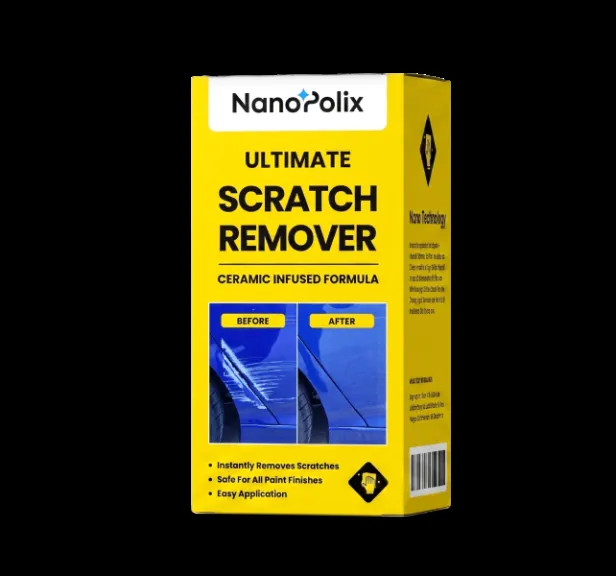
Our pick: the NanoPolix Scratch Remover Cloth
Reusable nano cloth for light paint scratches, scuffs, water spots and oxidation. Rub in small circles, buff, done.
Check today's price →2 for $34.96 (buy 1, get 1 free)
What is paint transfer?
When your car rubs against another car, a pole, a garage wall or a bike rack, paint from the other surface can rub off onto yours. It usually sits on top of your clear coat and can be a different color: white, yellow, red or gray marks are common. Rubber from bumpers, plastic from parking curbs and marks from shopping carts behave the same way.
How do you tell transfer from real damage?
| Sign | Likely transfer | Likely damage |
|---|---|---|
| Color | Different from your car | White, gray or silver (primer or metal) |
| Feel | Raised or smooth; fingernail glides | Fingernail catches in a groove |
| Response to a gentle rub | Begins to fade | Stays the same |
| Dent | None | May have a dent or crease |
Maaco's car scratch repair guide explains the paint layers and why depth matters.
What should you try first?
- Wash and dry the area with car shampoo.
- Clay bar: glide a lubricated clay bar over the transfer with light pressure. It lifts contaminants without abrading the paint.
- Scratch remover cloth: rub in small circles with light pressure; many light transfers fade quickly.
- Wipe and check; repeat a couple of times if it's improving.
Our pick: the NanoPolix Scratch Remover Cloth
Reusable nano cloth for light paint scratches, scuffs, water spots and oxidation. Rub in small circles, buff, done.
Check today's price →2 for $34.96 (buy 1, get 1 free)
How do you use polishing compound?
- work in the shade on cool paint
- apply a small amount of compound to a microfiber or foam applicator
- rub in small, overlapping circles with moderate pressure for 30 to 60 seconds
- wipe off and inspect in daylight
- repeat as needed, but don't overwork one spot
- follow with a finer polish if the area looks hazy
A dual-action polisher speeds up larger areas, but go gently. More on what works: does scratch remover work?
What should you avoid?
- Lacquer thinner, acetone or nail polish remover on your paint; they can damage the clear coat
- Magic erasers and household abrasives, which can haze paint
- Sandpaper, unless you're doing a professional-level repair
- Working on hot paint in direct sun
- Rubbing a dirty surface, which adds new scratches
Some detailers use specialized products on transfer, but always test on a hidden spot and follow the label.
What if there's a scratch underneath?
Once the transfer is gone, you may see light scratches in the clear coat. These can often be polished. If you see primer or bare metal, the paint is damaged and needs touch-up paint matched to your car's paint code, or a body shop. Fix deep scratches before winter salt and moisture start rust. See how to remove scratches from a car, key scratches and car scratch repair cost.
What about plastic bumpers?
Painted plastic bumpers are treated like paint. Textured, unpainted black plastic can't be polished the same way; a plastic cleaner and restorer usually helps more. For scuffs, see how to fix a scuffed car bumper.
How do you protect the area afterward?
- apply wax or sealant to the polished area
- wash the car regularly, especially in winter
- park away from carts, poles and tight spots when possible
- add door edge guards if your garage is tight
Winter care tips are in car paint care in winter and washing your car in winter.
Should you report it?
If another driver hit your car, take photos, get their information and check whether there's damage beyond transfer, like dents or cracked bumpers, before cleaning anything. If the transfer comes off with polish, the repair may be too small to claim. If there's real damage, a body shop estimate helps. The Car Care Council has car care and repair tips that help when you talk to a shop.
Where does NanoPolix fit in?
For light transfer and scuffs, a scratch remover cloth is the quickest tool to keep in the car. NanoPolix is a reusable nano cloth for light paint scratches, scuffs, water spots and oxidation. You rub in small circles, buff and check. It works on marks in the clear coat; damage that reaches primer or metal needs paint. The brand's own figures put its rating at 4.7 from more than 1,000 reviews. 2 cloths cost $34.96. Read our NanoPolix review.
Where does paint transfer happen most?
- Parking lots: door dings and bumper taps from other cars
- Garages: walls, shelves and the garage door frame
- Drive-throughs and parking garages: yellow paint from posts and curbs
- Shopping carts: gray or red marks at bumper and door height
- Bike racks and trailers when loading
Knowing the common spots helps you park and drive a little more defensively, and fix marks quickly before they set.
How do you use a clay bar step by step?
- wash and dry the area
- flatten a piece of clay into a patty that fits your fingers
- spray clay lubricant or soapy water on the paint
- glide the clay back and forth with light pressure; don't press hard
- fold the clay to a clean side when it picks up color
- wipe the area dry and check
- throw away clay that's been dropped; it picks up grit
A clay bar also removes tree sap, rail dust and overspray. See how to remove tree sap from a car.
How long does it take?
A small streak of transfer usually takes 5 to 15 minutes with a clay bar or scratch remover cloth. Larger areas, like a whole bumper corner, may take 30 minutes with compound and polish. Work in a garage or shade, and give yourself time to inspect in daylight before you finish with wax.
When should you go to a detailer or body shop?
- the transfer covers a large area or several panels
- there's a dent, crease or cracked bumper
- you see primer or bare metal
- the car has matte, wrapped or specialty paint
- you're not comfortable using compound
A detailer can often remove transfer quickly with a machine polisher, and a body shop handles real damage. See how to remove scratches from car door handles for another common spot.
What should you keep in a quick-fix kit?
- a bottle of quick detailer or car shampoo
- two or three clean microfiber towels
- a small clay bar with lubricant
- a scratch remover cloth
- a small bottle of polishing compound and an applicator
- spray wax or sealant
Keeping these in the trunk means you can deal with fresh transfer the same day, before it bakes on in the sun or gets covered in road salt. A fresh mark almost always comes off more easily than one left for weeks.
Does it matter for leased cars?
Yes. Lease-return inspections often flag paint transfer and scuffs, even when the paint underneath is fine. Removing transfer before the inspection is cheap and can save charges. Deeper damage may be worth a quote. See car scratch repair cost.
Does car color make a difference?
Yes, in how visible the mark is. Dark cars show light-colored transfer and the fine haze from polishing more clearly, so use a gentle touch and finish with a fine polish. White and silver cars hide light scratches better but show dark transfer and rubber marks. Metallic and pearl paints can look slightly different after heavy polishing, so always test a small area first.
Can you remove paint transfer in winter?
Yes, but work in a garage above about 50°F (10°C) so products work properly, and wash road salt off first. Grit from winter roads is the biggest risk of new scratches while you work.
How do you prevent future paint transfer?
Park at the end of rows or farther from store entrances, back into tight garage spaces slowly with a spotter, add foam guards to garage walls and keep a coat of wax or sealant on the paint. A slick, protected surface lets marks wipe off far more easily.
The bottom line
To remove paint transfer from a car:
- wash the area and check that it's transfer, not damage
- start gentle with a clay bar or scratch remover cloth
- use polishing compound for stubborn marks
- avoid solvents and household abrasives
- touch up any damage underneath and protect with wax
NanoPolix is a reusable cloth for light scuffs and transfer in the clear coat, 2 for $34.96.
Our pick: the NanoPolix Scratch Remover Cloth
Reusable nano cloth for light paint scratches, scuffs, water spots and oxidation. Rub in small circles, buff, done.
Check today's price →2 for $34.96 (buy 1, get 1 free)
Frequently asked questions
Can paint transfer be removed?
Usually yes. Paint transfer sits on top of your clear coat and often comes off with a clay bar, scratch remover or polish.
How do I know if it's paint transfer or a scratch?
Transfer is often a different color and your fingernail glides over it. A scratch catches your nail or shows primer or metal.
Does WD-40 remove paint transfer?
Some people try it, but it's not made for paint. Clay bars, scratch removers and polish are safer choices.
Can I use acetone on car paint transfer?
No. Solvents like acetone and lacquer thinner can damage the clear coat.
Will polishing compound remove paint transfer?
Yes, for most light to moderate transfer. Use small circles and don't overwork one spot.
Should I wax after removing paint transfer?
Yes. Wax or sealant protects the freshly polished area.

Tim Humbert
Tim looks into the viral gadgets that show up in your feed, from mini leaf blowers to chain sharpeners and car care cloths. He reads the product pages, checkout and return policies, and buyer feedback so you know what a gadget really does before you spend money on it. His reviews are built on manufacturer information, official checkout and return policies, trusted safety sources and buyer feedback, and are updated when offers change. More about Tim.