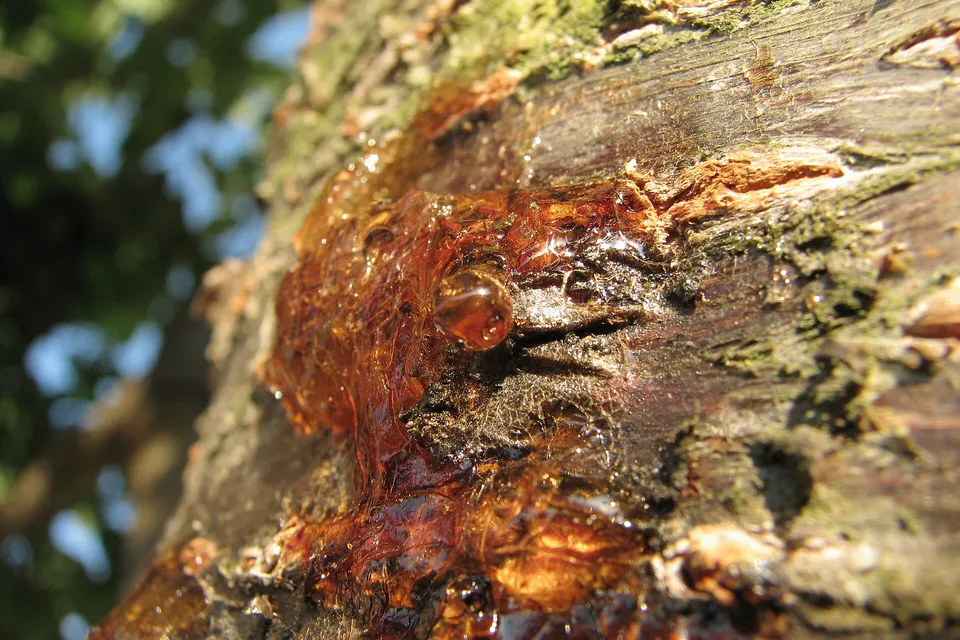
- Wash the area first so you're not grinding dirt into the paint.
- Soften the sap with warm, soapy water or a dedicated bug-and-tar remover.
- For stubborn spots, dab with isopropyl alcohol on a microfiber cloth for a few seconds, then wipe gently.
- Rinse and dry the area.
- Polish and wax to restore protection.
Parking under a tree feels smart on a hot day until you come back to sticky drops all over the hood, roof and windshield. Tree sap isn't just annoying: left in the sun, it hardens, bonds to the clear coat and can etch or stain the paint. The key is to act soon and use gentle methods that dissolve the sap rather than scraping it off.
This guide covers what works on fresh and hardened sap, what to avoid, how to deal with sap on glass, how to fix marks it leaves behind and how to protect your car in the future.
Why is tree sap bad for paint?
Sap is sticky, acidic and hardens as it dries. In heat it bakes onto the surface and can soften or etch the clear coat, leaving dull spots. Sap also traps dust and dirt, which scratches the paint when you rub it. The longer it stays, the harder it is to remove.
How do you remove fresh sap?
- Rinse the area to remove loose dirt.
- Wash with warm water and car wash soap.
- Let a soapy microfiber sit on the spot for a minute to soften it.
- Wipe gently in one direction.
- Rinse and dry.
Most fresh sap comes off this way. See how to wash a car at home.
How do you remove hardened sap?
| Method | How to use | Notes |
|---|---|---|
| Bug-and-tar remover | Spray, wait, wipe | Made for automotive paint |
| Isopropyl alcohol | Dab on a cloth, hold a few seconds, wipe | Use sparingly, then wash and wax |
| Clay bar | With lubricant, glide over the area | Removes bonded residue |
| Hand sanitizer (alcohol gel) | Small amount, short contact | Quick fix in a pinch |
| Warm water soak | Hot (not boiling) wet cloth for a few minutes | Softens hardened drops |
Test any product on a hidden spot first, and wash and wax the area afterward.
What should you avoid?
- Scraping with fingernails, razor blades or knives.
- Paint thinner, acetone or harsh solvents.
- Scrubbing hard with a dry cloth.
- Letting sap bake in the sun for days.
- Abrasive household cleaners.
How do you remove sap from the windshield?
Glass is tougher than paint. Use isopropyl alcohol or glass cleaner on a microfiber cloth, and a plastic scraper or razor blade held flat on glass only, never on paint or trim. Clean the wiper blades too, or they'll smear sap across the windshield.
What if sap left a mark?
Sometimes sap etches a dull spot or a faint ring into the clear coat. Light marks often polish out with a fine automotive polish. For very fine surface scratches and scuffs in the clear coat, a scratch remover cloth can help. The NanoPolix Scratch Remover Cloth is designed for surface-level marks in the clear coat; deeper damage that reaches the primer or metal needs paint repair. In October 2026 a 2-pack cost $34.96. Read our NanoPolix review (4.3/5) and does scratch remover work?
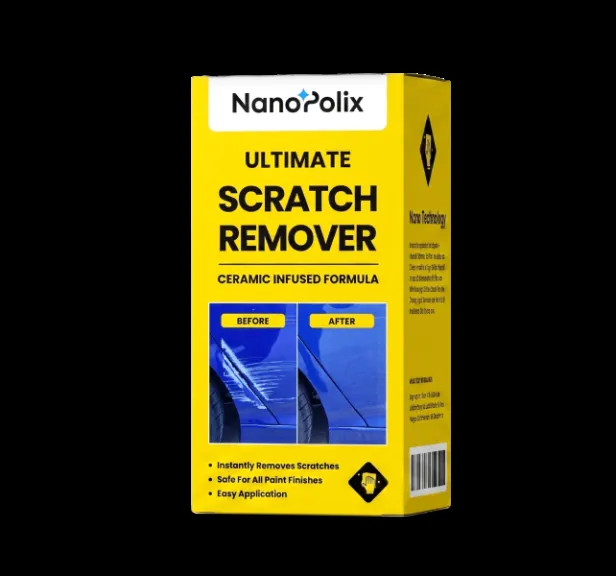
For light surface marks in the clear coat
Scratch remover cloth for surface-level scuffs and marks in the clear coat. From $12.23 each in larger bundles.
Check today's price →2 for $34.96 (buy 1, get 1 free)
Why should you wax afterward?
Solvents and alcohol strip wax and sealant from the paint. A fresh coat of wax or spray sealant restores protection and makes the next sap drop much easier to wipe off. Waxed paint is also easier to dry. See how to dry a car after washing.
How do you prevent sap damage?
- Avoid parking under trees, especially pines and maples in spring and summer.
- Keep the car waxed or sealed.
- Use a car cover if you must park under trees.
- Remove sap quickly, ideally the same day.
- Rinse the car regularly to remove pollen and residue.
What about bird droppings and bugs?
They're just as harmful to paint and should also be removed quickly with gentle methods. See how to remove bird droppings from a car and how to remove water spots.
Does sap matter in winter?
Less sap falls in winter, but road salt and grime create their own problems. Keep the car washed and protected through the cold months. See car paint care in winter.
How do you buy car care products safely online?
Buy from official stores or reputable retailers, read return policies and keep your receipts. The FTC's online shopping tips are a good checklist.
Which trees cause the most sap problems?
Pines, spruces, firs and maples are the most common culprits. Conifers drip sticky resin year-round, especially in warm weather, while maples can drip sap in late winter and spring. Linden and some fruit trees also drop sticky honeydew, which is actually a sugary residue from insects like aphids; it behaves like sap and is removed the same way. If you must park under these trees, a car cover or regular rinses make a big difference.
What if sap gets inside the car?
Sap on seats or carpets usually comes from clothes, pets or firewood. Freeze small blobs with an ice cube in a bag so they harden, then gently scrape them off with a plastic card. Treat the remaining residue with a small amount of rubbing alcohol on a cloth, testing on a hidden spot first, then clean the area with upholstery cleaner. On leather, use a leather-safe cleaner instead of alcohol.
How do you remove sap from plastic trim and rubber seals?
Use the same gentle approach: soften with warm, soapy water or a bug-and-tar remover, wait, then wipe. Avoid strong solvents on rubber seals, which can dry them out. A soft detailing brush helps get sap out of textured trim. Finish with a trim protectant.
How long can sap stay on a car before it causes damage?
In hot sun, sap can start to bond and dull the clear coat within days. In cool, cloudy weather it takes longer, but it gets harder to remove each day. The safest habit is to remove it the same day or as soon as you notice it, before a heat wave bakes it on.
When should you see a detailer?
If a large area is covered in hardened sap, or you see etching that doesn't polish out, a professional detailer can use clay, polish and machine correction safely. They can also apply a sealant or coating to make future sap easier to remove.
What's a simple routine for cars parked under trees?
Rinse the car once or twice a week in sap season, check the roof and hood after warm days, keep a bottle of quick detailer and microfiber cloths in the trunk, and re-wax every month or two. A few minutes of care prevents hours of correction later.
Is a car cover worth it?
For cars parked outdoors under trees, a breathable, well-fitting cover blocks sap, bird droppings and pollen. Make sure the car is clean before covering it, since dust trapped under a flapping cover can scratch paint. Covers are less practical for daily drivers but great for second cars and long-term parking.
What's the fastest fix when you're in a hurry?
If you only have a minute, spray quick detailer on the sap, lay a microfiber on it for 30 seconds and lift gently. Do a proper wash and wax when you have time. Hand sanitizer on a cloth works in an emergency but should be followed by a wash.
Does the same method work on boats and RVs?
Yes. Gelcoat and RV paint react to sap much like car paint, so soften, lift gently, wash and protect with a marine or RV wax.
How do you clean sap off wiper blades?
Wipe the rubber blades with isopropyl alcohol on a cloth until they come away clean. Sticky blades smear sap across the glass and wear out faster, so replace blades that stay streaky after cleaning.
How is sap different from pollen and honeydew?
Pollen is a dry powder that rinses off easily. Honeydew is a sticky, sugary residue from insects on trees; it feels like sap and responds to the same soapy-water and detailer methods. True sap and resin from conifers are thicker and stickier, and usually need a dedicated remover or alcohol.
Is it safe on tinted windows?
Factory tint is inside the glass and safe with normal glass cleaners. Aftermarket film is on the inside surface, so sap on the outside is fine to clean as usual; avoid razor blades on any film.
Does this work on bikes and motorcycle paint?
Yes, with the same gentle steps. Test alcohol on a hidden area first, then wax.
The bottom line
Remove tree sap soon, wash first, soften it with soapy water or a bug-and-tar remover, and use isopropyl alcohol sparingly for stubborn drops. Never scrape the paint, and wax afterward. If a faint surface mark remains in the clear coat, a fine polish or a scratch remover cloth can help.
Our pick for surface marks: check today's NanoPolix price on the official site.
Sources
- Federal Trade Commission. Online Shopping.
- U.S. Environmental Protection Agency. WaterSense: How We Use Water.
Frequently asked questions
What removes tree sap from car paint?
Warm soapy water for fresh sap; a bug-and-tar remover or a little isopropyl alcohol for hardened sap.
Is it safe to use rubbing alcohol on car paint?
In small amounts and short contact, then wash and wax the area.
Can tree sap damage car paint?
Yes. Left in the sun it can etch or stain the clear coat.
Should you scrape tree sap off?
Never on paint. A plastic scraper or blade held flat is OK on glass only.
What if sap leaves a mark?
Light marks often polish out. A scratch remover cloth can help with surface-level marks in the clear coat.
How do you prevent sap on your car?
Avoid parking under trees, keep the car waxed and remove sap quickly.

Tim Humbert
Tim looks into the viral gadgets that show up in your feed, from mini leaf blowers to chain sharpeners and car care cloths. He reads the product pages, checkout and return policies, and buyer feedback so you know what a gadget really does before you spend money on it. His reviews are built on manufacturer information, official checkout and return policies, trusted safety sources and buyer feedback, and are updated when offers change. More about Tim.