- Soak it: lay a wet microfiber cloth (or quick detailer spray) on the dropping for a few minutes to soften it.
- Lift, don't wipe: gently pinch and lift the softened mess away.
- Clean the spot with car wash soap or detailer spray.
- Rinse and dry.
- Check for etching and polish or treat light marks.
- Re-wax the area.
Bird droppings are one of the fastest ways to damage car paint. They're acidic, often contain sand and seeds, and in the sun they bake onto the clear coat. Within days, they can leave a dull, etched spot that won't wash out. The good news is that quick, gentle cleaning almost always prevents damage.
This guide explains why droppings harm paint, how to remove fresh and dried droppings safely, what to keep in the car for emergencies, how to fix etching and how to protect your paint.
Why are bird droppings so bad for paint?
- Acidity: they can etch the clear coat, especially in heat.
- Grit: seeds and sand act like sandpaper if you wipe.
- Heat: the sun bakes them on and speeds up etching.
- Expansion and contraction: as paint heats and cools, droppings can leave a mark in the surface.
How do you remove fresh droppings?
- Spray with quick detailer or water.
- Lay a soft, wet microfiber over the spot for a minute or two.
- Gently lift the mess away with the cloth, folding it so you don't drag grit.
- Spray again and wipe lightly with a clean side.
- Dry with a fresh microfiber.
How do you remove dried droppings?
Soak longer. Place a cloth soaked in warm water or detailer spray on the dropping and leave it for five to ten minutes, re-wetting if needed. The dropping should soften so it lifts away without scrubbing. Repeat rather than rub harder. Finish with a proper wash. See how to wash a car at home.
What should you keep in the car?
- A small bottle of quick detailer or water.
- Two or three clean microfiber cloths in a zip bag.
- A few unscented baby wipes for emergencies (use gently, then wash later).
What should you avoid?
- Wiping dry droppings with a tissue or paper towel.
- Using household cleaners, vinegar or dish soap repeatedly on paint.
- Scraping with fingernails or anything hard.
- Leaving it until the weekend wash.
- Pressure washing too close to the paint.
How do you fix etching?
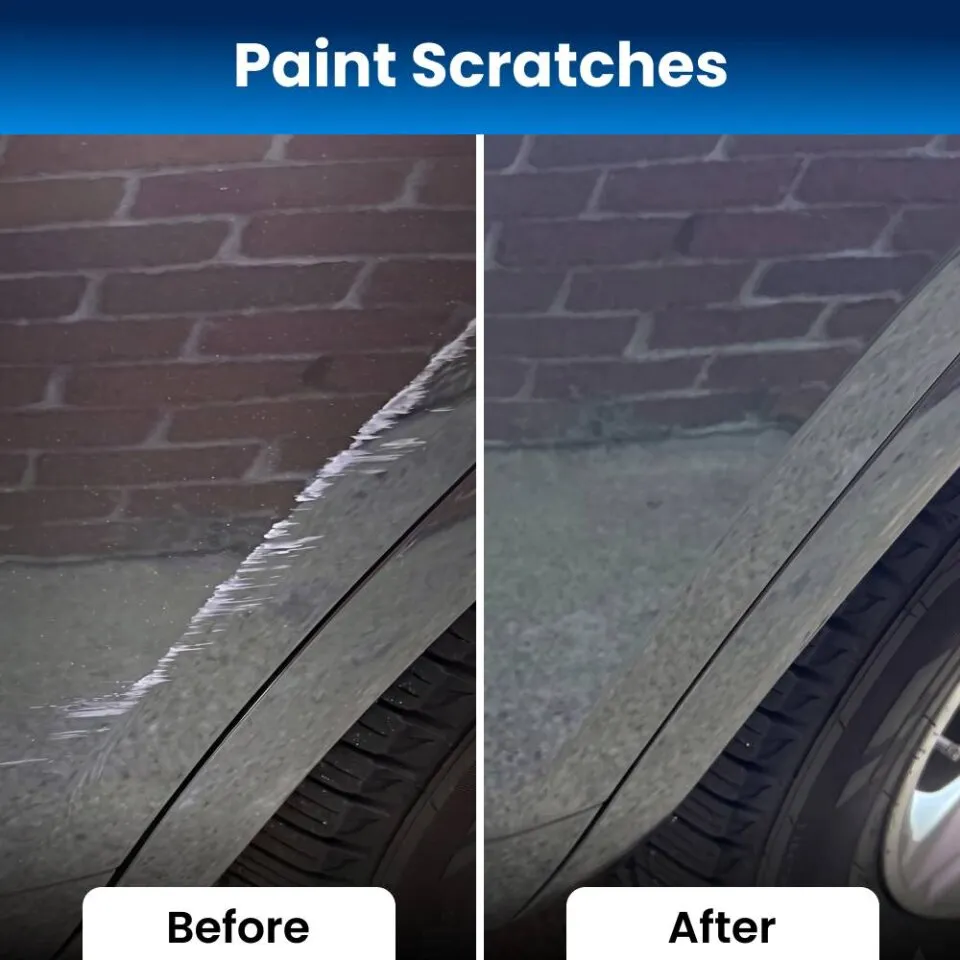
If you see a dull spot or a faint outline after cleaning, the clear coat is lightly etched. Mild etching often improves with a fine automotive polish applied by hand or with a dual-action polisher, followed by wax. For fine surface scuffs and marks in the clear coat, the NanoPolix Scratch Remover Cloth is designed for surface-level marks; damage that reaches the primer or metal needs paint repair. In October 2026 a 2-pack cost $34.96. Read our NanoPolix review (4.3/5) and does scratch remover work?
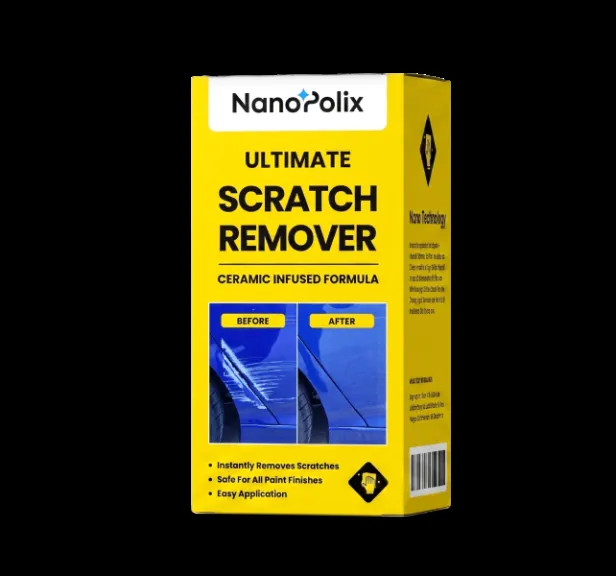
Treat light surface marks by hand
Scratch remover cloth for surface-level scuffs and marks in the clear coat. From $12.23 each in larger bundles.
Check today's price →2 for $34.96 (buy 1, get 1 free)
How do you protect the paint?
- Keep the car waxed, sealed or ceramic coated; it creates a barrier against acids.
- Park away from trees, wires and lamp posts where birds perch.
- Use a car cover if you park outdoors for long periods.
- Wash the car regularly and dry it carefully. See how to dry a car after washing.
What about the windshield?
On glass, soak and lift the dropping the same way, then clean with glass cleaner. Don't use your wipers on dried droppings; they'll smear grit across the glass and can scratch it.
Which other contaminants need quick action?
Tree sap, bug splatter and road tar are also best removed quickly. See how to remove tree sap from a car and how to remove swirl marks.
Does it matter for leased or rental cars?
Yes. Paint damage from etching can be charged at the end of a lease. Cleaning droppings quickly and treating light marks keeps the car in better condition. The FTC has a guide on financing or leasing a car that explains end-of-lease charges.
Is it worse at certain times of year?
Spring and summer bring more birds, more heat and faster etching. In fall and winter, droppings dry slower but road salt and grime add their own risk. See car paint care in winter.
How fast can bird droppings etch paint?
On a hot, sunny day, droppings can begin to dull the clear coat within hours, and visible etching can appear in a day or two. In cooler weather it takes longer, but the damage still builds the longer droppings sit. That's why detailers treat droppings as an urgent job: the sooner you soften and lift them, the less likely you'll need polish to fix the spot.
Does paint color matter?
Dark paint shows etching and water spots more clearly, while light colors can show stains from berries birds have eaten. Both are damaged the same way, but darker cars often need more careful polishing to hide marks. Keeping either color waxed or sealed makes cleanup easier.
Which protection works best?
Carnauba wax gives a warm shine and some protection but wears off in weeks. Synthetic sealants last a few months and resist acidic contaminants better. Ceramic coatings last much longer and make droppings easier to remove, though they're more expensive and best applied by a professional or with careful preparation. Even a spray sealant after each wash adds a useful layer.
Do household hacks work?
Club soda and baby wipes can help in an emergency, but use them gently and wash the area properly afterward. Avoid vinegar, dish soap used repeatedly, glass cleaner and kitchen sprays on paint, which can strip wax or leave residue. A small bottle of quick detailer is the best emergency tool.
How can parking habits help?
Birds perch on trees, power lines, light poles and building edges. Parking away from them, or under a covered spot, cuts droppings dramatically. At home, a carport or garage is ideal; at work, a few extra steps from the nearest tree can save your paint.
When should you get professional paint correction?
If etching remains after polishing by hand, or you have many marks across the car, a detailer can machine-polish the clear coat to remove or reduce them and then apply long-term protection. It's worth it before selling a car or at the end of a lease.
What about convertible tops and fabric?
On soft tops, let droppings dry slightly, brush off loose material, then clean with a fabric-top cleaner and a soft brush. Don't scrub wet droppings into the fabric. Rinse well and let it air dry.
Is matte paint different?
Yes. Matte and satin finishes can't be polished like gloss paint, so etching is harder to fix. Remove droppings immediately with a matte-safe detailer, and never use wax or polish meant for gloss finishes.
How often should you wash a car that's parked outdoors?
Every one to two weeks is a good rhythm for cars parked outside, plus spot-cleaning droppings and sap as soon as you see them. A regular wash removes the grit and contaminants that make every mess harder to remove. See how to wash a car at home.
Which microfiber towels work best?
Use soft, plush towels with no tags or rough edges, and keep separate towels for paint, glass and wheels. Wash them without fabric softener, which reduces absorbency. Toss a towel that's been dropped on the ground; it can pick up grit that scratches paint.
What about droppings on the sunroof or roof rails?
Glass sunroofs clean like windshields, but avoid letting water and residue run into the seals. Roof rails and racks have joints where droppings hide; soften them, then use a soft detailing brush and rinse. Taller vehicles make the roof easy to forget, so check it every time you wash.
What's in a good trunk detailing kit?
- Quick detailer spray.
- Three or four clean microfiber towels in a zip bag.
- A small soft brush for emblems and trim.
- A scratch remover cloth for light surface marks.
- A pair of gloves.
It fits in a small bag and handles droppings, sap and bug splatter wherever you park.
Which season is worst?
Spring and summer combine more birds, berry diets and heat, so etching happens fastest. Migration seasons can bring sudden mess in parking lots. In winter, droppings dry slower but road salt adds its own damage, so keep washing regularly.
Can you use a pressure washer on droppings?
Only after softening, at a safe distance and with a wide tip. A strong hose nozzle rinse is usually enough and gentler on paint.
Is a quick rinse enough?
A rinse helps, but dried droppings usually need a short soak to lift fully. Always check the spot afterward.
The bottom line
Treat bird droppings as an emergency for your paint: soak, lift gently, clean and dry, then wax. Never scrub dry droppings. If a light mark remains in the clear coat, polish it or use a scratch remover cloth designed for surface-level marks.
Our pick: check today's NanoPolix price on the official site.
Sources
- Federal Trade Commission. Financing or Leasing a Car.
- Federal Trade Commission. Online Shopping.
Frequently asked questions
How do you remove bird poop from a car without scratching it?
Soak it with a wet microfiber or detailer spray, then lift it away gently instead of wiping.
How long can bird droppings stay on a car?
Remove them as soon as possible; heat speeds up etching within hours or days.
Can bird droppings damage car paint?
Yes. They're acidic and can etch the clear coat.
How do you fix bird dropping etching?
Light etching often improves with a fine polish. A scratch remover cloth can help surface-level marks.
What should I keep in my car for bird droppings?
Quick detailer spray or water and a few clean microfiber cloths.
Does wax protect against bird droppings?
Yes. Wax or sealant adds a protective barrier.

Tim Humbert
Tim looks into the viral gadgets that show up in your feed, from mini leaf blowers to chain sharpeners and car care cloths. He reads the product pages, checkout and return policies, and buyer feedback so you know what a gadget really does before you spend money on it. His reviews are built on manufacturer information, official checkout and return policies, trusted safety sources and buyer feedback, and are updated when offers change. More about Tim.