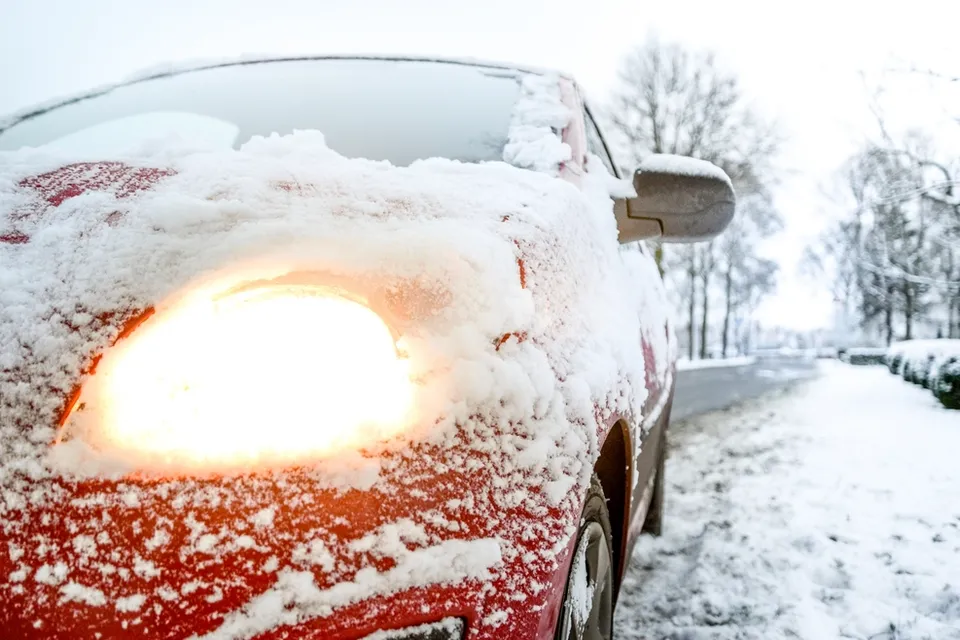
- Before winter: wash, fix light scratches and scuffs, and apply wax or sealant.
- During winter: wash every week or two on milder days, including the undercarriage and lower panels, to remove road salt.
- Remove snow gently with a soft brush or blower, never with a metal shovel or hard scraper on paint.
- Dry the car after washing, including door seals and locks.
- Touch up chips promptly so moisture doesn't reach the metal.
Winter is the hardest season on a car's finish. Road salt and brine cling to the paint and undercarriage, slush splashes grime onto every lower panel, people scrape snow off with whatever is handy, and the car rarely gets washed because it's too cold. By spring, many cars have dull paint, new scratches and, on older vehicles, the first spots of rust.
A little preparation in the fall and a simple winter routine go a long way. This guide covers how to prep your paint before winter, how to wash in cold weather, how to remove snow and ice without scratching, how to deal with salt and chips, and what to do in spring.
Why is winter so hard on car paint?
- Road salt and brine are corrosive and can speed up rust where paint is chipped.
- Slush and grit act like sandpaper when wiped off dry.
- Snow and ice removal with the wrong tools scratches the clear coat.
- Freeze-thaw cycles can widen chips and cracks.
- Fewer washes mean grime sits on the paint for weeks.
Maaco explains how paint layers protect the metal and why damage that goes through them should be fixed quickly.
How do you prepare your paint before winter?
- Wash the car thoroughly, including wheels, wheel wells and the undercarriage.
- Decontaminate if the paint feels rough: a clay bar removes bonded grime.
- Fix light scratches, scuffs and water spots in the clear coat.
- Touch up chips with color-matched paint, especially on the hood and lower panels.
- Apply protection: a paint sealant or wax, or a ceramic coating for longer protection.
- Treat rubber seals with a protectant so doors don't freeze shut.
- Protect the glass with a water-repellent treatment.
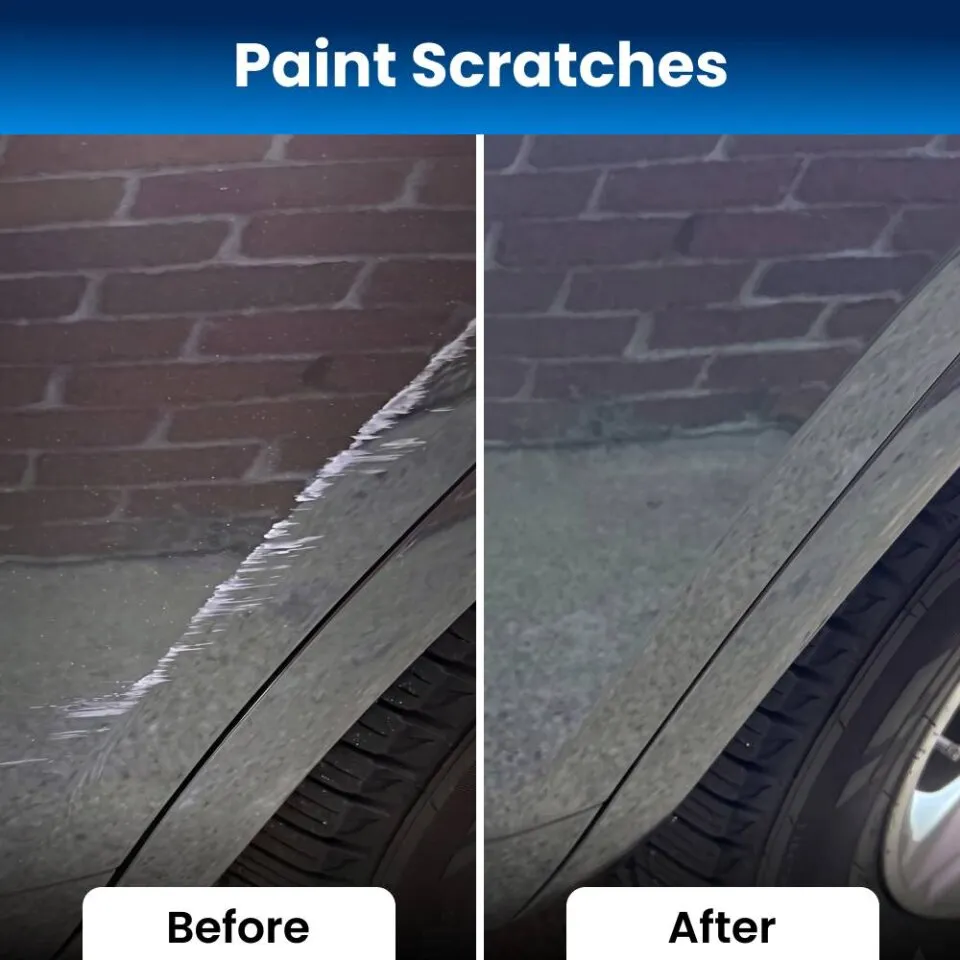
Why fix light scratches before winter?
Scratches that cut into the clear coat collect dirt and salt and are harder to protect with wax. Cleaning them up first gives you an even surface to seal. NanoPolix is a reusable nano scratch remover cloth designed for light paint scratches, scuffs, water spots and oxidation. You rub it in small circles over the mark, check, repeat if needed and buff with a clean microfiber towel.
It works on surface-level damage in the clear coat; scratches down to primer or metal need touch-up paint before winter, so moisture can't reach the metal. It's sold at 2 for $34.96 (buy 1, get 1 free), with larger bundles down to about $12.23 each. The brand reports high customer ratings; those are the brand's own figures. Read our NanoPolix review (4.3/5) and how to remove scratches from a car.
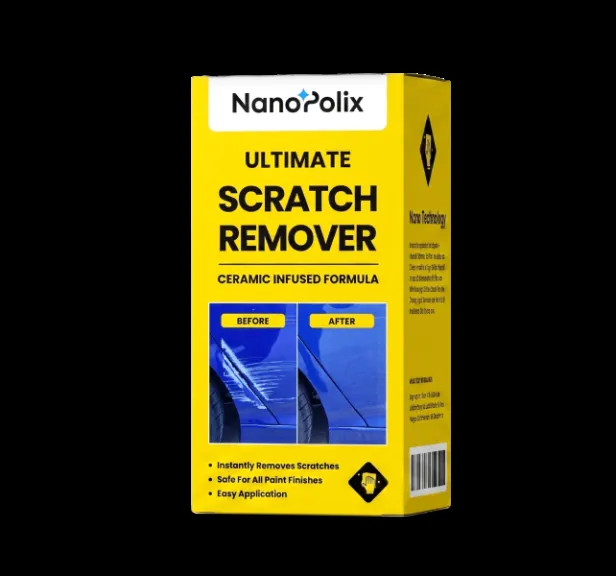
Clean up light scratches before winter
NanoPolix scratch remover cloth for light scratches, scuffs, water spots and oxidation in the clear coat. Rub in small circles, buff, done. 2 for $34.96.
Check today's price →2 for $34.96 (buy 1, get 1 free)
How often should you wash your car in winter?
Every week or two, more often after storms when roads are heavily salted. Aim for days above freezing, ideally in the middle of the day, so the car can dry. Focus on:
- The undercarriage and wheel wells, where salt collects.
- Lower panels and rocker panels, which get the most slush.
- Wheels and brake areas.
- The front bumper and hood, which catch spray.
If it's too cold to wash at home, a touchless car wash with an undercarriage rinse is a good option. See how to wash a car at home.
How do you wash a car safely in cold weather?
- Wash in a garage or on a mild, sunny day.
- Use lukewarm water, never hot water on a frozen car or windshield.
- Rinse first to remove loose salt and grit before touching the paint.
- Use car wash soap and a clean mitt, rinsing it often.
- Dry immediately, including door jambs, seals and locks.
- Open and close doors and the trunk a few times so seals don't freeze.
A blower is handy for pushing water out of mirrors, emblems and door handles before it freezes. See how to dry a car after washing.
How do you remove snow without scratching the paint?
- Use a soft-bristle snow brush or a foam snow broom, never a metal shovel.
- Push snow off, don't drag grit across the paint.
- Blow off light, fluffy snow with a cordless blower, keeping clear of wipers.
- Use plastic ice scrapers only on glass, never on paint.
- Leave a thin layer on the paint if it's packed; it'll melt when you drive.
- Clear the roof for safety, gently.
See how to clear snow off a car.
What about ice on the car?
Start the car and use the defroster, then gently scrape the windows. Never pour hot water on frozen glass, which can crack it. For frozen doors, push firmly on the door to break the ice seal before pulling the handle, or use a de-icer on the lock. Treating seals with a rubber protectant before winter prevents most frozen doors.
How do you deal with road salt?
Salt is the main enemy. Rinse it off often, especially from the undercarriage. Keep the paint sealed so salt can't bond as easily. Wipe salt film off the lower panels with a wet microfiber cloth rather than a dry one, which can scratch. Inside, use rubber floor mats to catch salty slush. The NHTSA also recommends keeping your car winter-ready for safety: tires, battery, wipers and lights.
Why do chips matter more in winter?
Rock chips on the hood and lower panels break through the paint and expose the primer or metal. Salt and moisture get in, and rust can start. Clean and touch up chips with color-matched paint as soon as you notice them. Your paint code is usually on a sticker in the driver's door jamb.
Is a garage always better?
A garage protects the car from snow and ice, but a heated garage can speed up corrosion by melting salty slush on the car and keeping it wet. If you have a heated garage, rinse the car often. In an unheated garage, the salt stays frozen and is less active until you wash it.
What should you do in spring?
- Give the car a thorough wash, including the undercarriage.
- Check for new scratches, scuffs and chips.
- Fix light scratches and water spots. See how to remove water spots.
- Touch up chips.
- Reapply wax or sealant.
What does a winter paint-care checklist look like?
- Fall: wash, clay, fix scratches, touch up chips, seal or wax.
- Treat seals and glass.
- Winter: wash every one to two weeks, focusing on salt.
- Remove snow with soft tools only.
- Dry after washing, including seals.
- Spring: deep clean, inspect, repair and reseal.
See also our winter car checklist and how to fix a scuffed bumper.
Should you use a car cover in winter?
A breathable, well-fitted car cover can protect a car that's parked outside and rarely driven from snow, ice and tree debris. But for a car you drive every day, a cover is a hassle in snowy weather and can trap moisture or scratch the paint if put on over dirty paint or blown around by wind. For daily drivers, good paint protection and regular washing usually work better than a cover. If you use one, always put it on a clean, dry car.
Don't forget the interior
Salt and slush on boots end up on the carpet, where they leave white stains and can soak into the padding. Use rubber or all-weather floor mats, knock snow off your boots before getting in, and vacuum and wipe the mats regularly. Clean salt stains on carpet with a mix of warm water and a little white vinegar, blotting rather than scrubbing.
How do you protect wheels in winter?
Wheels catch more salt and brake dust than any other part of the car, and alloy wheels can pit and corrode if salt sits on them. Clean them every time you wash the car, using a wheel cleaner safe for your wheel finish and a soft brush that reaches between the spokes. Rinse the inside of the wheel barrel too. A wheel sealant before winter makes them much easier to rinse clean. If you swap to winter tires on separate rims, clean and dry your summer wheels before storing them.
What about headlights and trim?
Salt film and grime on headlights reduce visibility on dark winter roads, so wipe them clean whenever you fill up with gas. Plastic and rubber trim can fade and stain from salt; clean it with a dedicated trim cleaner and apply a protectant before winter. Black plastic around the wheel arches and lower bumpers benefits from a quick wipe with a wet cloth after salty drives.
The bottom line
Protect your car's paint through winter by fixing light scratches and sealing the paint in the fall, washing every week or two to remove road salt, removing snow only with soft tools, drying the car after washing and touching up chips quickly. A little care now means a much better-looking car in spring.
For fixing light scratches before you seal the paint, our pick is NanoPolix. Check today's NanoPolix price.
Sources
- Maaco. Car Scratch Repair Guide.
- National Highway Traffic Safety Administration. Winter Driving Tips.
- Official NanoPolix product page, checked October 2026.
Frequently asked questions
How do I protect my car paint in winter?
Wash, fix light scratches, touch up chips and apply wax or sealant in the fall, then wash every week or two in winter to remove road salt.
How often should you wash your car in winter?
Every week or two, more often after storms, on days above freezing, focusing on the undercarriage, wheel wells and lower panels.
Does road salt damage car paint?
Salt is corrosive and can speed up rust where paint is chipped. Regular rinsing and paint protection reduce the risk.
How do you remove snow from a car without scratching it?
Use a soft-bristle brush or foam snow broom, push snow off rather than dragging, and use plastic scrapers only on glass.
Should I wax my car before winter?
Yes. Wax or sealant helps salt and grime rinse off more easily. Apply it to clean, scratch-free paint.
Can NanoPolix fix scratches before winter?
It's designed for light scratches, scuffs, water spots and oxidation in the clear coat. Deeper scratches need touch-up paint.

Tim Humbert
Tim looks into the viral gadgets that show up in your feed, from mini leaf blowers to chain sharpeners and car care cloths. He reads the product pages, checkout and return policies, and buyer feedback so you know what a gadget really does before you spend money on it. His reviews are built on manufacturer information, official checkout and return policies, trusted safety sources and buyer feedback, and are updated when offers change. More about Tim.