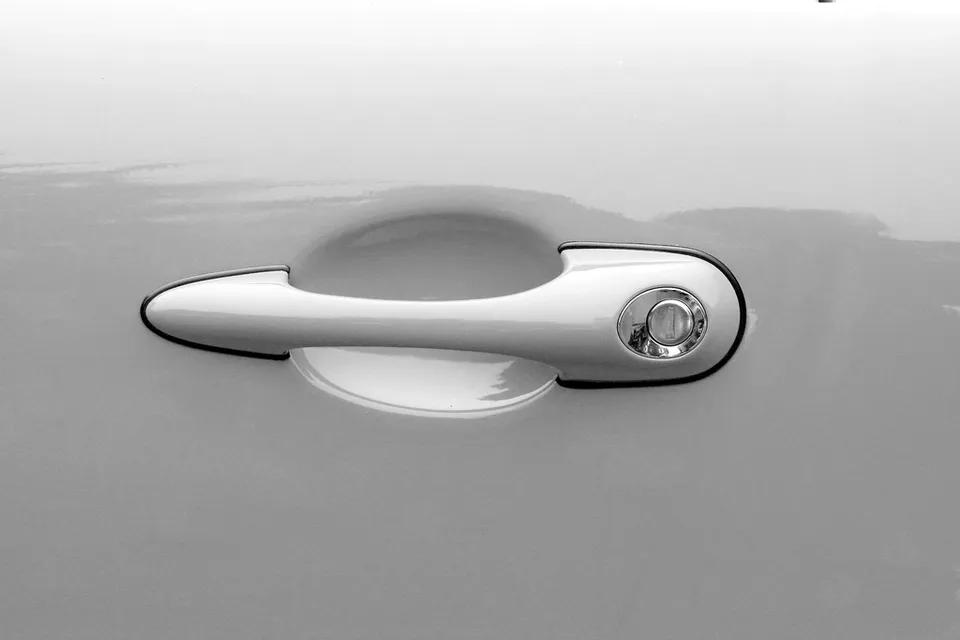
- Wash and dry the area so you don't rub dirt into the paint.
- Check the depth: run a fingernail across a scratch. If it doesn't catch, it's likely in the clear coat.
- Polish light scratches by hand with a scratch remover or polishing compound on a microfiber cloth, using small circles and light pressure.
- Wipe off residue and check in daylight; repeat if needed.
- Protect it with wax or sealant, or a clear protective film for the door cup.
Look closely at almost any car and you'll find a cluster of fine scratches right behind the door handles. They come from fingernails, rings, keys and bracelets every time someone opens the door. Because the area is curved and slightly recessed, the scratches catch the light and make an otherwise clean car look worn. The good news is that most door cup scratches are shallow and sit in the clear coat, which means they can often be polished out at home in minutes. This guide explains why these scratches happen, how to tell how deep they are, how to remove light scratches step by step, what to do with deeper ones, how to treat plastic and chrome handles and how to stop new scratches from forming.
In this guide:
- why door handle scratches happen
- how to check scratch depth
- removing light scratches step by step
- deeper scratches and touch-up paint
- plastic, chrome and textured handles
- preventing new scratches
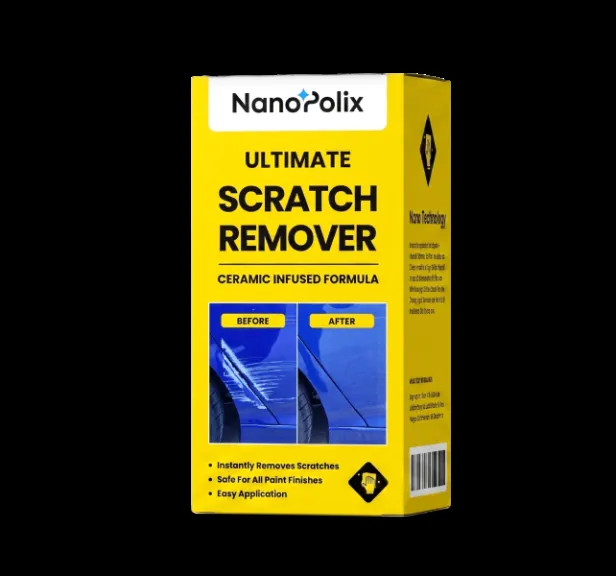
Our pick: the NanoPolix Scratch Remover Cloth
Reusable nano cloth for light paint scratches, scuffs, water spots and oxidation. Rub in small circles, buff, done.
Check today's price →2 for $34.96 (buy 1, get 1 free)
Why do scratches form behind car door handles?
- Fingernails brush the paint every time the door opens.
- Rings, bracelets and watches scrape the curved surface.
- Keys held in the same hand that opens the door.
- Gloves with grit in winter.
- Frequent use: the driver's door gets the most wear, which is why it often looks worse.
Most of these marks are in the topmost layer, the clear coat, which protects the color underneath. Maaco explains the different paint layers and why depth matters in its car scratch repair guide.
How do you check how deep the scratches are?
| Test | What it means | Fix |
|---|---|---|
| Fingernail doesn't catch; scratch disappears when wet | Clear coat only | Polish by hand |
| Fingernail catches slightly | Deeper in the clear coat or into the color | Polish may lighten it; touch-up may be needed |
| You see white, gray or bare metal | Through to primer or metal | Touch-up paint or body shop |
A good trick: wet the area with water. If the scratches seem to disappear while wet, they're usually shallow enough to polish.
How do you remove light scratches step by step?
- Work in the shade on cool paint, not in direct sun.
- Wash the door cup with car shampoo and water, then dry it with a clean microfiber towel.
- Tape off the handle and any trim with painter's tape if you want to protect them.
- Apply a small amount of scratch remover or polishing compound to a microfiber applicator, or use a scratch remover cloth.
- Rub in small, overlapping circles with light to moderate pressure for 30 to 60 seconds.
- Wipe off residue with a clean microfiber cloth and check the result in daylight.
- Repeat two or three times if needed, but don't overdo it on one spot.
- Finish with wax or sealant to protect the polished area.
Our pick: the NanoPolix Scratch Remover Cloth
Reusable nano cloth for light paint scratches, scuffs, water spots and oxidation. Rub in small circles, buff, done.
Check today's price →2 for $34.96 (buy 1, get 1 free)
Which products work best?
- Scratch remover cloths: pre-treated cloths that polish light scratches and scuffs; easy for small areas like door cups.
- Polishing compound with a microfiber applicator: a little more effort, very effective on clear coat swirls.
- Dual-action polisher: great for whole panels, but a small foam pad and care are needed in tight door cups.
- Microfiber towels: soft and lint-free; avoid paper towels and old rags.
Avoid toothpaste "hacks" and household abrasives, which can leave haze and fine scratches of their own. More on what works: does scratch remover work?
What do you do about deeper scratches?
If a scratch reaches the primer or metal, polishing won't remove it. Options include:
- Touch-up paint matched to your car's paint code (usually on a sticker in the door jamb).
- A touch-up pen for thin lines, followed by clear coat.
- A body shop or mobile repair service for larger or very visible areas.
Fix deep scratches soon, before moisture reaches the metal and rust starts. Costs are covered in car scratch repair cost.
What about plastic, chrome and textured handles?
- Painted plastic handles: treat them like paint, with gentle polishing.
- Chrome handles: use a chrome polish and a soft cloth; avoid abrasive compounds that can haze chrome.
- Black textured plastic: scratches can't be polished out; a plastic restorer or a heat gun used very carefully by a professional can sometimes reduce marks.
- Piano black trim: very soft and scratches easily; use the gentlest polish and minimal pressure.
How do you prevent new door cup scratches?
- Apply door cup protection film: clear, self-adhesive guards cut to fit the area behind the handle. They're inexpensive and nearly invisible.
- Wax or seal the paint regularly; a slick surface resists light marks.
- Mind rings and keys: open the door with the hand that isn't holding keys.
- Keep nails trimmed, or pull the handle with your fingertips flat.
- Wash the area often, so grit doesn't sit there.
Where else do similar scratches appear?
- around the trunk handle and keyhole
- on the top of the rear bumper where people load bags
- around the fuel door
- on door edges in tight garages
The same polishing method works on light scratches there too. See how to fix a scuffed car bumper and key scratches on a car.
Is it OK to polish in winter?
Yes, but do it in a garage above about 50°F (10°C) if possible, so products work properly. Wash off road salt first. Winter is also when scraping, gloves and grit add new marks, so it's a good time to add protection film. More cold-weather tips in car paint care in winter.
Where does NanoPolix fit in?
For small, shallow scratches like those behind door handles, a scratch remover cloth is often the quickest tool. NanoPolix is a reusable nano cloth for light paint scratches, scuffs, water spots and oxidation. You rub in small circles, buff and check the result. It works on superficial scratches in the clear coat; scratches that reach the primer or metal need paint. The brand's own figures put its rating at 4.7 from more than 1,000 reviews. Read our NanoPolix review.
What mistakes should you avoid?
- polishing a dirty surface
- working in direct sun on hot paint
- pressing too hard or polishing one spot for too long
- using kitchen abrasives or toothpaste
- trying to polish scratches that reach the primer
- skipping wax or sealant afterward
How often should you care for the door cups?
A light polish once or twice a year, a coat of wax or sealant every few months and a quick wipe during each car wash keep door cups looking fresh. If you clean them every time you wash the car, grit never has a chance to build up. The Car Care Council has more car maintenance tips to protect your car's value, and regular washing is one of the simplest. For a full wash routine, see how to wash a car at home and how to remove swirl marks.
Does it matter if your car is leased?
Yes. At lease return, inspectors often note scratches and scuffs, and many lease guides treat light door cup marks as normal wear while deeper scratches may be charged. Polishing light marks and fixing deeper ones before the inspection can save money. See car scratch repair cost for typical prices.
How do you protect handles in a family car?
Rear doors used by kids collect scratches fast. Door cup film is the easiest fix, and teaching kids to pull the handle with flat fingers helps too. Keep a scratch remover cloth in the glovebox for quick touch-ups after a wash.
How do you apply door cup protection film?
- Clean the door cup with car shampoo, then wipe it with rubbing alcohol so the surface is free of wax and oils.
- Spray a little soapy water on the area if the film is a wet-application type.
- Peel the backing and position the film behind the handle.
- Squeegee out water and bubbles from the center toward the edges with a soft card.
- Let it cure for a day before washing the car.
Pre-cut kits for many car models make this a ten-minute job, and the film can be removed later without damaging the paint.
How much does it cost to fix door cup scratches?
Doing it yourself costs only the price of a scratch remover or polish and a microfiber towel. A detailer may charge a small fee to polish door cups during a wash, while deep scratches that need paint cost more at a body shop. Light marks are almost always worth fixing at home first.
The bottom line
To remove scratches from car door handles:
- wash and dry the door cup first
- check depth with your fingernail and the water test
- polish light clear coat scratches in small circles with a scratch remover
- use touch-up paint for scratches through to primer or metal
- protect the area with wax, sealant or a door cup film
NanoPolix is a reusable cloth for light scratches and scuffs in the clear coat, 2 for $34.96.
Our pick: the NanoPolix Scratch Remover Cloth
Reusable nano cloth for light paint scratches, scuffs, water spots and oxidation. Rub in small circles, buff, done.
Check today's price →2 for $34.96 (buy 1, get 1 free)
Frequently asked questions
How do you get scratches out of car door handle cups?
Wash and dry the area, then polish light clear coat scratches with a scratch remover in small circles and protect it with wax.
What causes scratches behind car door handles?
Fingernails, rings, keys and gritty gloves brushing the paint every time the door is opened.
How can I tell if a scratch can be polished out?
If your fingernail doesn't catch and the scratch disappears when wet, it's usually in the clear coat and can be polished.
Does toothpaste remove car scratches?
It's not recommended. It can leave haze and fine scratches. Use a product made for automotive paint.
How do I prevent door handle scratches?
Apply clear door cup protection film, keep the paint waxed and avoid opening doors with keys or rings in the same hand.
What if the scratch shows bare metal?
Polishing won't fix it. Use touch-up paint matched to your paint code or visit a body shop before rust starts.

Tim Humbert
Tim looks into the viral gadgets that show up in your feed, from mini leaf blowers to chain sharpeners and car care cloths. He reads the product pages, checkout and return policies, and buyer feedback so you know what a gadget really does before you spend money on it. His reviews are built on manufacturer information, official checkout and return policies, trusted safety sources and buyer feedback, and are updated when offers change. More about Tim.