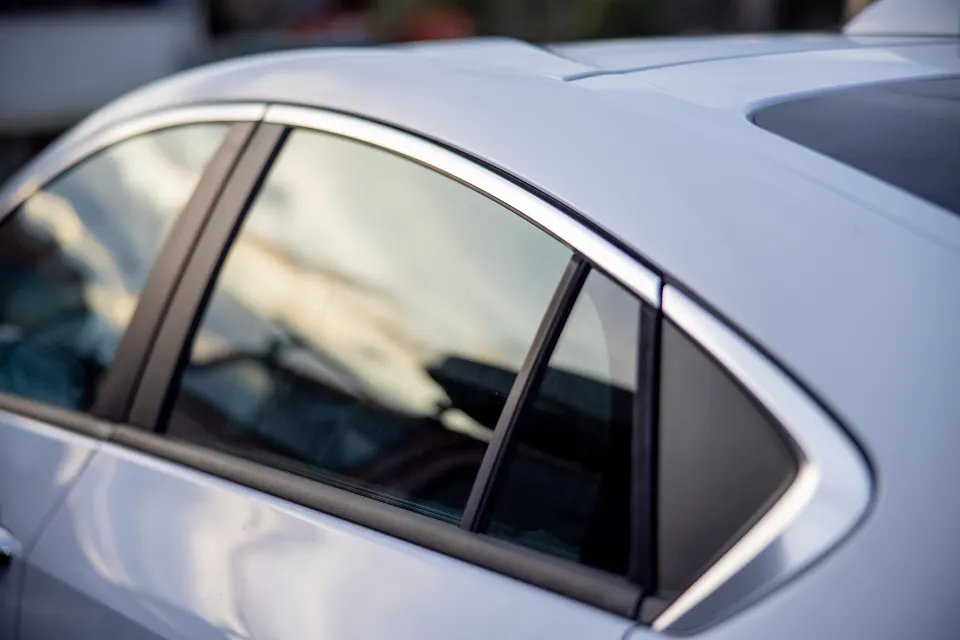
- Light keying that only marks the clear coat (your fingernail doesn't catch) can often be polished out or greatly reduced with a scratch remover like NanoPolix.
- Deeper scratches that reach the color, primer or bare metal need touch-up paint and blending.
- Long, deep keying across several panels usually needs a body shop.
Few things feel as personal as walking up to your car and finding a long, jagged scratch down the side. Whether it was deliberate vandalism or an accidental swipe from someone's keys or bag, a key scratch is frustrating, and the first question is always the same: can I fix this myself, or does it need a body shop?
The honest answer depends on depth. This guide explains how to judge a key scratch, what you can fix at home, when touch-up paint or a professional is needed, how insurance may help, and how to protect your car in the future.
What should you do first?
- Take photos of the scratch from several angles and distances, with something for scale, and note the date, time and location.
- Report vandalism to the police if you believe it was intentional, and get a report number. Insurers often ask for one.
- Check for security footage if it happened in a parking garage, store lot or near a home camera.
- Don't rush to rub at it before washing the area; dirt rubbed into a scratch makes it worse.
How do you tell how deep a key scratch is?
Car paint has layers: clear coat on top, then the color (base) coat, primer and finally metal. Maaco explains that light scratches in the clear coat are the easiest to repair, while deeper ones need more work. Wash the area, then check:
| What you see and feel | Depth | Fix |
|---|---|---|
| Light white line; nail doesn't catch; nearly vanishes when wet | Clear coat | Scratch remover or polish at home |
| Nail catches; color still visible in the groove | Into base coat | Touch-up paint, then polish to blend |
| Gray or white layer visible | Primer | Touch-up paint or body shop |
| Shiny or rusty metal visible | Through all layers | Touch-up soon to stop rust; body shop for best result |
Key scratches are often uneven: part of the line may be only in the clear coat while other parts go deeper where more pressure was applied.
How do you fix a light key scratch at home?
- Wash and dry the area thoroughly.
- Work in the shade on a cool panel.
- Apply a scratch remover designed for clear coat, working along and across the scratch in small, overlapping circles with moderate pressure.
- Buff with a clean microfiber towel.
- Inspect in different light and repeat a few times if it's improving.
- Protect the area with wax or sealant.
For light keying, many people are surprised how much a scratch can fade. Even when it doesn't disappear completely, rounding off the edges of the scratch makes it much less visible.
Can NanoPolix help with a key scratch?
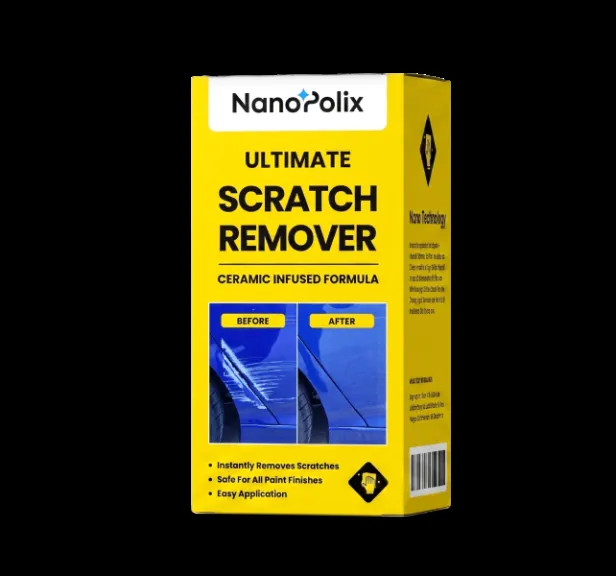
On light, clear-coat key scratches, yes. NanoPolix is a reusable nano scratch remover cloth: you rub it on the scratch in small circles with light pressure, then buff with a clean microfiber. We found it works impressively well on surface-level damage like light scratches, scuffs, paint transfer and swirls, and it leaves a glossy, protected finish. To be clear: like every scratch remover, it can't repair scratches that go through the paint to primer or metal. For those, use touch-up paint, then the cloth can help blend the edges.
NanoPolix sells 2 cloths for $34.96, about $12.23 per cloth in larger bundles, with a 30-day refund guarantee. Read our NanoPolix review and does car scratch remover work?
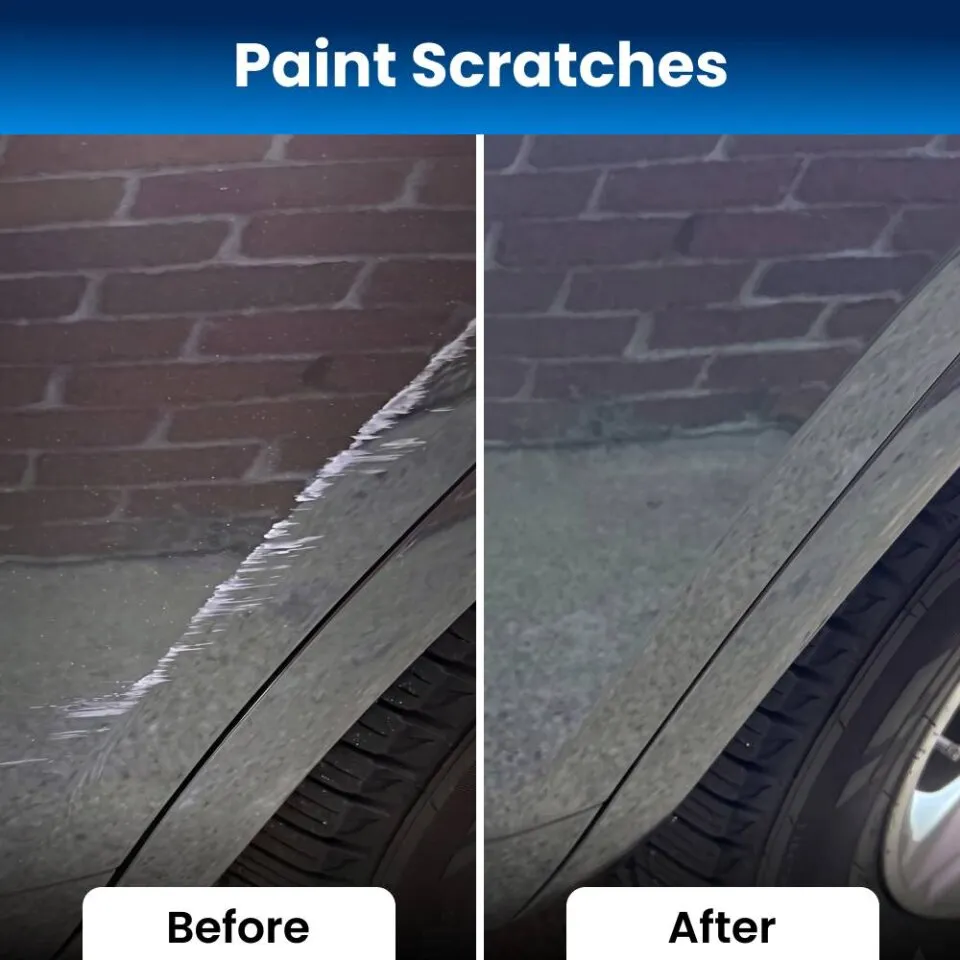
Fade light key marks and scuffs at home
NanoPolix reusable scratch remover cloth for clear-coat scratches, scuffs and paint transfer. 2 for $34.96, or about $12.23 each in bundles.
Check today's price →2 for $34.96 (buy 1, get 1 free)
How do you fix a deeper key scratch with touch-up paint?
- Find your paint code, usually on a sticker in the driver's door jamb, and buy matching touch-up paint (often from the dealer or an auto parts store).
- Clean the scratch with soapy water, then wipe with a prep solvent or isopropyl alcohol to remove wax.
- Apply thin layers of paint into the scratch with a fine brush or pen, letting each layer dry.
- Build up until the paint is level with or slightly above the surface.
- Add clear coat if your kit includes it.
- After curing, gently level and blend with a fine polish or scratch remover.
Touch-up won't make a deep key scratch invisible, but it seals the metal against rust and makes the scratch much less noticeable from a normal viewing distance.
When should you go to a body shop?
- The scratch is long and deep across one or more panels.
- Bare metal is exposed over a large area, or rust has started.
- The car is new, leased or high-value, and you want a perfect finish.
- Several panels were keyed in a vandalism incident.
A body shop can sand, fill, repaint and blend the panel so the repair is invisible. Ask for estimates and check whether insurance applies.
Does insurance cover key scratches?
If your car was vandalized, comprehensive coverage may help. The Insurance Information Institute explains that comprehensive insurance covers damage from causes other than a collision, including vandalism, minus your deductible. Whether to file depends on the repair cost compared with your deductible and any impact on your premium. A police report and photos help the claim. For light scratches you can fix at home, paying out of pocket is usually simpler.
What do you need for a home repair?
For light keying, the kit is small: car wash soap and a bucket, a clean microfiber wash mitt, two or three clean microfiber towels, a scratch remover or scratch remover cloth, painter's tape to mark the area and protect nearby trim, a bright flashlight to check progress, and a spray wax or sealant to finish. For deeper scratches, add touch-up paint in your exact paint code, a fine artist's brush or a touch-up pen with a fine tip, isopropyl alcohol or a prep solvent, and clear coat if your kit doesn't include it. Some people also use a very fine leveling kit for touch-up paint, but go slowly: it's easy to remove too much. A dry, sheltered spot like a garage helps, since touch-up paint needs time to cure without dust or rain landing on it.
What mistakes make key scratches worse?
The most common mistake is working on a dirty surface, which grinds grit into the scratch and spreads new fine scratches around it. Others include pressing too hard with a polish or compound and dulling a wide area around the scratch, using household abrasives like toothpaste or baking soda that haze the clear coat, and blobbing on too much touch-up paint in one thick layer that never levels out. Leaving bare metal exposed is another: a deep scratch to the metal can start to rust within weeks, especially in winter, so seal it quickly even if you plan a professional repair later.
What if the car is leased or you're selling it?
Lease-end inspections and buyers both notice paint damage. Fixing light scratches at home before turning in a lease or listing a car can improve the impression and potentially avoid charges, while deeper damage may be worth repairing professionally. Check your lease agreement for what counts as normal wear and tear.
How can you reduce the risk of keying?
- Park in well-lit, busy areas or monitored garages whenever you can.
- Use a garage at home if you have one, and keep it clear enough to park inside.
- Consider a dash cam with parking mode or a home security camera covering the driveway.
- Leave space between your car and others in parking lots, and avoid cramped end spots near cart returns.
- Apply a sealant or ceramic coating, which can make light marks easier to polish out.
- Consider paint protection film on high-risk areas of a new car.
Was it really keying, or an accident?
Not every long scratch is vandalism. Shopping carts, bag zippers, rings, belt buckles, bicycle handlebars and tight garage walls all leave long scratches. Accidental scratches tend to be shallower, at a consistent height, and often appear near door handles, trunk lids and lower panels. These are usually clear-coat marks that respond very well to a scratch remover. Deliberate keying is often deeper, with pressure variations and longer lines across panels.
What does a typical home repair look like?
Take a common case: a thin, foot-long scratch along a rear door, probably from a passing bag or cart. After washing, the line looks white, your nail barely catches at one end and not at all elsewhere, and when wet it almost disappears. That's a clear-coat scratch with one slightly deeper spot. Fifteen minutes with a scratch remover, working in small circles along the line, fades most of it to near-invisible from a few feet away. The deeper spot gets a dab of touch-up paint, left to cure, then a light polish to blend. Total cost: a cloth and a touch-up pen. Compare that with a deliberate key mark running the length of the car, through the color on both doors: that's a body-shop and insurance conversation.
Related guides: how to wash a car at home and how to dry a car after washing.
The bottom line
Judge a key scratch by depth. Light clear-coat keying can often be polished out or made nearly invisible at home with a scratch remover. Scratches into the color or primer need touch-up paint and blending, and long, deep vandalism usually needs a body shop. Document vandalism with photos and a police report, and check whether comprehensive insurance applies.
For light scratches and scuffs, our pick is NanoPolix. Check today's NanoPolix price, and see how to remove scratches from a car and how to remove swirl marks.
Sources
- Maaco. Car Scratch Repair Guide.
- Insurance Information Institute. What Is Covered by Collision and Comprehensive Auto Insurance?
- Official NanoPolix product page, checked October 2026.
Frequently asked questions
Can a key scratch be buffed out?
If it's only in the clear coat and your fingernail doesn't catch, it can often be polished out or greatly reduced. Deeper scratches need touch-up paint.
How do I know if a scratch is through the clear coat?
If your nail catches, or you see a gray or white primer layer or bare metal, the scratch is through the clear coat.
Does insurance cover a keyed car?
Comprehensive coverage may cover vandalism, minus your deductible. Photos and a police report help the claim.
How much does it cost to fix a key scratch?
Light scratches can be fixed at home with a scratch remover or touch-up paint for a small cost. Deep, long keying repaired at a body shop costs much more.
Will NanoPolix fix a deep key scratch?
No. It works well on light, clear-coat scratches but can't repair scratches through the paint to primer or metal. Use touch-up paint for those.
Should I report a keyed car to the police?
If you believe it was vandalism, yes. A report number is often needed for insurance claims.

Tim Humbert
Tim looks into the viral gadgets that show up in your feed, from mini leaf blowers to chain sharpeners and car care cloths. He reads the product pages, checkout and return policies, and buyer feedback so you know what a gadget really does before you spend money on it. His reviews are built on manufacturer information, official checkout and return policies, trusted safety sources and buyer feedback, and are updated when offers change. More about Tim.