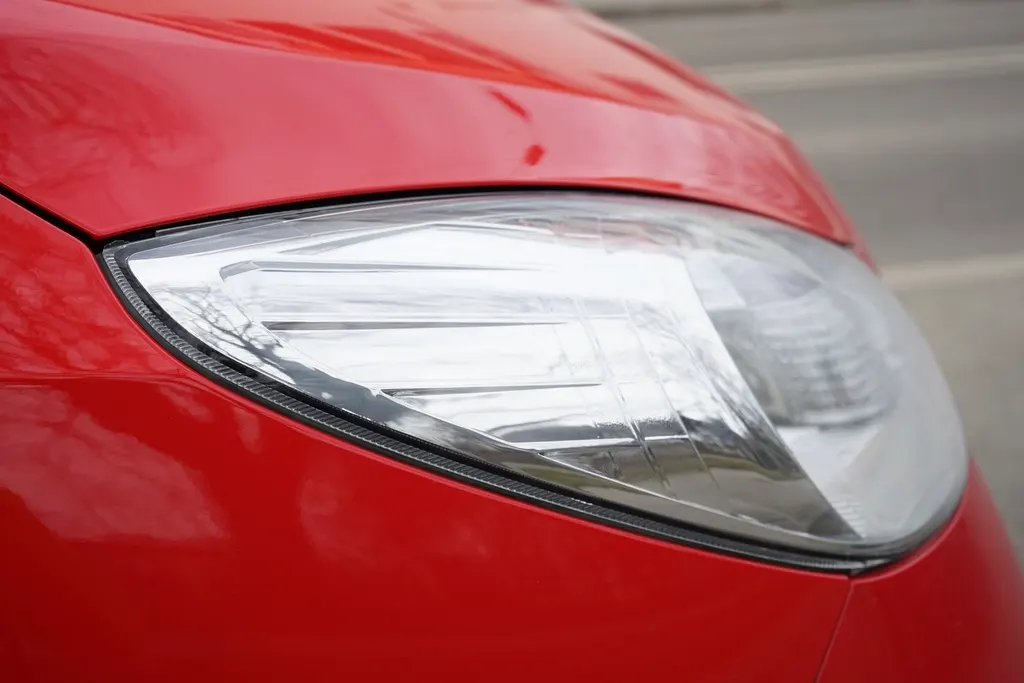
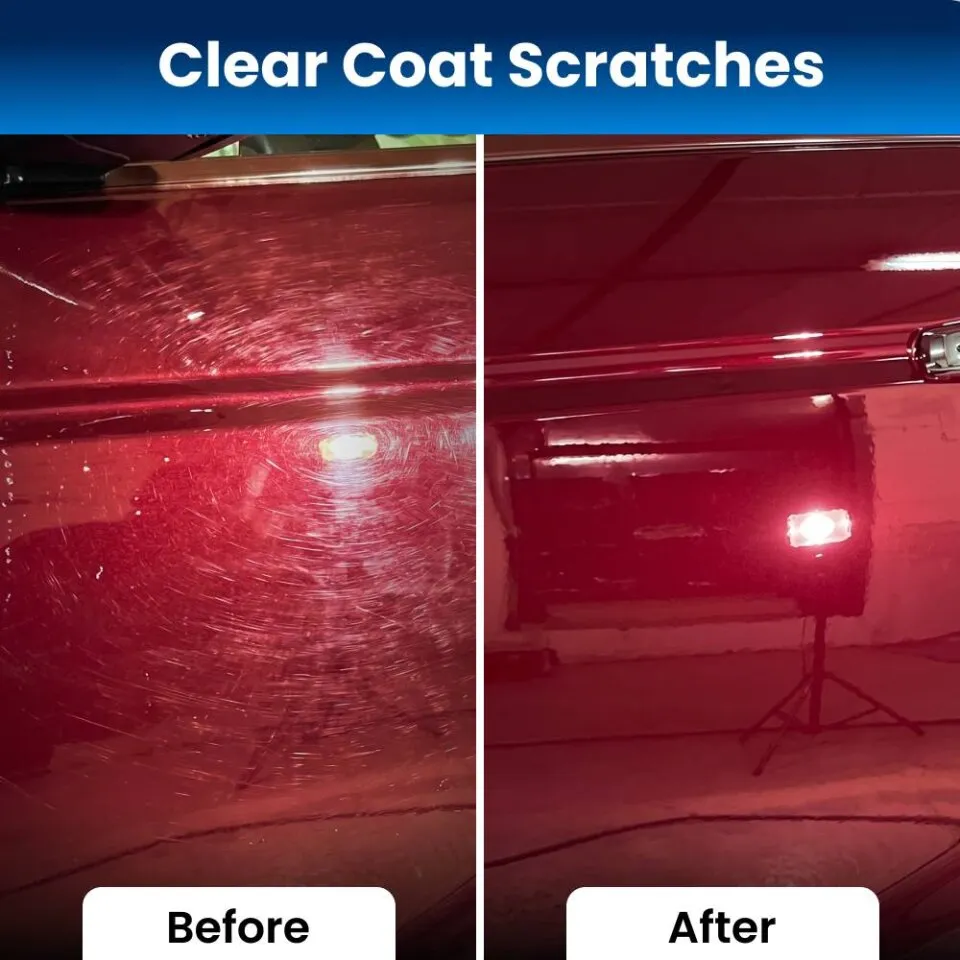
- Swirl marks.
- Fingernail marks around door handles.
- Light scuffs and paint transfer.
- Water spots and dull oxidation.
Scratch remover ads are some of the most convincing on the internet: a deep-looking scratch, a few swipes of a cloth or a dab of compound, and it's gone. Then you try it on your own car and get mixed results. So, do scratch removers actually work, or is it all clever lighting?
The truth is that they work very well on some scratches and can't work on others. It comes down to how deep the scratch goes into your car's paint. This guide explains the layers of car paint, how to judge a scratch in ten seconds, what scratch removers actually do, how to use one properly and when to call a body shop.
What are the layers of car paint?
Modern car paint is built in layers. According to Maaco, a typical finish has:
- Clear coat: the transparent top layer that gives shine and protects the color.
- Base coat: the actual color.
- Primer: helps the paint bond to the body.
- Metal or plastic: the body panel itself.
Most everyday scratches only affect the clear coat. That's where scratch removers shine. Once a scratch reaches the color, primer or metal, polishing can't put paint back where it's missing.
How do you know if a scratch can be removed?
Use the fingernail test. Clean the area, then gently drag a fingernail across the scratch:
| What you feel and see | Likely depth | Fix |
|---|---|---|
| Nail doesn't catch; scratch is light or white-ish | Clear coat only | Scratch remover usually works well |
| Nail catches slightly; color still visible | Deep clear coat or into base coat | Scratch remover can improve it; may need touch-up |
| Gray or white layer visible | Primer | Touch-up paint or body shop |
| Bare metal visible | Through all layers | Touch-up or body shop soon, to prevent rust |
Another clue: wet the scratch with a damp cloth. If it nearly disappears while wet, it's likely in the clear coat and a good candidate for polishing.
How do scratch removers work?
Most scratch removers are fine polishes. They level the clear coat around a light scratch very slightly, so the edges of the scratch no longer catch light. They often add fillers and protective coatings that make the surface glossy and help hide very fine marks. The result is that a surface scratch becomes invisible or nearly invisible. That's why they work brilliantly on swirls and scuffs but can't fill a deep gouge.
Which marks do scratch removers handle best?
- Swirl marks from automatic car washes and dirty towels. See how to remove swirl marks.
- Fingernail marks around door handles and the trunk.
- Light scuffs from bags, bikes, strollers and garage walls.
- Paint transfer from a light bump with another car or a pole.
- Water spots and dried mineral marks.
- Bird-dropping etching (if caught early).
- Dull, oxidized paint on older cars.
What is NanoPolix, and does it work?
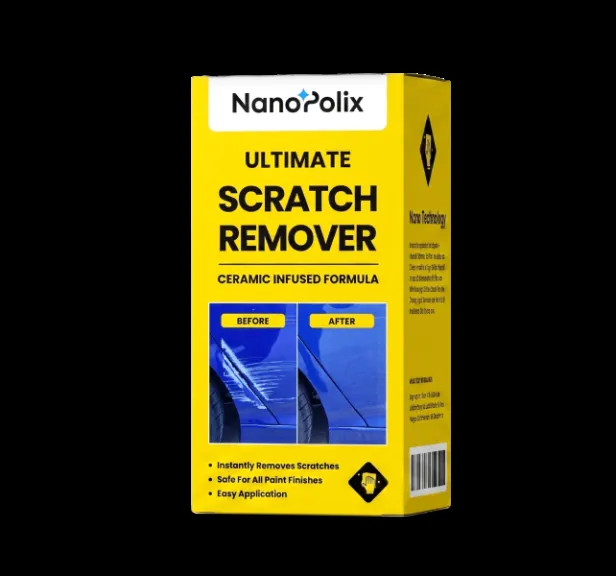
NanoPolix is a reusable nano scratch remover cloth. You rub it on the scratch in small circles with light pressure, then buff with a clean microfiber towel. On light, surface-level damage, we found it works impressively well. It's especially good on fingernail marks, light scuffs, paint transfer and swirls, and leaves a glossy, protected finish. It's simple to keep in the glove box for touch-ups after a parking lot scrape.
Like every scratch remover, it can't repair scratches that go through the paint to primer or metal. Those need paint. But for the vast majority of everyday marks that make a car look tired, it's a fast and inexpensive fix. NanoPolix sells 2 cloths for $34.96, down to about $12.23 per cloth in larger bundles, with a 30-day refund guarantee. Read our full NanoPolix review, where we rate it 4.3/5.
Erase light scratches and scuffs in minutes
NanoPolix reusable scratch remover cloth for clear-coat scratches, scuffs, swirls and paint transfer. 2 for $34.96, or about $12.23 each in bundles.
Check today's price →2 for $34.96 (buy 1, get 1 free)
How do you use a scratch remover properly?
- Wash and dry the area. Dirt left on the surface will cause new scratches.
- Work in the shade on a cool panel.
- Test on a small, inconspicuous spot first.
- Rub in small, overlapping circles with light to moderate pressure, focusing on the scratch.
- Buff with a clean microfiber towel.
- Inspect in different light; repeat a few times for stubborn marks.
- Protect the area with wax or sealant if your product doesn't already.
Our step-by-step guide on how to remove scratches from a car covers more methods.
What mistakes should you avoid?
- Working on a dirty car: grit turns polishing into sanding.
- Pressing too hard or rubbing in one spot too long, which can dull the clear coat.
- Working in hot sun or on a hot panel.
- Using household abrasives like toothpaste, which can haze the finish.
- Expecting miracles on deep scratches: if you see primer or metal, use touch-up paint.
- Ignoring bare metal: it can rust; seal it quickly.
What should you do about deeper scratches?
For scratches into the color coat, a touch-up paint pen matched to your car's paint code can fill the gap; a scratch remover can then blend the edges. For scratches to primer or metal, or long scratches across panels, a body shop can sand, fill, paint and clear coat the area properly. Key scratches are often deeper than they look; see what to do about a key scratch on your car.
How do cloths compare with compounds and machines?
- Scratch remover cloths (like NanoPolix): simplest, no mess, great for spot fixes and keeping in the car.
- Scratch remover creams and compounds: applied with a pad; good for larger areas.
- Dual-action polishers: fastest for whole-car swirl removal, but there's a learning curve.
- Body shop repair: needed for deep damage.
For most drivers, a cloth or cream handles the everyday marks that make a car look worn.
What can you realistically expect on a typical car?
Take a five-year-old daily driver parked on the street and in grocery store lots. Look closely and you'll usually find a cluster of fingernail arcs around each door handle, a light scuff on the rear bumper corner from the garage, a few streaks of paint transfer on a door edge from a shopping cart or another car, swirl marks visible in the sun on the hood and roof, and some dull patches where water spots have dried. Almost all of that lives in the clear coat. With ten to twenty minutes and a scratch remover, the door handle areas, the scuff and the paint transfer usually improve dramatically, often to the point where you can't find them unless you know where to look. Swirls on the large panels take longer and benefit from working section by section.
What usually remains is the occasional deeper chip on the hood from a stone, or a scratch where you can see a lighter layer underneath. Those are the ones to dab with a touch-up pen. The overall effect is a car that looks noticeably newer, for the cost of a cloth and an afternoon, which is exactly why scratch removers are so popular.
Do scratches look worse on some car colors?
Yes. Dark colors like black, dark blue and deep red show swirls, scuffs and light scratches far more than white, silver or light gray, because the fine edges of a scratch catch light against a dark background. That's also why owners of dark cars often get the most dramatic before-and-after results from a scratch remover: the marks are highly visible, but they're usually only in the clear coat. Metallic and pearl paints can hide very light marks but show deeper ones as bright lines. White cars hide swirls well but show paint transfer from darker cars very clearly, and paint transfer is one of the easiest things for a scratch remover to lift.
Whatever the color, inspect the area in different light after each pass: direct sun shows swirls, while shade or a flashlight held at an angle shows fine scratches. Checking from a few angles helps you decide whether another pass will help or whether the mark needs paint.
Is it worth fixing scratches before selling a car?
Often, yes. Buyers judge a car's condition quickly by its paint, and a car covered in swirls and scuffs looks older and less cared for than it really is. Spending an afternoon removing light scratches, scuffs and water spots, then washing and waxing, can make a noticeable difference in first impressions, whether you're selling privately or trading in. It's also worth doing before returning a leased car, since lease-end inspections look for visible damage; check your lease terms and the FTC's guidance on financing or leasing a car for what's considered normal wear.
How do you prevent new scratches?
- Wash with the two-bucket method and a soft mitt. See how to wash your car at home.
- Dry with clean microfiber towels, never old bath towels.
- Avoid automatic car washes with spinning brushes.
- Remove bird droppings and tree sap as quickly as possible.
- Apply wax or sealant regularly for a protective layer.
- Park away from busy aisles and tight spaces when you can.
The bottom line
Scratch removers work, and work well, on clear-coat damage: swirls, light scratches, scuffs, paint transfer and water spots. They can't replace missing paint, so scratches that reach primer or metal need touch-up paint or a body shop. Use the fingernail test to decide, work on a clean, cool surface and be patient with a few passes.
For quick fixes on everyday marks, our pick is NanoPolix. Check today's NanoPolix price.
Sources
- Maaco. Car Scratch Repair Guide.
- Federal Trade Commission. Online Shopping.
- Official NanoPolix product page, checked October 2026.
Frequently asked questions
Do scratch removers actually work?
Yes, on clear-coat damage such as swirls, light scratches, scuffs, paint transfer and water spots. They can't replace paint missing from deep scratches.
How can I tell if a scratch is too deep?
Use the fingernail test: if your nail doesn't catch, it's likely in the clear coat. If you see gray primer or bare metal, you need touch-up paint or a body shop.
Can a scratch remover fix a key scratch?
Light key marks in the clear coat can improve a lot, but many key scratches reach the color or primer and need touch-up paint.
Does NanoPolix work?
On light, surface-level damage it works impressively well. It can't repair scratches that go through the paint to primer or metal.
Will a scratch remover damage my paint?
Used correctly on a clean, cool surface with moderate pressure, it shouldn't. Pressing too hard or working on a dirty car can dull or scratch the finish.
Is toothpaste a good scratch remover?
It's not recommended. Toothpaste abrasives aren't designed for car paint and can leave haze; use a product made for automotive clear coat.

Tim Humbert
Tim looks into the viral gadgets that show up in your feed, from mini leaf blowers to chain sharpeners and car care cloths. He reads the product pages, checkout and return policies, and buyer feedback so you know what a gadget really does before you spend money on it. His reviews are built on manufacturer information, official checkout and return policies, trusted safety sources and buyer feedback, and are updated when offers change. More about Tim.