- Wash and dry the area.
- Check the depth with the fingernail test: if your nail doesn't catch, it's likely surface-level.
- Remove paint transfer with a scratch-removal cloth or polishing compound, rubbing in small circles.
- Buff with a clean microfiber towel.
- See a body shop for cracks, dents or scratches down to primer or plastic.
Bumpers take the hits. Parking garages, tight spots, shopping carts, curbs and the occasional "tap" from another car all leave their marks on the corners of front and rear bumpers. A scuff can make a nice car look neglected, and a body shop quote for "just a little mark" can be surprisingly high.
The good news is that many bumper scuffs are only skin-deep: paint left behind from another object, or light scratches in the clear coat. Those can often be fixed at home in a few minutes. This guide explains how to tell what kind of scuff you have, how to remove it, which tools work, and when a professional repair is the better choice.
What is a bumper scuff?
A scuff usually looks like a hazy, rough or discolored patch, often with streaks. It tends to be one of three things:
| Type | What it looks like | Fix at home? |
|---|---|---|
| Paint transfer | Another color (white, black, red) smeared on top of your paint | Usually yes |
| Clear coat scuffs | Light, hazy scratches; your nail doesn't catch | Usually yes |
| Base coat scratches | Deeper; color looks lighter, nail catches slightly | Sometimes, with touch-up paint |
| Primer or plastic showing | Gray, white or black plastic visible | Body shop or touch-up paint |
| Cracks, dents, gouges | Bumper is deformed or split | Body shop |
Maaco explains that car paint has layers (clear coat, base color, primer) and that how deep a scratch goes determines the repair.
How do you check how deep the scuff is?
- Wash and dry the area so you can see clearly.
- Look closely in good light from different angles.
- Run a fingernail across the mark. If it glides over, the damage is likely in the clear coat or it's paint transfer. If it catches, the scratch goes deeper.
- Look at the color inside the scratch: if you see gray, white or bare plastic, it's through the paint.
How do you remove a scuff from a bumper?
- Wash the bumper with car wash soap and rinse; any grit left behind can make new scratches.
- Dry it with a microfiber towel.
- Work in the shade, on cool paint.
- Test a small, hidden spot first.
- Rub the scuff with a scratch-removal cloth or a little polishing compound on a microfiber pad, using small, firm circles.
- Check progress often, wiping away residue to see the result.
- Repeat a few times for stubborn paint transfer.
- Buff the area with a clean microfiber towel.
- Protect it with a coat of wax or sealant.
What's the easiest tool for light scuffs?
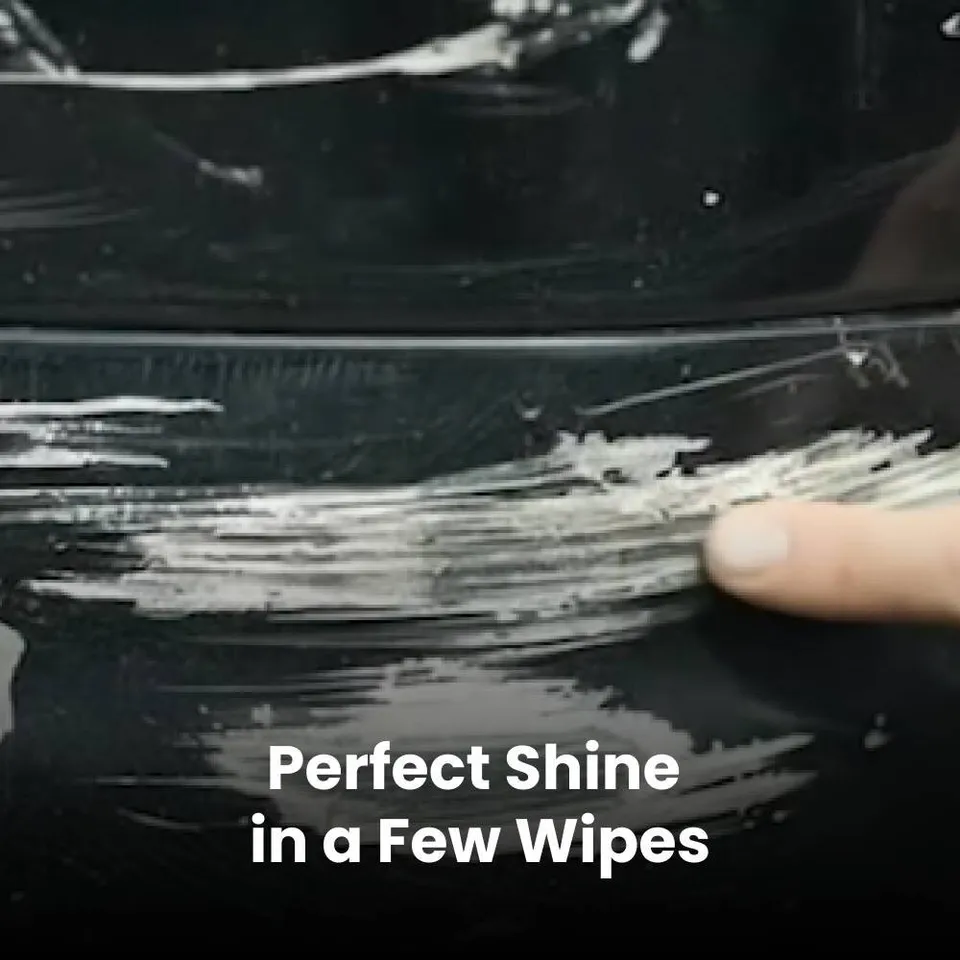
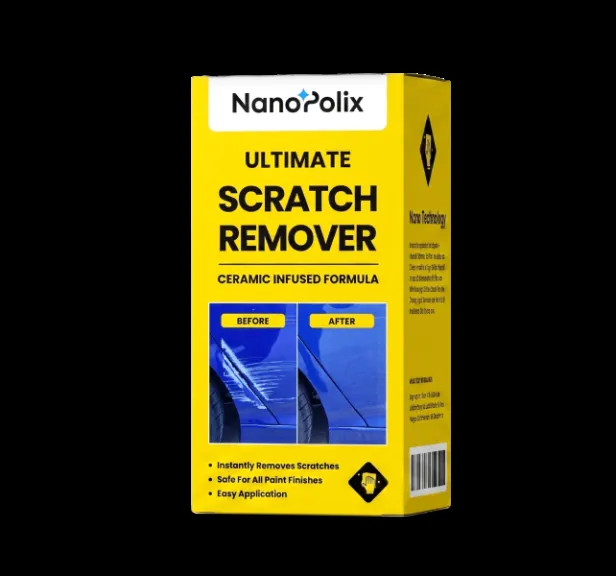
NanoPolix is a reusable nano scratch remover cloth designed for light paint scratches, scuffs, water spots and oxidation. You rub it over the mark in small circles, check, repeat if needed and buff with a clean towel. It's quick, needs no machine and fits in the glove box for parking-lot surprises.
To be clear about what it can do: it works on surface-level damage in the clear coat and on paint transfer. Scratches that reach the primer or bare plastic need paint. It's sold at 2 for $34.96 (buy 1, get 1 free), with larger bundles bringing the price down to about $12.23 each. The brand reports high customer ratings; those are the brand's own figures. Read our NanoPolix review (4.3/5) and does scratch remover work?
A quick fix for light bumper scuffs
NanoPolix scratch remover cloth for light scratches, scuffs, water spots and oxidation in the clear coat. Rub in small circles, buff, done. 2 for $34.96.
Check today's price →2 for $34.96 (buy 1, get 1 free)
How do you remove paint transfer specifically?
Paint transfer sits on top of your paint, so the goal is to lift it without wearing through your clear coat. Start with the gentlest method: a scratch-removal cloth or a fine polish. Work slowly, check often and stop as soon as the transfer is gone. If it's thick, repeat in short sessions rather than pressing harder. Avoid harsh solvents, abrasive kitchen sponges and magic erasers, which can haze the clear coat.
What if the bumper is unpainted plastic?
Many trucks and SUVs have textured black plastic on the lower bumper. Scuffs there are usually lighter gray marks in the plastic itself. Paint-correction products aren't designed for textured plastic; instead, clean it and use a plastic trim restorer, or a heat gun used carefully by an experienced person. For deep gouges, the part may need replacing.
What should you do about deeper scratches?
- Base coat scratches: a color-matched touch-up paint pen can hide them; find your paint code on the door jamb sticker.
- Primer or plastic showing: touch-up paint, or a professional spot repair.
- Cracks, dents and gouges: a body shop, especially if sensors are involved.
See how to fix a key scratch on a car and how to remove scratches from a car.
What if your bumper has parking sensors?
Modern bumpers often hide parking sensors, cameras and radar for driver-assistance systems. Light polishing around them is fine, but avoid aggressive rubbing directly on sensors and don't use compounds that leave residue on camera lenses. After any impact, even a small one, check that the sensors work. If they don't, or the bumper is pushed in, have it checked professionally.
Is it worth filing an insurance claim?
For light scuffs, usually not: the repair cost is often below your deductible, and a claim may affect your premium. For damage caused by another driver, their insurance may pay. The Insurance Information Institute explains how collision and comprehensive coverage work.
How do you prevent bumper scuffs?
- Park away from tight corners and cart returns.
- Use parking sensors or a camera, and back in slowly.
- Install a garage wall guard where your bumper might touch.
- Keep a coat of wax or sealant on the paint.
- Consider clear protective film on the bumper corners.
What if you're returning a leased car?
Lease inspections often charge for visible bumper damage. Fixing light scuffs yourself before the inspection can save money. Check your lease's wear-and-tear guidelines first. See the FTC's guide to financing or leasing a car.
How long does a home scuff repair take?
Light paint transfer often comes off in 5 to 10 minutes. A larger hazy scuff in the clear coat may take 15 to 30 minutes of patient, small circles, checking your progress as you go. Deeper damage that needs touch-up paint takes longer because of drying time between coats. Working in short sessions, rather than pressing harder, gives the best result and protects the surrounding paint.
Why fix bumper scuffs before winter?
In winter, road salt, slush and grit hit the lower bumpers hardest. A scuff that has worn through the clear coat leaves the paint more exposed, and deeper chips can let moisture reach the material underneath. Cleaning up light scuffs and adding a coat of wax or sealant in the fall gives the paint a protective layer for the season ahead. See our winter car checklist and car paint care in winter.
What should be in a small scuff-repair kit?
- Car wash soap and a bucket.
- Two or three clean microfiber towels.
- A scratch-removal cloth or a fine polish with an applicator pad.
- A color-matched touch-up paint pen for deeper chips.
- Wax or paint sealant.
- Painter's tape to mark off the area.
Keeping this in the garage means you can fix a scuff the day it happens, before dirt grinds it in.
Does the color of your car matter?
Scuffs show differently depending on paint color. On dark cars, light paint transfer and hazy clear coat scuffs stand out sharply, but they also respond well to gentle polishing. On white and silver cars, darker paint transfer from other vehicles is the most common problem, and it's usually easy to lift. Metallic and pearl paints can look slightly different after polishing if you rub too long in one spot, so work in short sessions and blend the area with light, wider circles at the end. Whatever the color, check your work in daylight from a few angles.
How do you keep bumpers looking good long term?
Wash the car regularly, especially in winter, so salt and grit don't sit on the bumpers. Keep a scratch-removal cloth in the glove box and deal with new parking-lot marks right away, before they collect dirt. Re-wax or reseal the paint every few months. And when parking, give yourself a little extra room at the front and back: most bumper scuffs happen at low speed, in the last few inches of a parking move.
The bottom line
Most bumper scuffs are paint transfer or light clear coat scratches you can fix at home: wash, test the depth with your fingernail, rub gently in small circles with a scratch-removal cloth or fine polish, buff and protect. Deeper scratches need touch-up paint, and cracks or dents need a body shop.
Our pick for quick bumper scuff fixes is NanoPolix. Check today's NanoPolix price.
Sources
- Maaco. Car Scratch Repair Guide.
- Insurance Information Institute. Collision and Comprehensive Coverage.
- Federal Trade Commission. Financing or Leasing a Car.
- Official NanoPolix product page, checked October 2026.
Frequently asked questions
Can you fix a scuffed bumper yourself?
Often, yes. Paint transfer and light clear coat scuffs usually come off with a scratch-removal cloth or fine polish rubbed in small circles.
How do I know if a bumper scratch is deep?
Run a fingernail across it. If it doesn't catch, it's likely in the clear coat. If it catches or you see primer or plastic, it's deeper.
How do you remove paint transfer from a bumper?
Wash and dry the area, then rub gently with a scratch-removal cloth or fine polish in small circles, checking often, and buff with microfiber.
Does NanoPolix work on bumper scuffs?
It's designed for light scratches, scuffs, water spots and oxidation in the clear coat. Scratches down to primer or plastic need paint.
What can't be fixed at home on a bumper?
Cracks, dents, deep gouges and damage near parking sensors usually need a body shop.
Should I file an insurance claim for a bumper scuff?
Usually not for light scuffs, since repair costs are often below the deductible. Another driver's insurance may pay if they caused it.

Tim Humbert
Tim looks into the viral gadgets that show up in your feed, from mini leaf blowers to chain sharpeners and car care cloths. He reads the product pages, checkout and return policies, and buyer feedback so you know what a gadget really does before you spend money on it. His reviews are built on manufacturer information, official checkout and return policies, trusted safety sources and buyer feedback, and are updated when offers change. More about Tim.