- The battery.
- Tires: tread and pressure, and consider winter tires.
- Wipers and winter washer fluid.
- Lights.
- Coolant and brakes.
- The heater and defrosters.
Winter is hard on cars, and on drivers. Cold temperatures drain batteries and drop tire pressure, snow and ice hide hazards, and road salt eats at the paint and undercarriage. A breakdown that would be an inconvenience in summer can be dangerous on a freezing night. The good news: a few checks in the fall prevent most winter car trouble.
This checklist covers everything to inspect before the cold arrives, what to keep in the car, how to protect the paint and body, and habits that make winter driving safer.
Why should you check the battery first?
Cold weather reduces a battery's power, while starting a cold engine needs more of it. Weak batteries often fail on the first very cold morning. Have your battery and charging system tested at a shop or auto parts store, clean corrosion from the terminals and replace a weak or old battery before winter. Many batteries last roughly three to five years, so if yours is older, testing it in fall is especially worthwhile. The National Highway Traffic Safety Administration recommends having your battery, charging system and belts checked as part of winter preparation.
What should you check on your tires?
- Pressure: tire pressure drops as temperatures fall. Check monthly and inflate to the pressure on the driver's door placard, not the number on the tire sidewall.
- Tread depth: NHTSA says tread should be at least 2/32 of an inch; more is much better for snow and slush. The penny test is a quick check.
- Winter tires: if you regularly drive in snow and ice, dedicated winter tires grip far better than all-seasons in cold conditions.
- Spare tire: check its pressure, and make sure the jack and tools are in the car.
How do you make sure you can see and be seen?
- Wiper blades: replace worn blades; consider winter blades in snowy areas.
- Washer fluid: fill with a winter formula that won't freeze, and keep a spare jug.
- Defrosters: test front and rear defrosters and the heater.
- Lights: check headlights, brake lights, turn signals and hazards; clean foggy headlight lenses.
- Glass: clean the inside of the windshield to reduce fogging and glare.
Which fluids and systems need checking?
- Coolant (antifreeze): check the level and strength; it protects the engine from freezing.
- Oil: follow the manufacturer's recommendation for oil type and service intervals.
- Brakes: have them inspected if you notice noise, pulling or a soft pedal.
- Belts and hoses: cold makes rubber brittle; look for cracks.
- Heater and blower: make sure they work well.
- Exhaust system: leaks are dangerous when windows are closed.
What should be in a winter emergency kit?
Ready.gov and NHTSA both recommend keeping emergency supplies in the car in winter. Include:
- Ice scraper and soft snow brush.
- Small folding shovel.
- Sand, kitty litter or traction mats.
- Jumper cables or a portable jump starter.
- Flashlight or headlamp with extra batteries.
- Warning triangles or flares.
- Blankets, gloves, a hat and extra warm clothes and socks for everyone who usually rides along.
- Phone charger or power bank.
- Water and non-perishable snacks such as granola bars.
- First aid kit and any needed medications.
How do you protect the paint and body in winter?
Road salt, sand and slush are tough on paint and the undercarriage. Before winter, wash the car thoroughly and apply a wax or sealant for a protective layer. During winter, wash regularly, including the undercarriage and wheel wells, on days above freezing; see how to wash a car at home. Touch up chips and deep scratches to bare metal before salt reaches them; see key scratches and deeper damage.
Snow removal itself causes a lot of damage: stiff brushes and scrapers dragged across paint leave scratches and swirls. Use a soft foam snow broom on the body, keep the scraper for glass only, and use a blower for light, fluffy snow so nothing touches the paint at all.
Why keep a blower handy in winter?
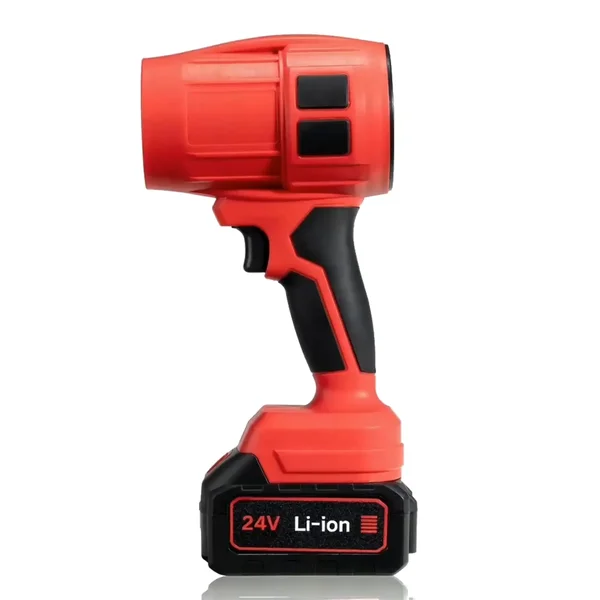
Much winter snow is light and powdery, and a blower clears it from the roof, windshield, hood and trunk in a minute or two, without the scratching risk of a brush. The Wood Ranger Power Blower is designed as a 4-season tool. According to the brand, it has a 1600W brushless motor in a 2.1 lb body with a dynamic speed trigger, and its battery runs about 15 minutes per charge, enough for a car or two, the steps and a walkway. Heavy, wet snow and ice still need a brush and scraper. It ships from Ohio with a 90-day money-back guarantee. See how to clear snow off a car.
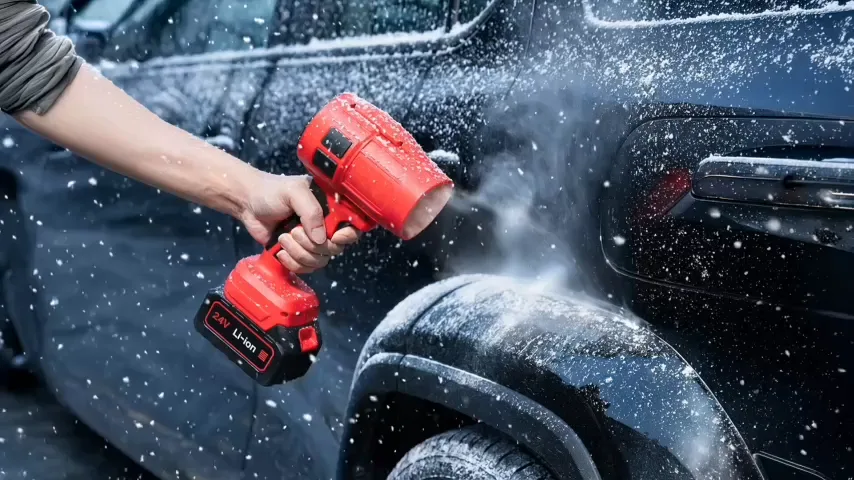
Clear fluffy snow without scratching your car
Wood Ranger Power Blower: 4-season cordless blower, 1600W brushless motor, 2.1 lb. For light snow, leaves and dust. From $55.99 each in bundles, 90-day guarantee.
Check today's price →From $55.99 each in bundles · 90-day guarantee
What winter driving habits keep you safer?
- Clear the whole car of snow and ice before driving, including the roof and lights.
- Keep the gas tank at least half full to avoid fuel-line freeze and for emergencies. Charge EVs fully before long winter trips.
- Slow down and increase following distance on snow and ice, especially on bridges and overpasses, which freeze first.
- Accelerate and brake gently.
- Check the weather before trips and let someone know your route and expected arrival time.
- Never warm up a car in a closed garage, and make sure the tailpipe is clear of snow before running the engine.
What should you do if you get stuck?
Stay with your car; it's your best shelter. Run the engine only for short periods to stay warm, with the exhaust pipe clear of snow and a window slightly open, to avoid carbon monoxide buildup. Turn on hazard lights or tie a bright cloth to the antenna. Call for help, conserve your phone battery and use your emergency kit. Use sand or kitty litter under the drive wheels to regain traction, and don't spin the wheels.
What does a well-prepared winter morning look like?
The forecast said two inches of powder overnight. Because the car got its fall check, the battery cranks strongly even at 15°F, and the tires were topped up last week when the cold snap arrived. The wipers were lifted off the glass the night before, so they're not frozen to the windshield. You start the car, make sure the tailpipe is clear, and turn on the defrosters. While it warms up, the blower from the hook by the door clears the roof, windshield, hood, trunk, mirrors and lights in a couple of minutes, without scratching the fresh coat of sealant. The thin layer of ice on the windshield comes off easily with the scraper once the defroster has softened it. Winter washer fluid sprays clean without freezing. The emergency kit is in the trunk, just in case. Total time: about five minutes, and you pull out of the driveway with a fully clear car and nothing to worry about.
Compare that with the unprepared version: a dead battery, a windshield wiper frozen to the glass, an old brush scratching the hood, and a peephole cleared on the windshield. A little preparation in October saves a lot of stress in January.
How do you keep the interior clean and dry in winter?
Snow and slush on boots soak into carpets and cause fogged windows and musty smells. Use rubber all-weather floor mats that hold water and are easy to rinse. Knock snow off shoes before getting in, and empty and dry the mats regularly. A moisture absorber or a sock filled with silica cat litter under the seat can help reduce window fogging. Running the air conditioning with the defroster also dries the air. Vacuum salt and sand out of the carpets periodically so they don't wear the fibers, and a blower can push dry grit out of the seat rails and vents before you vacuum.
How can your garage help in winter?
Parking in a garage keeps the car warmer, protects it from snow and ice, and makes mornings easier. Clear space before winter and add a mat to catch salty slush. Keep the emergency kit, a snow brush and a charged blower near the door. See how to clean a garage fast.
Are there special tips for electric vehicles?
Cold weather reduces EV range, because batteries are less efficient when cold and cabin heating uses energy. Precondition the car while it's plugged in so it warms using grid power, park in a garage when possible, keep the battery charged higher than usual before long trips and plan charging stops with extra margin. Tire pressure, wipers, lights and emergency kits matter just as much for EVs as for gas cars.
When should you do each item?
| When | Task |
|---|---|
| Early fall | Battery test, tire check or winter tires, wipers and washer fluid, coolant |
| Before first snow | Wash and wax, pack emergency kit, check lights and defrosters, clear garage space |
| Monthly in winter | Tire pressure, washer fluid, emergency kit check |
| After salty storms | Rinse the undercarriage and wheel wells |
The bottom line
A winter-ready car has a tested battery, good tires at the right pressure, working wipers, lights and defrosters, the right fluids and a well-stocked emergency kit. Protect the paint with wax and regular washing, clear snow gently, and drive slowly and carefully.
For fast, paint-safe snow clearing, our pick is the Wood Ranger Power Blower. Check today's Wood Ranger Power Blower price, and see the best snow removal tools.
Sources
- National Highway Traffic Safety Administration. Winter Driving Tips.
- Ready.gov. Winter Weather.
- Official Wood Ranger Power Blower product page, checked October 2026.
Frequently asked questions
How do I prepare my car for winter?
Test the battery, check tires and pressure or fit winter tires, replace wipers, use winter washer fluid, check lights, coolant, brakes and defrosters, and pack an emergency kit.
What should I keep in my car in winter?
Ice scraper and snow brush, small shovel, sand or kitty litter, jumper cables, flashlight, blankets, warm clothes, phone charger, water, snacks and a first aid kit.
Why does tire pressure drop in winter?
Air contracts in the cold, so pressure falls as temperatures drop. Check monthly and inflate to the pressure on the driver's door placard.
How do I protect my car's paint from road salt?
Wax or seal it before winter, wash regularly including the undercarriage on days above freezing, and touch up chips to bare metal.
Is it safe to warm up my car in the garage?
No. Never run a car in a closed garage, and make sure the tailpipe is clear of snow before running the engine outdoors.
Can a blower clear snow off my car?
Yes, light, fluffy snow. A blower like the Wood Ranger Power Blower clears it without touching the paint; heavy snow and ice need a brush and scraper.

Tim Humbert
Tim looks into the viral gadgets that show up in your feed, from mini leaf blowers to chain sharpeners and car care cloths. He reads the product pages, checkout and return policies, and buyer feedback so you know what a gadget really does before you spend money on it. His reviews are built on manufacturer information, official checkout and return policies, trusted safety sources and buyer feedback, and are updated when offers change. More about Tim.