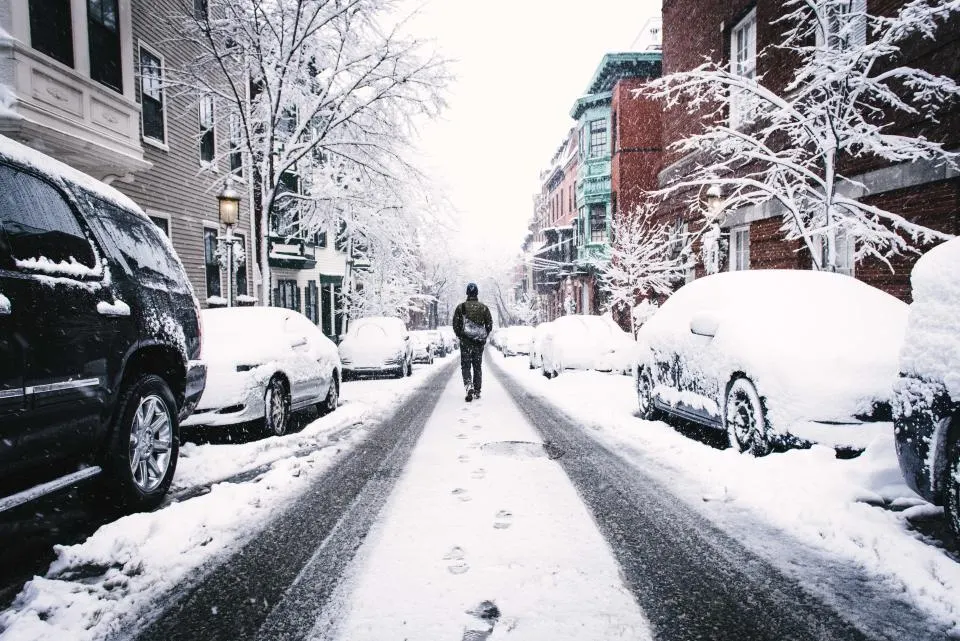
- An ergonomic snow shovel and a snow pusher for driveways and walkways.
- A snow blower for large driveways and heavy snowfall.
- A roof rake for heavy snow on low roofs.
- A foam snow broom and ice scraper for cars.
- Ice melt and traction grit for icy steps.
- A cordless blower for light, fluffy snow on cars, steps, decks and porches.
When the first big storm hits, it's too late to discover your old shovel is cracked and the ice melt bag is empty. The right snow tools make winter mornings faster, easier and safer, and they protect your back, your heart and your car's paint. But there are a lot of options, from simple shovels to two-stage snow blowers, and most homes don't need all of them.
This guide goes through the main snow removal tools, what each is best for, how to match them to your home and climate, and how to stay safe while clearing snow.
How do you choose snow tools for your home?
Think about three things:
- How much snow you get: occasional light dustings, regular moderate snow or frequent heavy storms.
- What you need to clear: a short walkway, a long driveway, steps, a deck, cars, a roof.
- Your physical ability: shoveling is heavy work; some people should avoid it.
What are the main snow removal tools?
| Tool | Best for | Notes |
|---|---|---|
| Ergonomic snow shovel | Walkways, steps, small driveways | Bent handle reduces bending; lighter blades are easier on the back |
| Snow pusher | Pushing light to moderate snow off driveways | Push, don't lift |
| Single-stage snow blower | Paved driveways, light to moderate snow | Lighter and cheaper |
| Two-stage snow blower | Long driveways, heavy or wet snow | Powerful; bigger and costlier |
| Cordless mini blower | Light, fluffy snow on cars, steps, decks, porches | Fast, light, nothing touches the car's paint |
| Roof rake | Pulling heavy snow off low roofs from the ground | Helps reduce ice dams |
| Foam snow broom and ice scraper | Cars | Broom for body, scraper for glass only |
| Ice melt and grit | Icy steps and paths | Choose products safe for your surfaces and pets |
What makes a good snow shovel?
- Ergonomic handle with a bend, so you can keep your back straighter.
- The right blade size: a smaller blade means lighter loads, which is safer for your back and heart.
- Lightweight materials such as plastic or aluminum.
- A metal wear strip on the edge for durability.
- Non-stick coating or a spray of silicone so wet snow slides off.
When does a snow blower make sense?
A snow blower is worth considering if you have a long driveway, get frequent or heavy snow, or shouldn't be shoveling for health reasons. Single-stage models handle light to moderate snow on paved surfaces; two-stage models throw heavy, wet snow and the plow ridge at the end of the driveway. They need storage space, maintenance and, for gas models, fuel. Many homeowners find a combination works best: a snow blower or a service for big storms, plus hand tools and a light blower for everyday jobs.
Where does a cordless mini blower fit?
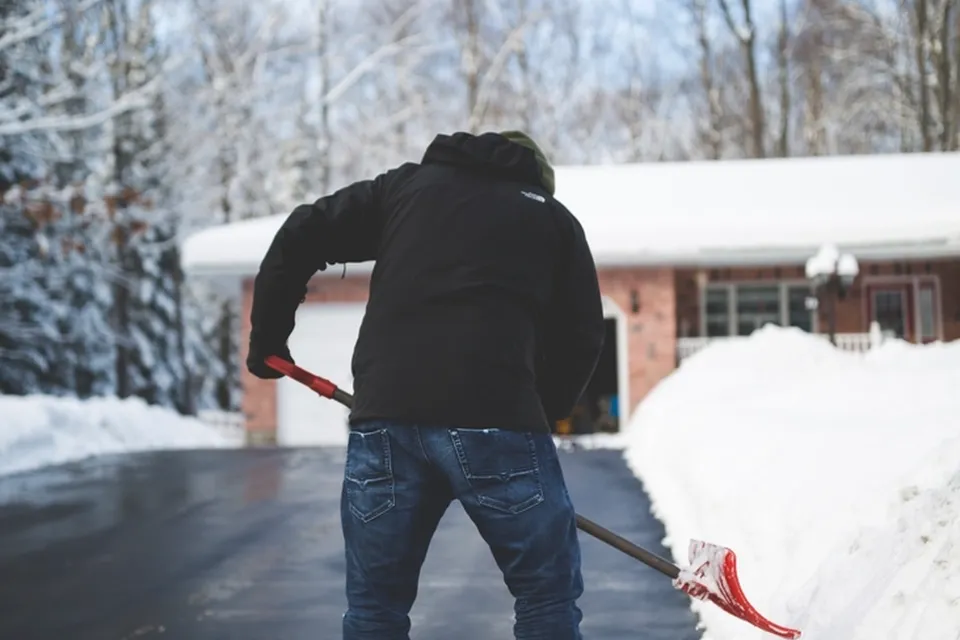
Much of winter isn't big storms. It's one to three inches of light, fluffy snow on the car, the front steps, the porch and the deck. Shoveling that is tedious, and brushing it off the car risks scratching the paint. A light cordless blower clears it in minutes.
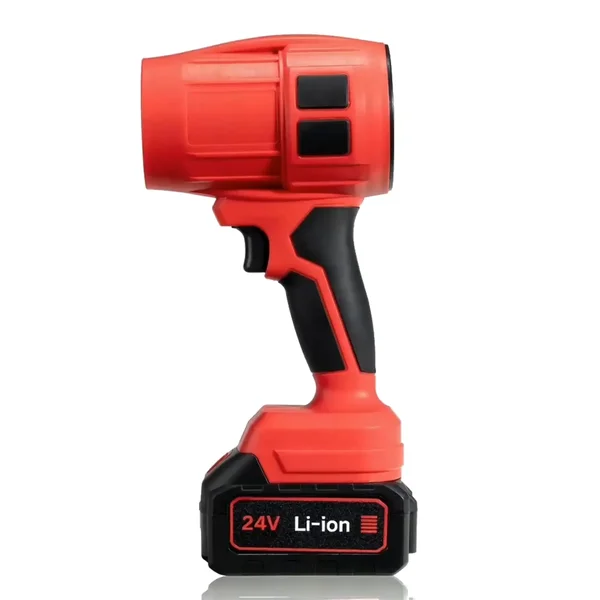
The Wood Ranger Power Blower is designed as a 4-season version of the Wood Ranger. According to the brand, it has a 1600W brushless motor in a 2.1 lb body with a dynamic speed trigger, light enough to keep by the door all winter. The battery runs about 15 minutes per charge, enough for the car, steps and walkways after a light snowfall. In spring and fall, it's a leaf and dust blower too. It ships from Ohio with a 90-day money-back guarantee. Heavy, wet or packed snow and ice still need a shovel or snow blower. See using a leaf blower for snow and how to clear snow off a car.
The fast way to clear light snow from cars and steps
Wood Ranger Power Blower: 4-season cordless blower, 1600W brushless motor, just 2.1 lb. Clears light snow, leaves and dust. From $55.99 each in bundles, 90-day guarantee.
Check today's price →From $55.99 each in bundles · 90-day guarantee
How should you deal with ice?
- Clear snow promptly before it's packed down into ice.
- Use ice melt appropriate for your surface; some products can damage new concrete or harm plants and pets.
- Add sand or grit for traction where melting isn't enough.
- Use a steel ice chopper carefully on thick ice, away from pavers and decks.
- Fix drainage where meltwater refreezes across paths.
Do you need a roof rake?
In areas with heavy snow, a roof rake lets you pull snow off the lower edges of the roof from the ground, which can reduce the risk of ice dams and roof leaks. Never climb on a snowy roof. Watch for power lines when using long-handled tools. For very heavy snow loads, call a professional.
How do you protect your heart and back?
Snow shoveling is real exercise, and sometimes too much. The American Heart Association warns that shoveling snow can be hazardous to the heart, particularly for people with heart conditions or who aren't usually active. Tips:
- Warm up first and take frequent breaks.
- Push snow rather than lifting it when you can.
- Lift small loads, bending at the knees, and don't twist or throw over your shoulder.
- Stay hydrated and dress in layers.
- Stop immediately and seek help for chest pain, shortness of breath or dizziness.
- Consider a snow blower, a light blower for small jobs, or hiring help if shoveling is risky for you.
How should you prepare before winter?
Ready.gov recommends preparing your home and vehicle for winter weather. Before the first storm:
- Inspect shovels and replace cracked blades.
- Service the snow blower and buy fresh fuel or charge batteries.
- Stock ice melt and traction grit.
- Mark driveway edges and obstacles with stakes.
- Put a brush, scraper and small shovel in each car.
- Charge your cordless blower and keep it near the door.
See our winter car checklist for vehicle prep.
How much should you spend on snow tools?
A good basic kit doesn't have to be expensive. An ergonomic shovel and a pusher cost roughly $30 to $80 together, a foam snow broom and scraper about $15 to $30 per car, and a bag of ice melt and grit a few dollars more. A cordless mini blower like the Wood Ranger Power Blower costs about $55 to $70 and earns its keep year-round with leaves, dust and grass clippings in the warmer months. Snow blowers are the big investment: single-stage models often cost several hundred dollars, and two-stage models more. If you only get a few big storms a year, compare that with the cost of a local snow removal service. Many homeowners find the best value is a solid set of hand tools plus a light blower for everyday snow, with a service or a shared snow blower for the occasional big storm.
How do you clear snow without damaging decks and pavers?
Wood and composite decks scratch easily, so use a plastic shovel with no metal edge and push snow along the boards rather than across them. Avoid chipping ice on decks; use a deck-safe ice melt if needed and check the decking manufacturer's guidance. Pavers can be chipped by metal edges and some ice melts, so use plastic or rubber-edged shovels and products labeled safe for pavers. For light snow on decks and patios, a blower is ideal because nothing touches the surface. See how to clean patio pavers for care after winter.
Where should you store winter tools?
Keep the tools you'll grab most, like a shovel, ice melt and a charged blower, just inside the door you use most, not at the back of the garage behind the summer furniture. A wall rack or a few hooks keep everything visible and dry. Store batteries indoors at moderate temperatures when they're not in use. A tidy garage makes snowy mornings far less stressful; see our fall cleanup checklist for getting ready before the first storm.
What is a good basic snow kit for most homes?
- One ergonomic shovel and one snow pusher.
- A cordless mini blower for light snow on cars, steps and decks.
- A foam snow broom and ice scraper per car.
- Ice melt and traction grit.
- A snow blower or a snow removal service if you get heavy storms or have a long driveway.
- A roof rake if you get heavy snow on low roofs.
How do these tools work together in a real storm?
Picture an overnight storm that leaves six inches of snow, followed by a light dusting the next morning. For the big storm, the snow blower (or a pusher and shovel, in shifts) clears the driveway, starting while it's still falling if it's heavy, so you never have to move all six inches at once. The roof rake pulls snow off the low eaves over the front door. The next morning, the light dusting is a job for the cordless blower: the car, the steps, the walkway and the deck take a few minutes, with no lifting and nothing touching the car's paint. Ice melt goes on the steps and the slope of the driveway where meltwater refroze overnight. Each tool does what it's best at, and nobody spends an hour shoveling three inches of powder.
The bottom line
Choose snow tools based on your snowfall, the areas you clear and your physical ability: an ergonomic shovel and pusher for most homes, a snow blower for heavy snow or long driveways, a roof rake for heavy snow on low roofs, car brushes and scrapers, ice melt and grit. For the many light, fluffy snowfalls, a cordless blower is the fastest and gentlest option.
Our pick is the Wood Ranger Power Blower. Check today's Wood Ranger Power Blower price.
Sources
- American Heart Association. Snow Shoveling Can Be Hazardous to Your Heart.
- Ready.gov. Winter Weather.
- Official Wood Ranger Power Blower product page, checked October 2026.
Frequently asked questions
What is the best tool for removing snow?
It depends on the snow: an ergonomic shovel and pusher for most homes, a snow blower for heavy snow or long driveways, and a cordless blower for light, fluffy snow on cars and steps.
Is a snow blower worth it?
If you have a long driveway, frequent or heavy snow, or shouldn't shovel for health reasons, a snow blower can be well worth it.
Can a leaf blower remove snow?
Yes, for light, dry, fluffy snow on cars, steps, decks and walkways. Heavy, wet or packed snow needs a shovel or snow blower.
Is shoveling snow bad for your heart?
It can be strenuous. The American Heart Association warns that shoveling can be hazardous, especially for people with heart conditions.
What should be in a winter snow kit?
An ergonomic shovel, a pusher, car brushes and scrapers, ice melt and grit, a light blower for fluffy snow, and a snow blower or roof rake if needed.
How long does the Wood Ranger Power Blower battery last?
About 15 minutes per charge according to the brand, enough for a car, steps and walkways after a light snowfall.

Tim Humbert
Tim looks into the viral gadgets that show up in your feed, from mini leaf blowers to chain sharpeners and car care cloths. He reads the product pages, checkout and return policies, and buyer feedback so you know what a gadget really does before you spend money on it. His reviews are built on manufacturer information, official checkout and return policies, trusted safety sources and buyer feedback, and are updated when offers change. More about Tim.