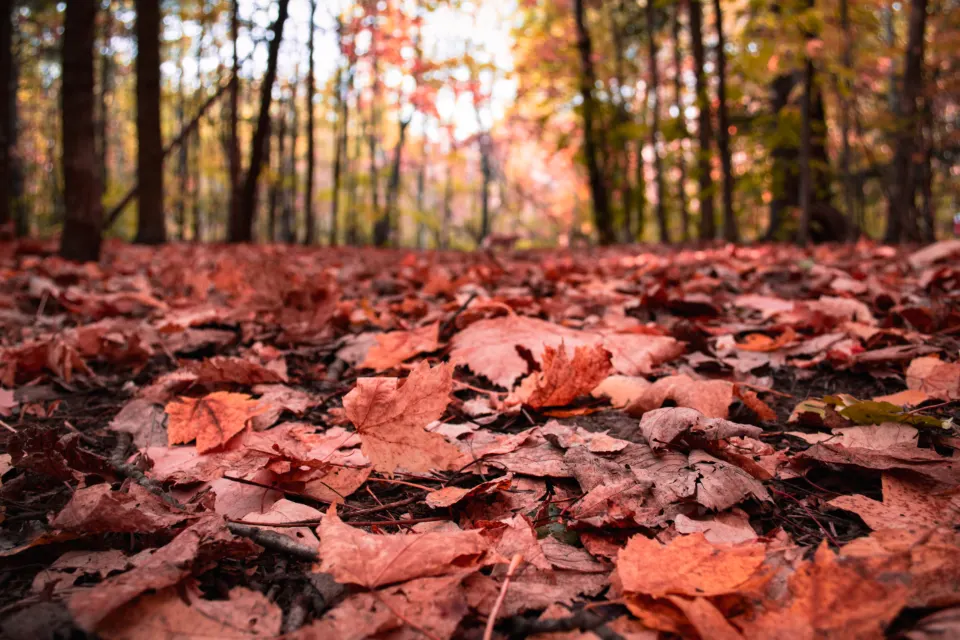
- Leaves: clear them from lawns, beds, gutters and hard surfaces.
- Lawn: mow a little shorter, then aerate, overseed and fertilize.
- Beds: cut back spent plants and add mulch.
- Trees: prune dead branches.
- Water: drain and store hoses, and shut off outdoor faucets.
- Outdoor gear: clean and store furniture and tools.
- Prep for winter: mower, chainsaw and snow tools.
Fall cleanup is one of those weekends homeowners dread: leaves everywhere, gutters overflowing, the lawn looking tired and a garage full of summer gear that needs to be put away before the first freeze. But a little planning turns it into a manageable job, and a yard that's properly put to bed in fall comes back healthier and easier in spring.
Here's the complete checklist I use, in the order that saves the most time, plus the tools that make the biggest difference.
When should you do fall yard cleanup?
In most of the US, the main cleanup happens from mid-October to late November, after most leaves have fallen but before the ground freezes or snow arrives. Many people do two rounds: a first pass when leaves start piling up and a final cleanup once the trees are bare. Lawn jobs like aerating and overseeding are best done early in fall, while the soil is still warm.
What order should you do things in?
Work top to bottom so you don't clean the same area twice:
- Trees and shrubs (pruning, dead branches).
- Gutters and roof edges.
- Garden beds.
- Lawn leaves and mowing.
- Patios, driveways, decks and walkways.
- Outdoor equipment and storage.
Debris from pruning and gutters lands on beds and lawns, so it's cleared in the later steps.
What should you do with trees and shrubs?
- Remove dead, broken or diseased branches, especially ones that overhang the house, driveway or power lines. Call a professional for large limbs or anything near wires.
- Wait until plants are dormant for major pruning of most trees.
- Water evergreens well before the ground freezes.
- Wrap young tree trunks if deer or rodents are a problem.
If you're cutting up fallen branches or storm damage with a chainsaw, make sure the chain is sharp first. A dull chain is slower and harder to control. See how to sharpen a chainsaw.
How do you handle gutters?
Clogged gutters overflow, damage fascia boards and can lead to ice dams in winter. Clean them once most leaves have fallen. Use a sturdy ladder on level ground, with someone holding it, scoop debris into a bucket, and flush downspouts with a hose. Never lean over the edge of a roof. If your gutters are high or your roof is steep, hire a pro. Once the gutters are done, blow the debris that fell onto beds and paths into piles.
How do you clean up garden beds?
- Pull spent annuals and vegetable plants.
- Cut back perennials that are diseased; many gardeners leave healthy seed heads for birds and beneficial insects.
- Remove weeds before they set seed.
- Clear thick leaf layers off low plants, which can rot under wet leaves.
- Add a layer of mulch after the ground cools to protect roots.
A blower on low speed is perfect for pulling leaves out of beds without dragging out mulch. A rake can't get around plants without damage.
What's the fastest way to deal with leaves?
Leaves are the biggest job, and the right technique makes a huge difference:
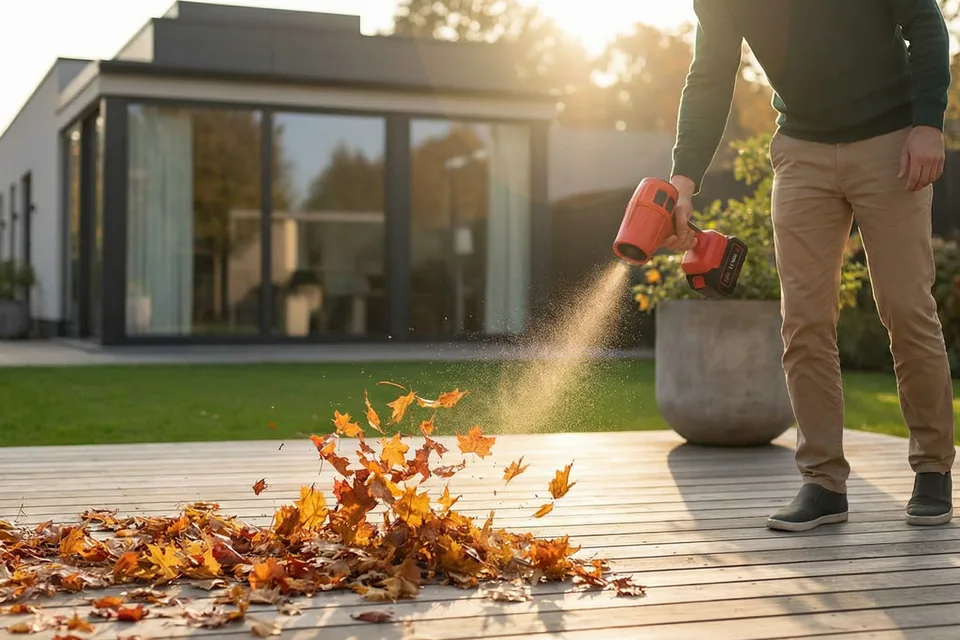
- Blow the hard surfaces first: driveway, patio, deck and walkways onto the lawn.
- Blow beds and corners toward open lawn.
- Herd lawn leaves into rows with the blower, working with the wind.
- Rake rows onto a tarp and drag it to the compost pile or curb, or mulch them into the lawn with a mower.
See leaf blower vs rake for why this combination is faster, and what to do with fallen leaves for composting and mulching options.
Which tool saves the most time?
For most yards, it's a light leaf blower. It clears hard surfaces in minutes, cleans beds without disturbing plants, reaches under decks and along fences, and helps with gutter debris and the garage afterward. A heavy gas blower is overkill for many suburban lots; a cordless mini blower is lighter, quieter and ready instantly.
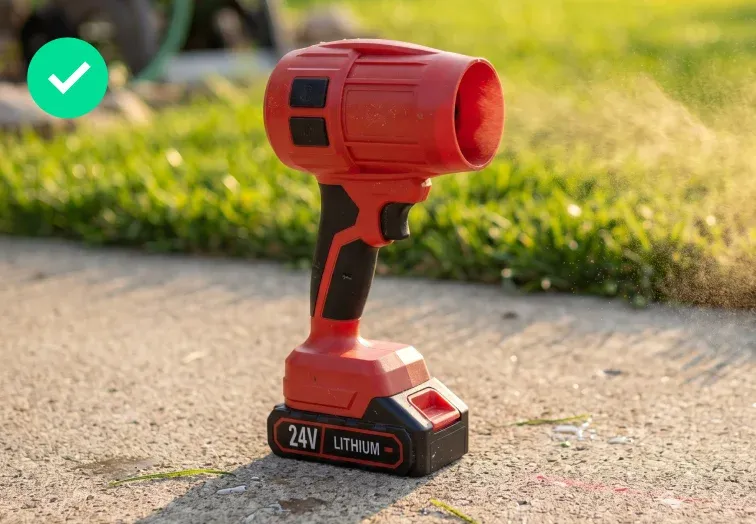
The Wood Ranger Power Leaf Blower is our pick. According to the brand, it has a 1600W brushless motor, weighs just 2.1 lb, has a variable-speed trigger for gentle work in beds and stronger bursts on concrete, and runs about 30 minutes per charge. It ships from Ohio with a 90-day money-back guarantee. Read our Wood Ranger review.
Speed through fall cleanup with a 2 lb blower
Wood Ranger Power Leaf Blower: 1600W brushless motor, variable-speed trigger, about 30 minutes per charge. $69.99, or from $55.99 each in bundles, 90-day guarantee.
Check today's price →From $55.99 each in bundles · 90-day guarantee
How do you get the lawn ready for winter?
- Keep mowing until growth stops, lowering the height slightly for the final cuts (follow local guidance for your grass type).
- Don't let leaves smother the grass: a thick layer blocks light and traps moisture.
- Aerate compacted lawns in early fall.
- Overseed thin areas of cool-season grass early in fall.
- Apply a fall fertilizer if recommended for your grass and region.
- Keep watering new seed until it's established.
Your local cooperative extension service is the best source for timing and products in your region.
How do you clean patios, decks and driveways?
Blow off leaves and debris, then wash away dirt, pollen and algae before they set over winter. A high-pressure hose nozzle can clean many surfaces without hauling out a pressure washer. See hose nozzle vs pressure washer and how to clean patio pavers. Make sure surfaces dry before freezing temperatures, and fix trip hazards like loose pavers before snow hides them.
How do you protect hoses, faucets and irrigation?
- Disconnect, drain and coil hoses; store them out of the sun.
- Shut off and drain outdoor faucets, or install insulated covers.
- Blow out or drain irrigation systems, or hire a pro.
- Empty and store fountains, birdbaths and rain barrels that can crack in a freeze.
How do you store summer equipment?
- Mower: clean the deck, follow the manual for fuel (stabilizer or run dry), change oil and sharpen the blade.
- Outdoor furniture: clean, dry and cover or store cushions.
- Grill: clean grates and cover; disconnect propane per manufacturer guidance.
- Hand tools: clean, dry and oil metal parts to prevent rust.
- Batteries: store cordless tool batteries indoors at moderate temperatures, partly charged, as manufacturers typically recommend.
Then give the garage a quick clean so winter gear fits. See how to clean a garage fast.
What should you get ready for winter?
- Check snow shovels, ice melt and a roof rake.
- Sharpen the chainsaw for storm cleanup.
- Mark driveway edges with stakes before snow.
- Keep a light blower handy for fluffy snow on cars and steps. See using a leaf blower for snow.
What does the whole checklist look like at a glance?
| Area | Task | Tool |
|---|---|---|
| Trees | Remove dead branches | Pruners, saw, chainsaw |
| Gutters | Clear and flush | Ladder, scoop, hose |
| Beds | Clear leaves, cut back, mulch | Blower (low speed), pruners |
| Leaves | Clear surfaces, herd and gather | Blower + rake + tarp |
| Lawn | Mow, aerate, seed, feed | Mower, aerator, spreader |
| Hard surfaces | Clear and wash | Blower, hose nozzle |
| Water | Drain hoses and faucets | Hands, faucet covers |
| Equipment | Clean and store | Brushes, oil, covers |
How do you split the work over two weekends?
Trying to do everything in one day is how fall cleanup becomes miserable. Split it. On the first weekend, tackle the jobs that depend on warm soil and early-fall timing: aerate and overseed the lawn, prune dead branches, clear the first wave of leaves from beds and surfaces, and wash the patio and deck while they'll still dry quickly. On the second weekend, after most leaves have fallen, do the big leaf cleanup, clear the gutters, put down mulch, drain hoses and faucets, and store summer equipment. Between the two, a ten-minute blower pass on the driveway and walkways every few days keeps leaves from getting wet, matted and slippery.
Splitting the job also gives you a chance to see what the yard needs after the first round. You may find a low spot that collects water, a tree branch that needs a pro, or a bed that needs more mulch than you thought.
Should you leave anything for wildlife?
A tidy yard doesn't have to be a sterile one. Many gardeners leave some leaves in garden beds, under shrubs or in a back corner of the yard, where they shelter overwintering insects, including butterfly and moth caterpillars, and break down into natural mulch. Healthy seed heads on coneflowers and grasses feed birds in winter, and a small brush pile can give birds and small animals cover. The key is to keep thick layers off the lawn, paths and drains while letting a few out-of-the-way areas stay a little wild. It's less work for you and better for the garden.
How do you stay safe during yard cleanup?
Use ladders on firm, level ground with a helper. Wear gloves, eye protection and sturdy shoes. Lift with your legs and take breaks. When using power tools, follow the manual and wear hearing protection for loud equipment; NIOSH recommends limiting exposure to noise above 85 dBA. For chainsaw work, wear proper protective gear and follow OSHA's chain saw safety guidance.
The bottom line
Fall yard cleanup goes fastest top to bottom: trees and gutters, then beds, then leaves and lawn, then hard surfaces and storage. Split it over two weekends, protect your hoses and faucets before the first freeze, and get winter tools ready. A light cordless blower takes the most time off the biggest job, leaves.
Our pick is the Wood Ranger Power Leaf Blower. Check today's Wood Ranger price.
Sources
- CDC / NIOSH. About Noise and Occupational Hearing Loss.
- OSHA. Chain Saw Safety Fact Sheet.
- Official Wood Ranger product page, checked October 2026.
Frequently asked questions
What should I do in my yard in the fall?
Prune dead branches, clean gutters, tidy beds and mulch, clear leaves, mow, aerate and overseed the lawn, wash patios, drain hoses and faucets and store equipment.
In what order should I do fall yard cleanup?
Top to bottom: trees and gutters first, then garden beds, then leaves and the lawn, then hard surfaces, and finally equipment and storage.
Should I leave leaves on the lawn over winter?
Not a thick layer, which blocks light and traps moisture. A thin layer of shredded leaves is fine and can feed the lawn.
When should I do fall cleanup?
Usually mid-October to late November, after most leaves fall but before the ground freezes. Many people do two rounds.
What is the best tool for fall cleanup?
A light leaf blower saves the most time on leaves, beds and hard surfaces. Pair it with a rake and a tarp for gathering.
How do I protect outdoor faucets in winter?
Disconnect and drain hoses, shut off and drain outdoor faucets or add insulated covers, and drain irrigation systems.

Tim Humbert
Tim looks into the viral gadgets that show up in your feed, from mini leaf blowers to chain sharpeners and car care cloths. He reads the product pages, checkout and return policies, and buyer feedback so you know what a gadget really does before you spend money on it. His reviews are built on manufacturer information, official checkout and return policies, trusted safety sources and buyer feedback, and are updated when offers change. More about Tim.