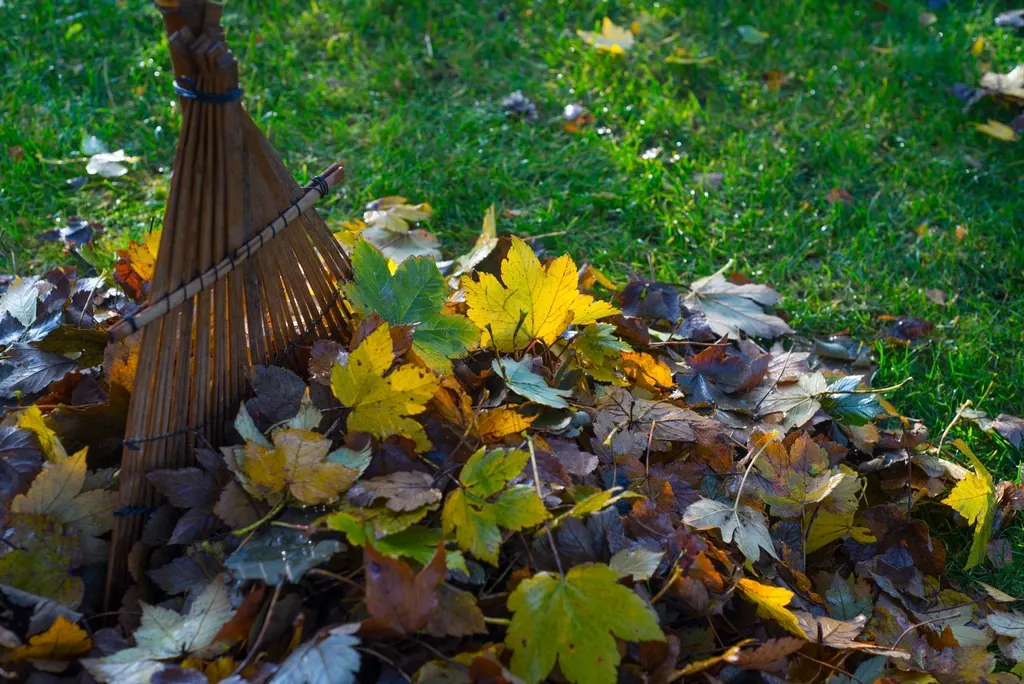
- A blower to clear hard surfaces and push leaves into piles.
- A rake to gather the piles and handle wet leaves.
Every fall, the same question comes up in driveways across America: grab the rake, or fire up the leaf blower? Some people swear by the quiet rhythm of raking. Others can't imagine going back after their first season with a blower. And then there are the noise rules, the neighbors and the sore backs to consider.
I've spent a lot of time testing the claims behind yard gadgets, and this one has a clear answer once you look at the actual jobs. This guide compares rakes and leaf blowers on speed, effort, cost, noise, the surfaces each one handles best, and the combination that gets the yard done fastest.
How do rakes and leaf blowers compare?
| Rake | Cordless mini blower | Gas blower | |
|---|---|---|---|
| Speed on dry leaves | Slow | Fast | Fastest on big areas |
| Wet, matted leaves | Good | Fair | Fair to good |
| Patios, decks, driveways | Awkward | Excellent | Excellent |
| Corners, beds, along fences | Hard | Excellent | Good |
| Noise | Silent | Moderate | Loud |
| Weight | Light | Very light (about 2 lb) | Heavy |
| Fumes, fuel, maintenance | None | None; just charge | Gas, oil, tune-ups |
| Cost | $15–$40 | About $55–$70 | $150–$500+ |
| Exercise | Good workout | Light | Light (but heavy to carry) |
When is a rake the better choice?
- Small lawns with a few trees, where raking takes 20 minutes.
- Wet, heavy, matted leaves stuck to grass after rain.
- Gathering piles into a tarp or bag, which blowers can't do.
- Quiet times: early mornings, evenings, noise-sensitive neighborhoods.
- Exercise: raking is a genuine workout for arms, shoulders and core.
When is a leaf blower the better choice?
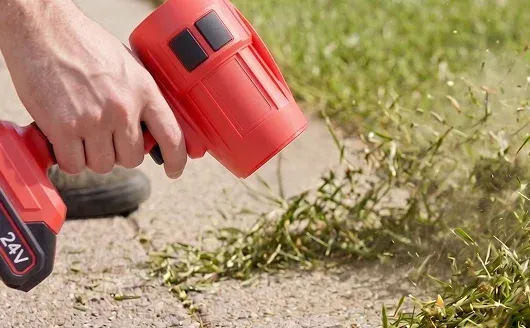
- Hard surfaces: patios, decks, driveways, sidewalks and porches. Raking concrete is slow and scrapes; a blower clears it in minutes.
- Tight spots: along fences, around shrubs, under decks, in garden beds and against the house, where a rake can't reach without damaging plants.
- Dry leaves on larger lawns: blowing them into windrows is much faster than raking the whole yard.
- Gutters' landing zones, stairs and window wells.
- People with back, shoulder or wrist problems, for whom raking is painful.
- Beyond leaves: grass clippings after mowing, sawdust in the garage, dust in the car, light snow in winter.
What is the fastest way to clear a yard?
Use both tools for what they do best:
- Blow leaves off the driveway, patio, deck and walkways onto the lawn.
- Blow leaves out of beds, corners and along fences toward the open lawn.
- Blow the lawn leaves into long rows or a few piles, working with the wind.
- Rake the piles onto a tarp, or mulch them with a mower.
- Rake any wet, matted patches the blower couldn't lift.
This approach typically cuts yard cleanup time dramatically compared with raking alone, and saves your back. See our full fall yard cleanup checklist.
Do you need a big gas blower?
For acres of wooded property, a gas or large battery backpack blower makes sense. But most suburban homeowners spend their blower time on the same jobs: patio, driveway, deck, beds, a modest lawn, the garage and the car. For those, a big gas blower is overkill: heavy, loud, smelly and a hassle to start and maintain. California has even moved to phase out sales of new gas-powered small engines like leaf blowers, according to the California Air Resources Board, and many towns have noise rules.
That's where cordless mini blowers shine. The Wood Ranger Power Leaf Blower is our pick. According to the brand, it has a 1600W brushless motor in a 2.1 lb cordless body, a variable-speed trigger so you can go gentle on mulch beds and stronger on the driveway, and about 30 minutes per charge. It's light enough to use one-handed, quiet compared with gas, and ready the moment you pick it up. It ships from Ohio and comes with a 90-day money-back guarantee. Read our Wood Ranger review, where we rate it 4.6/5, and our guide on whether mini leaf blowers really work.
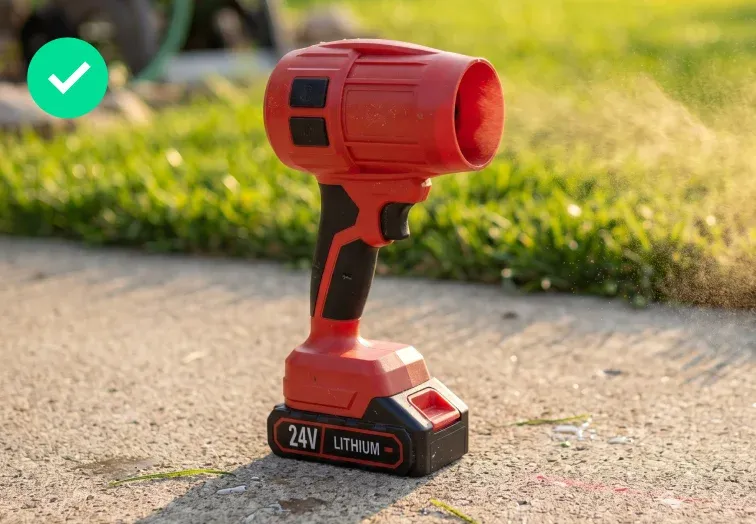
Clear patios, driveways and beds in minutes
Wood Ranger Power Leaf Blower: 1600W brushless motor, 2.1 lb cordless, variable-speed trigger, about 30 minutes per charge. $69.99, or from $55.99 each in bundles, 90-day guarantee.
Check today's price →From $55.99 each in bundles · 90-day guarantee
How loud are leaf blowers compared with raking?
Raking is essentially silent. Gas blowers are among the loudest yard tools, and long exposure to loud noise can damage hearing. The CDC's NIOSH recommends limiting exposure to noise above 85 dBA. Cordless mini blowers are much quieter than gas, which matters for you, your neighbors and your pets. Whatever you use, hearing protection is a good idea for long sessions, and check local rules on hours for powered yard tools.
What happens when you time both on a real yard?
Picture a typical suburban lot in late October: a two-car driveway, a back patio, a small deck, a front lawn with a maple dropping leaves, and mulched beds along the house. With only a rake, the driveway and patio are the slowest part, because a rake skips and scrapes on concrete and leaves keep slipping under the tines. The beds are tricky too, since you have to rake carefully around plants without pulling up mulch. The lawn itself goes reasonably well, but the whole job easily stretches across a long afternoon, and your back and shoulders feel it the next day.
With a light cordless blower doing the first pass, the hard surfaces are clear in a few minutes, the leaves come out of the beds without disturbing much mulch on low speed, and the lawn leaves get pushed into a couple of rows. Then the rake does what it's best at: pulling those rows onto a tarp. The total time is usually much shorter, and the hardest, most awkward parts of the job are the ones the blower took over. That's why so many homeowners who start with "I'll just use the rake" end up keeping a small blower by the garage door.
How do you stay on good terms with the neighbors?
Blow leaves onto your own lawn or into your own piles, never into the street or a neighbor's yard. Many towns prohibit blowing leaves into roads, where they clog storm drains. Keep blower use to reasonable daytime hours, check local noise ordinances, and choose a quieter cordless model if your houses are close together. A quick word with the neighbor before a big cleanup day goes a long way too.
Which is better for your body?
Raking is good exercise, but the repetitive twisting and pulling can strain the lower back, shoulders and wrists, especially for people who don't do it often. Tips if you rake: use a rake with an ergonomic handle, switch sides regularly, keep your back straight, bend at the knees and take breaks. A lightweight blower removes most of that strain. Heavy gas blowers swap the back strain for arm and shoulder fatigue, which is another reason light cordless models are popular.
Is it better for your lawn to rake or blow?
Either works for removing leaves, and removing a thick layer is important because it blocks sunlight and traps moisture, which can harm grass over winter. Raking also lightly loosens thatch. Blowing is gentler on new grass and garden beds when used at a lower speed. A thin layer of shredded leaves can actually feed the lawn; see what to do with fallen leaves.
How do you use a leaf blower efficiently?
- Work with the wind, not against it.
- Start at the edges and push leaves toward the center or your pile spot.
- Hold the nozzle low and sweep side to side in short arcs.
- Use lower speed near mulch, gravel and flower beds.
- Blow when leaves are dry, ideally on a calm day.
- Lay a tarp where you make piles, then drag the tarp to the compost or bag area.
- Wear eye protection and point the blower away from people, pets and cars.
How do you rake more efficiently?
- Choose a wide, lightweight rake with flexible tines.
- Rake onto a tarp instead of into piles you'll pick up by hand.
- Rake in the direction of the wind.
- Use short, pulling strokes and switch hands often.
- Wear gloves to prevent blisters.
Which tool is more useful year-round?
A rake is mostly a fall tool, with occasional use for spring cleanup and spreading mulch. A blower earns its keep all year: grass clippings off walkways after mowing in summer, sawdust and dust out of the garage and workshop, crumbs and dust out of car interiors, cobwebs off porches, and light, fluffy snow off cars and steps in winter. See using a leaf blower for snow.
Which costs more over time?
A good rake is a one-time purchase of $15 to $40. A cordless mini blower costs more upfront, about $55 to $70 for a model like the Wood Ranger, but has no fuel or tune-up costs. Gas blowers cost more upfront and need gas, oil mix, spark plugs and air filters. If you value your time, the blower usually pays for itself in the first fall.
The bottom line
Rakes win on silence, cost, exercise and wet, matted leaves. Leaf blowers win on speed, hard surfaces, tight spots and saving your back. For most homeowners, the smartest setup is a light cordless blower to clear and herd leaves, plus a rake to gather piles and handle wet patches.
Our pick is the Wood Ranger Power Leaf Blower. Check today's Wood Ranger price, and compare options in our guide to the best cordless leaf blower.
Sources
- CDC / NIOSH. About Noise and Occupational Hearing Loss.
- California Air Resources Board. Small Off-Road Engines.
- Official Wood Ranger product page and checkout, checked October 2026.
Frequently asked questions
Is it faster to rake or use a leaf blower?
A leaf blower is much faster on dry leaves, hard surfaces and tight spots. Raking is competitive only on small lawns or wet, matted leaves.
Is raking or blowing better for the lawn?
Both remove leaves that would block sunlight. Raking also loosens thatch; blowing at low speed is gentler on new grass and beds.
Can a leaf blower replace a rake?
Mostly, but a rake is still handy for gathering piles onto a tarp and for wet, matted leaves. Many homeowners use both.
Are cordless leaf blowers strong enough?
For patios, driveways, decks, beds and modest lawns, a good cordless mini blower like the Wood Ranger (1600W brushless motor, per the brand) is plenty.
Are leaf blowers bad for your hearing?
Gas blowers can be very loud. NIOSH recommends limiting exposure above 85 dBA. Cordless models are quieter; wear hearing protection for long sessions.
How much does the Wood Ranger leaf blower cost?
It was $69.99 on the official checkout in October 2026, or from $55.99 each in bundles, with a 90-day money-back guarantee.

Tim Humbert
Tim looks into the viral gadgets that show up in your feed, from mini leaf blowers to chain sharpeners and car care cloths. He reads the product pages, checkout and return policies, and buyer feedback so you know what a gadget really does before you spend money on it. His reviews are built on manufacturer information, official checkout and return policies, trusted safety sources and buyer feedback, and are updated when offers change. More about Tim.