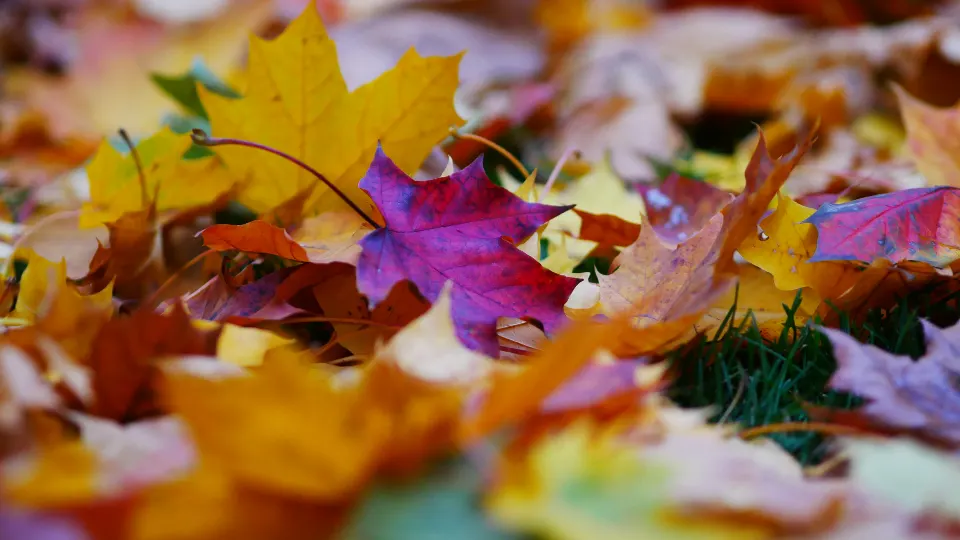
- Mulch them into the lawn with a mower. A thin layer feeds the grass.
- Use shredded leaves as mulch in garden beds.
- Compost them.
- Make leaf mold, a rich soil conditioner.
- Leave some in out-of-the-way areas for wildlife.
- Bag or haul the rest for curbside or municipal yard-waste pickup.
Every fall, millions of bags of leaves get set out at the curb. It's a lot of work, a lot of plastic or paper bags, and it throws away something your yard can actually use. Fallen leaves are free organic matter: they can feed your lawn, protect garden beds through winter and turn into rich compost.
That doesn't mean you can leave them all where they fall. A thick, wet layer can smother grass, clog drains and make paths slippery. This guide covers the smartest things to do with fallen leaves, which option fits which part of your yard, and how to move leaves efficiently.
Why can't you just leave all the leaves?
A light scattering of leaves on a lawn is fine. But a thick, matted layer blocks sunlight, traps moisture and can encourage mold and disease in the grass, leaving dead patches in spring. Leaves on driveways, steps and sidewalks become slippery when wet and icy in winter. Leaves in gutters and storm drains cause overflows and local flooding. So the goal isn't zero leaves; it's putting leaves in the right places.
How do you mulch leaves into the lawn?
Mulch mowing is the easiest option for lawns. Run your mower over dry leaves, ideally with a mulching blade, so they're chopped into small pieces that fall between the grass blades and break down over winter. You should still be able to see grass after mowing; if leaves are too thick, mow twice or remove some first. Many lawn experts say shredded leaves add organic matter to the soil and can benefit the lawn.
Tip: use a blower to spread thick piles more evenly across the lawn before mowing, or to blow leaves out of beds and corners onto the lawn where the mower can reach them.
Can you use leaves as mulch in garden beds?
Yes. Shredded leaves make an excellent free mulch around perennials, shrubs and vegetable beds. They insulate roots through winter, suppress weeds, hold moisture and break down into organic matter. Shred them first (mow them, or use a leaf shredder), since whole leaves can mat together and block water and air. Spread a few inches deep around plants, keeping mulch away from stems and trunks.
How do you compost leaves?
Leaves are a perfect "brown" (carbon-rich) ingredient for compost. The EPA explains that composting at home combines browns like dead leaves with greens like grass clippings and food scraps, plus water, to create a soil-enriching material. Tips:
- Shred leaves so they break down faster.
- Mix with greens such as grass clippings, vegetable scraps and coffee grounds.
- Keep it moist like a wrung-out sponge.
- Turn it occasionally to add air.
- Store extra leaves in bags or a bin to add to the compost through the year.
What is leaf mold, and how do you make it?
Leaf mold is simply leaves broken down by fungi over a year or two. It's dark, crumbly and excellent for improving soil structure and water-holding capacity. To make it, pile leaves (shredded is faster) in a corner, a wire bin or in bags with a few holes, keep them moist, and wait. It's the lowest-effort way to turn leaves into a garden asset.
Should you leave some leaves for wildlife?
Many gardeners leave some leaves in beds, under shrubs and in wilder corners of the yard. Leaf litter shelters many overwintering insects, including some butterfly and moth caterpillars, plus earthworms and other soil life, and it feeds birds that forage there. Leaving leaves in out-of-the-way spots is good for the garden and saves work. Just keep them off the lawn, paths and drains.
Which option suits each part of the yard?
| Area | Best option |
|---|---|
| Lawn with a light layer | Mulch-mow into the grass |
| Lawn with a thick layer | Remove some, mulch-mow the rest |
| Garden beds | Shredded leaf mulch |
| Driveway, patio, steps, walkways | Blow onto the lawn or into a pile; keep clear for safety |
| Gutters and storm drains | Clear completely |
| Back corners, under shrubs | Leave some for wildlife |
| Excess leaves | Compost, leaf mold or municipal pickup |
What is the easiest way to move leaves around?
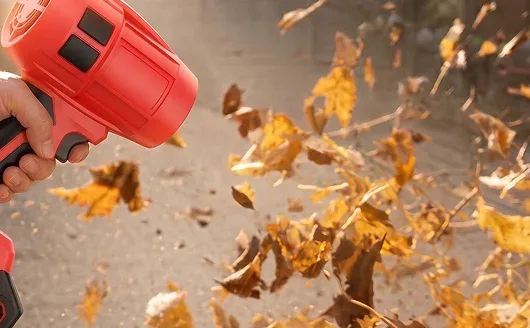
Whatever you plan to do with leaves, you first need to get them where they belong: off the driveway and patio, out of corners and fence lines, into piles for composting or spread out for mowing. A blower does this much faster than a rake on hard surfaces and in tight spots, and it's gentler on garden beds.
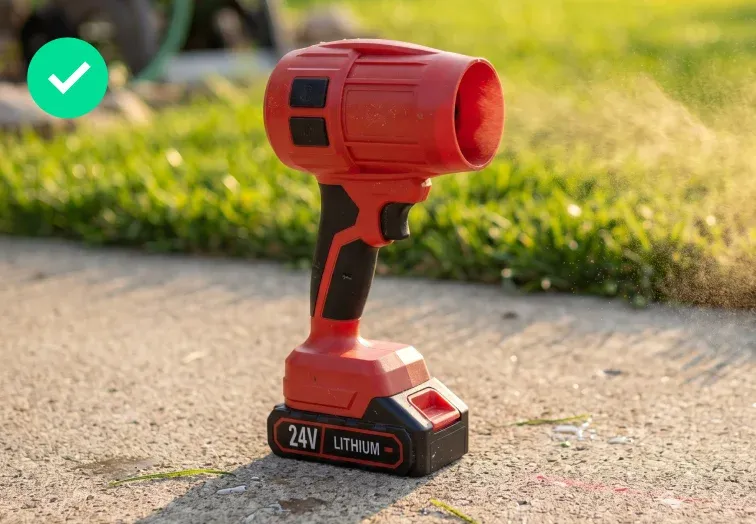
The Wood Ranger Power Leaf Blower is our pick for this kind of everyday leaf management. According to the brand, it has a 1600W brushless motor, weighs 2.1 lb, has a variable-speed trigger (low for beds, higher for concrete) and runs about 30 minutes per charge. It's light enough to grab for a quick five-minute pass and ships from Ohio with a 90-day money-back guarantee. Read our Wood Ranger review, leaf blower vs rake and our guide to the best cordless leaf blower.
Move leaves exactly where you want them
Wood Ranger Power Leaf Blower: 1600W brushless motor, 2.1 lb, variable-speed trigger, about 30 minutes per charge. $69.99, or from $55.99 each in bundles, 90-day guarantee.
Check today's price →From $55.99 each in bundles · 90-day guarantee
What are some other clever uses for leaves?
Beyond mulch and compost, leaves have a few more uses around the yard. They make a good insulating layer over tender perennials and bulbs in cold climates; pile shredded leaves loosely over the crowns after the ground starts to freeze, then pull them back in spring. Bagged dry leaves can be stored in the garage or shed and added to the compost through summer, when green grass clippings are plentiful but brown material is scarce. Leaves can also bulk up raised beds: a layer of shredded leaves at the bottom of a new bed breaks down over time and saves on soil. Some gardeners till chopped leaves directly into vegetable beds in fall, so they decompose before spring planting. And kids love a pile to jump in, which is a fine use too, as long as it's away from the street and clear of sticks and stones.
The common thread is shredding. Whole leaves mat, blow around and break down slowly; shredded leaves stay put, let water and air through and turn into soil much faster. A mower with a bag or a mulching blade is the simplest shredder most homeowners already own.
What about leaves in the garage and car?
Leaves blow into garages, cars, window wells and stairwells all fall long. A quick blower pass keeps the garage floor clear before leaves get tracked into the house, and blows dry leaves out of car floor mats and trunks. See how to clean a garage fast for a full routine.
What about municipal leaf pickup?
Many towns collect leaves curbside in the fall, either loose in piles at the curb or in paper yard-waste bags, and turn them into municipal compost. Check your local rules: some prohibit plastic bags, some require leaves to be set out on certain dates, and many prohibit blowing leaves into the street, where they can clog storm drains and wash into waterways. Don't put leaves in regular trash if your area has yard-waste programs.
Is it OK to burn leaves?
Many communities restrict or ban leaf burning because of air pollution and fire risk. Smoke from burning leaves can irritate the lungs and is especially hard on people with asthma or other breathing problems. Check local rules, and choose mulching, composting or pickup instead.
Are some leaves better than others?
Most common tree leaves, like maple, oak, birch and ash, are fine for mulch and compost. Oak leaves break down slowly and are slightly acidic, so shred them first. Black walnut leaves contain a compound called juglone that can harm some plants, so many gardeners keep them out of vegetable beds and compost them separately. Diseased leaves (for example, from trees with leaf spot) are best removed rather than used as mulch near the same plants.
What does an efficient leaf routine look like?
- Weekly in fall: quick blower pass on the driveway, patio and walkways.
- Every week or two: mulch-mow the lawn while the layer is still light.
- Once or twice: blow leaves out of beds, shred some for mulch and compost the rest.
- Final cleanup: after the trees are bare, clear gutters and drains and do a last mow.
See our full fall yard cleanup checklist, which comes before this guide in the season.
What does this look like in a real yard?
Take a quarter-acre lot with two big maples in front and an oak in back. Instead of spending two weekends raking 30 bags of leaves to the curb, the owner does a ten-minute blower pass on the driveway and walk twice a week, mulch-mows the front lawn every Saturday while the leaves are still a thin layer, and blows the leaves out of the front beds onto the lawn for the mower. In the back, oak leaves get shredded with the mower and spread a few inches deep around the shrubs and vegetable beds, and the extras go into a wire bin to become leaf mold. A back corner under the shrubs is left alone for the birds. By late November, the yard is tidy, the beds are mulched for winter, the compost pile has a winter's worth of browns, and only a few bags went to the curb.
The bottom line
Fallen leaves are a resource, not just a chore. Mulch them into the lawn, use them as bed mulch, compost them or turn them into leaf mold, and leave some for wildlife. Keep them off lawns in thick layers and off paths, gutters and drains. A light blower makes moving leaves to the right place quick and easy.
Our pick is the Wood Ranger Power Leaf Blower. Check today's Wood Ranger price.
Sources
- U.S. Environmental Protection Agency. Composting at Home.
- CDC / NIOSH. About Noise and Occupational Hearing Loss.
- Official Wood Ranger product page, checked October 2026.
Frequently asked questions
Is it OK to leave leaves on the lawn?
A light layer, especially mulched with a mower, is fine and can feed the lawn. A thick, matted layer blocks light and can kill grass.
Can you mow over leaves instead of raking?
Yes. Mulch-mowing dry leaves chops them into small pieces that break down in the lawn. Grass should still be visible afterward.
Are fallen leaves good for garden beds?
Shredded leaves make an excellent free mulch that insulates roots, suppresses weeds and adds organic matter.
How do you compost leaves?
Shred them, mix with greens like grass clippings and food scraps, keep the pile moist and turn it occasionally.
Can I burn my leaves?
Many communities restrict or ban leaf burning due to air pollution and fire risk. Check local rules and choose mulching or composting instead.
What is the easiest way to move leaves?
A light blower clears hard surfaces and beds quickly and pushes leaves onto the lawn for mowing or into piles for composting.

Tim Humbert
Tim looks into the viral gadgets that show up in your feed, from mini leaf blowers to chain sharpeners and car care cloths. He reads the product pages, checkout and return policies, and buyer feedback so you know what a gadget really does before you spend money on it. His reviews are built on manufacturer information, official checkout and return policies, trusted safety sources and buyer feedback, and are updated when offers change. More about Tim.