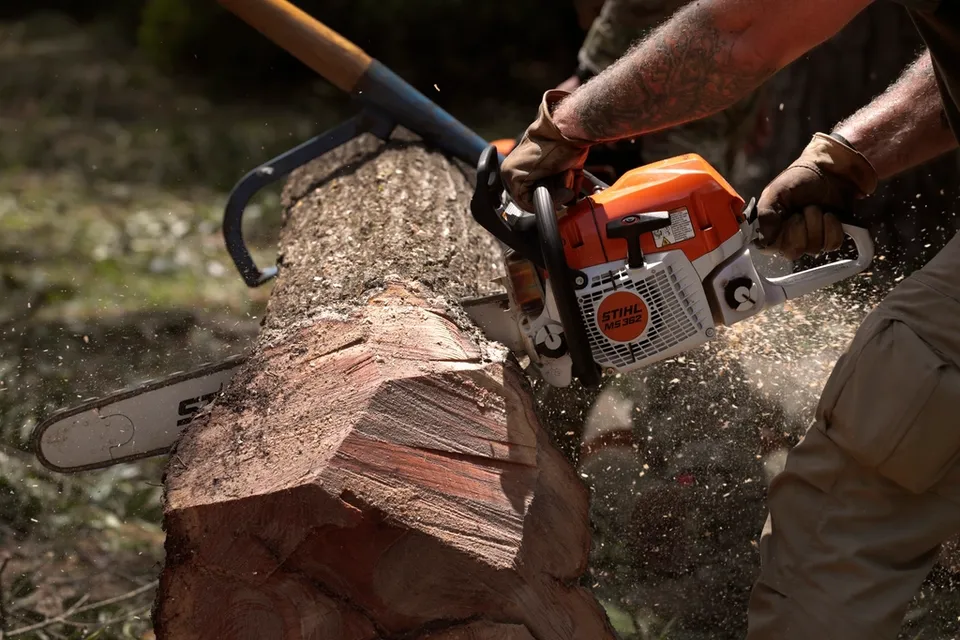
"How to sharpen a chainsaw" is searched thousands of times a month in the US, and it peaks in fall and winter, when people are cutting firewood and cleaning up after storms. A sharp chain makes all the difference: it cuts faster, pulls itself into the wood and is safer to control.
In this guide we explain how to tell when your chain is dull, the tools you can use, a simple step-by-step method, how often to sharpen and the easiest option for homeowners.
Safety first: always turn off the chainsaw, remove the battery or disconnect the spark plug, engage the chain brake and wear cut-resistant gloves before you touch the chain.
How do you know your chainsaw chain is dull?
Your saw will tell you. The most reliable signs:
- Fine sawdust instead of chips. A sharp chain throws thick, square chips. A dull one makes powder.
- You have to push. Oregon, one of the largest chain makers, says a sharp saw should be self-feeding; if you have to push, it's time to sharpen (Oregon).
- The cut drifts to one side, a sign of uneven teeth.
- Smoke or scorch marks on the wood, even with proper chain oil.
- The saw bounces or chatters in the cut.
- You hit dirt, a rock or a nail. One contact can dull a chain instantly.
What parts of the chain do you sharpen?
A chainsaw chain has a few key parts:
- Cutters (teeth): the parts that actually cut. They alternate left and right. Each has a top plate and a side plate that you sharpen.
- Depth gauges (rakers): the small bumps in front of each cutter that control how deep the cutter bites.
- Drive links: the parts that ride in the bar groove and engage the sprocket.
Sharpening means restoring the edge on every cutter at the same angle and length. Every few sharpenings, you also check that the depth gauges aren't too high.
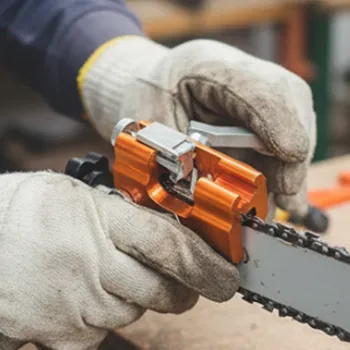
What are the ways to sharpen a chainsaw?
| Method | Best for | Pros | Cons |
|---|---|---|---|
| Freehand round file | Experienced users | Cheap, portable | Hard to keep angles even |
| File with clip-on guide | Intermediate | Better angle control | Still slow, needs practice |
| Bar-mounted crank sharpener (SawShark) | Homeowners and beginners | Guided angle, fast, no power, works on the saw | Manual cranking |
| Electric bench grinder | Heavy users | Fast | Bulky, needs power, can overheat teeth |
| Professional shop | Occasional users | No effort | Costs every time, downtime |
For most homeowners, the biggest challenge is consistency. When every cutter is a slightly different angle or length, the chain cuts crooked and wears unevenly. That's why tools that hold the angle for you are so popular.
What do you need to sharpen a chainsaw?
- Cut-resistant work gloves and safety glasses.
- A vise or a stable surface to hold the saw, or a stump vise.
- A brush and rag to clean the chain.
- Your sharpener: a round file and guide, or a guided tool like SawShark.
- A flat file and depth gauge tool for the rakers.
- A marker to mark your starting tooth.
How do you sharpen a chainsaw step by step?
- Make the saw safe. Turn it off, remove the battery or spark plug wire and engage the chain brake.
- Secure the saw. Clamp the bar in a vise or set the saw on a stable surface so it can't move.
- Clean the chain. Brush off sawdust, sap and dirt so you can see the cutting edges.
- Mark the first cutter with a marker so you know where you started.
- Find the shortest cutter. All cutters should be sharpened to match it.
- Set the angle. Most chains use a top-plate angle around 25 to 35 degrees, often 30. Check your chain's specification.
- Sharpen one side. Sharpen every cutter that faces the same direction, using the same number of strokes or crank turns on each. Oregon recommends completing all the cutters on one side before switching sides.
- Sharpen the other side. Turn around or flip the guide and repeat on the opposite cutters.
- Check the depth gauges every few sharpenings with a depth gauge tool and lower them with a flat file if needed.
- Check the tension and oil, release the chain brake and make a test cut. You should see chips, not dust.
What's the easiest way to sharpen for homeowners?
If you've ever tried freehand filing, you know the hard part isn't the stroke, it's keeping every tooth at the same angle. A bar-mounted guided sharpener solves that.
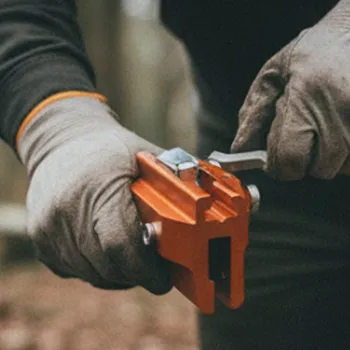
The SawShark clamps directly to your chainsaw bar. A built-in guide holds the grinding head at the correct angle, and you simply turn the crank handle on each tooth. According to SawShark, it:
- Restores each tooth evenly, so the saw cuts straighter and faster.
- Sharpens a full chain in minutes.
- Works with all chainsaw brands, bar sizes and chain types.
- Needs no electricity, batteries or bench, so you can use it in the woods.
- Sharpens without overheating the teeth, unlike some electric grinders.
It's built from stainless steel and aluminum alloy, weighs about half a pound and costs $29.95, or as little as $17.97 each in bundles. Read the full SawShark review.
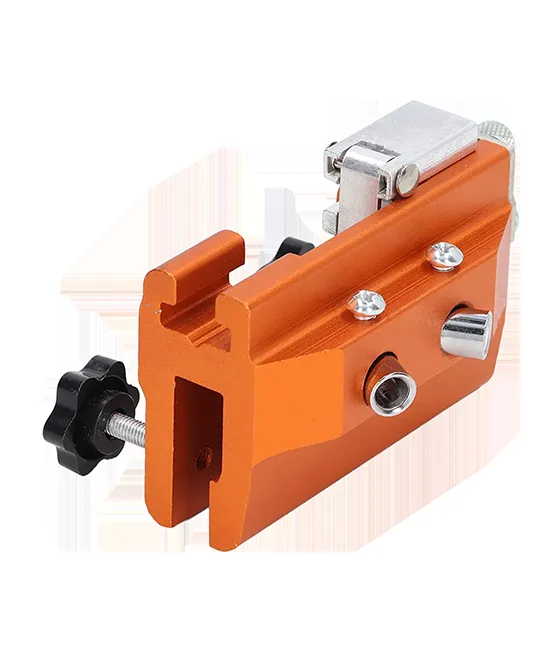
Our pick: the SawShark Chainsaw Sharpener
Hand-crank chain sharpener that clamps to your chainsaw bar and guides every tooth at the same angle. No power needed.
Check today's price →$29.95, or from $17.97 each in bundles
How often should you sharpen a chainsaw?
Oregon's rule of thumb is simple: sharpen every time you refill the gas. Battery saw owners can use a similar rhythm, such as every battery or two of hard cutting.
Sharpen sooner if you hit dirt, rocks or metal, or as soon as you see sawdust instead of chips. Little and often is easier than restoring a very dull chain, and it keeps your cuts safer and faster.
What about depth gauges (rakers)?
Each time you sharpen, the cutters get a little shorter and lower. Eventually the depth gauge in front of each cutter sits too high, and the chain stops biting even though it's sharp. Every few sharpenings, lay a depth gauge tool over the chain and file down any raker that sticks up, then round the front edge. Oregon recommends rechecking the depth gauges as part of regular sharpening.
What are the most common sharpening mistakes?
- Uneven angles between teeth, which makes the saw cut crooked.
- Different tooth lengths from side to side.
- Filing too deep or with the wrong file size.
- Forgetting the depth gauges.
- Overheating teeth with a grinder, which can weaken the steel.
- Sharpening with the saw unsecured or running. Never do this.
When should you replace the chain instead?
- Cutters are worn down to the minimum line or very short.
- Teeth are cracked, chipped or broken.
- The chain is stretched and can't be tensioned properly.
- Drive links are damaged or the chain kinks.
Keeping a spare chain is a good idea, and a portable sharpener lets you keep both in top shape.
How do you use a chainsaw safely after sharpening?
A sharp chain is safer because you don't have to force the saw. Still, follow the basics from the OSHA chainsaw safety fact sheet: wear protective equipment, keep both hands on the handles, don't cut with the tip of the bar and don't cut above shoulder height. The CCOHS explains that kickback happens when the upper tip of the bar touches an object or the wood pinches the chain, and it can throw the bar back toward you in a fraction of a second.
Getting ready for firewood season?
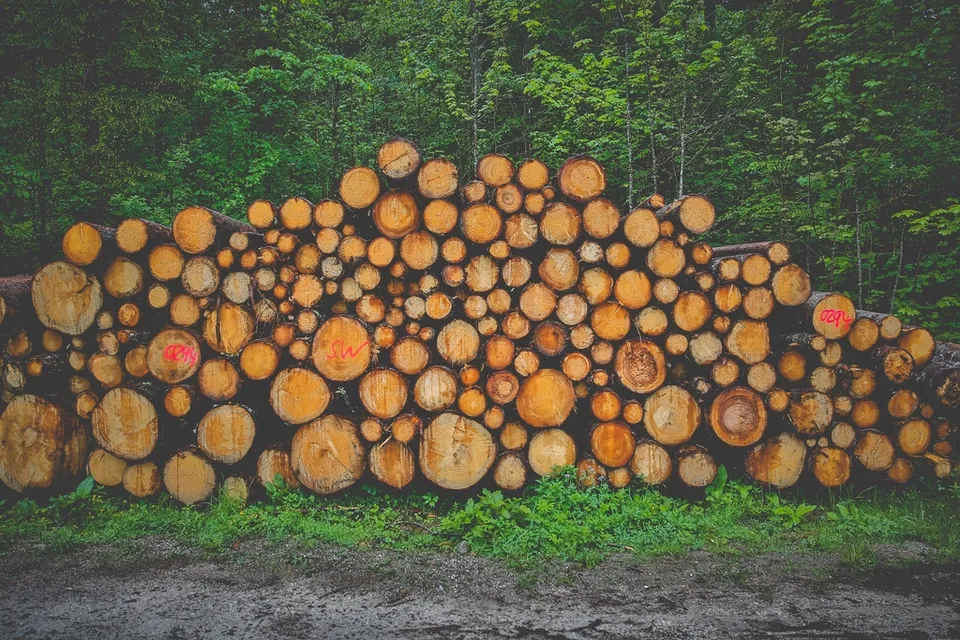
Fall is the perfect time to get your tools in shape. Sharpen your chain before the first big cutting day, stack firewood off the ground and under cover, and keep a light blower handy to clear sawdust and leaves from the work area. Our Wood Ranger leaf blower review covers a 2.1 lb cordless blower that's handy for exactly that, and our guide do mini leaf blowers work? explains what these small blowers can handle. If winter storms bring snow, see using a leaf blower for snow.
Do battery chainsaws need sharpening too?
Yes. Battery-powered chainsaws use the same kind of chain as gas saws, and a dull chain drains the battery faster because the motor has to work harder. Keeping the chain sharp is one of the easiest ways to get more cuts per charge. The same tools work on both, including bar-mounted sharpeners like SawShark.
Related guides: signs your chain is dull, chainsaw maintenance and how to cut firewood.
The bottom line
Sharpening a chainsaw comes down to three things: safety, the same angle on every cutter and the same length on every cutter. Sharpen whenever you see sawdust instead of chips, or every time you refill the gas, and check the depth gauges every few sharpenings.
If you want even results without learning to file freehand, a guided sharpener is the easiest route. Our pick is the SawShark: it clamps to the bar, holds the angle for you and needs no electricity. Check today's SawShark price.
Sources
- Oregon. Sharpening Chainsaw Chain.
- OSHA. Chainsaw Safety fact sheet.
- CCOHS. Chainsaws: Kickback.
- Official SawShark product page, checked October 2026.
Frequently asked questions
How do I know if my chainsaw chain is dull?
The clearest sign is fine sawdust instead of thick chips. Other signs: you have to push the saw into the wood, the cut drifts to one side, the saw smokes or the wood looks scorched.
What angle should I sharpen my chainsaw chain?
Most chains are sharpened at a top-plate angle of about 25 to 35 degrees, with 30 degrees the most common. Always check the specification for your chain.
How often should you sharpen a chainsaw?
A good rule of thumb from Oregon is every time you refill the gas tank, and whenever the chain starts producing sawdust instead of chips.
Can you sharpen a chainsaw without taking the chain off?
Yes. Hand files with guides and bar-mounted sharpeners like SawShark work with the chain on the saw. Turn the engine off, engage the chain brake and secure the saw first.
How many times can a chain be sharpened?
Many chains can be sharpened a lot of times before the cutters get too short. Replace the chain when the cutters are worn back to the manufacturer's minimum or are cracked or damaged.
Is it better to sharpen or replace a chainsaw chain?
Sharpening is far cheaper and quicker for a dull chain. Replace it if teeth are broken, the chain is stretched or the cutters are worn down.
What's the easiest way to sharpen a chainsaw?
For most homeowners, a guided tool that holds the angle for you is the easiest. Our pick is the SawShark, a hand-crank sharpener that clamps to the bar and needs no electricity.

Tim Humbert
Tim looks into the viral gadgets that show up in your feed, from mini leaf blowers to chain sharpeners and car care cloths. He reads the product pages, checkout and return policies, and buyer feedback so you know what a gadget really does before you spend money on it. His reviews are built on manufacturer information, official checkout and return policies, trusted safety sources and buyer feedback, and are updated when offers change. More about Tim.