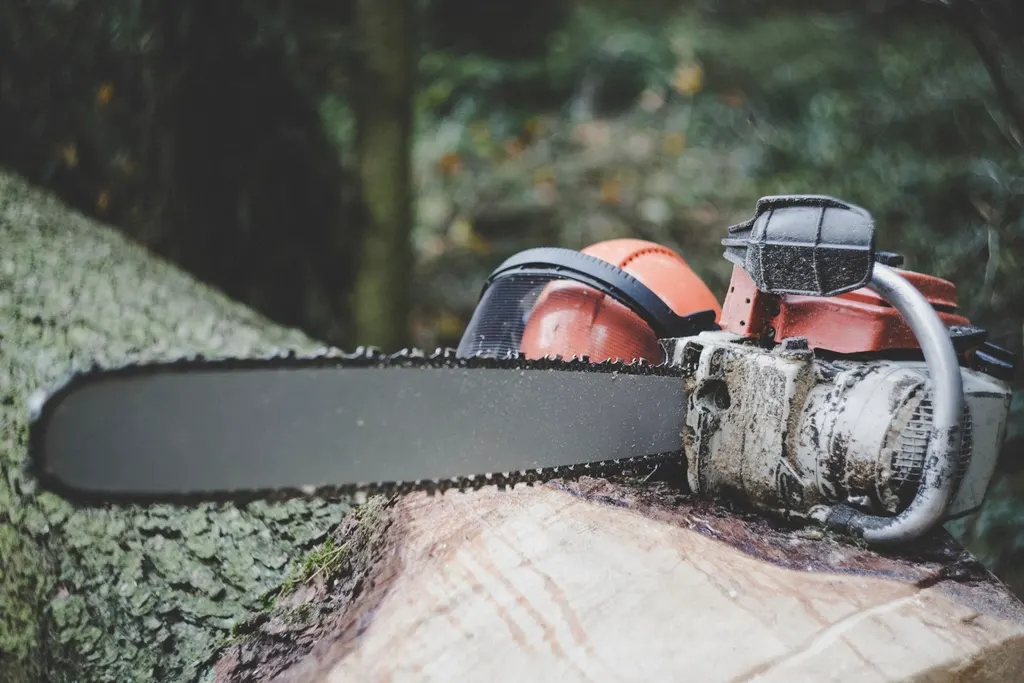
- The saw makes fine sawdust instead of chips.
- You have to push down to make it cut.
- It pulls to one side or cuts crooked.
- It smokes even with good bar oil.
- It bounces or chatters in the cut.
- Cuts take noticeably longer.
A chainsaw chain doesn't go from sharp to dull in one cut. It fades gradually, and because you adapt without noticing, many people keep cutting long after the chain should have been sharpened. They push harder, the saw works harder, the cuts get slower and rougher, and the whole job becomes more tiring and less safe.
Learning to recognize a dull chain early is one of the most useful chainsaw skills you can have. This guide covers the signs, why they happen, what dulls a chain quickly, how often to sharpen and what to do about it.
What do the chips tell you?
The single best indicator is what comes out of the cut.
| What comes out | What it means |
|---|---|
| Thick, square-ish chips or curls | Sharp chain, cutting properly |
| Mix of chips and coarse dust | Starting to dull; plan to sharpen soon |
| Fine, powdery sawdust | Dull; sharpen now |
A sharp cutter slices out a chunk of wood like a tiny plane. A dull cutter scrapes and grinds, producing powder.
What are the other signs of a dull chain?
- You have to force the saw: a sharp chain feeds itself into the wood with light pressure. If you're leaning on it, it's dull.
- The saw pulls left or right: uneven sharpening or damaged teeth on one side make the saw drift and cut crooked.
- Smoke: friction from a dull chain heats the wood and bar. Check chain tension and oiling too, since loose chains and dry bars also smoke.
- Chattering or bouncing: the saw vibrates or hops instead of cutting smoothly.
- Slower cuts: logs you used to cut in seconds now take much longer, even with the throttle wide open.
- Darker cut faces from burning wood, sometimes with a scorched smell.
- Visible damage: rounded, shiny or chipped cutter edges.
- Battery or fuel draining faster than usual.
Why does a dull chain matter?
- Safety: forcing a dull saw makes it harder to control. The Canadian Centre for Occupational Health and Safety explains how kickback happens and lists proper chain maintenance among the ways to reduce risk.
- Effort: you work much harder, and fatigue leads to mistakes.
- Wear and tear: a dull chain strains the motor, bar and sprocket.
- Fuel and battery: you burn more of both.
- Cut quality: crooked, rough cuts make firewood harder to stack and split.
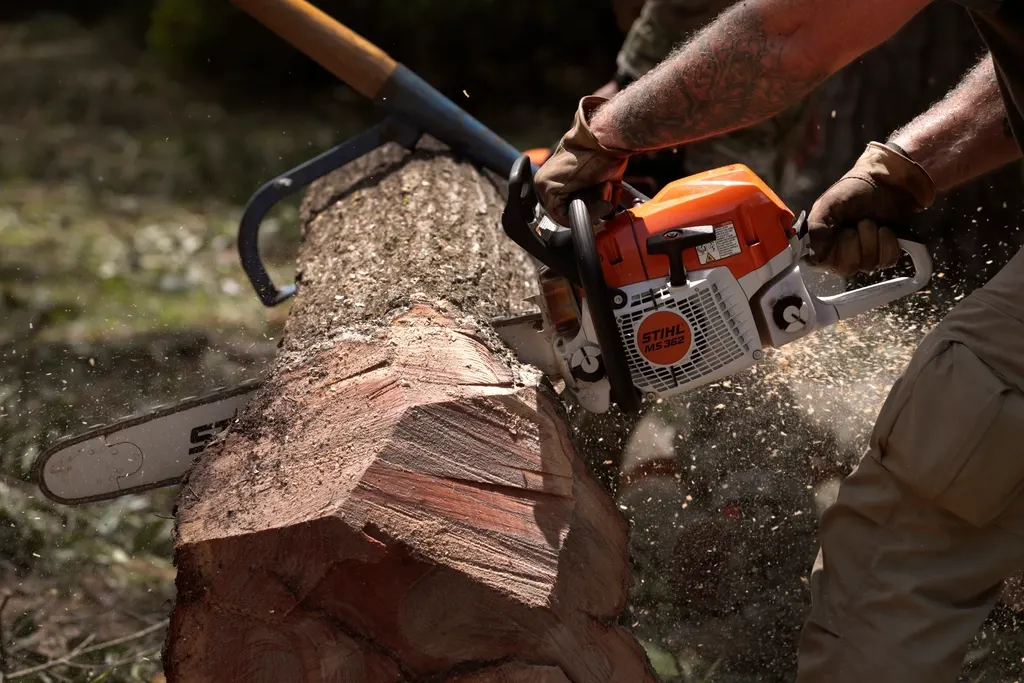
What dulls a chain quickly?
- Dirt and sand: the number one chain killer. Cutting near the ground or through muddy bark dulls a chain fast.
- Hitting rocks, nails or metal: one strike can ruin several teeth.
- Dirty or weathered wood: bark carries grit.
- Hard or frozen wood: dulls chains faster than soft, green wood.
- Poor lubrication: low bar oil increases heat and wear.
- Wrong tension: too loose or too tight affects how the chain cuts and wears.
How often should you sharpen a chain?
There's no fixed schedule. It depends on the wood and conditions. Many experienced users touch up their chain every time they refuel (or every battery charge on electric saws), or after a few hours of cutting clean wood. Sharpen immediately after hitting dirt, a rock or metal. Frequent light touch-ups keep the chain cutting well and remove less metal than occasional heavy sharpening, so the chain lasts longer. Chain maker Oregon emphasizes keeping cutters sharpened at the correct angles for safe, efficient cutting.
What should you do when the chain is dull?
You have four options: hand-file it, use a guided sharpener, take it to a shop or replace it. Hand filing is cheap but takes skill to keep every tooth at the same angle. Shop sharpening means downtime and a fee each time. Replacing chains every time they dull gets expensive.
A guided manual sharpener is the practical middle ground for homeowners. SawShark clamps onto your chainsaw's bar and guides a grinding wheel across each tooth at a consistent angle as you turn a crank. There's no electricity needed, so you can sharpen in the garage or out in the woods the moment you notice dust instead of chips. It costs $29.95, or as low as $17.97 each in bundles, with a 30-day return policy. Read our SawShark review and is SawShark legit?
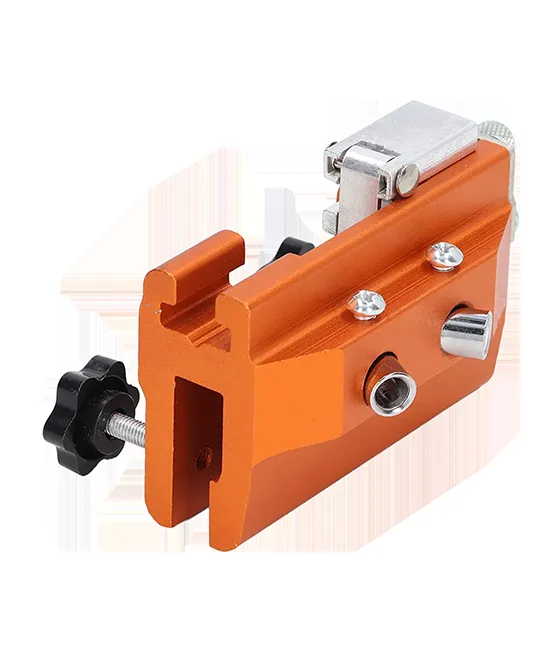
Sharpen the moment your chain starts making dust
SawShark hand-crank sharpener: clamps to your bar, guides every tooth at the same angle, no power needed. $29.95, or from $17.97 each in bundles.
Check today's price →$29.95, or from $17.97 each in bundles
How do you check a chain closely?
- Turn off the saw and remove the battery or spark plug wire.
- Wear gloves, since even a dull chain can cut skin.
- Clean the chain so you can see the cutters.
- Look at the cutting edges: sharp edges are crisp; dull ones look rounded or reflect light.
- Check for damage: chipped or broken teeth, especially after hitting something.
- Compare teeth on both sides: they should be similar in length.
- Check the depth gauges (rakers) with a gauge tool occasionally.
When should you replace a chain instead of sharpening it?
Replace the chain when the cutters have been filed back to the minimum length marked on the tooth, when teeth are broken or cracked, when the chain is badly stretched and can't be tensioned properly, or when it keeps cutting crooked after careful sharpening. A good habit is to keep a spare chain on hand, so you can swap and keep working while the other gets attention. Label chains with a tag or a dab of paint so you know which one is freshly sharpened, and store spares in a sealed bag with a little oil so they don't rust between seasons.
Could it be tension or oil instead?
Some symptoms of a dull chain, like smoking and poor cutting, can also come from a loose chain or a dry bar. Check that the chain is tensioned according to your saw's manual (snug on the bar but still pulls freely by hand with gloves on, saw off), and that the bar oil reservoir is full and oil is reaching the chain. Fix those first, then judge sharpness by the chips.
What does a dull chain feel like on a real firewood day?
Picture a Saturday cutting up a fallen oak into firewood. The first few rounds go fast: the saw pulls itself through, chips pile up around your boots, and each cut takes seconds. Somewhere along the way, a log rolls and the tip touches the dirt for a moment. The next cuts feel slightly different. You notice you're pressing down a bit, the pile at your feet looks more like coffee grounds than chips, and there's a faint smell of hot wood. By the afternoon, each cut takes twice as long and your forearms ache. Many people push on, assuming they're just tired.
That moment, when the chips turn to dust, is when to stop, shut off the saw, clean the chain and give it a quick touch-up. Five minutes with a sharpener brings back the morning's cutting speed, saves your arms and makes the rest of the job safer. Keeping logs off the ground on a sawbuck or another log is the best way to avoid that dirt strike in the first place. See how to cut firewood.
Do electric and battery chainsaws show the same signs?
Yes, and some signs are even easier to spot. A battery saw with a dull chain drains its battery much faster, and you may notice you get far fewer cuts per charge than when the chain was fresh. Because battery and corded saws often have smaller motors than big gas saws, they're more sensitive to a dull chain: instead of powering through, they slow, bog down and may trip their overload protection. Smaller saws often use narrower, low-profile chains, so check your saw's manual for the right file size or sharpener settings. The chips-versus-dust test works exactly the same way, and so does the rule of sharpening right after hitting dirt. If you're choosing between saw types, see electric vs gas chainsaws.
What habits keep a chain sharp longer?
A few habits make a big difference. Keep the bar nose out of the dirt by cutting logs raised on a sawbuck or on another log. Clean bark of mud before cutting firewood that has been dragged across the ground. Check for nails, wire and fence staples in yard trees, which are common in older properties. Keep the bar oil topped up and check that oil reaches the chain. Adjust tension when the chain is warm and loose, following your manual. Clean the bar groove and oil holes regularly. And touch up the chain little and often, which keeps it cutting well and removes less metal than one heavy sharpening. Our guide to chainsaw maintenance covers the full routine.
What safety gear should you wear?
Always wear chainsaw safety gear: eye and face protection, hearing protection, a helmet, cut-resistant chaps or pants, gloves and sturdy boots. Follow the guidance in OSHA's chain saw safety fact sheet and your saw's manual.
The bottom line
A dull chain makes dust instead of chips, needs force to cut, pulls to one side, smokes, chatters and slows you down. Check tension and oil, then sharpen as soon as you see the signs, and immediately after hitting dirt or a rock. Frequent light touch-ups keep the chain cutting safely and make it last longer.
For quick, consistent sharpening anywhere, our pick is SawShark. Check today's SawShark price, and see our step-by-step guide on how to sharpen a chainsaw.
Sources
- Oregon Tool. Sharpening Chainsaw Chain.
- Canadian Centre for Occupational Health and Safety. Chainsaws: Kickback.
- OSHA. Chain Saw Safety Fact Sheet.
Frequently asked questions
How do I know if my chainsaw chain is dull?
It makes fine sawdust instead of chips, you have to push to make it cut, it pulls to one side, smokes or chatters, and cuts take longer.
How often should you sharpen a chainsaw chain?
Many users touch up the chain every refuel or battery charge, or after a few hours of clean cutting, and immediately after hitting dirt, rocks or metal.
What dulls a chainsaw chain fastest?
Dirt and sand are the biggest culprits, along with hitting rocks or metal, dirty bark, hard or frozen wood and poor lubrication.
Why is my chainsaw smoking?
Usually a dull chain, but also check chain tension and bar oil, since a loose chain or dry bar causes friction and smoke.
When should I replace a chainsaw chain?
When cutters reach the minimum length mark, teeth are broken or cracked, the chain is badly stretched, or it cuts crooked after proper sharpening.
Is SawShark good for touch-ups?
Yes. It clamps to the bar and guides each tooth at a consistent angle, so you can touch up the chain quickly in the garage or the field.

Tim Humbert
Tim looks into the viral gadgets that show up in your feed, from mini leaf blowers to chain sharpeners and car care cloths. He reads the product pages, checkout and return policies, and buyer feedback so you know what a gadget really does before you spend money on it. His reviews are built on manufacturer information, official checkout and return policies, trusted safety sources and buyer feedback, and are updated when offers change. More about Tim.