- Before each use: check chain sharpness and tension, bar oil, controls and the chain brake.
- After each use: clean sawdust from the bar, chain, sprocket area and air filter.
- Regularly: sharpen the chain, flip the bar, clean the bar groove and oil holes, and check the sprocket.
- Gas saws, seasonally: service the spark plug, air filter and fuel system.
A chainsaw is one of the most powerful tools a homeowner owns, and one of the most neglected. Many saws sit in the garage from one storm to the next, then get pulled out with a dull chain, old fuel and a clogged air filter. The result is a saw that's hard to start, cuts poorly and is more dangerous to use.
The good news is that chainsaw maintenance isn't complicated. Most of it takes a few minutes before and after each use. This guide covers a complete routine for gas and battery saws, from the chain and bar to the engine, plus storage tips and a simple checklist.
Why does chainsaw maintenance matter?
- Safety: a sharp, properly tensioned chain and working safety features reduce the risk of accidents. OSHA's chain saw safety guidance emphasizes inspecting the saw and its safety features before use.
- Performance: a well-maintained saw cuts faster and smoother.
- Longevity: clean, lubricated parts wear more slowly.
- Reliability: gas saws start more easily with clean fuel and filters.
- Cost: replacing chains, bars and sprockets early adds up.
What should you check before every use?
- Chain sharpness: look for damaged teeth; sharpen if needed.
- Chain tension: with the saw off and gloves on, the chain should sit snug against the bar but still pull around by hand. Follow your manual.
- Bar oil: fill the reservoir. Many saws need it at every refuel or recharge.
- Chain brake: test that it engages and stops the chain.
- Controls: throttle, throttle lock, on/off switch.
- Chain catcher and hand guard: present and undamaged.
- Loose parts: check bar nuts, covers and handles.
- Fuel or battery: fresh, correctly mixed fuel for gas saws; charged battery for electric.
How do you keep the chain in good shape?
The chain does all the cutting, so it needs the most attention:
- Sharpen often: touch up the chain every refuel or after a few hours of cutting, and immediately after hitting dirt, rocks or metal. Frequent light sharpening removes less metal than occasional heavy sharpening.
- Keep angles consistent: uneven teeth make the saw cut crooked.
- Check depth gauges (rakers) occasionally with a gauge and flat file.
- Keep it clean and oiled, and store it with a light coat of oil.
- Replace it when cutters reach the minimum length mark or teeth are broken.
Chain maker Oregon explains that keeping cutters at the correct angles is key to safe, efficient cutting. See the signs your chain is dull and how to sharpen a chainsaw.
What is the easiest way to keep a chain sharp?
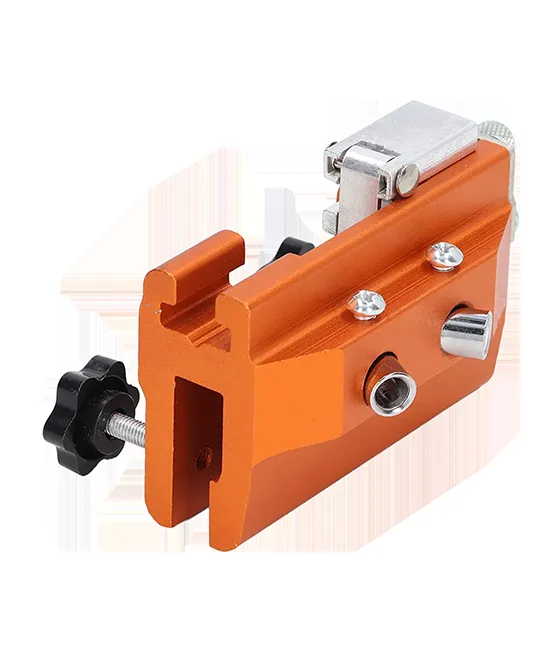
Most homeowners don't sharpen often enough because hand filing takes skill and shop sharpening takes time. A guided manual sharpener changes that. SawShark clamps onto your chainsaw bar and guides a grinding wheel across each tooth at a consistent angle as you turn a crank, with no electricity needed. It turns sharpening into a few-minute job you can do in the garage or the woods, so you're far more likely to keep the chain in top shape. It costs $29.95, or as low as $17.97 each in bundles, with a 30-day return policy. Read our SawShark review and is SawShark legit?

Make chain sharpening part of every job
SawShark hand-crank sharpener: clamps to your bar, guides every tooth at the same angle, no power needed. $29.95, or from $17.97 each in bundles.
Check today's price →$29.95, or from $17.97 each in bundles
How do you maintain the guide bar?
- Clean the bar groove with a groove cleaner or small screwdriver to remove packed sawdust.
- Clear the oil holes so oil reaches the chain.
- Flip the bar each time you sharpen or replace the chain, so it wears evenly.
- File off burrs on the bar rails with a flat file.
- Grease the nose sprocket if your bar has one and the manual calls for it.
- Check for wear: uneven or spread rails mean it's time for a new bar.
What about the drive sprocket and clutch?
The drive sprocket under the side cover wears along with the chain. Inspect it when you replace chains; worn, pointed or grooved teeth should be replaced, often every second chain or as the manual recommends. Clean sawdust from under the side cover regularly, as it can pack in and trap heat and moisture.
What maintenance does a gas chainsaw need?
- Fuel: use the correct fuel-oil mix and fresh gas; many manufacturers recommend using fuel within about 30 days or using a stabilizer.
- Air filter: clean after each use or as needed; replace when damaged.
- Spark plug: check, clean and replace as the manual recommends.
- Fuel filter: replace periodically.
- Cooling fins and starter: keep clear of sawdust.
- Carburetor: leave adjustments to a technician unless you know how.
What maintenance does a battery or electric chainsaw need?
Battery saws skip the engine work but still need chain, bar and oil care. Keep batteries charged and stored at moderate temperatures, keep vents clear of sawdust, check cords on corded saws for damage, and follow the manual for any brush or motor service. A sharp chain is especially important on battery saws because dull chains drain the battery fast. See electric vs gas chainsaws.
What should you do after each use?
- Let the saw cool for a few minutes on a safe surface.
- Remove the battery or switch off the fuel and engage the chain brake.
- Brush sawdust off the saw, bar and chain with a stiff brush or blow it off.
- Remove the side cover and clean around the sprocket and brake.
- Clean the air filter on gas saws.
- Touch up the chain if it's dulled, so it's ready next time.
- Fit the bar cover (scabbard) before storing.
How should you store a chainsaw?
For short-term storage, clean the saw, fit the bar cover and store it somewhere dry. For longer storage, such as over winter or between storm seasons, follow the manual: empty or stabilize fuel in gas saws, run the engine until it stops, clean everything thoroughly, oil the chain and bar lightly to prevent rust, remove the battery from electric saws and store it partly charged indoors, and keep the saw out of reach of children.
What does a simple maintenance schedule look like?
| When | Task |
|---|---|
| Before each use | Chain sharpness and tension, bar oil, chain brake, controls, fuel or battery |
| During use | Touch up the chain at each refuel or charge; re-tension as it warms |
| After each use | Clean saw, bar groove, side cover area; clean air filter |
| Every chain change | Flip bar, file burrs, inspect sprocket |
| Seasonally | Spark plug, fuel filter, full clean; prepare for storage |
What does maintenance look like over a typical season?
Think of a homeowner who cuts firewood a few weekends each fall and cleans up storm damage once or twice a winter. Before the first job, they pull the saw from storage, check the chain and touch it up, fill the bar oil, check tension and test the brake: about ten minutes. During a day of cutting, they stop at each refuel for a quick sharpen and a tension check, which keeps the saw cutting like new all day. At the end of the day, they brush off the sawdust, clean under the side cover and the air filter, and put on the bar cover. When the chain finally reaches its wear limit, they swap in a new one, flip the bar and check the sprocket. At the end of the season, they drain or stabilize the fuel, clean the saw thoroughly, oil the chain and store it in a dry place. None of these steps take long, but together they keep the saw safe, reliable and easy to start year after year.
What are common chainsaw problems and their likely causes?
A few symptoms come up again and again. If the saw smokes or the chain turns blue, check bar oil first, then tension and sharpness. If it cuts crooked, the teeth are probably uneven from inconsistent sharpening, or the bar rails are worn unevenly; sharpen all teeth to the same length and dress or flip the bar. If the chain keeps coming loose, it may be stretching as it wears in, or the bar nuts aren't tightened properly after adjustment. If a gas saw won't start, old fuel, a dirty air filter or a fouled spark plug are the usual suspects. If a battery saw cuts out, the chain may be dull or the battery low or too cold. And if the chain doesn't stop when you release the throttle, stop using the saw and have the clutch and brake checked by a professional.
Most of these trace back to the basics in this guide, which is why a regular routine prevents most breakdowns before they happen.
What safety gear should you wear?
Maintenance includes your protective gear. Wear eye and face protection, hearing protection, a helmet, cut-resistant chaps or pants, gloves and sturdy boots, and replace chaps that have been cut. The Canadian Centre for Occupational Health and Safety explains how kickback happens and how to reduce it.
The bottom line
Good chainsaw maintenance is mostly a few minutes before and after each use: a sharp, properly tensioned chain, plenty of bar oil, clean bar and sprocket area, working safety features and, for gas saws, clean fuel and filters. Sharpen little and often, flip the bar and store the saw properly between seasons.
For quick, consistent sharpening, our pick is SawShark. Check today's SawShark price, and see how to cut firewood safely.
Sources
- OSHA. Chain Saw Safety Fact Sheet.
- Oregon Tool. Sharpening Chainsaw Chain.
- Canadian Centre for Occupational Health and Safety. Chainsaws: Kickback.
Frequently asked questions
How often should a chainsaw be serviced?
Check the chain, tension, bar oil and safety features before every use, clean after every use, and do seasonal service like spark plugs and fuel filters on gas saws.
How often should I sharpen my chainsaw chain?
Many users touch up the chain at every refuel or battery charge, or after a few hours of cutting, and right after hitting dirt or rocks.
Why should you flip a chainsaw bar?
Flipping the bar at each sharpening or chain change spreads wear evenly across both rails, so the bar lasts longer.
How tight should a chainsaw chain be?
Snug against the bar but still able to pull around by hand with the saw off and gloves on. Follow your saw's manual.
How do you store a chainsaw for winter?
Clean it, empty or stabilize fuel on gas saws, oil the chain lightly, remove and store the battery indoors on electric saws, and fit the bar cover.
What is the easiest way to keep a chain sharp?
A guided manual sharpener like SawShark makes touch-ups quick and consistent, so you sharpen more often.

Tim Humbert
Tim looks into the viral gadgets that show up in your feed, from mini leaf blowers to chain sharpeners and car care cloths. He reads the product pages, checkout and return policies, and buyer feedback so you know what a gadget really does before you spend money on it. His reviews are built on manufacturer information, official checkout and return policies, trusted safety sources and buyer feedback, and are updated when offers change. More about Tim.