- It's quieter and lighter.
- It starts instantly.
- It needs very little maintenance.
Chainsaws used to mean one thing: a loud, smoky gas engine and a pull cord. Today, battery chainsaws are good enough that many homeowners never need gas at all, while others still swear by the power and run time of a gas saw. Choosing between them depends on what you cut, how often and where.
This guide compares electric and gas chainsaws on power, run time, weight, noise, maintenance, cost and safety, and explains which type fits which homeowner.
What types of chainsaws are there?
- Battery (cordless electric): rechargeable lithium-ion, from small pruning saws to full-size models.
- Corded electric: plug into an outlet; good near the house, limited by the cord.
- Gas: two-stroke engines, from homeowner models to professional saws.
- Pole saws (battery or gas): a small chain on a long pole for high branches.
How do electric and gas chainsaws compare?
| Battery electric | Gas | |
|---|---|---|
| Power | Good for pruning, storm cleanup, moderate logs | Best for large trees and heavy firewood |
| Run time | Limited by battery; spares help | Refuel and keep cutting |
| Starting | Push a button | Pull cord, choke |
| Noise | Much quieter | Very loud |
| Weight | Generally lighter | Heavier, especially larger models |
| Fumes | None | Exhaust fumes |
| Maintenance | Chain, bar and oil only | Plus fuel mix, plugs, filters, carburetor |
| Bar length | Usually 6–18 in | Up to 20 in and beyond |
| Remote use | Needs charged batteries | Gas can is easy to carry |
Why do many homeowners prefer battery chainsaws?
- Instant start: no pull cords, flooding or old fuel problems.
- Quiet: easier on your ears and your neighbors.
- No fumes: pleasant to use, even near the house.
- Light and easy to handle, especially for occasional users.
- Low maintenance: no engine to service.
- Shared batteries with other cordless tools in many brands.
For pruning, cutting fallen branches after storms, trimming hedgerows and processing small to medium logs, a battery saw is often all a homeowner needs.
When does a gas chainsaw make more sense?
- Heavy firewood cutting: cords of wood each season, especially large hardwood rounds.
- Felling or bucking big trees regularly.
- Long days of cutting without stopping to recharge.
- Remote properties without convenient charging.
- Longer bars for large-diameter logs.
Why does chain sharpness matter even more on battery saws?
A dull chain makes any saw work harder, but battery saws feel it most. With a dull chain, a battery saw bogs down, cuts slowly, and drains the battery much faster, so you get far fewer cuts per charge. Gas saws can muscle through with a dull chain (though they shouldn't), but battery saws simply lose performance. Keeping the chain sharp is the single best way to get the most out of a battery saw.
Chain maker Oregon notes that keeping cutters sharpened at the correct angles is key to safe, efficient cutting. Touch up the chain when it starts producing fine dust instead of chips, and right after hitting dirt. See the signs your chain is dull.
SawShark makes regular touch-ups easy on gas or battery saws. It clamps onto the bar and guides a grinding wheel across each tooth at a consistent angle as you turn a crank, with no electricity needed. Check the instructions for compatibility with your chain size. It costs $29.95, or as low as $17.97 each in bundles, with a 30-day return policy. Read our SawShark review.
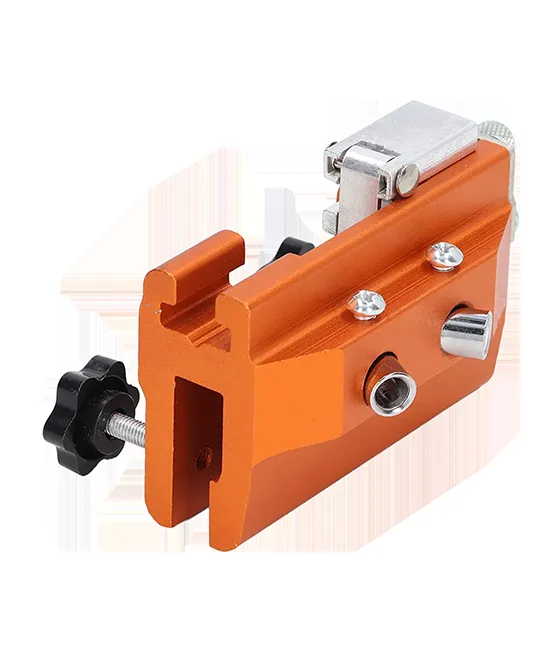
Keep any chainsaw cutting like new
SawShark hand-crank sharpener: clamps to your bar, guides every tooth at the same angle, no power needed. $29.95, or from $17.97 each in bundles.
Check today's price →$29.95, or from $17.97 each in bundles
How does maintenance compare?
Both types need chain sharpening, correct tension, bar oil, cleaning of the bar groove and oil holes, and sprocket checks. Gas saws add the right fuel-oil mix, fresh fuel or stabilizer, spark plugs, air and fuel filters and carburetor care. Battery saws add battery care: store batteries at moderate temperatures and charge according to the manufacturer. See our full guide to chainsaw maintenance.
Are electric chainsaws safer?
Both are dangerous tools that demand respect. Battery saws are lighter, stop the chain quickly when you release the trigger and don't produce exhaust, which some users find easier to control. But they cut just as dangerously. Kickback, when the bar tip contacts wood and the saw jerks back toward the user, can happen with any chainsaw; the Canadian Centre for Occupational Health and Safety explains how kickback happens. Always wear protective gear: eye and hearing protection, helmet, cut-resistant chaps, gloves and boots, and follow OSHA's chain saw safety guidance.
How do the costs compare?
Battery saws with a battery and charger can cost about the same as a homeowner gas saw, and less if you already own batteries from the same tool brand. Over time, gas saws add fuel, oil and parts, while battery saws may eventually need a replacement battery. For occasional users, battery saws often cost less to own; for heavy users, gas can be more economical per hour of cutting.
Is a corded electric chainsaw worth considering?
Corded saws are inexpensive, light and have unlimited run time as long as they're plugged in, which makes them handy for jobs close to the house, such as cutting up branches on the driveway or trimming a hedge row near an outlet. The trade-offs are reach and safety: you need a heavy-duty outdoor extension cord of the right gauge, the cord can tangle in brush, and you must keep it well away from the chain. They're a reasonable budget option for small properties, but most homeowners who want an electric saw now choose battery models for freedom of movement.
How do cold and wet weather affect each type?
Cold weather is when many people need a saw most, after ice storms and winter wind. Gas saws can be harder to start in the cold, especially with old fuel, and may need warm-up time. Battery saws start instantly, but cold batteries deliver less power and run time; keep spare batteries indoors and bring them out as needed. Wet wood and wet conditions affect both: keep the saw clean, dry it after use and store it indoors. Never operate any saw in conditions where your footing is unsafe, and be extra careful with storm-damaged trees, which can be under heavy tension.
What should a first-time buyer look for?
If this is your first chainsaw, start with a lighter, shorter-bar saw that you can control comfortably, and learn safe technique on small, well-supported logs. Look for a chain brake, a chain catcher, a low-kickback chain and bar, an easy chain tensioning system and clear instructions. Buy the protective gear at the same time as the saw, not later. A battery saw is often the easiest way to start, because it removes the hassle of starting and fueling an engine. Whatever you buy, add a way to keep the chain sharp from day one, because a sharp chain is safer and more pleasant to use than a dull one on any saw.
How should you store each type?
Battery saws are the easiest to store: clean off sawdust, fit the bar cover, remove the battery and keep both indoors at moderate temperatures, charged partway as most manufacturers recommend for long storage. Gas saws need a little more care: for storage longer than a month or so, either drain the fuel and run the engine until it stops, or use a fuel stabilizer, following the manual. Clean the air filter, oil the chain lightly to prevent rust and store the saw somewhere dry, out of reach of children. Proper storage means the saw is ready when the next storm brings branches down.
Which chainsaw fits which homeowner?
- Suburban homeowner with a few trees: battery saw, 12 to 16 in bar.
- Storm cleanup and occasional firewood: battery saw with a spare battery, or a light gas saw.
- Heating with wood every winter: gas saw, 16 to 20 in bar, plus a battery saw for small jobs.
- Rural acreage: gas saw, possibly with a battery saw for quick tasks.
- High branches: pole saw.
See how to cut firewood for more on firewood work.
How do you get the most from a battery chainsaw?
- Keep the chain sharp; it's the biggest factor in run time.
- Let the saw do the work; don't force it into the cut.
- Keep spare batteries charged and warm in cold weather.
- Use the right bar length for the wood you cut most.
- Keep bar oil topped up, checking it each time you swap batteries.
What do typical owners say after switching?
Many homeowners who switch from an old gas saw to a battery saw describe the same thing: they use it more often, because it's ready in a second. Instead of putting off pruning a branch or cutting up a fallen limb until there's enough work to justify fighting the pull cord, they grab the saw, make a few cuts and put it away. The quiet operation means they can work early on a weekend without bothering neighbors. The main adjustment is planning around batteries for bigger jobs and keeping the chain sharp, since a dull chain cuts run time sharply. People who heat with wood often keep both: a gas saw for the big firewood days and a battery saw for everything else.
The bottom line
Battery chainsaws are ideal for most homeowners: quiet, light, instant-starting and low-maintenance, with enough power for pruning, storm cleanup and moderate firewood. Gas saws still lead for heavy, all-day cutting, big trees and remote properties. Either way, a sharp chain is essential, especially on battery saws.
For quick, consistent sharpening on any saw, our pick is SawShark. Check today's SawShark price, and see how to sharpen a chainsaw.
Sources
- Oregon Tool. Sharpening Chainsaw Chain.
- Canadian Centre for Occupational Health and Safety. Chainsaws: Kickback.
- OSHA. Chain Saw Safety Fact Sheet.
Frequently asked questions
Is a battery chainsaw as good as gas?
For pruning, storm cleanup and moderate firewood, battery saws are often all a homeowner needs. Gas still leads for big trees, heavy firewood and long days.
How long does a battery chainsaw last per charge?
It depends on the battery, saw and wood. Keeping the chain sharp makes a big difference, as a dull chain drains the battery much faster.
Are electric chainsaws safer than gas?
They're lighter, quieter and fume-free, but they cut just as dangerously. Kickback can happen with any chainsaw, so wear full protective gear.
What size chainsaw does a homeowner need?
Many homeowners do well with a 12 to 16 inch bar. Heavy firewood cutting may call for a 16 to 20 inch gas saw.
Do battery chainsaws need maintenance?
Yes: chain sharpening, tension, bar oil, bar and sprocket care and battery care, but no engine service.
Can SawShark sharpen battery chainsaw chains?
It works on many chainsaw chains; check the instructions for compatibility with your chain size.

Tim Humbert
Tim looks into the viral gadgets that show up in your feed, from mini leaf blowers to chain sharpeners and car care cloths. He reads the product pages, checkout and return policies, and buyer feedback so you know what a gadget really does before you spend money on it. His reviews are built on manufacturer information, official checkout and return policies, trusted safety sources and buyer feedback, and are updated when offers change. More about Tim.