- Wear full chainsaw safety gear and start with a sharp chain.
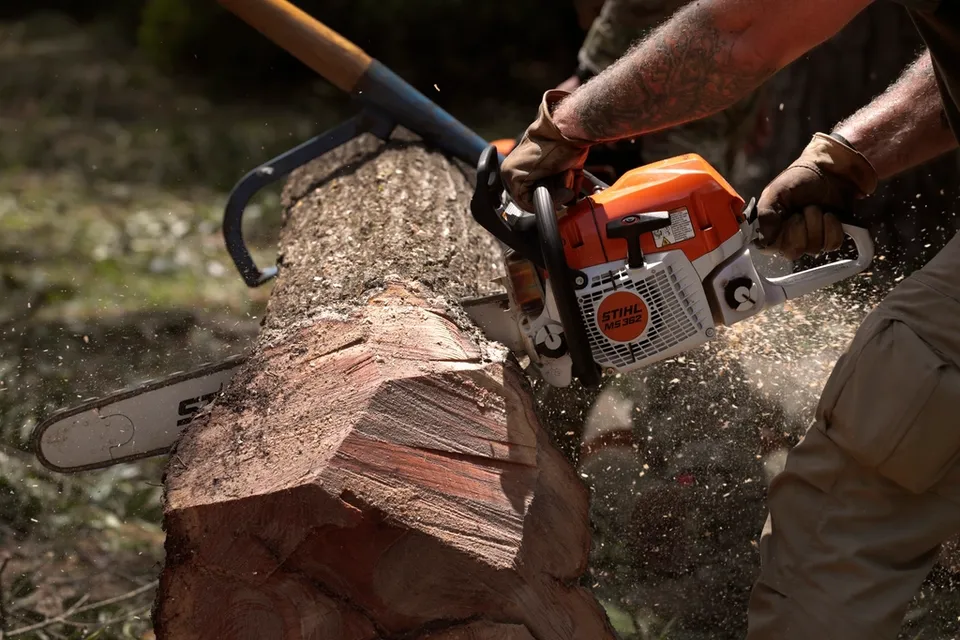
- Buck logs into rounds of the right length for your stove or fireplace, usually about 16 inches, with the log raised off the ground on a sawbuck or another log.
- Split the rounds with a maul or log splitter.
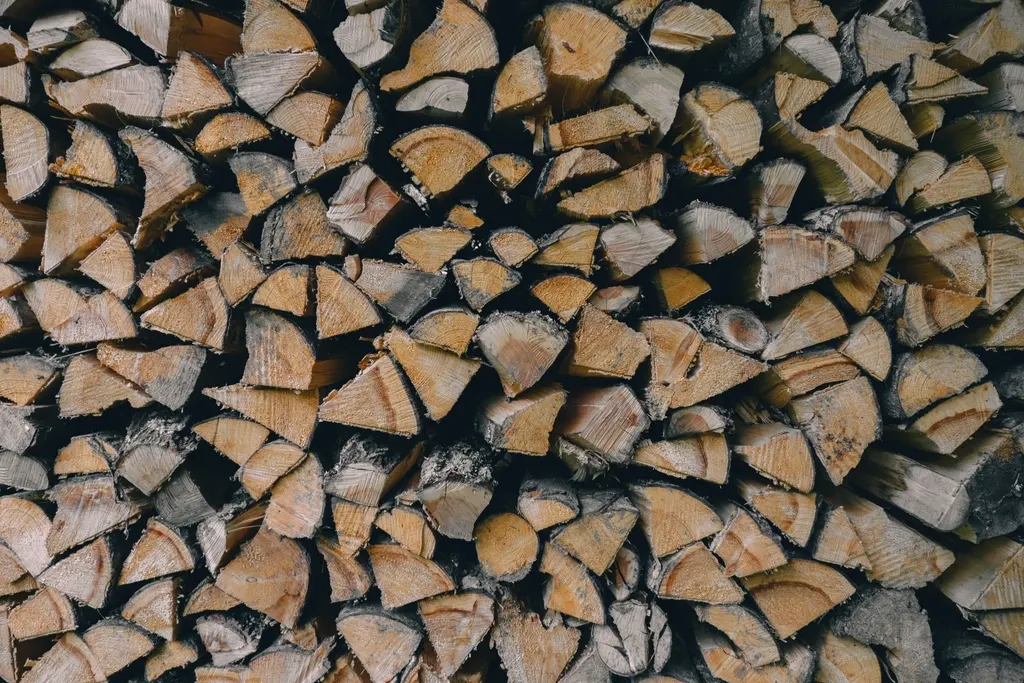
- Stack the wood off the ground, bark side up, in a sunny, breezy spot.
- Let it season until it's dry, often 6 to 12 months or more.
There's something deeply satisfying about cutting your own firewood: the smell of fresh-cut oak, the neat stacks by the shed, and the warmth of a fire you prepared yourself. It can also save money if you have access to wood from your own land, storm cleanups or local tree work. But it's hard, potentially dangerous work, and doing it right makes the difference between a productive afternoon and an exhausting, risky one.
This guide covers the whole process: safety gear, preparing your saw, bucking logs, splitting, stacking and seasoning, plus tips to save time and effort.
What safety gear do you need?
OSHA's chain saw safety guidance recommends proper protective equipment and safe operating practices. At minimum, wear:
- Eye and face protection: safety glasses or a mesh face screen.
- Hearing protection: earmuffs or plugs, rated for loud equipment.
- Head protection: a helmet, especially near trees.
- Cut-resistant chaps or pants.
- Gloves with good grip, ideally with cut protection on the back of the left hand.
- Sturdy boots, ideally with steel toes and good traction on wet ground.
Never cut alone if you can avoid it, keep bystanders and pets well away, and know where your first aid kit is.
How do you prepare your chainsaw?
- Sharpen the chain. A sharp chain cuts faster with less force and is easier to control. See how to sharpen a chainsaw.
- Check chain tension according to your manual.
- Fill bar oil and fuel or charge the battery.
- Test the chain brake and controls.
- Bring a sharpener to the woodpile, so you can touch up the chain when it dulls.
Our guide to chainsaw maintenance covers the full pre-use checklist.
Which wood makes the best firewood?
Hardwoods like oak, maple, hickory, ash and beech burn longer and hotter than softwoods. Softwoods like pine and spruce light easily and burn fast, which makes them good for kindling and shoulder seasons. Whatever you burn, it must be well-seasoned (dry), since wet wood smokes, produces less heat and builds up creosote in chimneys. Avoid burning painted, treated or rotten wood, which can release harmful fumes and gives poor heat. If you're sourcing wood from tree services or neighbors, ask what species it is and when it was cut, so you can plan seasoning time.
What length should you cut firewood?
Measure your stove's firebox or your fireplace and cut rounds a few inches shorter than its depth so they fit easily. About 16 inches is common for many stoves. Make a measuring stick, or mark the length on your saw bar or a log, so every round is consistent; consistent lengths stack and load more easily.
How do you buck logs into rounds safely?
- Get the log off the ground. Use a sawbuck, log stand or another log as a support. This keeps the chain out of the dirt, which is the fastest way to dull it, and helps prevent pinching.
- Plan each cut by looking at how the log is supported. Wood under compression closes on the bar; wood under tension opens.
- Stand to the side of the cutting line, with firm footing, not straddling the log.
- Cut with the bottom of the bar (pulling chain) where possible, with full throttle before the chain touches the wood.
- Avoid using the tip of the bar, the kickback zone.
- If the bar pinches, stop the saw, and use a wedge to open the cut rather than yanking the saw.
The Canadian Centre for Occupational Health and Safety explains how kickback happens and how to reduce the risk, including using a sharp chain and avoiding contact with the bar tip.
Why does chain sharpness matter so much for firewood?
Firewood cutting often means many cuts on bark that carries dirt and grit, which dulls chains quickly. A dull chain makes fine sawdust instead of chips, needs force to cut, pulls crooked and makes the job slower and more tiring. Touch up the chain as soon as you notice dust instead of chips, or immediately after the tip touches the ground. See the signs your chain is dull.
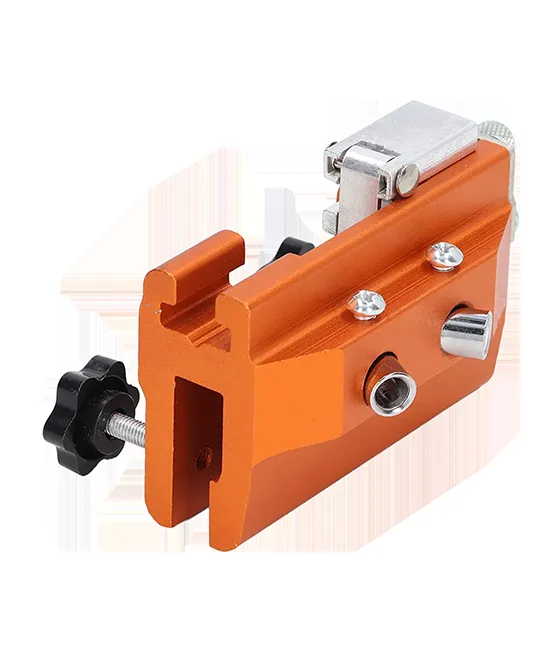
SawShark makes field sharpening practical. It clamps onto your chainsaw bar and guides a grinding wheel across each tooth at a consistent angle as you turn a crank, with no electricity needed, so you can sharpen right at the woodpile in a few minutes. It costs $29.95, or as low as $17.97 each in bundles, with a 30-day return policy. Read our SawShark review.
Sharpen at the woodpile, not at the shop
SawShark hand-crank sharpener: clamps to your bar, guides every tooth at the same angle, no power needed. $29.95, or from $17.97 each in bundles.
Check today's price →$29.95, or from $17.97 each in bundles
How do you split firewood?
- Splitting maul: heavier than an axe, with a wedge-shaped head that pushes wood apart. Best for most rounds.
- Splitting axe: lighter, good for smaller rounds and kindling.
- Wedges and a sledgehammer: for tough, knotty rounds.
- Hydraulic log splitter: rent or buy for large volumes; follow the safety instructions carefully.
Place the round on a chopping block at a comfortable height, aim for existing cracks, and split from the edges inward on large rounds. Keep your feet apart and the swing path clear. Split wood dries much faster than whole rounds, because more of the inner wood is exposed to air. Split some smaller pieces for kindling while you're at it; you'll be glad of them on cold mornings.
How should you stack firewood?
- Off the ground on pallets or rails, to keep it dry and away from insects.
- In a sunny, breezy spot, so air can circulate.
- Bark side up on the top layer to shed rain.
- Cover the top only, leaving the sides open for airflow.
- Away from the house, to keep termites and other pests away from the walls.
- Stable: crisscross the ends of the stack, and don't stack too high.
How long does firewood need to season?
Most firewood needs at least six months to a year of drying, and dense hardwoods like oak often need longer. Well-seasoned wood is lighter, has cracks in the ends, sounds hollow when two pieces are knocked together, and has a moisture content around 20% or lower if you measure with an inexpensive moisture meter. Burning seasoned wood gives more heat, less smoke and less creosote buildup.
Which chainsaw is best for cutting firewood?
For most homeowners cutting firewood a few weekends a year, a mid-size saw with a 14- to 18-inch bar handles typical logs well. Gas saws are the traditional choice for heavy firewood work, with long run times and plenty of power for big hardwood. Modern battery saws have become popular for lighter firewood jobs and storm cleanup: they're quieter, start instantly and need less maintenance, though you may need extra batteries for a full day. Whatever you choose, match the bar length to the wood you cut most and to your experience; a longer bar isn't always better, especially for beginners, because it's heavier and harder to control. See electric vs gas chainsaws for a detailed comparison.
How do you avoid exhaustion and injury?
Cutting and splitting firewood is a full-body workout, and fatigue is when accidents happen. Pace yourself and take regular breaks. Drink water and eat, especially on cold days when you may not notice how hard you're working. Lift rounds with your legs, not your back, and roll heavy rounds rather than carrying them. Keep the work area clear of cut pieces and branches so you don't trip while holding a running saw. Stop for the day when you start feeling tired or careless; the wood will still be there tomorrow. A sharp chain is one of the best ways to reduce fatigue, because the saw does the work instead of your arms.
What does a productive firewood day look like?
Start by setting up: sawbuck or log supports in a clear area, safety gear on, saw fueled or charged, chain freshly sharpened, and a sharpener, wedges and water within reach. Buck the logs into rounds in batches, moving the finished rounds out of your work area regularly so you don't trip. Take a short break every tank or battery, and use it to check chain tension and touch up the chain. After lunch, switch to splitting, which uses different muscles and gives your arms a rest from the saw. End the day by stacking the split wood on pallets, bark side up. Pacing the work like this keeps you safer and more productive than trying to buck everything at once.
What about cutting storm-damaged trees?
Storm cleanup is different from cutting firewood logs. Fallen trees and branches can be under heavy tension and spring back unpredictably, hang up in other trees, or be tangled with power lines. Never cut near downed lines; call the utility. For large or hung-up trees, hire a professional arborist. Cut only what you can handle safely, starting with small limbs and working carefully.
The bottom line
Cutting firewood safely starts with the right gear and a sharp, well-maintained saw. Buck logs into consistent rounds with the wood raised off the ground, split them, stack them off the ground in a sunny, breezy place and let them season for six months to a year or more. Keep the chain sharp throughout the job.
For quick sharpening right at the woodpile, our pick is SawShark. Check today's SawShark price, and see electric vs gas chainsaws.
Sources
- OSHA. Chain Saw Safety Fact Sheet.
- Canadian Centre for Occupational Health and Safety. Chainsaws: Kickback.
- Official SawShark product page, checked October 2026.
Frequently asked questions
How long should firewood be cut?
A few inches shorter than your stove's firebox or fireplace depth. About 16 inches is common for many stoves.
What is the safest way to cut firewood with a chainsaw?
Wear full protective gear, use a sharp chain, raise logs off the ground on a sawbuck, stand to the side of the cut and avoid using the bar tip.
How long does firewood need to dry?
Usually six months to a year, and dense hardwoods like oak often longer. Seasoned wood has end cracks and about 20% moisture or less.
What is the best wood for firewood?
Dense hardwoods like oak, maple, hickory, ash and beech burn longest and hottest. Softwoods are good for kindling.
Why does my chainsaw get dull cutting firewood?
Bark carries dirt and grit, and touching the ground dulls the chain fast. Raise logs off the ground and touch up the chain often.
How should I stack firewood?
Off the ground on pallets, in a sunny, breezy spot, bark side up on top, covered on top only and away from the house.

Tim Humbert
Tim looks into the viral gadgets that show up in your feed, from mini leaf blowers to chain sharpeners and car care cloths. He reads the product pages, checkout and return policies, and buyer feedback so you know what a gadget really does before you spend money on it. His reviews are built on manufacturer information, official checkout and return policies, trusted safety sources and buyer feedback, and are updated when offers change. More about Tim.