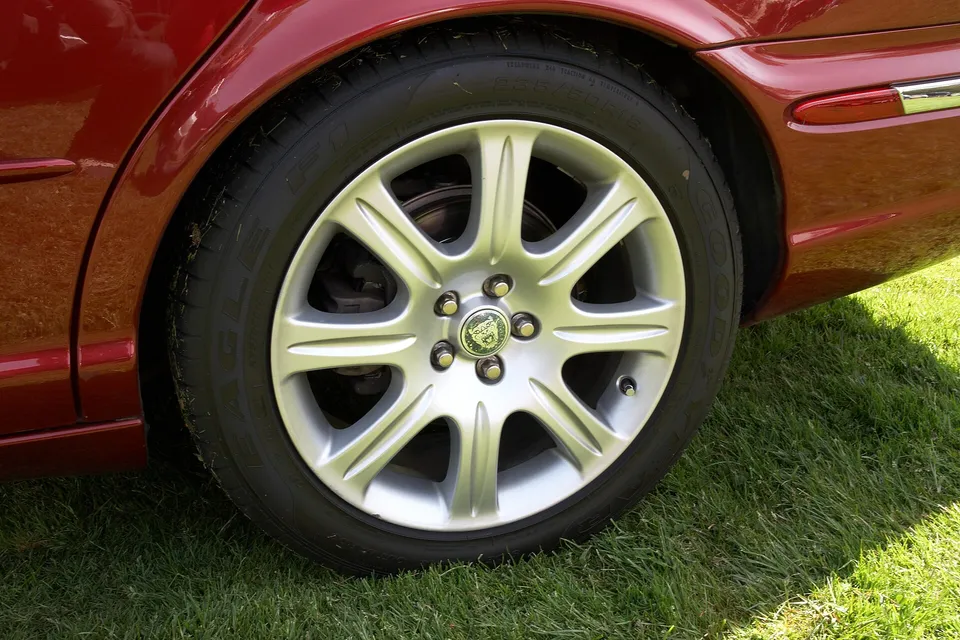
- Work on cool wheels in the shade, one wheel at a time.
- Rinse thoroughly with a strong hose spray to knock off loose dirt and brake dust, including the barrel behind the spokes.
- Spray a wheel cleaner safe for your wheel finish and let it dwell briefly.
- Agitate with a soft wheel brush, a barrel brush and a lug nut brush.
- Scrub tires with a stiff brush and tire cleaner.
- Rinse again, then dry and apply a wheel sealant or tire dressing.
Wheels are the dirtiest part of a car. Brake dust, road grime, tar and, in winter, salt bake onto the finish. Dirty wheels make an otherwise clean car look neglected, and brake dust left on for months can pit some finishes. Cleaning them properly takes about 10 minutes per wheel and makes a big difference in how the whole car looks.
This guide covers the tools you need, how to clean wheels by finish type, how to clean tires and wheel wells, how to deal with brake dust and tar, and how to keep wheels cleaner longer.
Should you clean wheels first or last?
First. Wheels are the dirtiest part of the car, and cleaning them first prevents splashing brake dust and grime onto freshly washed paint. Use separate buckets, brushes and mitts for wheels so you never drag grit from wheels onto the paint.
What tools do you need?
| Tool | Use |
|---|---|
| Hose with a strong, adjustable nozzle | Rinsing wheels, barrels and wheel wells |
| Wheel cleaner safe for your finish | Loosens brake dust and grime |
| Soft wheel face brush | Spokes and face |
| Long barrel brush | Inside the wheel |
| Small lug nut brush | Around lug nuts |
| Stiff tire brush and tire cleaner | Sidewalls |
| Separate bucket and microfiber towels | Washing and drying wheels only |
Which cleaner is safe for your wheels?
| Wheel finish | Cleaner | Avoid |
|---|---|---|
| Painted or clear-coated alloy | pH-balanced wheel cleaner | Strong acids |
| Polished aluminum | Mild cleaner, then metal polish | Acidic cleaners, harsh brushes |
| Chrome | Wheel cleaner safe for chrome | Abrasives |
| Matte or satin | Matte-safe cleaner | Polishes and waxes that add shine |
| Steel with hubcaps | Most wheel cleaners | Scratching the hubcap |
When unsure, use a pH-balanced cleaner and test it on a small spot first.
How do you clean wheels step by step?
- Make sure wheels are cool to the touch; cleaners can spot or damage hot surfaces.
- Rinse the wheel, tire and wheel well with a strong spray.
- Spray wheel cleaner on the face, barrel and tire area.
- Let it dwell for the time on the label, without letting it dry.
- Scrub the face, spokes, barrel and lug nuts with the right brushes.
- Scrub the tire sidewall with a stiff brush.
- Rinse thoroughly, including the barrel and calipers.
- Move to the next wheel.
Why does rinsing matter so much?
A thorough pre-rinse removes most loose brake dust and grit before you touch the wheel, reducing scratches. A final rinse removes all cleaner residue. The hardest areas to reach are the inner barrel behind the spokes and the wheel wells, where salt and mud collect. A focused, adjustable spray helps reach them without kneeling with your face at the wheel.
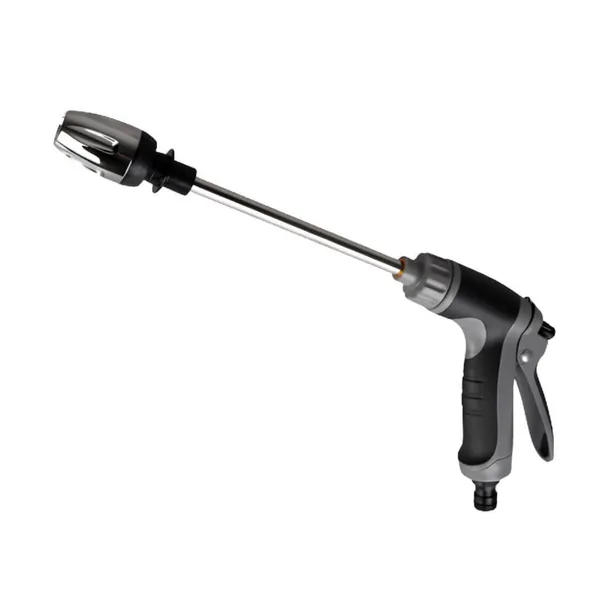
Rinse into wheel barrels and wells without kneeling
Power Blast Plus: extended metal wand, Precision Flow adjustable spray head, ergonomic grip, fits standard garden hoses. $66.66, or from $49.95 each in bundles.
Check today's price →$66.66, or from $49.95 each in bundles
Why use a long-reach nozzle?
The Power Blast Plus is a hose nozzle with an extended metal wand and an adjustable Precision Flow spray head. The long wand reaches into wheel wells, behind spokes and under the car while you stand, and the adjustable spray switches from a strong stream for grime to a wider spray for rinsing. It fits standard garden hoses. Read our Power Blast Plus review.
How do you clean wheel wells?
Wheel wells collect mud, salt and road grime that can lead to rust. Rinse them with a strong spray, scrub plastic liners with a long-handled brush and an all-purpose cleaner, then rinse again. Cleaning wheel wells is especially important in winter; see road salt car damage.
How do you remove stubborn brake dust?
Baked-on brake dust may need a dedicated iron remover, which reacts with iron particles (often turning purple) so they rinse off. Use it only on finishes it's labeled for, and rinse well. Regular cleaning every week or two prevents heavy buildup.
What about tar and road grime?
Use a tar remover on a microfiber cloth, let it soften the tar, then wipe gently. Rinse afterward. Don't scrape tar off with anything hard. The same approach works for tree sap; see how to remove tree sap from a car.
How do you clean and dress tires?
Scrub sidewalls with a stiff brush and tire cleaner until the foam runs white instead of brown. Rinse and dry. Apply a water-based tire dressing for a clean satin look, avoiding the tread and keeping dressing off the brake parts.
How do you keep wheels cleaner longer?
- Apply a wheel sealant after cleaning; brake dust rinses off more easily.
- Clean wheels every week or two, more often in winter.
- Rinse wheels between full washes.
- Consider low-dust brake pads if dust is a constant problem.
How do you dry wheels?
Dry with a dedicated microfiber towel or use a blower to push water out of lug nut holes and spokes, which prevents drips and water spots. See using a leaf blower to dry a car and how to dry a car after washing.
How much water does it take?
An adjustable nozzle with a shutoff uses water only when you need it. The EPA WaterSense program notes that outdoor use is a large part of household water use, so turning the spray off between steps helps.
What mistakes should you avoid?
- Cleaning hot wheels right after driving.
- Using acidic cleaners on finishes that can't handle them.
- Using the same mitt on wheels and paint.
- Letting cleaner dry on the wheel.
- Getting tire dressing on the tread or brakes.
How much does the Power Blast Plus cost?
The Power Blast Plus is $66.66 for one, $61.05 each for two, $55.54 each for three and $49.95 each for four, with a 30-day guarantee. Shipping and tax are calculated at checkout.
How do you clean wheels in winter?
Salt and slush build up on wheels and in wheel wells quickly in winter. Rinse them every week or two on days above freezing, paying special attention to the inner barrels and wells. Dry wheels and lug nut holes so water doesn't freeze around the brakes. The NHTSA also recommends checking tire pressure and tread before winter driving, which is easy to do while you clean. See how to wash a car in winter.
How often should you clean wheels?
| Situation | How often |
|---|---|
| Daily driver, normal conditions | Every 1 to 2 weeks |
| Winter with road salt | Weekly rinse, full clean every 2 weeks |
| Performance brakes with heavy dust | Weekly |
| Garaged, light use | Monthly |
Should you clean brake calipers?
Rinse them while you clean the wheel, and use a soft brush on painted calipers if they're dusty. Don't use tire dressing or polish on brake parts, and avoid strong sprays directly at brake components if the car's manual advises against it.
How long does it take?
About 10 minutes per wheel for a thorough clean, or 20 minutes for all four if you just rinse and wipe between full cleanings. Cleaning regularly keeps each session short.
How do you protect new wheels?
New or freshly refinished wheels benefit from a wheel sealant or ceramic coating right away, before brake dust has a chance to bond. After that, gentle washing with a pH-balanced cleaner every week or two keeps them looking new for years.
How do you clean hubcaps?
Hubcaps can be removed and cleaned in a bucket with soapy water and a soft brush, then rinsed and dried. Clean the steel wheel behind them at the same time, since salt and dirt collect there out of sight.
Which small details make the biggest difference?
Clean lug nuts, black tire sidewalls and dry, spot-free wheel faces make a car look freshly detailed even if you only have time for a quick wash. Spend an extra minute on those three things and the whole car looks better. See how to wash a car at home.
How do you clean wheels without scratching them?
Use only soft brushes made for wheels, plenty of water and a rinse before touching the surface. Never use steel wool, kitchen scouring pads or household cleaners with abrasives. Keep a separate set of towels just for wheels, and wash them separately from paint towels.
Does wheel care matter for resale or lease returns?
Yes. Pitted, stained or curb-rashed wheels are one of the first things buyers and lease inspectors notice. Regular cleaning and sealing keeps the finish in good shape and helps protect the car's value.
The bottom line
Clean wheels first, on cool wheels, with a cleaner safe for your finish and dedicated brushes. Rinse thoroughly into barrels and wheel wells, scrub tires, dry and seal. Regular cleaning keeps brake dust and salt from building up.
For rinsing into wheels and wells without kneeling, our pick is the Power Blast Plus. Check today's Power Blast Plus price.
Sources
- U.S. Environmental Protection Agency. How We Use Water.
- NHTSA. Winter Driving Tips.
- Official Power Blast Plus product page and checkout, checked October 2026.
Frequently asked questions
Should I clean wheels before or after washing the car?
Before, so brake dust and grime don't splash onto clean paint.
What is the best way to remove brake dust?
Rinse, use a wheel cleaner safe for your finish and agitate with soft brushes; an iron remover helps with baked-on dust.
Can I use household cleaners on wheels?
Avoid them; some are too harsh or abrasive for wheel finishes.
How often should I clean my wheels?
Every one to two weeks, and more often in winter.
How do I clean wheel wells?
Rinse with a strong spray, scrub liners with a long brush and rinse again.
How do I keep wheels cleaner longer?
Apply a wheel sealant after cleaning.

Tim Humbert
Tim looks into the viral gadgets that show up in your feed, from mini leaf blowers to chain sharpeners and car care cloths. He reads the product pages, checkout and return policies, and buyer feedback so you know what a gadget really does before you spend money on it. His reviews are built on manufacturer information, official checkout and return policies, trusted safety sources and buyer feedback, and are updated when offers change. More about Tim.