
- Clear leaves from the lawn, beds, gutters and drains.
- Mow one last time a little shorter, and aerate or overseed cool-season lawns if needed.
- Prune dead or damaged branches, and protect tender plants.
- Drain and store hoses, shut off outdoor faucets and winterize sprinklers.
- Clean and store tools, and service the mower.
- Set up for snow: shovels, ice melt and a charged blower by the door.
Fall is the busiest time of year in the yard, and what you do before the first hard freeze makes a big difference in spring. Leaves left on the lawn smother the grass, hoses left connected can burst pipes, tools left out rust, and the first snowfall always seems to arrive before you've found the shovel.
This guide gives you a practical winter-prep plan for lawns, beds, trees, water lines, tools, patios and snow, with a simple checklist you can work through over a couple of weekends.
Why does clearing leaves matter before winter?
A thin layer of leaves can be mulched into the lawn, but a thick, wet layer blocks light and air, encourages snow mold and leaves bare patches in spring. Leaves also clog gutters and storm drains, which can cause ice dams and flooding during thaws. Clear the lawn, beds, patio and walkways, and use the leaves as mulch or compost. The EPA explains how to compost yard waste at home. See what to do with fallen leaves and leaf blower vs rake.
How do you prepare the lawn?
- Keep mowing until the grass stops growing; the last cut can be slightly shorter to reduce matting under snow.
- Aerate and overseed cool-season lawns in early fall, if they're compacted or thin.
- Fertilize cool-season grasses in fall, as your local extension recommends.
- Remove leaves before snow falls.
- Mark edges of driveways and walks with stakes, so you don't damage the lawn with a shovel or plow.
How do you protect plants, beds and trees?
- Clean up diseased plants and fallen fruit to reduce problems next year.
- Mulch beds with a few inches of shredded leaves or bark after the ground cools.
- Water evergreens deeply before the ground freezes.
- Wrap young tree trunks to prevent sunscald and rodent damage.
- Prune dead, damaged and crossing branches; save major pruning of many trees for late winter. See what to prune in fall.
- Bring in tender potted plants or cluster them against the house.
The University of Minnesota Extension explains when to prune different trees and shrubs.
How do you winterize hoses, faucets and sprinklers?
- Disconnect hoses from outdoor faucets; a connected hose traps water that can freeze and crack the pipe.
- Drain hoses completely and store them coiled indoors.
- Shut off the indoor valve to outdoor faucets if you have one, and open the outdoor tap to drain it.
- Cover outdoor faucets with insulated covers.
- Blow out or drain sprinkler lines according to your system's instructions, or hire a pro.
- Store nozzles indoors; frozen water can crack them.
How should you clean and store tools?
| Tool | What to do |
|---|---|
| Lawn mower | Clean the deck, sharpen the blade, follow the manual for fuel or battery storage |
| Hand tools | Clean, dry, oil metal parts, sharpen pruners |
| Chainsaw | Clean, sharpen the chain, oil, store with a bar cover |
| Cordless tools | Store batteries indoors, partly charged, away from freezing |
| Hoses and nozzles | Drain and store indoors |
| Pressure washer | Winterize per the manual to prevent pump damage |
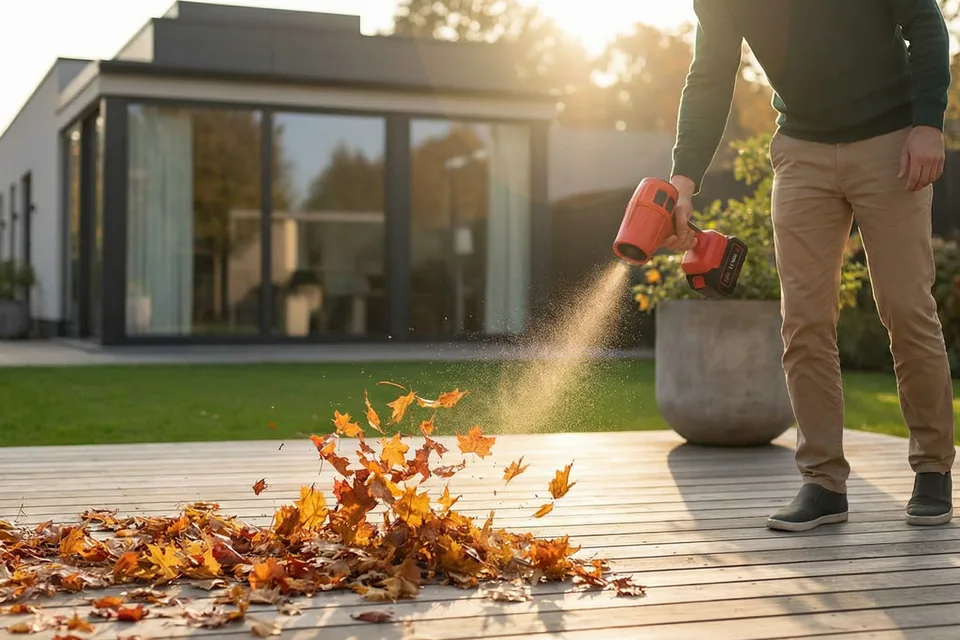
Which tool helps in both fall and winter?
A blower that handles leaves in the fall and light snow in winter means one less tool to store and charge. The Wood Ranger Power Blower is a 4-season cordless mini blower for light snow, leaves and dust. It has a 1600W brushless motor, weighs about 2.1 lb and has a dynamic speed trigger. Its battery runs about 15 minutes per charge, enough for patios, steps, decks and the car. It works best on light, fluffy snow; heavy, wet snow still calls for a shovel. It ships from Ohio with a 90-day guarantee and costs $69.99, or as little as $55.99 each in bundles. See using a blower for snow.
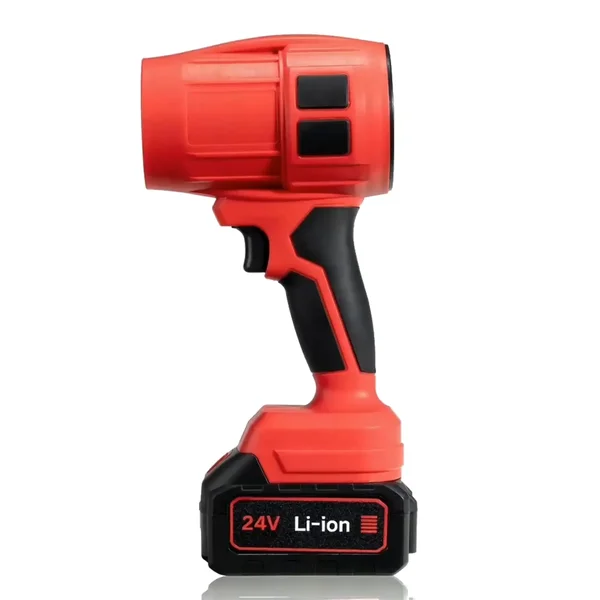
One blower for fall leaves and winter snow
Wood Ranger Power Blower: 4-season cordless mini blower, 1600W brushless motor, about 2.1 lb, about 15 minutes per charge. From $55.99 each in bundles, 90-day guarantee.
Check today's price →From $55.99 each in bundles · 90-day guarantee
How do you prepare the patio and outdoor furniture?
- Clean furniture and store it, or cover it with breathable covers. See how to clean outdoor furniture.
- Bring cushions indoors.
- Empty and store ceramic and terracotta pots, which can crack when frozen.
- Clean and cover the grill.
- Clean wood decks and reseal if needed. See how to clean a deck.
How do you get ready for the first snow?
- Put shovels, a plastic pusher and ice melt by the door.
- Charge your blower and keep it handy.
- Service a snow blower, if you have one, before you need it.
- Stock pet-safe or concrete-safe ice melt.
- Check outdoor lighting on paths and steps.
Ready.gov recommends preparing your home and car for winter storms ahead of time. See snow removal tools and how to keep steps ice-free.
Don't forget gutters and drains
Clean gutters after most leaves have fallen, check that downspouts drain away from the house, and clear leaves from storm drains near your property. Blocked gutters are a leading cause of ice dams. See how to clean gutters with a leaf blower.
What does a simple winter-prep checklist look like?
- Clear leaves from lawn, beds, gutters and drains.
- Final mow; aerate or overseed if needed.
- Mulch beds and water evergreens.
- Prune dead or damaged branches.
- Disconnect, drain and store hoses; cover faucets.
- Winterize sprinklers.
- Clean and store tools and batteries.
- Store or cover furniture and cushions.
- Set up snow tools by the door.
Our fall yard cleanup checklist goes deeper into the leaf and lawn steps.
When should you start winter prep?
Start in early to mid-fall with the lawn and beds, and finish the water lines and tools before the first hard freeze, which varies by region. In northern states that may be October; in milder climates, November or later. Watch the forecast and do the hose and faucet steps before temperatures drop below freezing overnight.
Can you leave anything for wildlife?
Yes. Many gardeners leave some leaves in garden beds and a few seed heads on perennials over winter, which shelter beneficial insects and feed birds. A brush pile in a back corner also helps wildlife. The goal is to clear lawns, paths, gutters and drains while leaving some natural cover where it won't cause problems.
How do you split the work into two weekends?
Weekend one, early to mid-fall: rake or blow the first round of leaves, aerate and overseed the lawn if needed, divide perennials, plant spring bulbs and do light pruning of dead or damaged branches. Clean and store patio furniture and cushions you won't use again.
Weekend two, after most leaves have fallen and before the first hard freeze: clear the last leaves from the lawn, beds and gutters, give the lawn its final mow, mulch beds, water evergreens, disconnect and drain hoses, cover faucets, winterize sprinklers, and clean and store tools. Finish by setting up the shovels, ice melt and a charged blower by the door.
Breaking it up this way keeps each session manageable and makes sure the time-sensitive jobs, like the water lines, get done before freezing nights arrive.
How do you store the lawn mower for winter?
Clean grass clippings from under the deck, which hold moisture and cause rust. Sharpen or replace the blade now, so it's ready in spring. For gas mowers, follow the manual: many recommend adding fuel stabilizer and running the engine for a few minutes, or running the tank dry. For battery mowers, store the battery indoors, partly charged. Store the mower in a dry shed or garage.
How do you keep the yard safe for pets in winter?
Choose pet-safe ice melt for paths your pets use, keep antifreeze and de-icers locked away, and clear a path to their usual spot in the yard after each snowfall. Check fences and gates after storms, since snowdrifts can make it easier for dogs to climb over.
Is fall the time to plant spring bulbs?
Yes. Tulips, daffodils, crocuses and other spring bulbs go in the ground in fall, usually a few weeks before the ground freezes. Plant them at the depth on the package, pointy end up, water them in and add mulch. It's a small job that makes the yard feel alive again in early spring.
How does fall prep pay off in spring?
A yard that goes into winter clean, mulched and protected wakes up healthier: fewer bare patches in the lawn, fewer diseases in the beds, tools that start on the first try and no burst pipes to repair.
The bottom line
Preparing your yard for winter means clearing leaves, giving the lawn a final mow, protecting plants and young trees, draining hoses and faucets, storing tools properly and getting snow gear ready before you need it. A few weekends of work in the fall means less damage and an easier start in spring.
For a blower that handles fall leaves and light winter snow, our pick is the Wood Ranger Power Blower. Check today's Power Blower price.
Sources
- U.S. Environmental Protection Agency. Composting at Home.
- University of Minnesota Extension. Pruning Trees and Shrubs.
- Ready.gov. Winter Weather.
- Official Wood Ranger product page, checked October 2026.
Frequently asked questions
What should I do to my yard before winter?
Clear leaves, give the lawn a final mow, mulch beds, protect young trees, drain hoses and faucets, winterize sprinklers, store tools and set up snow gear.
Should I leave leaves on the lawn over winter?
A thin layer can be mulched in, but thick wet leaves smother grass and encourage snow mold. Clear or mulch them before snow.
When should I disconnect my garden hose?
Before the first overnight freeze. A connected hose traps water that can freeze and crack the faucet or pipe.
Should I prune before winter?
Remove dead, damaged and crossing branches, but save major pruning of many trees and shrubs for late winter.
How should I store cordless tool batteries in winter?
Indoors, away from freezing temperatures, and partly charged.
Can a leaf blower be used for snow?
A 4-season mini blower like the Wood Ranger Power Blower handles light, fluffy snow on steps, decks and cars. Heavy snow needs a shovel.

Tim Humbert
Tim looks into the viral gadgets that show up in your feed, from mini leaf blowers to chain sharpeners and car care cloths. He reads the product pages, checkout and return policies, and buyer feedback so you know what a gadget really does before you spend money on it. His reviews are built on manufacturer information, official checkout and return policies, trusted safety sources and buyer feedback, and are updated when offers change. More about Tim.