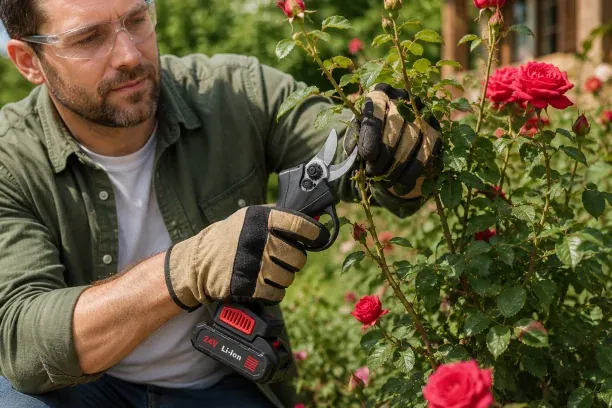
Fall is when most of us finally get out into the yard: the heat is gone, the leaves are coming down and the shrubs look shaggy after a long summer. It's tempting to grab the pruners and cut everything back. But fall is the wrong time for some pruning, and the right time for some other jobs.
In this guide we cover what to prune in fall, what to leave until late winter, which plants you should never cut in autumn, and how to do it, based on guidance from university extension services.
Why is fall a tricky time to prune?
Pruning tells a plant to grow. Cut a branch and the buds below the cut wake up and push new shoots. In spring that's exactly what you want. In fall it's a problem: tender new growth doesn't have time to harden before the first hard freeze, so it's damaged or killed, and the plant wastes energy it needs for winter.
The Mississippi State University Extension advises delaying pruning of most trees and shrubs until February for exactly that reason. Fresh wounds also heal more slowly as plants slow down for winter.
The University of Minnesota Extension agrees that the late dormant season, late winter to early spring, is best for most pruning.
What should you prune in fall?
- Dead branches. Dead wood can come off any time of year, and it's easiest to spot before the leaves fall.
- Broken and storm-damaged branches. Cut them back cleanly to prevent tearing and to make the yard safe.
- Diseased wood. Remove it as soon as you see it, and clean your blades with rubbing alcohol between cuts.
- Branches rubbing on the house, roof, gutters or fences, and any limbs blocking paths, driveways or lights.
- Suckers and water sprouts on fruit trees, the straight, fast shoots from the roots or along branches.
- Spent perennials and summer annuals. Cut back hostas, daylilies and other perennials once the foliage dies down, if you prefer a tidy bed.
- Raspberries and blackberries. Remove the canes that fruited this year.
What should you not prune in fall?
- Spring-flowering shrubs. Azaleas, rhododendrons, lilacs, forsythia, flowering quince, spirea and many hydrangeas have already set next year's flower buds. Prune them right after they bloom in spring.
- Evergreens. NC State Extension and others warn that fall pruning of evergreens leaves new growth open to winter injury. Prune in late winter or early spring.
- Heavy shaping of most trees and shrubs. Save major cuts for late winter, when the plant is dormant and you can see its structure.
- Roses. Do only light tidying and remove diseased leaves. Hard pruning waits until late winter or early spring.
- Fruit trees, beyond cleanup. Structural pruning of apples, pears, peaches and plums is best in late winter.
What's the best pruning time for common plants?
| Plant | Fall? | Best time for main pruning |
|---|---|---|
| Dead, broken, diseased wood (any plant) | Yes | Any time |
| Spent perennials | Yes | Fall or early spring |
| Raspberry and blackberry canes that fruited | Yes | After harvest |
| Apple, pear, plum and peach trees | Cleanup only | Late winter |
| Roses | Light tidy only | Late winter to early spring |
| Summer-flowering shrubs (crape myrtle, butterfly bush) | No | Late winter |
| Spring-flowering shrubs (azalea, lilac, forsythia) | No | Right after bloom |
| Evergreens (yew, juniper, boxwood) | No | Late winter to early spring |
| Oaks | No | Winter; avoid April to October (oak wilt) |
| Maples and birches | Light cuts OK | Late spring to early summer, or fall, to avoid sap bleeding |
General guidance from university extension services. Timing shifts with your climate zone, so check your local extension office for exact dates.
Can you prune fruit trees in fall?
Light cleanup, yes: dead and broken branches, water sprouts, suckers and anything diseased. Major structural pruning, no. Extension services generally recommend waiting until late winter, when trees are fully dormant, the risk of cold injury to fresh cuts has passed and you can clearly see the branch structure.
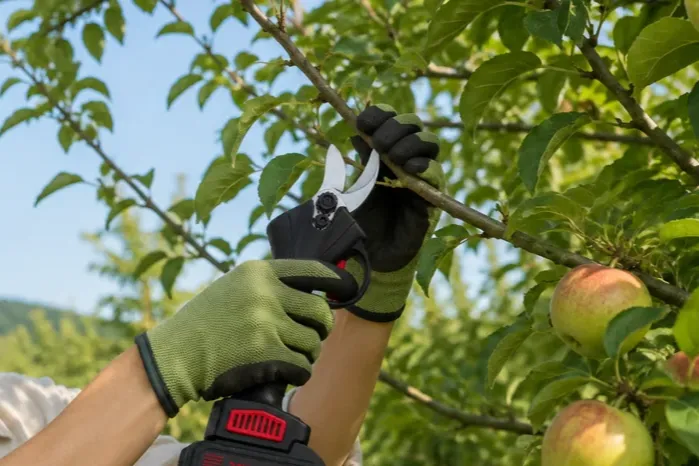
Late winter is also when you'll make the most cuts, so it's worth having the right tool ready. Cordless pruners like the Wood Ranger Power Shears cut branches up to about 1.4 inches, which covers most of the wood on a backyard fruit tree.
Should you cut back roses in fall?
Only lightly. In fall, remove dead and diseased canes, pick up fallen leaves to reduce disease, and shorten very long canes that could whip around in winter winds. Leave the main pruning until late winter or early spring, when buds begin to swell. In cold climates, mound mulch around the base for winter protection.
What about maples, birches and other "bleeder" trees?
Some trees, including maples, birches, walnuts and elms, push out a lot of sap when they're cut in late winter and early spring. The bleeding usually doesn't harm the tree, but it's messy and worries a lot of homeowners.
That's why some extension services, including NC State, note that bleeder trees can be pruned in fall, when sap flow is low. The UMN Extension suggests late spring or early summer, after the leaves have fully expanded. Either way, keep cuts light, and leave large limbs on mature trees to a certified arborist.
Does fall pruning depend on where you live?
Yes. "Fall" means very different things in Minnesota and in Mississippi. In cold northern zones, the first hard freeze can come in early October, so even light pruning should be done early in the season. In the South, mild weather can last into December, and plants may push new growth after cuts for weeks, which is exactly what you want to avoid before a sudden cold snap.
A good rule anywhere: do your fall cleanup cuts once the plants have started going dormant, and save anything that encourages growth for late winter. Your local cooperative extension office publishes a pruning calendar for your area, and it's the most reliable guide for your exact zone.
Should you prune before winter storms?
Yes, this is one of the most useful fall jobs. Ice and heavy snow snap weak branches, and wind turns them into hazards. Before winter, look for:
- Dead or cracked branches over the roof, driveway, deck, power lines or play areas.
- Branches rubbing on siding, gutters or windows.
- Long, heavy limbs on young trees that could split under snow.
- Low branches over walkways that will sag when loaded with snow.
Small branches you can handle yourself. Anything large, high or near power lines is a job for a professional arborist or your utility company.
How do you prune correctly?
- Use sharp, clean tools. Sharp blades make clean cuts that seal faster.
- Cut just outside the branch collar, the slightly swollen ring where a branch meets a larger one. Don't cut flush, and don't leave a stub.
- Cut about 1/4 inch above an outward-facing bud when shortening a stem, so new growth heads away from the center.
- Use the three-cut method on heavy limbs to avoid tearing bark: an undercut, a top cut farther out, then the final cut at the collar.
- Don't overdo it. UMN Extension advises never removing more than about a quarter of a tree's live foliage at once.
- Skip the wound paint. Extension services say pruning sealers usually aren't needed.
What are the most common fall pruning mistakes?
- Shearing spring bloomers into neat shapes. It looks tidy now, but you'll get few or no flowers next spring.
- "Topping" trees. Cutting the tops off to control height creates weak, fast regrowth. Extension services call it one of the worst pruning practices.
- Cutting flush to the trunk. Removing the branch collar leaves a bigger wound that seals slowly. Cut just outside it.
- Leaving stubs. Long stubs die back and invite decay. Cut back to a bud, a side branch or the collar.
- Using dull or dirty tools. Ragged cuts heal poorly, and dirty blades can spread disease from plant to plant.
- Doing too much at once. If a shrub needs major work, spread it over two or three seasons.
Most of these come down to timing and technique, not effort. Take a few minutes to look at the plant before you start, and decide which cuts actually need to happen now. If you're unsure about a cut, leave it: you can always prune more in late winter, but you can't put a branch back.
What tools do you need for fall pruning?
| Tool | Best for |
|---|---|
| Hand pruners | Stems up to about 3/4 in, deadheading |
| Cordless electric pruners | Stems and branches up to about 1.4 in, big jobs, sore hands |
| Loppers | Branches up to about 1 1/2 in, with two hands |
| Pruning saw | Limbs over about 1 1/2 in |
| Pole pruner | High branches you'd otherwise need a ladder for |
An electric pruner replaces both hand pruners and most lopper work, which saves a lot of tool switching and a lot of squeezing. Our pick is the Wood Ranger Power Shears. Read the full Wood Ranger Power Shears review, or compare options in electric vs manual pruning shears.
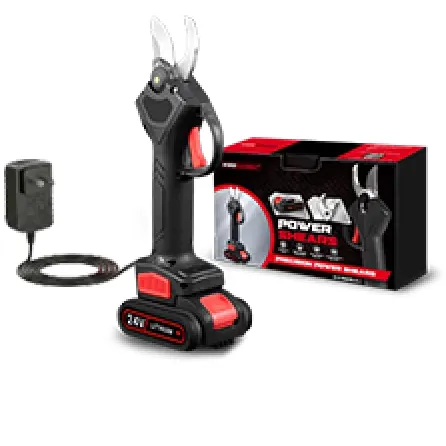
Make fall cleanup easier: Wood Ranger Power Shears
Cordless pruning with SK5 steel blades that cut up to about 1.4 in, a 2.1 lb body, a safety trigger and a 90-day money-back guarantee.
Check today's price →From $47.99 each in bundles · 90-day guarantee
What else goes on a fall yard to-do list?
- Clear leaves from lawns, beds, patios and gutters. See what to do with fallen leaves.
- Chip or bag pruned branches, or cut them down to fit your yard-waste bin.
- Mulch beds and the base of roses and young trees.
- Clean, sharpen and oil your tools before you store them.
- Charge and store batteries indoors, away from freezing temperatures.
For the full list, see our fall yard cleanup checklist. For clearing leaves fast, the Wood Ranger leaf blower pairs well with the shears.
More yard guides
- Wood Ranger Power Shears review
- Do electric pruning shears work?
- Electric vs manual pruning shears
- Leaf blower vs rake
- Do mini leaf blowers work?
The bottom line
Fall pruning is about cleanup, not reshaping. Remove dead, broken and diseased wood, tidy perennials and berry canes, and cut back anything touching the house or blocking paths. Leave spring bloomers, evergreens and major tree pruning for later. With sharp tools, and an electric pruner if you have a lot to cut, the job goes quickly and your plants go into winter healthy.
Sources
- Mississippi State University Extension. When and how to prune landscape plants: early fall/winter.
- University of Minnesota Extension. Pruning trees and shrubs.
- NC State Extension. What to prune and when to prune.
Frequently asked questions
Is it OK to prune in the fall?
Light pruning is fine: dead, broken and diseased branches, spent perennials and branches touching the house. Leave heavy pruning of most trees and shrubs for late winter.
Why shouldn't you prune shrubs in fall?
Pruning triggers new growth, and tender fall growth can be killed by the first hard freeze. Spring-flowering shrubs have also already set next year's buds.
Can I prune fruit trees in the fall?
Do cleanup only: dead wood, broken branches, water sprouts and suckers. Save structural pruning for late winter, when the trees are fully dormant.
Should I cut back roses in the fall?
Only lightly. Remove dead and diseased canes and shorten very long ones. Do the main pruning in late winter or early spring.
What shrubs should not be pruned in fall?
Spring bloomers such as azaleas, rhododendrons, lilacs, forsythia and many hydrangeas, plus evergreens such as yews, junipers and boxwood.
When is the best time to prune most trees?
The late dormant season, late winter to early spring, is best for most trees. Avoid pruning oaks from April to October because of oak wilt.
What tool is best for fall pruning?
Sharp bypass pruners for small stems, and a cordless electric pruner like the Wood Ranger Power Shears for branches up to about 1.4 inches and big cleanup jobs.

Tim Humbert
Tim looks into the viral gadgets that show up in your feed, from mini leaf blowers to chain sharpeners and car care cloths. He reads the product pages, checkout and return policies, and buyer feedback so you know what a gadget really does before you spend money on it. His reviews are built on manufacturer information, official checkout and return policies, trusted safety sources and buyer feedback, and are updated when offers change. More about Tim.