
- Clear debris with a blower or broom.
- Treat oil and rust stains separately.
- Apply a driveway or concrete cleaner.
- Scrub with a stiff push broom.
- Rinse with a strong hose spray.
A clean driveway makes the whole house look better, but most homeowners don't own a pressure washer, and renting one is a hassle: loading it in the car, figuring out the hookups, the noise, and the risk of etching lines into the concrete. The good news is that most driveways can be cleaned well with simple tools, the right cleaners and a strong hose spray.
This guide walks through how to clean a driveway without a pressure washer, how to remove oil, rust and organic stains, what works on concrete versus asphalt, and how to keep it clean longer.
Why skip the pressure washer?
- Cost and hassle: buying, renting, transporting and storing equipment.
- Surface damage: held too close or at too high a pressure, a pressure washer can etch concrete, leaving "zebra stripes," and damage asphalt or blast out joint sand.
- Safety: high-pressure spray can injure skin, and electric models carry shock risks; the CPSC has recalled electric pressure washers over shock and electrocution hazards.
- Noise: gas pressure washers are loud.
See our comparison: hose nozzle vs pressure washer.
What do you need?
- A leaf blower or stiff broom to clear debris first.
- A concrete or driveway cleaner (or a degreaser for oil).
- Kitty litter, baking soda or sawdust for fresh oil spills.
- A stiff-bristle push broom or deck brush (nylon, not wire, especially on asphalt).
- A garden hose with a high-pressure, multi-pattern nozzle.
- Gloves, eye protection and old shoes.
How do you clean a driveway step by step?
- Move cars and clear the surface. Blow leaves, dirt and debris off with a blower, working from the house toward the street or lawn.
- Pull weeds from cracks and edges, roots and all.
- Pre-treat stains (see below).
- Wet the driveway and protect nearby plants by wetting them too.
- Apply cleaner according to the label and let it work, without letting it dry.
- Scrub in sections with a stiff push broom.
- Rinse thoroughly with a strong, focused spray, pushing dirty water off the driveway in one direction.
- Let it dry before parking.
Why does the rinse matter so much?
Scrubbing loosens dirt, but a weak rinse leaves much of it in the surface texture, so the driveway dries looking blotchy. A standard nozzle often doesn't have enough force to flush grime out of the pores of concrete. A high-pressure hose nozzle concentrates your home's water pressure, typically around 40 to 60 psi, into a stronger, more focused stream that pushes loosened dirt and cleaner out of the surface and off the driveway.
Jetterix is our pick. It fits any standard garden hose and offers multiple spray patterns: a focused jet for cracks, edges and stubborn spots, and wider patterns for rinsing large areas quickly. There's no engine, cord or fuel, so it's ready in seconds and stores in a drawer. It won't match a gas pressure washer on deep, ground-in stains, but for regular driveway cleaning it's fast, effective and gentle on the surface. Read our Jetterix review.
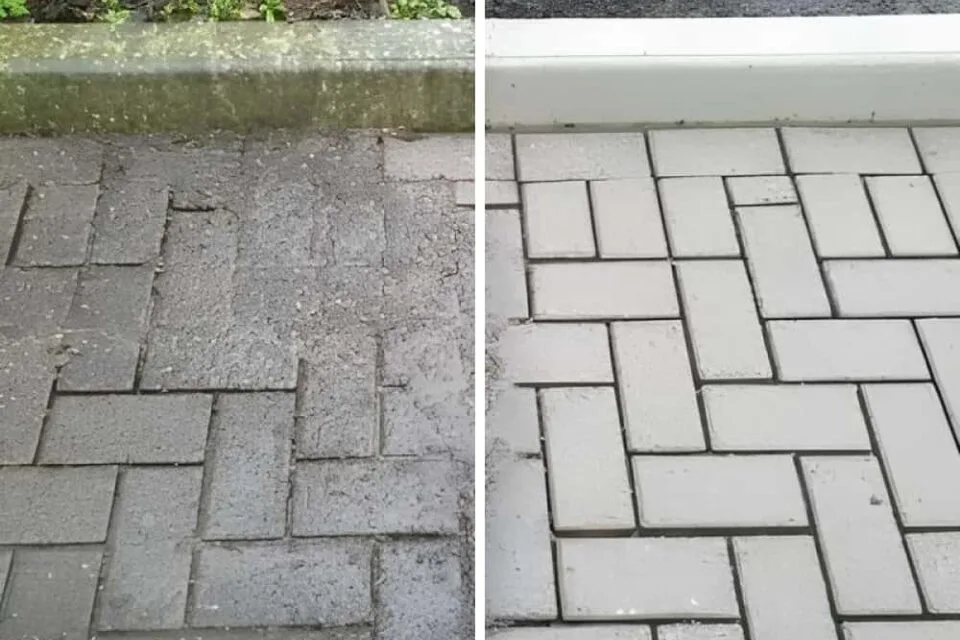
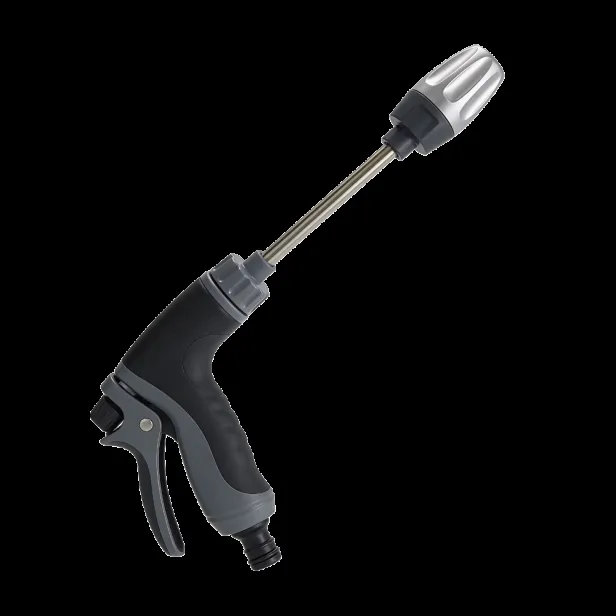
A stronger driveway rinse with your garden hose
Jetterix high-pressure nozzle: fits any standard hose, multiple spray patterns, no engine or gas. $59.99, or from $44.95 each in bundles.
Check today's price →$59.99, or from $44.95 each in bundles
How do you remove oil stains from a driveway?
- Absorb fresh oil immediately with kitty litter, baking soda or sawdust. Grind it in with your shoe, leave it for several hours, then sweep up.
- Apply a concrete degreaser and scrub with a stiff brush.
- Rinse with a strong spray.
- Repeat or use a poultice-type stain remover for old stains.
On asphalt, use products labeled safe for asphalt; some solvents and degreasers can soften it.
How do you handle other common stains?
| Stain | What to try |
|---|---|
| Rust (from furniture, fertilizer, metal) | Rust remover labeled for concrete; test first |
| Leaves and tannins | Concrete cleaner and scrubbing; sunlight fades many |
| Mildew, moss, algae | Cleaner made for organic growth; improve drainage and sunlight |
| Tire marks | Degreaser and scrubbing |
| Efflorescence (white haze) | Dry brush; efflorescence cleaner if needed |
Never mix cleaning products, and keep runoff out of storm drains where possible.
Is cleaning an asphalt driveway different?
Yes. Asphalt is softer and can be damaged by high pressure, strong solvents and stiff wire brushes. Use mild cleaners labeled for asphalt, a nylon brush and a moderate rinse. Clean before resealing, and let it dry completely before applying sealer.
How do you use less water?
Outdoor water use adds up; the EPA's WaterSense program notes that it accounts for about 30% of household water use. Blow debris off first instead of hosing it away, scrub before rinsing, and use a nozzle that shuts off between bursts. A focused stream also cleans more effectively per gallon than a weak, wide spray.
Which driveway cleaners should you use?
Choose a cleaner that matches your surface and your main problem. General concrete cleaners handle everyday dirt, pollen, tire marks and light grime. Degreasers are made for oil, grease and fluid stains from cars and grills. Organic growth cleaners target mildew, moss and algae on shady or damp sections. Rust removers labeled for concrete handle orange stains from fertilizer, furniture and metal. For asphalt, choose products specifically labeled safe for asphalt, since many concrete products and solvents are too harsh.
Read labels carefully: some cleaners need to be diluted, some should be applied to a damp surface and others to a dry one, and dwell times vary. Test on a small, out-of-the-way area first, especially on colored, stamped or sealed concrete. Wet or cover nearby plants and lawn edges, and rinse them afterward. Never mix products, and wear gloves and eye protection when working with strong cleaners.
What driveway cleaning mistakes should you avoid?
- Cleaning in hot, direct sun, which dries cleaner before it works and leaves blotches.
- Hosing debris away instead of blowing or sweeping first, which wastes water and spreads mud.
- Using wire brushes on asphalt or decorative concrete, which scratch the surface.
- Letting runoff flow into storm drains where it can carry cleaners into waterways; direct it onto gravel or lawn when you can.
- Sealing too soon after cleaning, before the surface is fully dry.
- Ignoring the edges and cracks, where weeds and dirt build up and make the whole driveway look neglected.
When is the best time of year to clean a driveway?
Spring is the classic time: winter leaves behind salt residue, sand, grime and sometimes new oil spots, and a good clean before summer makes the whole house look fresher. Early fall is the other ideal window, after summer's pollen, tire marks and grill spills, and before leaves and winter weather arrive; it's also the right time to seal concrete or sealcoat asphalt while temperatures are still mild. Pick a dry, overcast day with no rain forecast for at least a day, so cleaners can work and the surface can dry before you park on it or seal it. In winter, skip the deep clean but rinse salt off the driveway and garage apron on mild days to reduce damage. Our fall yard cleanup checklist includes the driveway along with the rest of the yard.
Should you seal the driveway?
Sealing concrete helps resist oil, salt and water damage and makes future cleaning easier. Asphalt driveways benefit from periodic sealcoating. Seal only a clean, completely dry surface, following the product's directions and timing for temperature and rain.
How do you keep the driveway clean longer?
- Blow it off weekly, especially in fall. A light blower makes this a two-minute job; see our Wood Ranger review.
- Clean spills right away, especially oil and paint.
- Use a drip pan under leaking vehicles and have the leaks fixed, since fluids also harm pets and plants.
- Rinse off salt after winter storms on days above freezing.
- Trim plants and branches to let sunlight in and reduce moss and stains.
- Keep gutters and downspouts directing water away from the driveway.
When should you call a professional?
For very old, deep stains, heavily oxidized surfaces, large commercial-size driveways, or before selling a home, a professional cleaning with hot water equipment can be worth it. Professionals know the right pressure and surface cleaners to avoid etching.
What does a typical driveway cleaning take?
For a standard two-car concrete driveway with light general grime and one old oil spot, plan on a couple of hours. Blowing off leaves and dirt takes ten minutes. The oil spot gets kitty litter while you weed the edges. Applying cleaner and scrubbing in sections takes the longest, about an hour with a push broom. Rinsing with a strong nozzle, working from the garage toward the street, takes another 20 to 30 minutes. Once dry, most driveways look noticeably brighter, with a more even color. The oil stain may need a second round of degreaser, but general grime, pollen, tire marks and mildew usually come up well without any heavy equipment. After that, a weekly blower pass and a twice-yearly scrub-and-rinse keep it looking fresh. The same method works on sidewalks, walkways and garage floors; see how to clean a garage fast.
The bottom line
You don't need a pressure washer for most driveway cleaning. Clear the surface, pre-treat stains, apply a concrete cleaner, scrub with a stiff broom and rinse thoroughly with a strong hose spray. Treat oil and rust stains separately, use gentler methods on asphalt, and keep up with weekly sweeping or blowing.
For a strong rinse with your garden hose, our pick is Jetterix. Check today's Jetterix price, and see how to clean patio pavers.
Sources
- U.S. EPA WaterSense. How We Use Water.
- U.S. Consumer Product Safety Commission. LANCHEZ Pressure Washers Recall.
- Official Jetterix product page, checked October 2026.
Frequently asked questions
Can you clean a driveway without a pressure washer?
Yes. Clear debris, apply a concrete cleaner, scrub with a stiff push broom and rinse with a strong hose spray. Deep, old stains may still need professional help.
How do you get oil off a driveway without a pressure washer?
Absorb fresh oil with kitty litter or baking soda, then scrub with a concrete degreaser and rinse. Repeat or use a poultice for old stains.
Does a high-pressure hose nozzle clean concrete?
It gives a much stronger rinse by concentrating your home's water pressure, typically 40 to 60 psi. Combined with a cleaner and scrubbing, it handles regular grime well.
Can pressure washing damage a driveway?
Yes. Too close or too much pressure can etch concrete and damage asphalt. That's one reason many homeowners prefer scrubbing and a strong hose rinse.
How do I clean an asphalt driveway?
Use mild cleaners labeled for asphalt, a nylon brush and a moderate rinse. Avoid strong solvents and high pressure.
How often should I clean my driveway?
Blow or sweep weekly, clean spills immediately, and do a full scrub and rinse once or twice a year.

Tim Humbert
Tim looks into the viral gadgets that show up in your feed, from mini leaf blowers to chain sharpeners and car care cloths. He reads the product pages, checkout and return policies, and buyer feedback so you know what a gadget really does before you spend money on it. His reviews are built on manufacturer information, official checkout and return policies, trusted safety sources and buyer feedback, and are updated when offers change. More about Tim.