
- Wet the siding and nearby plants.
- Apply a siding cleaner or a mild soap solution, working bottom to top to avoid streaks.
- Scrub mildew and dirt with a soft brush on an extension pole.
- Rinse top to bottom with a strong hose spray.
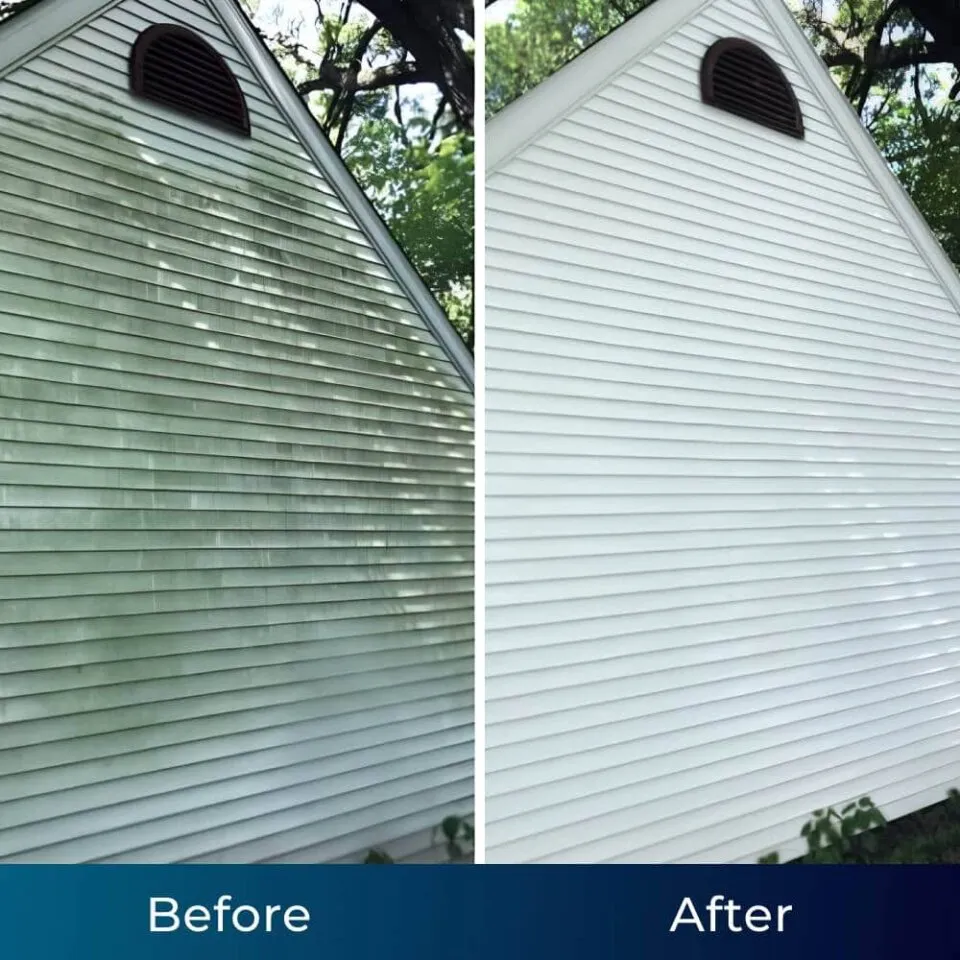
Vinyl siding is popular because it's durable and low-maintenance, but low-maintenance isn't no-maintenance. Over time it picks up dirt, pollen, green algae on the shady side, black mildew spots, spider webs and gray streaks under gutters and windows. A dirty house looks older and less cared for, and the good news is that vinyl cleans up beautifully with simple tools.
This guide walks through how to clean vinyl siding safely, what cleaners to use, how to deal with mildew and stains, whether you should pressure wash, and how to keep the house looking fresh.
When should you clean vinyl siding?
Most homes benefit from a cleaning once a year, typically in spring after pollen season or in early fall before winter. North-facing walls and areas under trees may need more frequent attention because algae and mildew grow in shade and moisture. Pick a mild, overcast day: direct sun dries cleaners on the siding before they can work and leaves streaks. Avoid windy days too, when spray drifts onto windows, cars and neighbors.
What do you need to clean vinyl siding?
- A garden hose with a high-pressure, multi-pattern nozzle.
- A soft-bristle brush on a telescoping extension pole.
- A siding cleaner labeled safe for vinyl, or a mild solution of water and dish soap for light dirt.
- A pump sprayer or hose-end sprayer for applying cleaner.
- Plastic sheeting or tarps to protect delicate plants, and water to pre-wet them.
- Gloves, eye protection and shoes with good grip on wet ground.
- A stable ladder only if necessary, with a helper.
How do you clean vinyl siding step by step?
- Prepare the area: close windows, cover outdoor outlets and light fixtures, move furniture and wet or cover plants.
- Rinse a section of siding to loosen surface dirt and cobwebs.
- Apply cleaner from the bottom up. Starting at the bottom prevents dirty cleaner from running down over dry siding and leaving streaks.
- Let it dwell for the time on the label, without letting it dry.
- Scrub stubborn areas with a soft brush on a pole, using gentle strokes along the panels.
- Rinse from the top down, thoroughly, so all cleaner is removed.
- Move to the next section and repeat.
- Rinse plants again when you're finished.
How do you remove mildew and algae?
Green algae and black mildew spots are common on shady walls. Use a cleaner made for mildew on vinyl siding, following the label carefully, and scrub gently. Some cleaners contain bleach; if you use one, protect plants, never mix it with other products, and rinse thoroughly. Mixing bleach with other cleaners can release toxic gases. Improving airflow, trimming shrubs away from the house and keeping gutters working help prevent regrowth.
How do you handle common siding stains?
| Stain | Approach |
|---|---|
| General dirt and pollen | Mild soap solution, soft brush, strong rinse |
| Green algae, black mildew | Mildew cleaner for vinyl, scrub, rinse |
| Rust streaks from fixtures | Rust stain remover labeled safe for vinyl; test first |
| Gray streaks under gutters | Siding cleaner and scrubbing; fix overflowing gutters |
| Grass and dirt splash near the ground | Soap solution, brush, rinse |
| Spider webs and insect nests | Brush off, then rinse |
Avoid harsh solvents, abrasive powders and stiff wire brushes, which can damage or dull vinyl.
Should you pressure wash vinyl siding?
You can, carefully, but many homeowners are better off without it. Vinyl panels overlap like shingles, with gaps at the bottom edge. High-pressure water aimed upward can be forced behind the panels, where it can lead to moisture problems, and too much pressure can crack or dent older vinyl and strip paint from trim. Pressure washers also bring their own hazards; the CPSC has recalled electric pressure washers over shock and electrocution hazards. If you use one, choose a low-pressure setting and a wide tip, spray downward and level, never up under panels, and keep your distance.
For most cleaning, scrubbing with a cleaner and rinsing with a strong hose spray works well and is much safer. See hose nozzle vs pressure washer.
How does a high-pressure hose nozzle help?
The rinse is where most homeowners struggle: a regular nozzle runs out of reach and force on a two-story wall. A high-pressure nozzle concentrates your home's water pressure, typically around 40 to 60 psi, into a stronger, more focused stream that reaches higher and rinses cleaner, without the force of a gas pressure washer that can drive water behind panels.
Jetterix is our pick. It fits any standard garden hose and has multiple spray patterns: a focused jet for reaching higher sections and stubborn dirt, and wider sprays for rinsing large areas and plants. There's no engine, cord or gas, so it's ready in seconds and you can hold the hose and brush pole without hauling heavy equipment around the house. Read our Jetterix review.
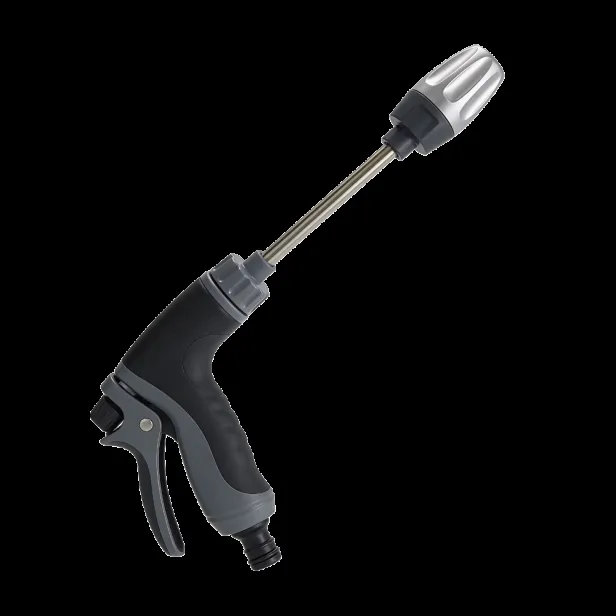
A stronger rinse for siding, from the ground
Jetterix high-pressure hose nozzle: fits any standard garden hose, multiple spray patterns, no engine or gas. $59.99, or from $44.95 each in bundles.
Check today's price →$59.99, or from $44.95 each in bundles
How do you stay safe cleaning siding?
- Work from the ground with an extension pole whenever possible.
- If you must use a ladder, set it on firm, level ground with a helper holding it, and don't overreach.
- Keep water away from electrical outlets, meters and fixtures.
- Wear eye protection when cleaning overhead.
- Don't use a ladder and a pressure washer together; the kickback can knock you off balance.
For tall homes or steep slopes, consider hiring a professional.
How do you save water when cleaning the house?
The EPA's WaterSense program notes that outdoor water use accounts for about 30% of household water use in the US. Rinse in sections rather than leaving the hose running, use a nozzle that shuts off between bursts and scrub before rinsing so you need less water.
How do you keep siding clean longer?
- Keep gutters clear so they don't overflow and streak the siding.
- Trim shrubs and trees away from the house for airflow and sunlight.
- Adjust sprinklers so they don't spray the siding and leave mineral spots.
- Rinse the siding lightly after pollen season each spring.
- Sweep away cobwebs regularly with a soft broom or blow them off with a light blower before they collect dirt.
- Clean small spots as soon as you notice them, before they spread.
Siding cleaning fits nicely into your fall yard cleanup.
How long does it take to clean a house?
For a typical one- or two-story house, plan on most of a day for the first full cleaning, especially if there's mildew on the shady side. Divide the house into walls and do one wall at a time: wet the plants, apply cleaner bottom to top, scrub the problem areas, rinse top to bottom and move on. The sunny walls often need little more than a rinse, while the north wall and areas behind shrubs take the most effort. After the first deep clean, an annual rinse-and-scrub often takes only a couple of hours, and spot-cleaning mildew as it appears keeps the big job from coming back.
Most homeowners are surprised at the difference: siding that looked faded and gray often turns out to be its original color under a layer of dirt and algae.
What siding cleaning mistakes should you avoid?
The biggest mistake is working in direct sun on a hot day. Cleaner dries on the panels before it can work, leaving streaks and spots that are harder to remove than the original dirt. The second is applying cleaner from the top down, which sends dirty runoff over dry siding and creates the streaks people often blame on the cleaner. Others include using abrasive pads or stiff brushes that scratch and dull the vinyl, leaving soap residue by rinsing too quickly, forgetting to protect plants, and spraying water directly into vents, outlets or light fixtures.
It's also easy to underestimate how much a dirty gutter contributes. If water overflows during every rain, it streaks the siding underneath again within weeks. Clean or repair the gutters first, and the siding stays clean much longer. Finally, don't ignore damaged panels: cracked, loose or warped pieces let water in and should be repaired before a deep clean.
Does siding color affect cleaning?
Light-colored siding shows algae, mildew and dirt streaks quickly, so it tends to need more frequent rinsing. Darker siding hides dirt better but can show chalky residue and water spots. Older vinyl that has oxidized may leave a chalky film on your hand; gentle cleaning and a thorough rinse help, but avoid aggressive scrubbing, which can make the surface look patchy. For heavily oxidized siding, a cleaner made for oxidation on vinyl and a test patch are the safest approach. Our mini blower guide covers a quick way to knock off cobwebs and dust between washes.
Should you clean windows and trim at the same time?
It's efficient to do them together, since you're already set up with water and brushes. Clean siding first, then windows, so dirty runoff doesn't land on clean glass. Rinse window screens, wipe trim and shutters, and check caulk around windows and doors for gaps while you're there.
The bottom line
Clean vinyl siding on a mild, overcast day: apply cleaner from the bottom up, scrub gently with a soft brush on a pole, and rinse thoroughly from the top down. Treat mildew with a vinyl-safe cleaner, avoid aiming high pressure up under panels, and work from the ground whenever you can.
For a strong, safe rinse, our pick is Jetterix. Check today's Jetterix price, and see how to clean a driveway without a pressure washer.
Sources
- U.S. EPA WaterSense. How We Use Water.
- U.S. Consumer Product Safety Commission. LANCHEZ Pressure Washers Recall.
- Official Jetterix product page, checked October 2026.
Frequently asked questions
What is the best way to clean vinyl siding?
Wet the siding and plants, apply a vinyl-safe cleaner from the bottom up, scrub with a soft brush on a pole and rinse thoroughly from the top down.
Can you pressure wash vinyl siding?
Carefully, on low pressure with a wide tip, spraying downward and level. High pressure aimed up under panels can force water behind the siding.
How do you remove mildew from vinyl siding?
Use a mildew cleaner labeled safe for vinyl, scrub gently, rinse thoroughly and improve airflow and sunlight to prevent regrowth.
How often should you clean vinyl siding?
About once a year for most homes, with shady or north-facing walls sometimes needing more frequent attention.
Why should you clean siding from the bottom up?
Applying cleaner from the bottom prevents dirty runoff from streaking dry siding below. Rinse from the top down.
Can a hose nozzle clean siding without a pressure washer?
Yes. A high-pressure nozzle like Jetterix concentrates household water pressure for a stronger rinse, combined with a cleaner and soft brush.

Tim Humbert
Tim looks into the viral gadgets that show up in your feed, from mini leaf blowers to chain sharpeners and car care cloths. He reads the product pages, checkout and return policies, and buyer feedback so you know what a gadget really does before you spend money on it. His reviews are built on manufacturer information, official checkout and return policies, trusted safety sources and buyer feedback, and are updated when offers change. More about Tim.