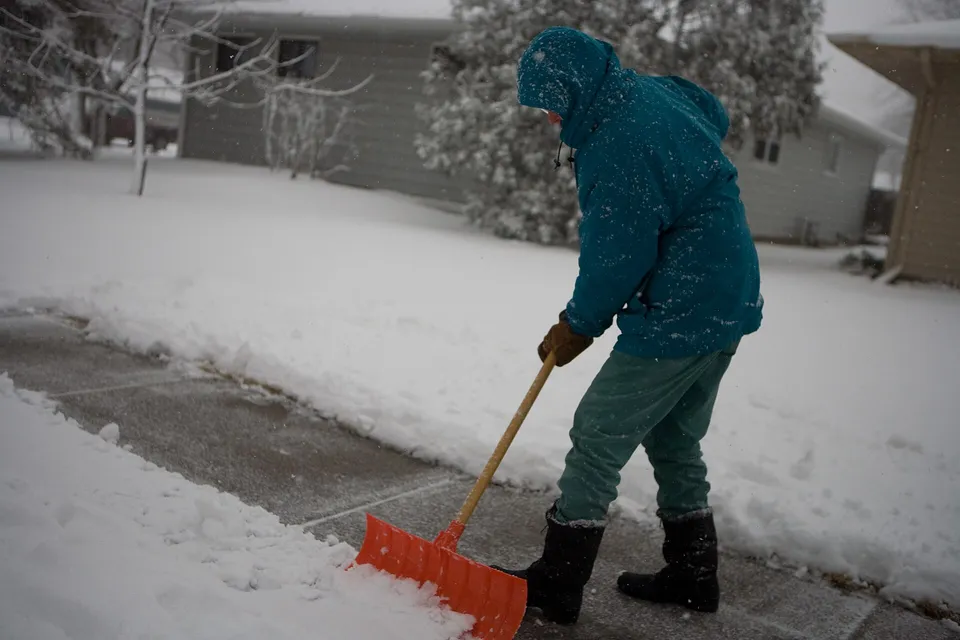
- Start early, before the snow is packed or freezes.
- Clear in stages during long storms, every few inches.
- Push, don't lift: work in strips from the center outward.
- Clear the plow ridge at the end of the driveway last.
- Treat icy spots with de-icer or sand.
Clearing the driveway is one of winter's least favorite chores. Do it wrong and you'll spend an hour fighting packed, heavy snow, strain your back and still end up with icy patches. Do it right, and most snowfalls take a fraction of the time and effort. The secret is mostly timing and technique, plus using the right tool for the type of snow you have.
This guide covers when to clear, step-by-step methods for shovels, snow throwers and blowers, how to deal with the plow ridge, how to prevent ice, how to protect your driveway surface and how to stay safe.
When should you clear the driveway?
Clear snow as soon as practical, and during long storms clear every few inches rather than waiting for it all to fall. Fresh snow is lighter and easier to move; once cars drive over it or the sun softens it and it refreezes, it turns into packed snow and ice. If heavy snow is forecast overnight, a quick clearing before bed makes the morning much easier.
How does the type of snow change the method?
| Snow type | Best tool | Tip |
|---|---|---|
| Light, dry powder (1–3 in) | Cordless blower or push shovel | Clear right away; it blows easily |
| Medium (3–6 in) | Push shovel or snow thrower | Work in strips |
| Heavy, wet snow | Snow thrower or shovel with small loads | Take breaks; lift with your legs |
| Deep (8 in+) | Two-stage snow thrower or service | Clear in layers |
| Ice | De-icer, sand, ice chopper | Prevent by clearing early |
How do you shovel a driveway efficiently?
- Use a push shovel for most of the work and a smaller lifting shovel for the edges.
- Start in the middle and push snow to each side in strips.
- Overlap passes slightly so no ridges are left.
- Throw snow downwind and away from where cars will turn.
- Leave room for future snow on the banks, so piles don't fall back.
- Clear the plow ridge at the end last.
The American Heart Association notes that heavy shoveling can strain the heart, so pace yourself, push rather than lift and stop if you feel unwell.
How do you use a snow thrower well?
Clear in overlapping passes from one side to the other, aim the chute downwind and away from cars and windows, and go slower in deep or wet snow. Never put your hands in the chute, even with the engine off; use the clearing tool. Check the shear pins and auger before the season.
When does a cordless blower work best?
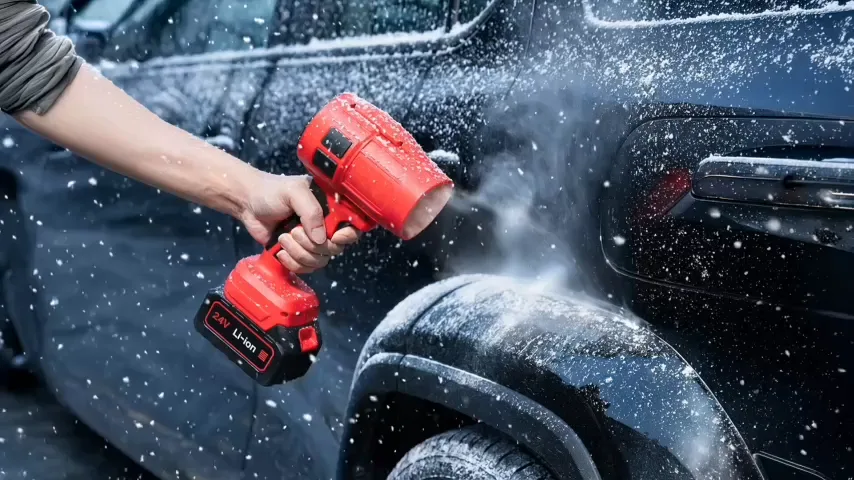
For light, fluffy snow of an inch or two, a cordless blower is often faster than a shovel. It's ideal for clearing the car, steps, the porch and the path to the mailbox, and for a quick pass on a short driveway right after a light snowfall. It won't move heavy, wet snow, slush or ice. See can a leaf blower remove snow? and electric snow blower vs shovel.
In what order should you clear everything?
- Clear the car first so the snow you blow off doesn't land on a clean driveway. See how to clear snow off a car.
- Clear steps and the front walk for safe access.
- Clear the driveway from the garage toward the street.
- Clear the plow ridge last.
- Clear around the mailbox, trash cans and fire hydrant if one is nearby.
How do you deal with the plow ridge?
The ridge the snowplow leaves at the end of the driveway is often the heaviest, wettest snow of all. Clear it as soon as you can, before it freezes. Take small bites, work from the sides, and pile it on the side away from the direction the plow comes from, so the next pass doesn't push it back. If the ridge is very heavy, take it in several short sessions.
How do you prevent ice?
- Clear snow before it's packed down.
- Apply de-icer to steps and slopes before freezing temperatures return.
- Use sand or kitty litter for traction where you can't use salt.
- Make sure downspouts drain away from the driveway and walkways.
See how to keep steps ice-free.
How do you protect the driveway surface?
Rock salt can damage new concrete (less than a year old) and some pavers, and it's hard on plants and pets. Use calcium magnesium acetate or a pet-safe de-icer if you're concerned. Use a shovel with a plastic edge on pavers and stamped concrete, and set snow thrower skids so the auger doesn't scrape the surface. A blower never touches the surface at all.
Which safety tips matter most?
- Dress in layers and wear waterproof, non-slip boots.
- Warm up and stretch before you start.
- Take breaks and drink water.
- Stop and call 911 if you feel chest pain, pressure or shortness of breath.
- Keep kids and pets away from snow throwers.
- Wear eye protection with blowers and throwers.
Ready.gov has a full guide to staying safe in winter weather.
Which tool do we recommend for light snow?
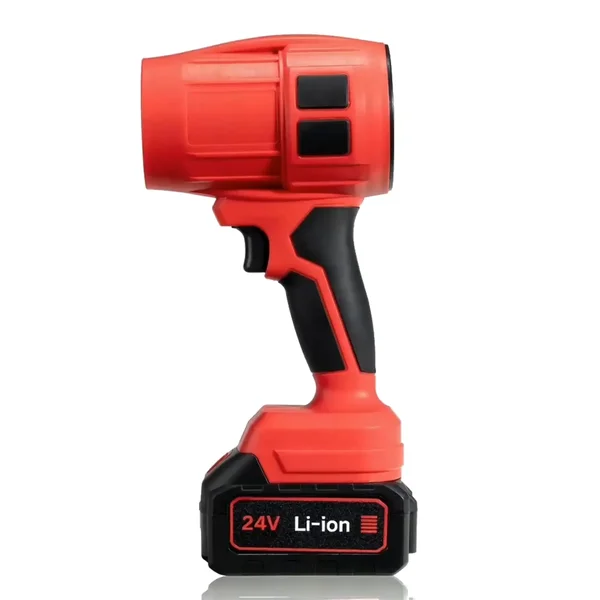
For the light snow most mornings bring, the Wood Ranger Power Blower is a quick, light helper: about 2.1 lb, a 1600W brushless motor and about 15 minutes per charge, enough for a car, steps and a walkway. It ships from Ohio with a 90-day guarantee and costs from $55.99 each in a 3-pack. Read our Wood Ranger Power Blower review.
Light snow, cleared in minutes
4-season mini blower for snow on cars, steps and walkways, plus leaves and dust. From $55.99 each in bundles, 90-day guarantee.
Check today's price →From $55.99 each in bundles · 90-day guarantee
What if you can't shovel?
If health or age makes shoveling risky, arrange help before the first storm: a neighbor, a local teen, a snow removal service or a community program for older residents. A light blower can handle the steps and car on light snow days in between. See snow removal tools.
What should you do after the storm?
Check that downspouts and drains are clear so melting snow doesn't refreeze on the driveway. Knock heavy snow off shrubs gently with a broom to prevent broken branches. Clean and dry your tools, and recharge blower batteries indoors so they're ready next time. See prepare your yard for winter.
How do you clear a gravel driveway?
Gravel is tricky because shovels and throwers pick up stones. Raise the snow thrower's skid shoes so the auger stays above the gravel, or leave a thin layer of snow and let it pack down. Use a shovel with a plastic blade and push lightly. A blower works well for light snow because it doesn't touch the surface at all. In spring, rake stones back from the lawn edges.
What about steep or sloped driveways?
Sloped driveways get icy fast. Clear snow early, work from the top down so you're never walking uphill on packed snow, and apply de-icer or sand immediately after clearing. Wear boots with good traction or ice cleats, and consider a handrail along steep walkways.
Where should you pile snow?
Pile snow where it won't block your view when backing out, won't melt back across the driveway and won't bury the fire hydrant, mailbox or storm drains. Keep piles off plants and shrubs that could be damaged by weight or salt. On long driveways, alternate sides to keep banks lower.
How do you keep tools ready all winter?
Keep the shovel and de-icer near the door, charge blower batteries after each use and store them indoors, and keep fuel stabilized for gas throwers. Check shovel blades and handles for cracks before the first storm. See snow removal tools.
How long should clearing take?
For a typical two-car driveway, light snow takes 10 to 20 minutes with a shovel or blower, while deep snow can take an hour or more by hand. Clearing in stages during long storms keeps each session short and safer.
Who is responsible for the sidewalk?
In many towns, homeowners must clear the public sidewalk in front of their property within a set time after snow stops. Check your local rules, and remember that clear sidewalks help neighbors, mail carriers and anyone with a stroller or wheelchair.
Are heated mats or driveways worth it?
Heated walkway mats and radiant driveways melt snow automatically but cost much more to install and run. They're mostly worth it for steep driveways or people who can't clear snow at all. For most homes, good tools and timing are far cheaper.
Can kids help clear snow?
Older kids can help with light snow using small shovels, but keep them away from snow throwers and the street.
The bottom line
Clear early and often, push instead of lifting, work in strips from the middle out and handle the plow ridge last. Use a blower for light powder, a shovel or snow thrower for deeper or heavier snow, and treat icy spots right away. Pace yourself: no driveway is worth a trip to the emergency room.
For light snow days: check today's Wood Ranger Power Blower price.
Sources
- American Heart Association. Snow shoveling can be hazardous to your heart.
- Ready.gov. Winter Weather.
Frequently asked questions
What is the easiest way to clear snow from a driveway?
Clear early and often, push instead of lifting and work in strips from the middle out.
Should you shovel during a snowstorm?
In long storms, yes: clear every few inches so snow doesn't get heavy or packed.
Can a leaf blower clear a driveway?
For an inch or two of light, fluffy snow, yes. Not for heavy or wet snow.
How do you deal with the snowplow ridge?
Clear it soon in small bites and pile snow away from the direction the plow comes.
Does salt damage concrete?
It can harm new concrete and some pavers. Consider gentler de-icers.
How do you prevent ice on the driveway?
Clear snow before it's packed and treat slopes and steps with de-icer.

Tim Humbert
Tim looks into the viral gadgets that show up in your feed, from mini leaf blowers to chain sharpeners and car care cloths. He reads the product pages, checkout and return policies, and buyer feedback so you know what a gadget really does before you spend money on it. His reviews are built on manufacturer information, official checkout and return policies, trusted safety sources and buyer feedback, and are updated when offers change. More about Tim.