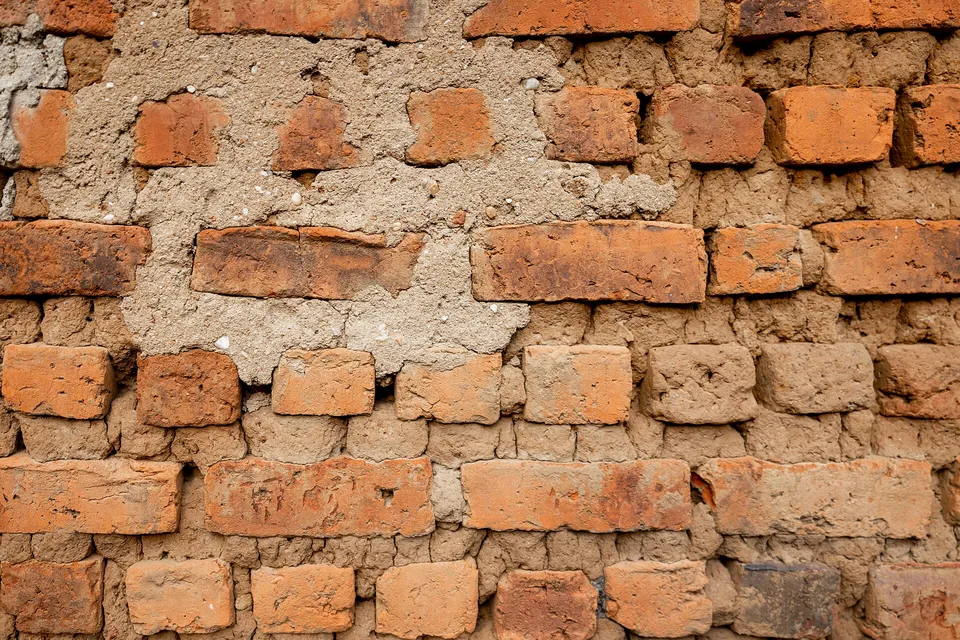
- Wet the brick first so it doesn't soak up dirty water.
- Scrub with a stiff (not wire) brush and warm water with mild dish soap.
- For mildew and algae, use a cleaner labeled for masonry or a diluted oxygen bleach solution.
- For white powder (efflorescence), dry-brush first, then use a masonry cleaner made for it.
- Rinse thoroughly from the top down.
Brick is one of the toughest building materials there is, but it's also porous. Over the years it collects dirt, soot, mildew, algae, rust and that white chalky residue called efflorescence. Cleaning it brightens the whole house, patio or chimney, but the wrong method, especially high pressure or harsh acids, can damage the brick face and wash out the mortar.
This guide covers how to clean exterior brick walls, patios and fireplaces, how to remove common stains, which cleaners are safe, mistakes to avoid and how to keep brick looking good.
What should you do before you start?
- Check the mortar: loose or crumbling joints should be repaired before cleaning.
- Choose a mild day: not freezing and not hot, so water doesn't freeze or cleaners dry too fast.
- Protect plants and nearby surfaces like windows, wood trim and metal.
- Test cleaners on a hidden spot.
- Wear gloves and eye protection.
How do you clean general dirt off brick?
- Wet a section of brick thoroughly with a hose.
- Scrub with a stiff nylon brush and warm water mixed with a little dish soap.
- Work in small sections from the bottom up.
- Rinse from the top down before the soap dries.
- Let it dry and check for spots that need a second pass.
How do you remove common stains?
| Stain | What to use |
|---|---|
| Mildew and algae | Masonry mildew cleaner or diluted oxygen bleach |
| Efflorescence (white powder) | Dry brush first, then a masonry efflorescence cleaner |
| Soot (fireplace, chimney) | Soap and water paste, or a masonry soot remover |
| Rust | A rust remover labeled for masonry |
| Oil on brick patios | Absorbent (cat litter), then a degreaser |
| Moss | Scrape gently, then treat with a moss cleaner |
Always read the label, and never mix cleaners. The EPA stresses following product directions and never mixing chemicals.
What is efflorescence and how do you stop it?
Efflorescence is the white, powdery deposit that appears when water moves through brick and carries salts to the surface. It's a sign of moisture, not damage. Brush it off dry with a stiff brush first; water can dissolve it and pull it back into the brick. If it keeps coming back, look for the source of the moisture: leaky gutters, poor drainage or sprinklers hitting the wall.
Can you pressure wash brick?
High pressure can erode the face of softer brick and blast out mortar, letting water into the wall. If you use any pressure, keep it low and wide, and test first. For most homes, scrubbing and a strong hose rinse are safer and work well. See hose nozzle vs pressure washer.
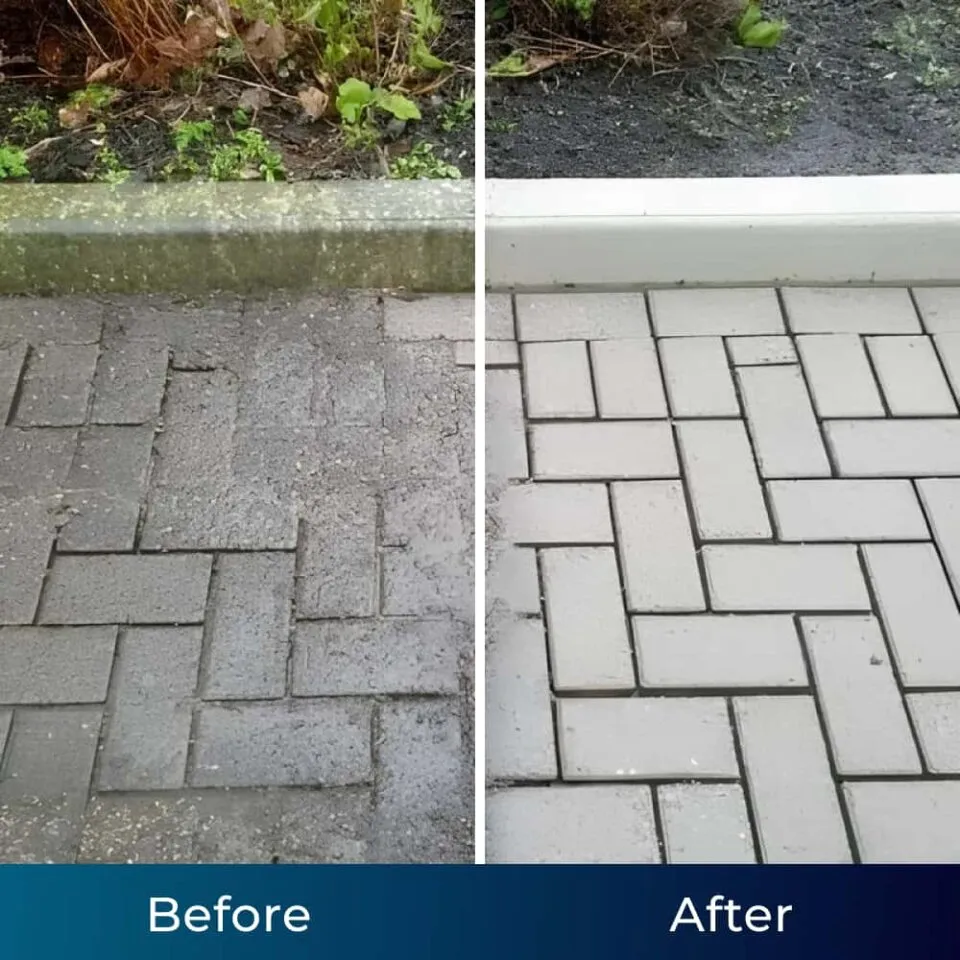
How do you clean a brick patio?
- Sweep or blow off leaves and debris.
- Wet the patio.
- Scrub with a stiff push broom and soapy water.
- Treat mildew or moss spots with a masonry cleaner.
- Rinse well with a strong hose stream.
- Refill joints with sand if needed once dry.
See how to clean patio pavers.
How do you clean an indoor brick fireplace?
Protect the floor with drop cloths, vacuum loose soot, then scrub with a paste of dish soap and water or a soot remover. Wipe with clean water using a sponge rather than spraying, and keep the room ventilated. Never use acid cleaners indoors without following the label exactly.
What's the best way to rinse a brick wall?
A good hose nozzle makes all the difference. The Jetterix Pressure Nozzle attaches to any standard garden hose and concentrates your home's water pressure (about 40–60 psi) into a strong jet or a wide fan, so you can rinse high walls from the ground and flush cleaner out of the mortar joints. It's not a pressure washer, which is exactly why it's safer for brick. In October 2026 it cost $59.99, or from $44.95 each in bundles. Read our Jetterix review (4.4/5).
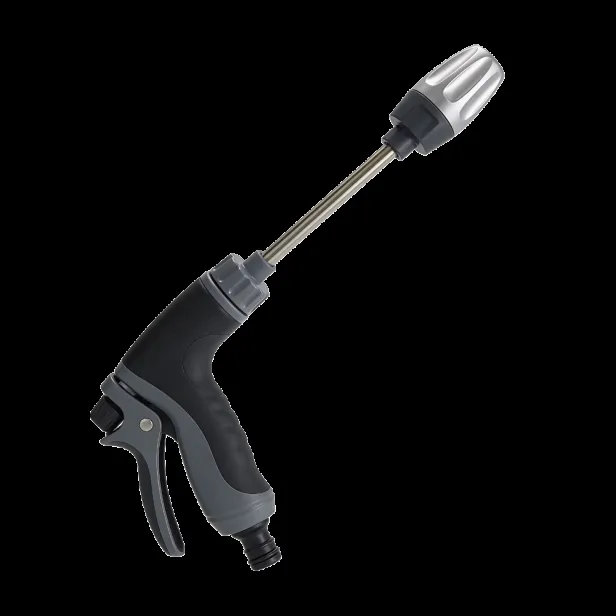
A strong rinse for brick, patios and siding
High-pressure nozzle for any garden hose, with multiple spray patterns. From $44.95 each in bundles, with a 30-day return policy.
Check today's price →$59.99, or from $44.95 each in bundles
Which mistakes should you avoid?
- Using wire brushes, which leave metal particles that rust.
- Using strong acids without experience or protection.
- Cleaning in freezing weather.
- Skipping the pre-wetting step.
- High-pressure washing old or soft brick.
- Ignoring the moisture problem behind efflorescence.
Should you seal brick after cleaning?
Most exterior brick doesn't need sealing and needs to "breathe" so moisture can escape. Some patios and chimneys benefit from a breathable masonry water repellent. If you're unsure, ask a masonry professional; the wrong sealer can trap moisture and make problems worse.
How often should you clean brick?
An annual rinse keeps dirt and pollen from building up. Treat shaded areas for mildew as needed, and check for efflorescence after wet seasons. Keep gutters clear and plants trimmed back from walls. See how to remove mildew from siding and how to clean vinyl siding.
How do you save water?
Work in sections and use a nozzle that shuts off between them. The EPA WaterSense program notes that outdoor water use is a big part of household use, so efficient rinsing matters.
How do you clean a brick chimney?
Exterior chimney brick gets soot, moss and mildew, but cleaning it means working on the roof, which is dangerous. Clean only the parts you can reach safely from the ground with a long brush and a strong hose stream, and hire a chimney professional for the rest. A chimney sweep can also inspect the mortar and crown for cracks while they're up there, which is the bigger concern for most older chimneys.
What about painted brick?
Painted brick should be cleaned more gently than bare brick. Use mild soap and water with a soft brush, avoid strong cleaners that can lift paint, and rinse with a gentle spray. If paint is peeling, cleaning will remove more of it, so plan any repainting first. Use breathable masonry paint if you repaint, so moisture can escape.
How soon can you clean new brick?
New brickwork often has mortar smears and haze. Wait for the mortar to cure, usually a few weeks, before cleaning, and use a cleaner made for new masonry. Pre-wet the wall, follow the product directions carefully and rinse thoroughly. Ask your mason which cleaner they recommend for the brick you used.
What's an easy yearly brick routine?
- In spring, rinse walls and patios to remove pollen and winter grime.
- Treat mildew on shaded sides.
- Check mortar joints for cracks and gaps.
- In fall, clear leaves from patios and keep gutters flowing.
- Brush off efflorescence dry after wet seasons.
A few hours a year keeps brick looking good for decades.
Which tools work best on brick?
A stiff nylon brush is the workhorse: firm enough to scrub mortar joints but gentle on the brick face. A long-handled brush or push broom covers patios and lower walls quickly. A garden pump sprayer applies masonry cleaner evenly, and a good hose nozzle rinses grime out of the mortar. Avoid wire brushes and metal scrapers, which can scratch and leave rust spots. For small, stubborn stains, an old toothbrush or detail brush gets into textured brick and corners.
How do you clean interior brick walls?
Exposed brick inside a home collects dust more than dirt. Vacuum it with a brush attachment first, then wipe or scrub lightly with warm water and a little dish soap, using a sponge and a bucket rather than spraying. Protect floors and nearby furniture, work in small areas and dry with towels. Most interior brick doesn't need any special cleaner, and a gentle approach keeps the texture and mortar intact.
Which safety tips matter with masonry cleaners?
Many masonry cleaners are acidic or alkaline and can irritate skin and eyes. Wear gloves, eye protection and long sleeves, keep kids and pets away and rinse plants before and after. Never mix products, and follow dilution instructions exactly. Work from the ground whenever possible, and if you need a ladder, set it on firm, level ground with a helper.
Is cleaning brick pavers different from walls?
Pavers get more foot traffic, dirt and weeds in the joints. Sweep or blow them first, pull weeds from the joints, scrub with a push broom and cleaner and rinse thoroughly. Once dry, sweep polymeric or regular joint sand back into the gaps to keep pavers tight and discourage weeds. Avoid aiming a strong stream directly into joints for long, which washes the sand out.
How much does brick cleaning cost?
Doing it yourself costs a brush, a cleaner and your time. Professional masonry cleaning costs considerably more, especially for two-story homes, but is worth it for tall walls, historic brick or heavy staining.
The bottom line
Clean brick by wetting it first, scrubbing with a stiff nylon brush and mild soap, using masonry cleaners for mildew, soot and efflorescence, and rinsing thoroughly. Skip wire brushes and high pressure, and fix the moisture causes. A strong hose nozzle gives you a powerful, safe rinse.
Our pick: check today's Jetterix price on the official site.
Sources
- U.S. Environmental Protection Agency. Six Steps for Safe and Effective Disinfectant Use.
- U.S. Environmental Protection Agency. WaterSense: How We Use Water.
Frequently asked questions
What is the best way to clean exterior brick?
Wet it, scrub with a stiff nylon brush and mild soapy water, then rinse well.
How do you remove white powder from brick?
That's efflorescence. Dry-brush it first, then use a masonry efflorescence cleaner, and fix the moisture source.
Can you pressure wash brick?
High pressure can damage the brick face and mortar. Low pressure or a strong hose rinse is safer.
Should you use a wire brush on brick?
No. Wire leaves metal particles that can rust.
How do you clean soot off a brick fireplace?
Vacuum loose soot, then scrub with a dish soap paste or a soot remover and wipe with clean water.
Should brick be sealed?
Usually not. Brick needs to breathe; ask a masonry pro before sealing.

Tim Humbert
Tim looks into the viral gadgets that show up in your feed, from mini leaf blowers to chain sharpeners and car care cloths. He reads the product pages, checkout and return policies, and buyer feedback so you know what a gadget really does before you spend money on it. His reviews are built on manufacturer information, official checkout and return policies, trusted safety sources and buyer feedback, and are updated when offers change. More about Tim.