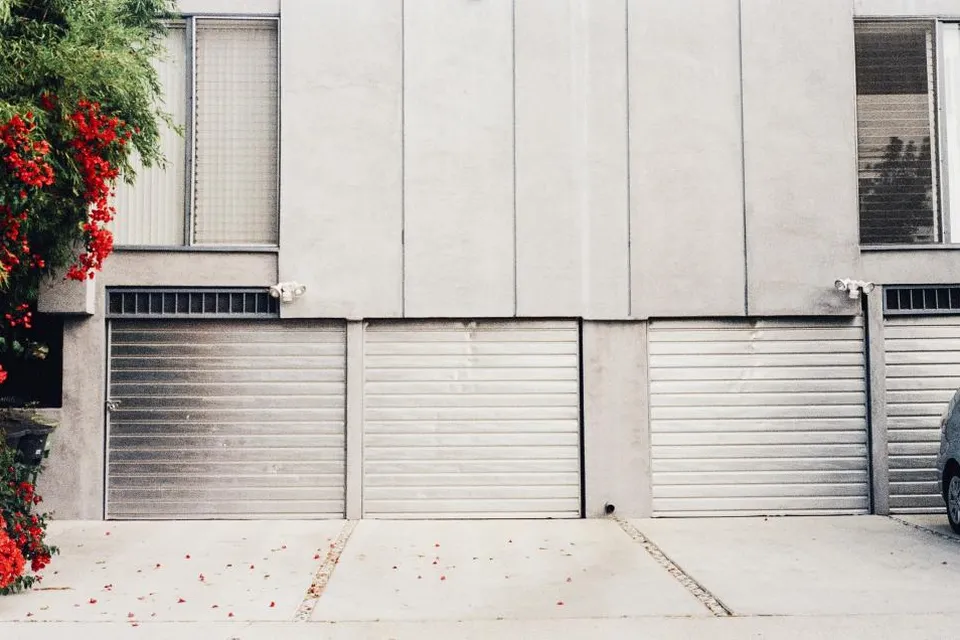
- Soak up fresh oil fast with kitty litter, baking soda or cornstarch. Leave it for a few hours, then sweep it up.
- Scrub with dish soap or a concrete degreaser and a stiff nylon brush.
- Rinse with a strong, focused hose spray, working the dirty water toward the lawn edge, not the storm drain.
- Repeat for old stains, or use a poultice or enzyme cleaner and let it sit overnight.
- On asphalt, skip harsh solvents and use dish soap or an asphalt-safe cleaner.
An oil stain on the driveway is one of those things you notice every time you pull in. It might come from a leaking car, a lawn mower, an oil change gone wrong or a parked motorcycle. Concrete is porous, so oil soaks in fast, and the longer it sits, the darker and deeper the stain gets. The good news: most oil stains can be lightened a lot, and many can be removed completely, with simple supplies and a bit of patience. This guide shows what to do with fresh spills, how to tackle old set-in stains, what works on concrete versus asphalt and pavers, how to rinse without polluting and how to stop new stains from forming.
In this guide:
- what to do with a fresh oil spill
- how to remove set-in stains
- concrete vs asphalt vs pavers
- products that work and what to avoid
- rinsing the right way
- preventing new stains
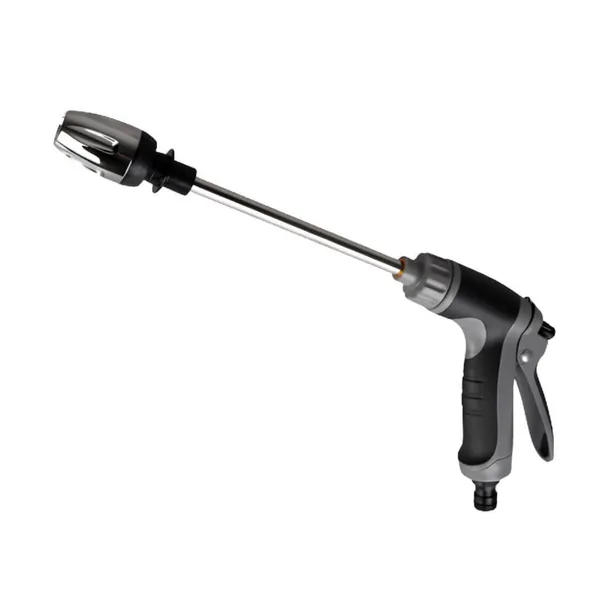
Our pick: the Power Blast Plus Hose Nozzle
Garden hose nozzle with a long-reach metal wand, Precision Flow adjustable spray head and a standard hose connection. Ships from New Jersey.
Check today's price →$66.66, or from $49.95 each in bundles
What should you do right after an oil spill?
Speed matters most. The less time oil has to sink in, the easier it comes out.
- Blot any puddle with paper towels or rags. Don't rub, which spreads it.
- Cover the spot generously with an absorbent: clay kitty litter, baking soda, cornstarch or sawdust.
- Grind it in with your shoe to push the absorbent into the surface.
- Leave it for several hours, ideally overnight.
- Sweep it up and throw it away in a sealed bag.
- Scrub what's left with dish soap and water, then rinse.
Kitty litter is the classic choice because it's cheap and very absorbent. Crush it slightly first for better contact with the concrete.
How do you remove old, set-in oil stains?
Old stains have soaked deep into the concrete, so they need a cleaner that can lift oil out of the pores and more than one round.
- Sweep the area and remove loose dirt.
- Wet the concrete lightly.
- Apply a concrete degreaser or a strong mix of dish soap and hot water. Follow the product directions.
- Scrub hard with a stiff nylon brush for a few minutes.
- Let it sit for the time on the label, usually 10 to 20 minutes, without letting it dry out.
- Rinse thoroughly with a strong, focused hose spray.
- Repeat two or three times on stubborn stains.
For very old stains, a poultice works well: mix an absorbent powder (baking soda, kitty litter or diatomaceous earth) with a degreaser into a thick paste, spread it over the stain, cover with plastic and leave it overnight. As it dries, it draws oil out of the concrete. Scrape it off and rinse.
Which cleaners work on oil stains?
| Cleaner | Best for | Notes |
|---|---|---|
| Kitty litter, baking soda, cornstarch | Fresh spills | Absorbs oil before it sets |
| Dish soap and hot water | Light and recent stains, asphalt | Gentle and cheap; scrub well |
| Concrete degreaser | Set-in stains on concrete | Follow label directions and wear gloves |
| Enzyme or bacterial cleaner | Old stains, lighter shadows | Breaks down oil over hours or days |
| Poultice paste | Deep, old stains | Leave overnight under plastic |
Skip gasoline, paint thinner and other flammable solvents. They're a fire risk, they can spread the stain and they're harmful to the environment.
Our pick: the Power Blast Plus Hose Nozzle
Garden hose nozzle with a long-reach metal wand, Precision Flow adjustable spray head and a standard hose connection. Ships from New Jersey.
Check today's price →$66.66, or from $49.95 each in bundles
How should you rinse an oily driveway?
Rinsing well is what carries the loosened oil away, and a focused spray reaches deeper into the concrete's surface than a gentle shower. Hold the nozzle at a low angle and sweep the spray across the stain, pushing the dirty water toward the edge of the driveway and onto gravel or lawn edges where it can soak in, not toward the street or storm drain. Storm drains usually lead straight to rivers and lakes without treatment. The EPA explains how everyday runoff like this adds up in its guide to nonpoint source pollution.
Want to clean the whole driveway while you're at it? See how to clean a driveway without a pressure washer.
Is removing oil from asphalt different from concrete?
Yes. Asphalt is made with oil-based binders, so strong degreasers and solvents can soften or damage it.
- Concrete: absorbents, dish soap, concrete degreasers, poultices and enzyme cleaners all work.
- Asphalt: absorb fresh spills, then scrub with dish soap and water. If you use a cleaner, make sure the label says it's safe for asphalt. Rinse well and let it dry.
- Sealed asphalt: stains often sit on the sealer and come off more easily. Reseal every few years for extra protection.
How do you get oil off pavers?
Pavers are porous like concrete, so the same steps apply: absorb, scrub with soap or degreaser and rinse. Be careful not to wash out the joint sand between pavers with too strong a spray. Refill joints with polymeric or regular sand afterward if needed. Badly stained individual pavers can also be lifted and flipped or replaced. More in how to clean patio pavers.
What about oil stains on a garage floor?
Garage floors are usually smooth, sealed or painted concrete, which can make stains easier to lift. Use the same method, but test any degreaser on a small corner first if your floor has an epoxy coating. Keep the garage door open for ventilation. See how to clean a garage floor.
Do you need a pressure washer?
A pressure washer can help on concrete, but it isn't necessary for most oil stains, and it can etch concrete or damage asphalt if used too close. Soaking, scrubbing and a strong, focused hose spray handle most jobs. A good nozzle concentrates your household water pressure into a tighter stream, which makes rinsing much more effective than an ordinary spray head. Compare options in hose nozzle vs pressure washer and how to increase garden hose water pressure.
Why a long-reach hose nozzle helps
Bending over to scrub and rinse a driveway is hard on the back. A nozzle with a long metal wand lets you aim the spray right at the stain while standing upright, and an adjustable head lets you switch between a wide rinse and a focused stream. The Power Blast Plus connects to a standard garden hose and has a Precision Flow adjustable spray head, so it's useful for driveways, walkways, siding and cars. It doesn't turn your hose into a pressure washer, but it makes the most of the pressure you have. Read our Power Blast Plus review.
How do you prevent oil stains on your driveway?
- Fix the leak. A drip pan is a short-term fix; the real solution is getting the car checked.
- Use a drip mat or tray under the engine where you park.
- Do oil changes over a tarp with absorbent pads nearby.
- Seal your concrete every few years so oil sits on the surface instead of soaking in.
- Keep a bag of kitty litter in the garage for fast cleanup.
How do you dispose of oily absorbent and used oil?
Used kitty litter or absorbent with a small amount of oil can usually go in the trash in a sealed bag, but check your local rules. Never pour motor oil down a drain or onto the ground. Most auto parts stores and many recycling centers accept used motor oil for free. The EPA has guidance on recycling used oil.
What mistakes make oil stains worse?
- waiting days before cleaning a fresh spill
- spreading oil by rubbing wet rags across it
- using gasoline or solvents
- using strong degreasers on asphalt
- blasting concrete too close with a pressure washer
- rinsing oily water into the storm drain
What results can you expect?
Fresh spills often disappear completely. Stains that are weeks or months old usually lighten a lot after two or three rounds, though a faint shadow can remain in very porous or unsealed concrete. That shadow often fades further over time with sun and rain, and an enzyme cleaner can keep working on it for several days. If a stain is years old and very dark, a professional concrete cleaning or resurfacing may be the only way to make it disappear completely.
What about other driveway stains?
Oil isn't the only mark that shows up on concrete. A few others need a slightly different approach:
- Transmission and brake fluid: treat them like oil, with an absorbent first and then dish soap or a degreaser.
- Rust stains from patio furniture or fertilizer: use a cleaner made for rust on concrete, following the label carefully.
- Tire marks: scrub with a degreaser and a stiff brush, then rinse with a focused spray.
- Leaf and tannin stains: these often fade in the sun. A mild oxygen bleach solution and a rinse help speed it up.
- Mildew and algae in shady spots: scrub with a mild cleaner and rinse well, then keep the area dry and clear of leaves.
Always test a cleaner on a small hidden area first, wear gloves and keep pets and children away until the surface is rinsed and dry.
The bottom line
To remove oil stains from a driveway:
- absorb fresh oil quickly with kitty litter, baking soda or cornstarch
- scrub with dish soap or a concrete degreaser and a stiff brush
- use a poultice or enzyme cleaner for old stains
- use only gentle, asphalt-safe cleaners on asphalt
- rinse with a strong, focused spray, away from storm drains
The Power Blast Plus makes rinsing easier with a long metal wand and an adjustable spray head that fits any standard garden hose. $66.66, or from $49.95 each in bundles.
Our pick: the Power Blast Plus Hose Nozzle
Garden hose nozzle with a long-reach metal wand, Precision Flow adjustable spray head and a standard hose connection. Ships from New Jersey.
Check today's price →$66.66, or from $49.95 each in bundles
Frequently asked questions
What is the best thing to remove oil from a driveway?
For fresh spills, an absorbent like kitty litter or baking soda. For set-in stains, a concrete degreaser or poultice, scrubbed in and rinsed well.
Does Coke remove oil stains from concrete?
It can lighten some stains a little, but a degreaser or dish soap works better and leaves no sticky residue.
How do you get old oil stains out of concrete?
Apply a degreaser or a poultice paste, scrub, let it sit, rinse with a strong spray and repeat two or three times.
Can you use degreaser on asphalt?
Only products labeled safe for asphalt. Strong solvents can soften asphalt; dish soap and water are safer.
Do you need a pressure washer to remove oil stains?
No. Absorbing, scrubbing and a focused hose spray handle most stains. Pressure washers can etch concrete if used too close.
Where should the oily rinse water go?
Toward gravel or lawn edges where it can soak in, never into the street or storm drain.

Tim Humbert
Tim looks into the viral gadgets that show up in your feed, from mini leaf blowers to chain sharpeners and car care cloths. He reads the product pages, checkout and return policies, and buyer feedback so you know what a gadget really does before you spend money on it. His reviews are built on manufacturer information, official checkout and return policies, trusted safety sources and buyer feedback, and are updated when offers change. More about Tim.