- Open the spigot fully and turn off other taps and sprinklers.
- Remove kinks.
- Clean clogged washers and screens.
- Use a shorter or wider hose.
- Fix leaks at connections.
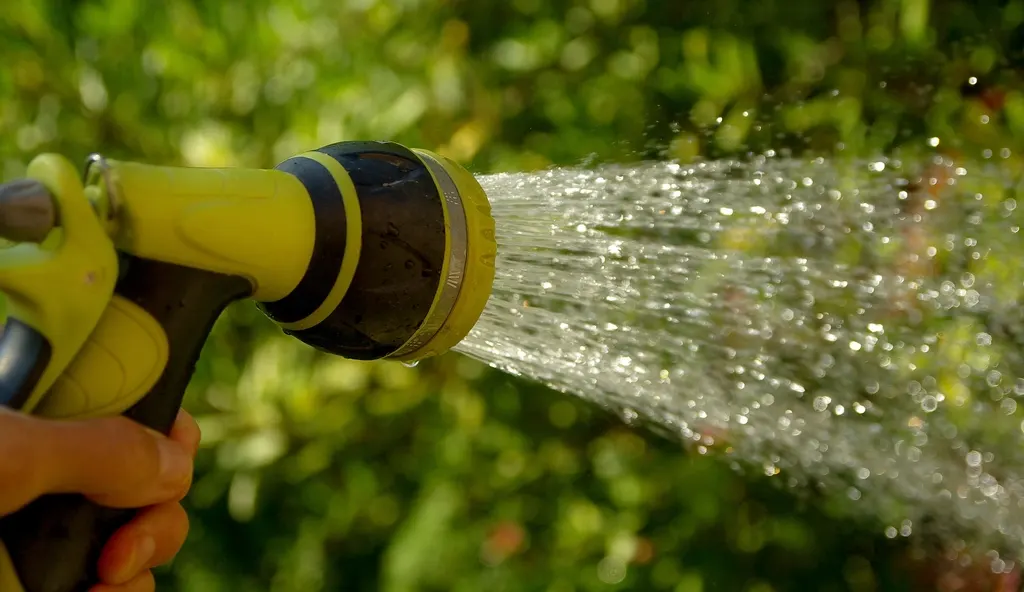
- Most importantly, use a high-pressure nozzle that concentrates the water into a faster, stronger stream.
You turn on the hose to wash the car or rinse the patio, and the water just dribbles out. Weak hose pressure is frustrating, especially when you're trying to clean something. The good news is that low pressure at the nozzle is often caused by things you can fix in minutes, and the right nozzle can turn a weak flow into a useful cleaning stream.
This guide explains what controls hose pressure, how to diagnose the problem, quick fixes, when it's a home water pressure issue, and how a high-pressure nozzle helps.
What's the difference between water pressure and flow?
Pressure (measured in psi) is the force pushing water through the pipes. Flow (gallons per minute) is how much water comes out. Many US homes have water pressure in roughly the 40 to 60 psi range, though it varies. When you squeeze the end of a hose with your thumb, you don't increase the home's pressure; you make the opening smaller, so the same water leaves faster and travels farther. A good nozzle does the same thing, more efficiently and more comfortably.
What causes weak garden hose pressure?
- Spigot not fully open, or a partially closed shut-off valve inside the house.
- Kinks and twists in the hose.
- Clogged hose washer screens or nozzle with sediment or mineral deposits.
- Leaks at the spigot, connections or in the hose itself.
- Long or narrow hoses: friction reduces pressure over distance.
- Multiple fixtures running at once: sprinklers, washing machine, showers.
- Elevation: watering uphill or from a lower spigot reduces pressure.
- Low home water pressure overall, from the supply, a pressure regulator or old pipes.
- A weak or worn nozzle.
What are the quick fixes?
- Open the spigot fully, and check that any indoor shut-off valve for outdoor faucets is fully open.
- Straighten the hose and remove kinks. Kink-resistant hoses help.
- Turn off other water uses while using the hose.
- Clean the washer and screen at the hose connector, and soak the nozzle in vinegar if mineral buildup is clogging it.
- Fix leaks: replace worn rubber washers and tighten connections.
- Use a shorter hose, or one with a larger diameter (5/8 or 3/4 inch) for long runs.
- Upgrade the nozzle.
How does a high-pressure nozzle help?
A high-pressure nozzle narrows and shapes the water stream, so the same water leaves faster with more cleaning force, just like your thumb on the end of the hose but controlled and adjustable. For cleaning jobs, that focused stream knocks dirt off cars, pavers, siding, decks, outdoor furniture and garbage cans far better than a standard spray.
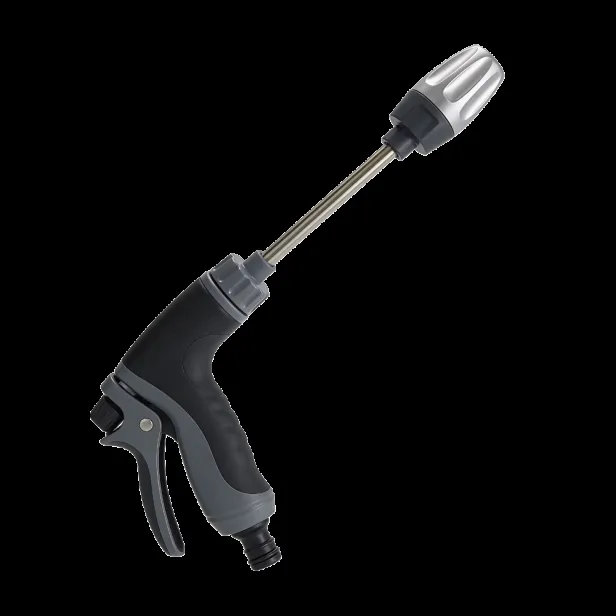
Jetterix is our pick. It's a high-pressure nozzle that fits any standard garden hose and offers multiple spray patterns: a focused jet for stubborn dirt, cracks and wheels, and wider sprays for rinsing large areas, cars and plants. There's no engine, cord or fuel, so it's ready in seconds. It concentrates your home's existing water pressure rather than adding pressure, so it won't match a gas pressure washer on deep, ground-in stains, but it's dramatically more useful than a basic nozzle for everyday cleaning. Read our Jetterix review, where we rate it 4.4/5.
Get a stronger spray from the hose you already have
Jetterix high-pressure nozzle: fits any standard garden hose, multiple spray patterns, no engine or gas. $59.99, or from $44.95 each in bundles.
Check today's price →$59.99, or from $44.95 each in bundles
Does the hose itself matter?
Yes. Longer hoses lose more pressure to friction, and narrow hoses restrict flow. For most yards, a 5/8-inch hose of 50 feet or less is a good balance. If you need to reach far, consider a second spigot or a larger-diameter hose. Kink-resistant materials keep water moving. Old hoses can also have internal damage that restricts flow; if a hose is cracked or collapses easily, replace it.
How do you know if it's your home's water pressure?
If indoor faucets and showers are also weak, the problem may be your home's water pressure overall. You can test it with an inexpensive pressure gauge that screws onto an outdoor spigot. Possible causes include a pressure-reducing valve set too low, a partially closed main shut-off valve, old corroded pipes, or low supply pressure from the utility or well. A plumber can diagnose and adjust or repair. Don't raise pressure beyond what your plumbing is designed for; excessive pressure can damage fixtures and appliances.
What if you have a well?
Well systems use a pressure tank and a pressure switch. If your hose pressure is weak, the pressure tank settings, a failing pump or a clogged filter may be the cause. A well professional can check the system. In the meantime, avoid running multiple fixtures at once.
When do you actually need a pressure washer?
For deep, ground-in stains on concrete, stripping old paint or heavy-duty commercial cleaning, a pressure washer's much higher pressure can make sense. For everyday jobs like washing the car, rinsing the patio, cleaning siding and outdoor furniture, a good hose and a strong nozzle are often enough, and safer for surfaces. See hose nozzle vs pressure washer and how to clean a driveway without a pressure washer.
What can you clean with a strong hose nozzle?
- Cars, wheels and wheel wells. See how to wash a car at home.
- Patios and pavers. See how to clean patio pavers.
- Vinyl siding and windows. See how to clean vinyl siding.
- Decks, fences, play sets and outdoor furniture.
- Garbage and recycling bins, inside and out.
- Gutters' downspouts and window wells.
- Garden tools, muddy boots and pet areas.
Does a stronger nozzle waste water?
Usually the opposite. A focused stream cleans faster, so you run the hose for less time. Trigger nozzles that shut off when released prevent waste between bursts. The EPA's WaterSense program notes that outdoor water use accounts for about 30% of household water use, so efficient habits add up.
Do hose accessories affect pressure?
Yes, every fitting between the spigot and the nozzle can cost a little pressure. Splitters, long extension leads, hose reels with narrow internal passages, quick-connect fittings with small openings and in-line filters all add restriction. If your pressure seems lower than it should be, try connecting the hose directly to the spigot with no accessories and compare. Check each fitting for a clogged screen or a crushed washer, which are common and easy to fix. Backflow preventers and vacuum breakers on spigots are important safety devices that keep hose water from flowing back into the house supply, so don't remove them, but do make sure they aren't clogged or damaged. Simplifying the setup to a good spigot, a quality hose and a well-designed nozzle often delivers the strongest stream.
What common mistakes reduce hose pressure?
- Buying the cheapest, thinnest hose, which kinks and restricts flow.
- Daisy-chaining several hoses to reach far corners instead of using a closer spigot.
- Leaving hoses in the sun, which weakens them and causes cracks and bulges.
- Ignoring a dripping connection, which wastes water and lowers pressure at the nozzle.
- Using a worn-out nozzle with mineral buildup in the spray holes.
- Running the sprinkler and the hose at the same time.
What should you look for in a high-pressure nozzle?
A good cleaning nozzle should fit standard garden hose threads without adapters, seal tightly with a quality washer so it doesn't leak at the connection, and offer at least two useful patterns: a focused jet for stubborn dirt and a wider fan for rinsing. A comfortable grip and an easy shut-off matter if you'll be cleaning for half an hour. Durable materials hold up to being dropped on concrete. Finally, look for a clear return policy, so you can test it on your actual water pressure. Remember the honest limit: any nozzle works with the pressure your home supplies, so it can make that pressure far more effective but can't turn a garden hose into a gas pressure washer.
How do you keep good pressure over time?
- Drain and store hoses on a reel or hanger, out of the sun, to prevent cracks and kinks.
- Replace worn rubber washers each season; they cost pennies.
- Clean nozzle openings and screens periodically, especially with hard water.
- Disconnect hoses in winter to prevent frozen, damaged spigots.
- Fix dripping spigots promptly, before a small leak becomes a big one.
What difference does a nozzle make in practice?
Picture a typical suburban home with about 50 psi. With a basic spray nozzle, rinsing a dirty patio leaves a film of grime in the texture of the pavers, and the wheels of the car still look gray after a rinse. Swap to a focused high-pressure nozzle on the same hose and spigot, and the jet setting blasts dirt out of paver joints, knocks brake dust off the wheels and reaches the second-story eaves on vinyl siding. Nothing about the home's water supply changed, but the cleaning results do, because the water is shaped and focused instead of spread into a soft shower. That's why many homeowners find a good nozzle solves their "weak hose" problem without calling a plumber or buying a pressure washer.
The bottom line
Weak hose pressure usually comes from kinks, clogs, leaks, long or narrow hoses or other water use, all of which you can fix quickly. If indoor fixtures are weak too, check your home's water pressure with a plumber. For cleaning, the best upgrade is a high-pressure nozzle that concentrates the pressure you already have into a stronger, more useful stream.
Our pick is Jetterix. Check today's Jetterix price.
Sources
- U.S. EPA WaterSense. How We Use Water.
- U.S. Consumer Product Safety Commission. LANCHEZ Pressure Washers Recall (pressure washer safety).
- Official Jetterix product page, checked October 2026.
Frequently asked questions
How can I increase the pressure in my garden hose?
Open the spigot fully, remove kinks, turn off other water uses, clean washers and screens, fix leaks, use a shorter or wider hose and add a high-pressure nozzle.
Does a nozzle increase water pressure?
It doesn't increase your home's pressure, but it narrows and shapes the stream so water leaves faster with more cleaning force.
What is normal water pressure for a house?
Many US homes have roughly 40 to 60 psi, though it varies. A gauge on an outdoor spigot can measure yours.
Why is my garden hose pressure so low?
Common causes include a partly closed spigot or valve, kinks, clogged screens, leaks, long or narrow hoses, other fixtures running or low home pressure.
Does hose length affect pressure?
Yes. Longer and narrower hoses lose more pressure to friction. A 5/8-inch hose of 50 feet or less suits most yards.
Is a high-pressure nozzle as good as a pressure washer?
Not for deep, ground-in stains, but it's far stronger than a basic nozzle for everyday cleaning and gentler on surfaces.

Tim Humbert
Tim looks into the viral gadgets that show up in your feed, from mini leaf blowers to chain sharpeners and car care cloths. He reads the product pages, checkout and return policies, and buyer feedback so you know what a gadget really does before you spend money on it. His reviews are built on manufacturer information, official checkout and return policies, trusted safety sources and buyer feedback, and are updated when offers change. More about Tim.