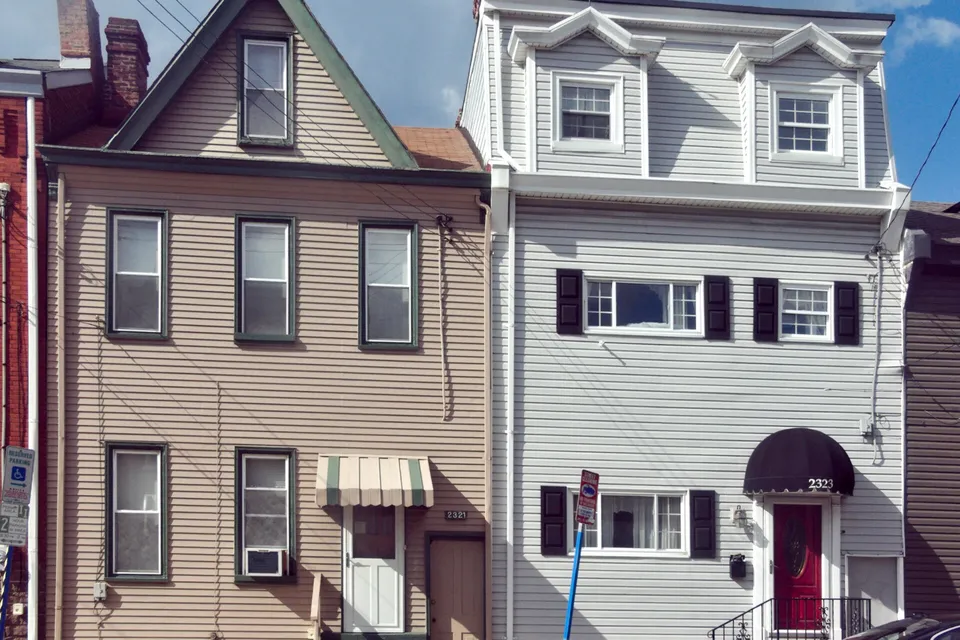
- Rinse a section from the top down with a hose.
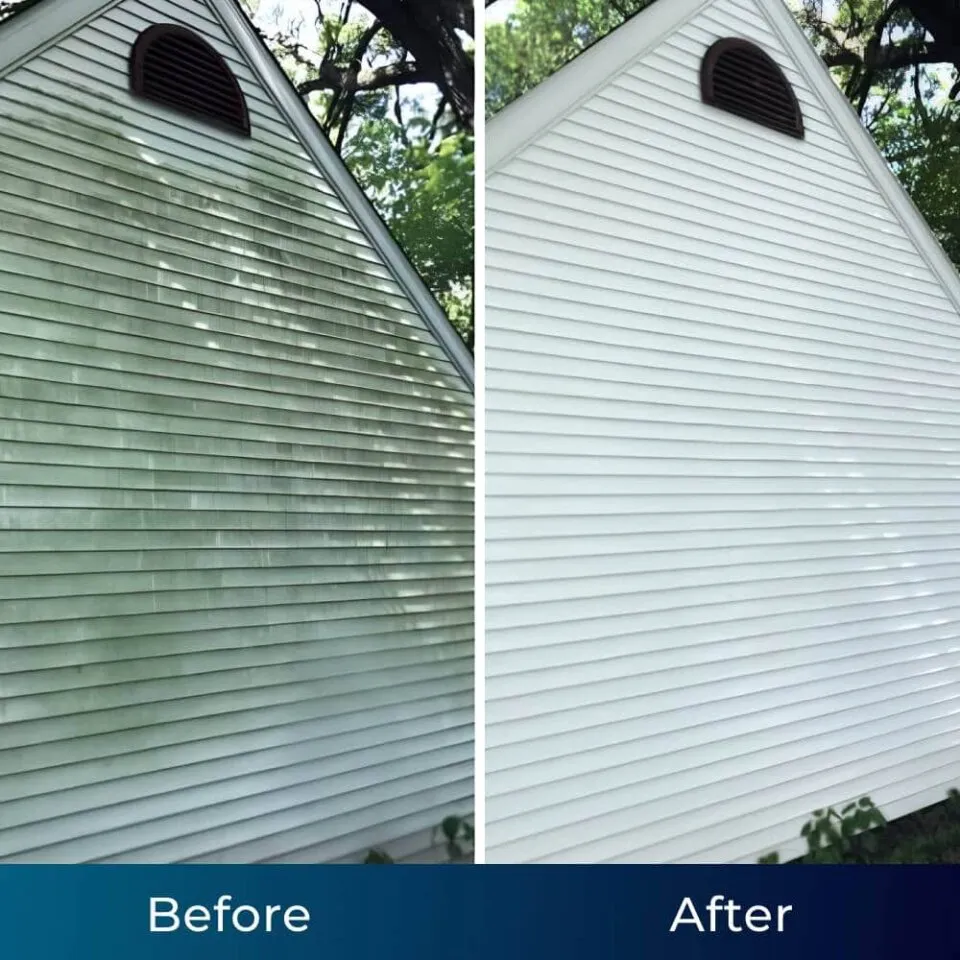
- Scrub with a soft-bristle brush or long-handled brush and a mix of water and mild dish soap (or a siding cleaner).
- Work from the bottom up when scrubbing to avoid streaks.
- Rinse from the top down before the soap dries.
Pressure washers are popular for siding, but they're also one of the easiest ways to damage it. Too much pressure can crack vinyl, strip paint, force water behind the panels and into the walls, and blow out window seals. The good news: most siding doesn't need that much force. A hose, a soft brush, a mild cleaner and a good nozzle clean most homes beautifully, with far less risk.
This guide explains the supplies you need, a step-by-step method, how to treat mildew, algae and stains, how to clean high areas safely, mistakes to avoid and how often to clean.
Why skip the pressure washer?
- No water forced behind panels, which can cause mold and rot inside walls.
- No cracked or warped vinyl.
- No damage to window seals, vents and light fixtures.
- Safer: no high-pressure jet near people, pets or eyes.
- Cheaper: no rental or purchase.
See hose nozzle vs pressure washer.
What supplies do you need?
- Garden hose with a good spray nozzle.
- Soft-bristle brush on a long extension handle.
- Bucket of warm water with a little mild dish soap, or a vinyl siding cleaner.
- For mildew: a mildew remover labeled for siding, or a diluted oxygen bleach solution.
- Plastic sheeting to protect delicate plants.
- Gloves and eye protection.
- A stable ladder only if needed, with a helper.
How do you clean siding step by step?
- Prepare the area: close windows, cover outlets and light fixtures, move furniture and wet the plants.
- Rinse a section about 10 feet wide from the top down.
- Scrub from the bottom up with your brush and cleaner. Starting at the bottom prevents dirty streaks from running down on dry siding.
- Let the cleaner sit a few minutes, but don't let it dry.
- Rinse from the top down thoroughly.
- Move to the next section, overlapping slightly.
- Rinse the plants again at the end.
How do you remove mildew and green algae?
Green and black spots on the north or shaded sides of a house are usually mildew or algae. Use a cleaner labeled for mildew on siding, or a diluted oxygen bleach solution, following the label. Apply, let it sit for the recommended time, scrub gently and rinse well. The EPA's guide to mold and moisture explains why controlling moisture is the key to keeping it from coming back. Trim shrubs and branches so siding gets air and sun. See how to remove mildew from siding.
How do you remove other stains?
| Stain | What to use |
|---|---|
| General dirt | Water and mild dish soap |
| Mildew and algae | Siding mildew remover or diluted oxygen bleach |
| Rust streaks | A rust remover labeled for vinyl |
| Grass and mud | All-purpose cleaner, soft brush |
| Bird droppings | Soak with soapy water, then rinse |
| Grease near the grill | Degreaser safe for vinyl, then rinse |
Always test a cleaner on a hidden spot first, and never use abrasive pads or harsh solvents on vinyl.
How do you clean high areas safely?
Use a long extension handle and a hose nozzle with a strong, focused stream so you can stay on the ground. If you must use a ladder, set it on firm, level ground, keep three points of contact, have someone hold it and never overreach. For second-story siding, consider hiring a pro if you're not comfortable on ladders.
What's the best nozzle for rinsing siding?
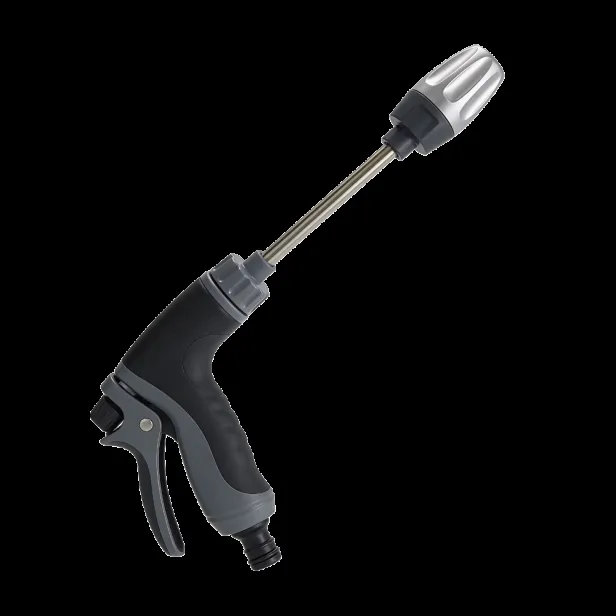
A regular garden nozzle works, but rinsing a whole house takes a while. A high-pressure hose nozzle concentrates your home's water pressure (typically about 40–60 psi) into a stronger stream with several spray patterns, so you can rinse higher and faster from the ground. The Jetterix Pressure Nozzle attaches to any standard garden hose and gives you a focused jet for rinsing and a wider fan for gentle work. It doesn't promise pressure-washer force, and that's the point for siding. In October 2026 it cost $59.99, or from $44.95 each in bundles, with a 30-day return policy. Read our Jetterix review (4.4/5).
Rinse siding faster with just your hose
High-pressure nozzle for any garden hose, with multiple spray patterns for siding, decks, driveways and cars. From $44.95 each in bundles.
Check today's price →$59.99, or from $44.95 each in bundles
Which mistakes should you avoid?
- Spraying upward under the panel edges, which pushes water behind them.
- Using bleach at full strength, which can harm plants and fade trim.
- Letting cleaner dry on the siding.
- Scrubbing with abrasive pads or wire brushes.
- Cleaning in direct, hot sun.
- Forgetting to protect plants.
How often should you clean siding?
Once a year is enough for most homes, usually in spring or early fall. Shaded sides and homes near trees may need a mildew treatment more often. Rinsing pollen and dust off with a hose between cleanings keeps it looking fresh. See how to clean vinyl siding.
What other surfaces can you clean the same way?
The same hose-and-brush method works for fences, decks, patio furniture and windows. See how to clean a fence, how to wash windows outside and how to clean patio pavers.
How do you save water while cleaning?
Use a nozzle that shuts off between sections, work in small areas and rinse efficiently. The EPA WaterSense program notes that outdoor water use makes up a large share of household water use, so an efficient nozzle saves both time and water.
Which siding cleaners are safe to buy?
For most vinyl siding, a store-bought vinyl siding cleaner or a simple mix of warm water and mild dish soap is all you need. Look for products labeled safe for vinyl and plants, and avoid anything with strong solvents, abrasive particles or undiluted bleach. If your siding is painted wood or fiber cement, check the manufacturer's care guide, since some coatings are sensitive to certain cleaners. Mix only what you'll use in an hour or two, and never combine products. A garden pump sprayer makes it easy to apply cleaner evenly to a large wall, and a long-handled soft brush lets you scrub most of a one-story house from the ground.
How long does it take to clean a whole house?
A typical one-story house takes about half a day with a hose, brush and cleaner, working one wall at a time. A two-story house can take a full day, especially if you treat mildew. Plan for a cloudy, mild day with no rain in the forecast, start with the dirtiest or shadiest wall while you're fresh, and take breaks. Working in sections of about ten feet keeps cleaner from drying on the siding, which is the most common cause of streaks.
How do you protect windows, lights and vents?
Close every window tightly and check that screens are in place. Cover outdoor outlets, light fixtures, dryer vents and doorbells with plastic bags and painter's tape. Avoid spraying directly into vents, soffits or under the bottom edge of panels. When you rinse around windows, use a wider fan pattern and keep the stream angled downward so water runs off the frame instead of into the seals.
When is it better to hire a pro?
Consider a professional for tall homes where you'd need to work high on a ladder, for heavy mildew across the whole house, for older or damaged siding that could crack, or if you simply don't have the time. Ask whether they use low-pressure "soft washing" rather than high pressure, and get a written quote. For most one-story homes with normal dirt and a little mildew, the DIY method in this guide works very well.
Does siding color change how you clean it?
Light-colored siding shows dirt, pollen and mildew more clearly, so it often looks like it needs cleaning sooner, but it also shows results dramatically. Darker siding hides dirt better but can show streaks and water spots if cleaner dries in the sun. On dark siding, work in smaller sections, rinse sooner and clean on a cloudy day. Older vinyl can develop a chalky surface over the years; gentle cleaning removes some of that chalk, but heavy scrubbing can make faded areas look uneven, so test first and use a soft brush.
What should you do after cleaning?
Walk around the house once everything is dry and look for spots you missed, streaks or stubborn stains that need a second treatment. Check that downspouts and gutters are draining properly, since overflows are the main reason siding gets dirty again quickly. Trim back any shrubs touching the walls, and note any cracked or loose panels to repair. Finally, rinse your brush, sprayer and hose nozzle so they're ready for the next job, and store cleaning products where kids and pets can't reach them.
How do you keep runoff from bothering neighbors?
Cleaning water runs downhill, so think about where it will go. Avoid letting heavy cleaner runoff flow onto a neighbor's lawn or garden, and keep it out of storm drains when possible by using mild, biodegradable cleaners and rinsing onto your own lawn or gravel. A heads-up to neighbors before you start, especially if you'll be working near a shared fence, is always appreciated.
The bottom line
Cleaning siding without a pressure washer is safer for your home and still gives great results. Rinse, scrub with a soft brush and mild cleaner from the bottom up, and rinse from the top down. Treat mildew with a cleaner made for siding, protect your plants and stay on the ground when you can. A high-pressure hose nozzle speeds up the rinsing.
Our pick: check today's Jetterix price on the official site.
Sources
- U.S. Environmental Protection Agency. A Brief Guide to Mold, Moisture, and Your Home.
- U.S. Environmental Protection Agency. WaterSense: How We Use Water.
Frequently asked questions
Can you clean siding without a pressure washer?
Yes. A hose, a soft brush on a pole and a mild cleaner clean most siding with far less risk.
What's the best homemade siding cleaner?
Warm water with a little mild dish soap for dirt. For mildew, use a siding mildew remover or diluted oxygen bleach.
Why scrub siding from the bottom up?
It prevents dirty streaks from running down onto dry siding.
Does pressure washing damage vinyl siding?
It can crack panels and force water behind them, which can lead to mold and rot.
How often should you clean siding?
Once a year for most homes, with extra mildew treatment on shaded sides.
What nozzle helps rinse siding?
A high-pressure hose nozzle like the Jetterix concentrates house water pressure for faster rinsing.

Tim Humbert
Tim looks into the viral gadgets that show up in your feed, from mini leaf blowers to chain sharpeners and car care cloths. He reads the product pages, checkout and return policies, and buyer feedback so you know what a gadget really does before you spend money on it. His reviews are built on manufacturer information, official checkout and return policies, trusted safety sources and buyer feedback, and are updated when offers change. More about Tim.