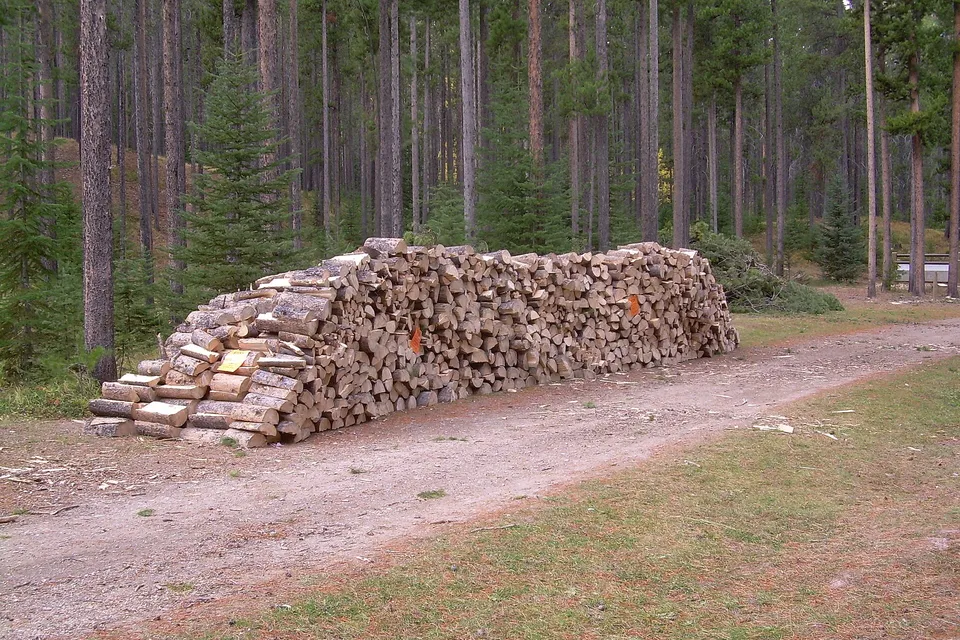
- Split first: split wood dries much faster than whole rounds.
- Get it off the ground on pallets, rails or a firewood rack.
- Choose a sunny, breezy spot at least several feet from the house.
- Stack bark side up in single rows with gaps for airflow.
- Build crisscrossed ends (or use end supports) for stability.
- Cover only the top, leaving the sides open.
Good firewood is all about moisture. Wood that's freshly cut can be half water, and burning it means hissing, smoke, low heat and creosote buildup in the chimney. Stacking it the right way is what turns green wood into dry, easy-burning firewood, and a neat stack also stays put through wind and snow.
This guide covers where to stack, how to stack a single row and a round stack, covering, how long seasoning takes, how to tell when wood is dry, pests, and safety.
Why does stacking matter?
- Airflow carries moisture away.
- Sun warms the wood and speeds drying.
- Off the ground prevents rot and keeps bugs out.
- A stable stack won't topple on kids or pets.
- Dry wood burns hotter, with less smoke and creosote.
Where should you stack firewood?
- In a sunny, breezy spot.
- On level, well-drained ground.
- At least several feet from the house, decks and sheds, to keep pests and fire risk away.
- Close enough to carry wood easily in winter.
- Not against fences or under low branches.
How do you stack a single row?
- Lay two parallel rails, pallets or a rack base to keep wood off the ground.
- Build the ends first: crisscross pieces in pairs to make sturdy "towers," or use end braces.
- Stack pieces between the ends, bark side up, with small gaps for air.
- Keep the stack level, alternating thick and thin ends so it doesn't lean.
- Keep it no taller than about 4 feet for stability.
- Cover the top with a tarp or roof, leaving the sides open.
What about a round or "Holz Hausen" stack?
A round stack is built in a circle with pieces angled slightly inward and a center of vertical pieces. It's stable, looks great and sheds rain well with a bark "roof" on top. It takes more practice than a row but is popular where space is tight.
Should you cover firewood?
Cover the top only. A full tarp wrapped around the stack traps moisture and slows drying. A strip of roofing, a tarp weighted on top, or a firewood shed with open sides is ideal.
How long does firewood take to season?
| Wood | Typical seasoning time |
|---|---|
| Softwoods (pine, fir) | About 6 months |
| Most hardwoods (maple, ash, birch) | About 6–12 months |
| Dense hardwoods (oak, hickory) | Often 12 months or more |
Split, stacked wood in sun and wind dries much faster than unsplit rounds in shade.
How can you tell when wood is dry?
- Cracks (checks) appear on the ends.
- It feels lighter.
- Two pieces knocked together make a hollow "clack," not a dull thud.
- Bark loosens easily.
- A moisture meter reads around 20% or less.
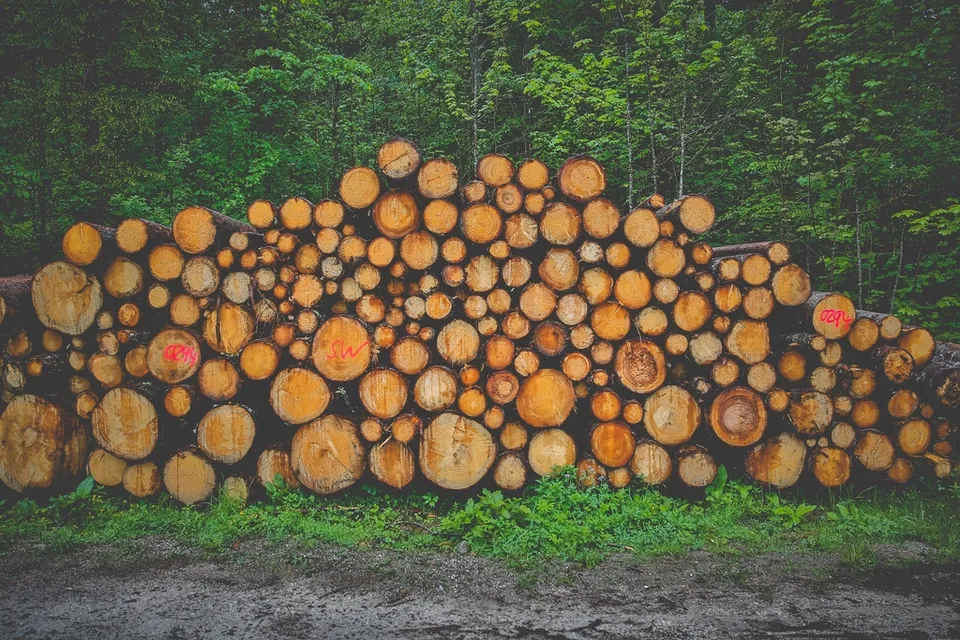
How do you cut wood to length efficiently?
Cut rounds to a length that fits your stove or fireplace, usually 14–18 inches. Cut on a sawbuck or log holder so the chain never touches the ground. A sharp chain cuts faster, safer and with less effort, especially on dense hardwood. See how to cut firewood.
The SawShark is a hand-crank sharpener that clamps to your chainsaw bar and guides every tooth at the same angle, so you can touch up the chain between loads. It cost $29.95 in October 2026, or from $17.97 each in bundles. Read our SawShark review (4.5/5).
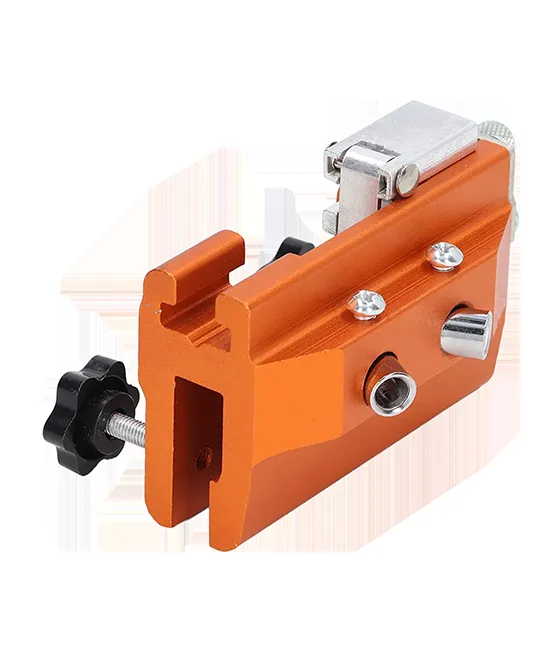
Sharp chain, faster firewood
Hand-crank chainsaw sharpener that clamps to your bar. No power needed. $29.95, or from $17.97 each in bundles.
Check today's price →$29.95, or from $17.97 each in bundles
How do you keep pests out of the woodpile?
- Keep the stack off the ground and away from the house.
- Burn older wood first.
- Don't bring large amounts indoors; carry in only what you'll burn soon.
- Don't move firewood long distances, which can spread invasive insects; buy or gather locally.
Which safety tips matter?
- Wear gloves; split wood has sharp edges and splinters.
- Stack on level ground and keep stacks low.
- Keep kids from climbing on woodpiles.
- Use full protective gear when cutting. The OSHA chain saw safety fact sheet lists what to wear.
- Have your chimney inspected yearly.
See chainsaw safety tips.
How do you store firewood indoors?
Keep only a few days' supply inside, in a rack or basket away from the stove or fireplace. Bring it in a day or two ahead so it warms up and any frost or snow melts off outside. Sweep up bark and debris regularly; a light cordless blower clears the porch or garage path quickly. See leaf blower uses.
Why split wood before stacking?
Bark acts like a raincoat, and whole rounds dry mostly from their cut ends, which takes a very long time. Splitting exposes much more of the wood's inner surface to air and sun, so moisture escapes far faster. Split pieces also stack tighter and more stably, and they light and burn more evenly. Split wood when it's fresh, if you can; green wood often splits more easily than wood that has dried and toughened.
How much firewood do you need for winter?
It depends on your climate, how often you burn and whether wood is your main heat source. Occasional weekend fires might use a fraction of a cord a season, while heating mainly with wood in a cold climate can take several cords. A full cord is a stack 4 feet high, 4 feet deep and 8 feet long. Keep notes for a season and you'll know how much to prepare next year.
Which wood burns best?
Dense hardwoods like oak, hickory, maple and ash burn hotter and longer, making them ideal for heating. Softwoods like pine and fir light easily and burn faster, which makes them good kindling and shoulder-season wood, but they need to be fully dry to limit creosote. Mixing a little softwood to start the fire and hardwood to keep it going works well.
Is a firewood shed worth building?
A simple shed with a roof and open slatted sides is the ideal place to season and store firewood: it keeps rain and snow off the top while letting wind blow through. Even a basic lean-to against a fence (not against the house) works. If you burn a lot of wood each winter, a shed pays for itself in drier, better-burning fuel.
Are firewood racks a good alternative?
Metal racks keep wood off the ground, hold the ends neatly and often come with a cover for the top. They're perfect for smaller amounts near the back door or on a patio. Place them on a level surface and leave space behind them for airflow.
Why does dry wood matter for the chimney?
Burning wet or unseasoned wood produces more smoke and creosote, a flammable residue that builds up inside chimneys. Dry wood burns cleaner and hotter. Combined with an annual chimney inspection and cleaning, it's the best way to reduce the risk of chimney fires.
Is a moisture meter worth buying?
An inexpensive moisture meter takes the guesswork out of seasoning. Split a piece and test the fresh inner face; around 20% or less means it's ready to burn. It's especially useful if you buy firewood and want to check that "seasoned" really means dry.
What should you check when buying firewood?
Ask what species it is, when it was cut and split and how it was stored. Look for cracked ends, loose bark and light weight. Make sure you're getting a true cord or a clearly defined fraction, and buy locally to avoid moving tree pests.
Can you cut and stack wood in winter?
Yes. Many people cut in late winter when trees are dormant and the ground is firm. Wood cut and split in winter and stacked by spring is often ready to burn by the following fall. Keep a sharp chain and dress for the cold.
Should you treat firewood with insecticide?
No. Treated wood shouldn't be burned indoors. Keep wood off the ground, away from the house and burn older wood first instead.
How do you store kindling?
Keep small split pieces and kindling in a dry bin or bucket near the door, separate from the main stack, so they stay bone dry for lighting.
How do you move firewood easily?
A firewood carrier bag or a wheelbarrow saves trips and protects your back. Load small amounts, keep your back straight and bend your knees. A cart with large wheels rolls easily over snow and lawn to the back door.
How do you keep the woodpile usable in snow?
Keep the top covered, clear a path to the stack after storms and pull wood from the end facing the house so you're not digging through drifts.
More guides: after-storm yard cleanup and chainsaw chain tension.
The bottom line
Split your wood, stack it off the ground in a sunny, breezy spot, bark side up with gaps for air, build stable ends and cover only the top. Give hardwood 6–12 months or more, and check dryness before burning. A sharp chain makes the cutting part much faster and safer.
Our pick: check today's SawShark price on the official site.
Sources
- OSHA. Chain Saw Safety Fact Sheet.
- Oregon Tool. Sharpening Chainsaw Chain.
Frequently asked questions
What is the best way to stack firewood?
Split it, stack it off the ground in a sunny, breezy spot, bark side up with gaps, and cover only the top.
Should firewood be stacked bark up or down?
Bark side up sheds rain better.
Should you cover firewood?
Cover the top only; leave the sides open for airflow.
How long does firewood take to dry?
About 6 months for softwood and 6 to 12 months or more for hardwood.
How do you know firewood is dry?
Cracked ends, lighter weight, a hollow clack when knocked together, or about 20% on a moisture meter.
How far from the house should firewood be?
At least several feet, to keep pests and fire risk away.

Tim Humbert
Tim looks into the viral gadgets that show up in your feed, from mini leaf blowers to chain sharpeners and car care cloths. He reads the product pages, checkout and return policies, and buyer feedback so you know what a gadget really does before you spend money on it. His reviews are built on manufacturer information, official checkout and return policies, trusted safety sources and buyer feedback, and are updated when offers change. More about Tim.