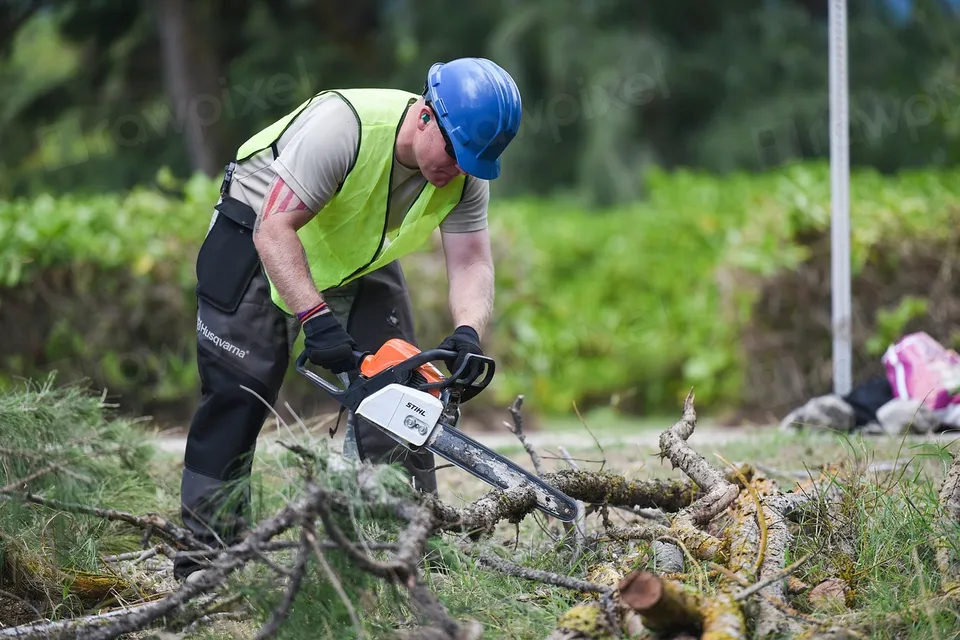
- Wear protective gear: chainsaw chaps or pants, cut-resistant gloves, eye and hearing protection, a helmet with face shield, and sturdy boots.
- Prevent kickback: don't cut with the upper tip of the bar, keep a firm two-handed grip and use the chain brake.
- Keep the chain sharp and tensioned: a dull chain is harder to control.
- Plan your cut and your escape path, and clear the work area.
- Never cut above shoulder height or from a ladder, and never work alone.
This guide covers general safety for homeowners. For felling trees, storm-damaged trees, work near power lines or anything beyond your experience, hire a qualified arborist or tree service.
Chainsaws are among the most useful tools a homeowner can own, and among the most dangerous. Thousands of people are injured by chainsaws every year, many of them homeowners doing occasional work after a storm or cutting firewood. Most of those injuries are preventable with the right gear, a sharp, well-maintained saw and a few non-negotiable habits.
This guide covers protective equipment, how kickback happens and how to prevent it, safe starting and cutting, chain maintenance, the riskiest situations for homeowners, and when to call a professional.
What protective gear do you need?
| Gear | Why it matters |
|---|---|
| Chainsaw chaps or protective pants | Fibers are designed to jam the chain if it contacts your legs |
| Cut-resistant gloves | Better grip and hand protection |
| Eye protection (safety glasses or a face shield) | Chips and debris fly constantly |
| Hearing protection | Gas chainsaws are loud enough to damage hearing |
| Hard hat | Falling branches are a major hazard |
| Sturdy, non-slip boots (ideally steel-toe) | Footing and foot protection |
| Close-fitting clothing | Nothing loose to catch in the chain |
The OSHA chainsaw safety fact sheet lists protective equipment and safe operating practices. The CDC's NIOSH recommends limiting noise exposure at or above 85 dBA, which gas saws exceed.
What is kickback and how do you prevent it?
Kickback is a sudden, violent upward and backward motion of the bar toward the operator. The CCOHS explains that it happens when the upper quarter of the bar tip (the "kickback zone") contacts an object, or when the wood pinches the chain in the cut. To reduce the risk:
- Never cut with the upper tip of the bar, and watch for branches the tip might touch.
- Hold the saw firmly with both hands, thumbs wrapped around the handles.
- Stand to the side of the cutting path, not directly behind the bar.
- Use a saw with a chain brake and check that it works.
- Use low-kickback chains and bars for home use.
- Keep the chain sharp and depth gauges set correctly.
- Cut at full throttle when entering the wood, as the manual directs.
- Watch for pinching: support logs so the cut opens rather than closes.
How do you start a chainsaw safely?
- Place the saw on firm ground, engage the chain brake and make sure the chain isn't touching anything.
- Hold the front handle firmly and put a foot through the rear handle (or follow your manual's method).
- Pull the starter cord with a firm, controlled pull, or press the start on a battery saw.
- Never "drop start" a saw by throwing it down while pulling the cord.
- Let the engine warm up with the brake on.
What are the safest cutting habits?
- Plan each cut: think about where the wood will fall or roll and where the bar will go.
- Keep a stable stance, feet apart, on firm footing.
- Never cut above shoulder height.
- Never cut from a ladder or in a tree.
- Don't overreach; move closer instead.
- Release the throttle and apply the brake before walking with the saw.
- Carry the saw with the bar pointing backward and the brake on.
- Take breaks: fatigue causes accidents.
- Never work alone. Have someone nearby who can call for help.
Why does a sharp chain make cutting safer?
A sharp chain pulls itself into the wood smoothly. A dull chain makes you push and force the saw, which tires your arms, reduces control and makes the saw more likely to bounce or jump. Chains should be sharpened regularly, usually every two to three tanks of fuel or battery charges, and right away after hitting dirt or a stone. See how often to sharpen a chainsaw chain and signs your chain is dull.
What makes regular sharpening easy?
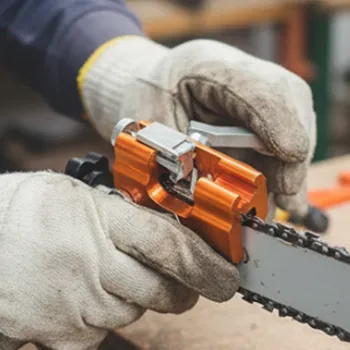
SawShark is a hand-crank chain sharpener that clamps to your chainsaw bar and guides every tooth at the same angle. Line up a tooth, turn the crank a few times and move to the next; do all the teeth on one side, then the other. No power is needed, so you can touch up the chain at the woodpile between tanks. Always turn off the saw, engage the brake and disconnect the battery or spark plug before sharpening. SawShark costs $29.95, or as little as $17.97 each in bundles. Read our SawShark review (4.5/5).
Keep your chain sharp and predictable
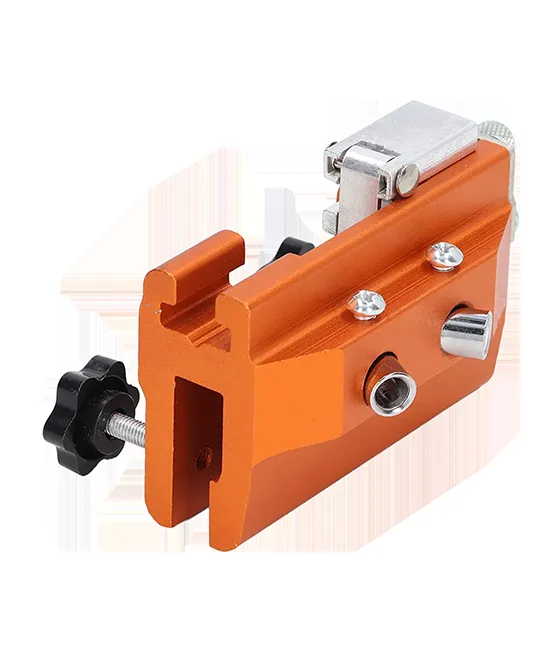
SawShark hand-crank chain sharpener: clamps to the bar, guides every tooth at the same angle, no power needed. $29.95, or from $17.97 each in bundles.
Check today's price →$29.95, or from $17.97 each in bundles
Which maintenance checks matter for safety?
- Chain tension before each use. See why a chain keeps coming off.
- Chain brake works.
- Bar oil is full and flowing.
- Chain catcher is intact.
- Throttle lockout and on/off switch work.
- Bar and chain undamaged.
See chainsaw maintenance.
Why is storm cleanup so dangerous?
Storm-damaged trees are some of the most hazardous cutting jobs. Trunks and branches can be under tension and spring violently when cut, trees can be hung up on others, root balls can tip back, and power lines may be down and hidden. FEMA and utilities warn to treat every downed line as live. For homeowners, the safest approach is to cut only small, easily reached branches on the ground and leave hung-up trees, large trunks and anything near power lines to professionals.
What about cutting firewood?
Cut logs on a sawbuck or another log so the chain stays out of the dirt and the cut opens as you go. Keep the work area clear, stack wood away from where you're cutting and take frequent breaks. See how to cut firewood.
Are battery chainsaws safer?
Battery chainsaws are quieter, start instantly and stop as soon as you release the trigger, which many homeowners find easier to manage. But the chain is just as sharp and the same kickback risks apply, so the same gear and habits are needed. See electric vs gas chainsaws.
What should you do if someone is injured?
Call 911 right away for any serious cut. Apply firm, direct pressure to the wound with a clean cloth to control bleeding. Keep a well-stocked first aid kit nearby whenever you use a chainsaw, and make sure the person working with you knows where you are and how to call for help.
When should you call a professional?
- Felling trees, especially near houses, fences or power lines.
- Trees hung up on other trees.
- Storm damage with tension in trunks or limbs.
- Any cut above shoulder height or requiring a ladder.
- Large-diameter trunks beyond your saw's or your experience.
What should beginners know before their first cut?
Read the manual cover to cover, including the safety section, before you start the saw for the first time. Practice on small, well-supported logs on the ground in an open area, with your full protective gear on and someone nearby. Start with short, simple cuts and get comfortable with the weight, the throttle and the chain brake before tackling anything bigger. Many community colleges, extension offices and equipment dealers offer chainsaw safety courses, which are worth the time. Experience builds confidence, but most serious injuries happen when people move too quickly to jobs beyond their skill.
How do you set up a safe work area?
Before you start, clear the area around the log or branch of brush, rocks, tools and tripping hazards, and plan a clear escape path behind you and to the side. Keep children, pets and bystanders at least two tree lengths away from any felling work, and well back from any cutting. Make sure logs are stable and won't roll; chock them or cut on a sawbuck. Check overhead for dead branches ("widowmakers") that could fall. Work in daylight and good weather; wet, icy or windy conditions make cutting much more dangerous.
Why does fatigue matter so much?
Chainsaws are heavy and vibrate, and cutting takes concentration. As you tire, your grip weakens, your stance gets sloppy and your judgment slips, which is when most accidents happen. Take a break at every refuel or battery swap, drink water and stop for the day before you're exhausted. Avoid alcohol and any medication that causes drowsiness. If you notice yourself rushing or getting frustrated, put the saw down for a few minutes.
The bottom line
Chainsaw safety comes down to the right gear, preventing kickback, a sharp and well-maintained saw, careful cutting habits and knowing when to call a professional. Wear chaps, gloves, eye, ear and head protection, never cut with the upper bar tip or above shoulder height, never work alone and keep the chain sharp.
For easy, regular sharpening that keeps your saw predictable, our pick is SawShark. Check today's SawShark price.
Sources
- OSHA. Chain Saw Safety Fact Sheet.
- Canadian Centre for Occupational Health and Safety. Chainsaws: Kickback.
- CDC, NIOSH. Noise and Hearing Loss.
- Official SawShark product page, checked October 2026.
Frequently asked questions
What safety gear do you need for a chainsaw?
Chainsaw chaps or protective pants, cut-resistant gloves, eye protection, hearing protection, a hard hat and sturdy non-slip boots.
What causes chainsaw kickback?
Contact between the upper tip of the bar and an object, or the wood pinching the chain in the cut.
How do you prevent kickback?
Never cut with the upper bar tip, hold the saw firmly with both hands, stand to the side, use the chain brake and keep the chain sharp.
Is a dull chainsaw more dangerous?
Yes. A dull chain makes you force the saw, reducing control and making it more likely to bounce or jump.
Should homeowners cut storm-damaged trees?
Only small branches on the ground. Leave trees under tension, hung-up trees and anything near power lines to professionals.
Are battery chainsaws safer than gas?
They're quieter and stop instantly, but the chain and kickback risks are the same, so the same safety gear and habits apply.

Tim Humbert
Tim looks into the viral gadgets that show up in your feed, from mini leaf blowers to chain sharpeners and car care cloths. He reads the product pages, checkout and return policies, and buyer feedback so you know what a gadget really does before you spend money on it. His reviews are built on manufacturer information, official checkout and return policies, trusted safety sources and buyer feedback, and are updated when offers change. More about Tim.