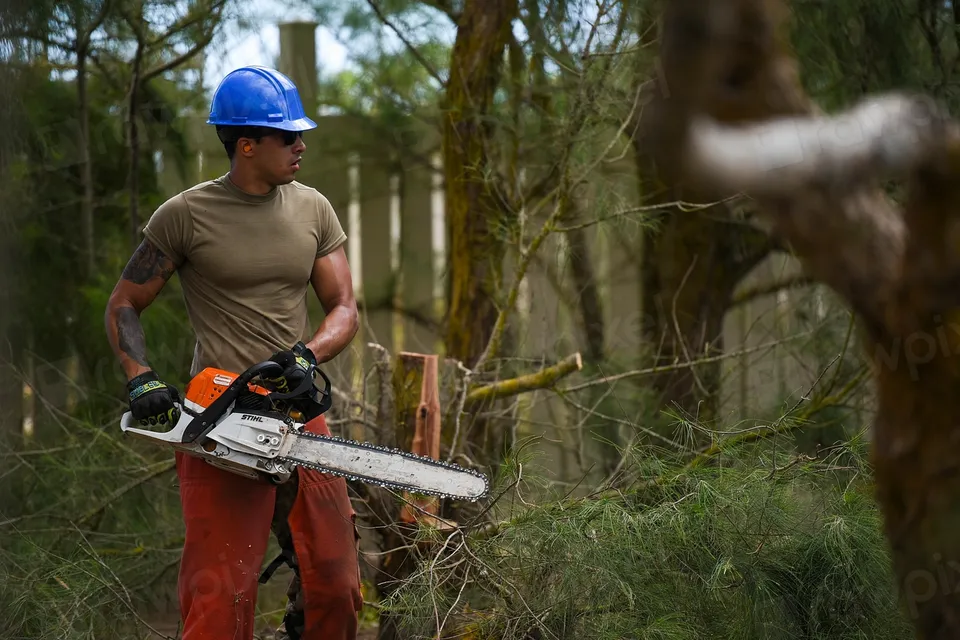
- The saw makes fine dust instead of chips.
- You have to push hard to make it cut.
- The cut pulls to one side or the saw smokes.
- The chain hit dirt, rocks or a nail.
Always turn off the saw, engage the chain brake and remove the battery or spark plug wire before touching the chain. Wear cut-resistant gloves when sharpening.
A chainsaw is only as good as its chain. A sharp chain pulls itself through the wood, throws big chips and makes clean, straight cuts. A dull chain makes you push, burns more fuel or battery, heats up the bar and increases the risk of kickback. Yet many people only sharpen when the saw is barely cutting at all.
So how often should you actually sharpen? This guide explains the general rule, the signs that your chain needs attention right now, what makes chains dull faster, how many times a chain can be sharpened, and how to make sharpening a quick habit.
What's the general rule for how often to sharpen?
A common rule of thumb is to touch up the chain every two to three tanks of fuel, or every few battery charges, of steady cutting in clean wood. That's not a strict schedule; it depends on what you cut and where. The better approach is to watch the chips and feel how the saw cuts, and to give the chain a few strokes before it gets truly dull. Chain manufacturers like Oregon recommend keeping the chain sharp and filing all cutters to the same length and angle.
What are the signs that your chain needs sharpening?
| Sign | What it means |
|---|---|
| Fine sawdust instead of chips | The cutters are dull and scraping instead of cutting |
| You have to push the saw | A sharp chain pulls itself in |
| Crooked cuts | Cutters on one side are duller or shorter |
| Smoke or burning smell | Friction from a dull chain (or low bar oil) |
| More vibration or bouncing | Cutters aren't biting cleanly |
| Shiny, rounded cutter edges | Visible wear on the cutting corners |
Our guide on signs your chainsaw chain is dull covers each one in detail.
What makes a chain dull faster?
- Hitting the ground: just touching dirt or sand dulls cutters instantly.
- Dirty or muddy logs: grit in the bark acts like sandpaper.
- Hardwoods like oak and hickory wear chains faster than softwoods.
- Frozen wood in winter.
- Old or dry wood with embedded dirt.
- Nails, fence wire or stones in reclaimed wood or fence lines.
- Poor lubrication, which adds heat and wear.
If you're cutting firewood from logs that have been dragged across the ground, expect to sharpen more often. See how to cut firewood.
Why are frequent touch-ups better than big sharpenings?
A few light strokes on each cutter when the chain first starts to slow down removes very little metal and brings the edge back quickly. Waiting until the chain is completely dull means you have to remove much more metal to reach a fresh edge, which shortens the chain's life and takes longer. Many experienced users give the chain a quick touch-up every time they refuel or swap batteries.
What makes quick touch-ups easy in the field?
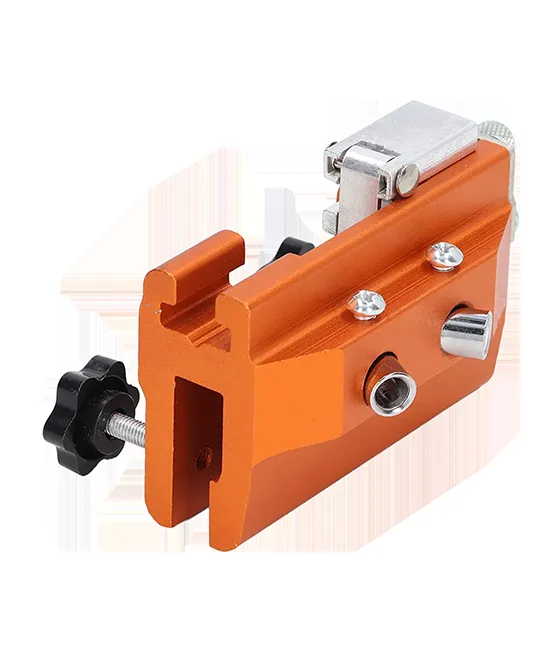
Hand filing works well once you've practiced, but keeping the same angle on every tooth takes skill, and many people avoid it. A guided sharpener removes the guesswork.
SawShark is a hand-crank chain sharpener that clamps to your chainsaw bar and guides every tooth at the same angle. It needs no power, so you can use it at the woodpile, in the yard or at a cabin. You line up a tooth, turn the crank a few times and move to the next one, doing all the teeth on one side and then the other. It costs $29.95, or as little as $17.97 each in bundles, with a 30-day return policy for items in original condition. Read our SawShark review (4.5/5) and is SawShark legit?
Quick, even touch-ups right at the woodpile
SawShark hand-crank chain sharpener: clamps to the bar, guides every tooth at the same angle, no power needed. $29.95, or from $17.97 each in bundles.
Check today's price →$29.95, or from $17.97 each in bundles
How many times can you sharpen a chain?
A chain can usually be sharpened many times, often 10 or more, before the cutters are too short to cut well or reach the wear marks stamped on the cutter. How many depends on how much metal you remove each time. Light, frequent touch-ups give the most sharpenings. Replace the chain when the cutters are worn to the limit marks, a tooth is broken or cracked, or the chain is stretched beyond the adjustment range.
What about the depth gauges (rakers)?
In front of each cutter is a small depth gauge that controls how deep the cutter bites. As you sharpen the cutters down, the depth gauges eventually need to be lowered too, usually every few sharpenings, using a flat file and a depth gauge tool. If they're too high, the saw cuts slowly even with sharp cutters; too low, and the saw grabs aggressively and kickback risk rises. Follow your chain manufacturer's specifications.
Does a dull chain really increase kickback risk?
A dull chain makes the saw harder to control, encourages you to force it and can make the saw jump or bounce. The CCOHS explains that kickback happens when the upper tip of the bar contacts an object or the wood pinches the chain, and that proper chain maintenance is part of reducing the risk. A sharp chain with correctly set depth gauges cuts predictably. See chainsaw safety tips.
Do battery chainsaws need sharpening as often?
Battery saws use the same kind of chain as gas saws, so they dull at the same rate for the same work. One difference: a dull chain drains the battery noticeably faster, so you'll see fewer cuts per charge. Keeping it sharp gets more work out of every battery. See electric vs gas chainsaws.
What does a simple sharpening routine look like?
- Before each job: check the cutters and tension.
- Every refuel or battery swap: a few strokes per tooth if the chips are getting smaller.
- After hitting dirt or a stone: sharpen right away.
- Every few sharpenings: check and lower the depth gauges.
- End of season: clean the chain, sharpen it fully and store it oiled.
Our guide to chainsaw maintenance covers the bar, oil and tension too.
Should you pay a shop to sharpen?
Shops can grind a badly damaged chain back to shape, and a professional grind once or twice a year is a good reset. But paying for every sharpening adds up and leaves you without a sharp chain mid-job. Many owners combine both: field touch-ups at home and an occasional shop grind. See how to sharpen a chainsaw.
Should you keep a spare chain?
Yes, if you cut a lot. With a spare chain on hand, you can swap in a sharp one when the current chain gets dull or damaged and sharpen the dull one later. It also saves the day if you hit a nail. Make sure the spare matches your bar's pitch, gauge and length.
How often should you sharpen during firewood season?
Fall and winter are when most homeowners cut the most: firewood, storm cleanup and branches that came down in the wind. During a big firewood weekend, plan on touching up the chain at every refuel or battery swap, and keep the sharpener in your truck or wheelbarrow so it's always at hand. Bucking logs that have been lying on the ground is especially hard on chains, since mud and grit hide in the bark, so roll logs onto a sawbuck or another log to keep the chain out of the dirt. Our guide to how to cut firewood covers safe setups.
What about storm cleanup?
Storm-downed trees are full of hazards for chains: branches tangled in dirt, rocks in root balls and nails or wire from fences. They're also more dangerous to cut, because trunks and limbs can be under tension and spring when cut. Sharpen often, take your time and leave large or tangled trees to professionals. A sharp chain cuts more predictably, which matters more than ever in a messy storm cleanup.
Which sharpening mistakes should you avoid?
- Uneven cutter lengths: if one side is shorter, the saw pulls to that side.
- The wrong file size for your chain's pitch.
- Changing the angle from tooth to tooth.
- Forgetting the depth gauges after many sharpenings.
- Sharpening a loose chain; check the tension first.
- Waiting until the chain is smoking instead of touching it up early.
A guided sharpener solves the first three by holding the same angle for every tooth.
The bottom line
Sharpen your chainsaw chain about every two to three tanks of fuel or battery charges, and right away if it makes dust instead of chips, needs pushing, cuts crooked or hits dirt. Light, frequent touch-ups keep the chain sharp longer and extend its life.
Our pick for quick, even touch-ups is SawShark. Check today's SawShark price.
Sources
- Oregon. Sharpening Chainsaw Chain.
- Canadian Centre for Occupational Health and Safety. Chainsaws: Kickback.
- Official SawShark product page, checked October 2026.
Frequently asked questions
How often should I sharpen my chainsaw chain?
A common rule is every two to three tanks of fuel or battery charges of steady cutting, and right away if the chain hits dirt or starts making dust instead of chips.
How do I know my chainsaw chain is dull?
It makes fine sawdust instead of chips, needs to be pushed, cuts crooked, smokes or vibrates more than usual.
How many times can you sharpen a chainsaw chain?
Often 10 or more times, until the cutters reach the wear marks or a tooth breaks. Light, frequent touch-ups give the most sharpenings.
What dulls a chainsaw chain fastest?
Touching dirt or sand, muddy bark, hardwoods, frozen wood, nails or stones and poor lubrication.
Do I need to file the depth gauges?
Every few sharpenings, the depth gauges need lowering to match the shorter cutters. Follow your chain maker's specifications.
What is an easy way to sharpen a chain at home?
A guided hand sharpener like SawShark clamps to the bar and keeps every tooth at the same angle, with no power needed.

Tim Humbert
Tim looks into the viral gadgets that show up in your feed, from mini leaf blowers to chain sharpeners and car care cloths. He reads the product pages, checkout and return policies, and buyer feedback so you know what a gadget really does before you spend money on it. His reviews are built on manufacturer information, official checkout and return policies, trusted safety sources and buyer feedback, and are updated when offers change. More about Tim.