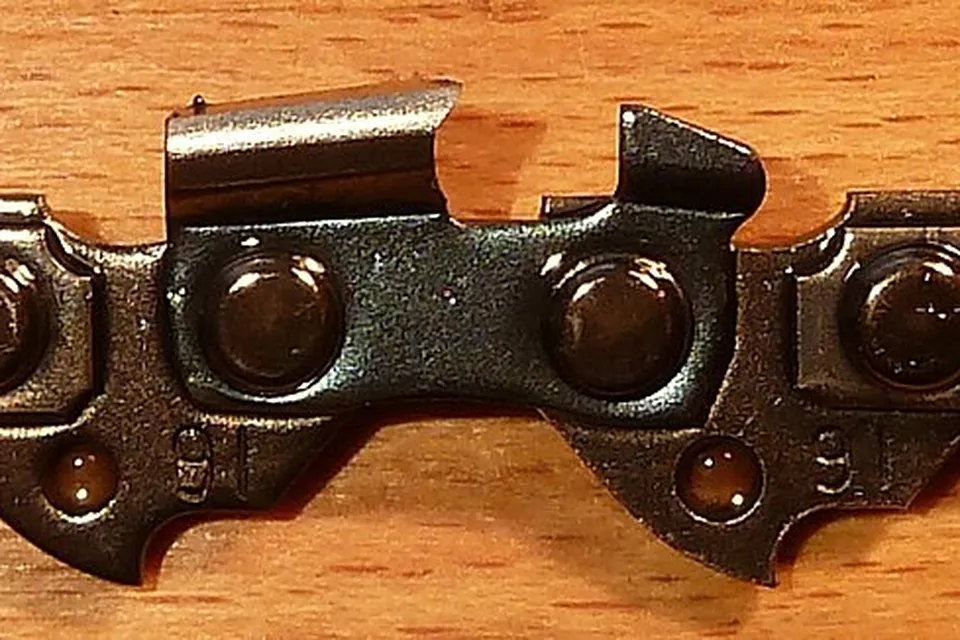
- Too loose: the chain sags under the bar and can jump off.
- Too tight: it won't move by hand, overheats and wears the bar.
- Just right: pull the chain away from the bar in the middle; the drive links should stay engaged in the groove, and the chain snaps back.
Chain tension is one of the simplest chainsaw checks and one of the most often ignored. A chain that's too loose can derail, damage the bar and sprocket and create a serious safety hazard. A chain that's too tight overheats, wears out the bar and chain fast and makes the saw work harder. Getting it right takes a minute once you know what to look for.
This guide explains how to check chain tension, how to adjust it on saws with a screw tensioner or tool-free knob, why chains loosen, how temperature changes tension and how tension connects to sharpening and safety.
Why does chain tension matter?
- Safety: a loose chain can come off the bar.
- Cutting performance: proper tension keeps cuts straight and smooth.
- Bar and chain life: too tight or too loose both cause faster wear.
- Less strain on the engine or battery motor.
The OSHA chain saw safety fact sheet lists checking the chain and controls as part of every pre-use inspection. See chainsaw safety tips.
How do you check the tension?
- Turn the saw off; remove the battery or make sure the engine is stopped and cool.
- Put on gloves.
- Engage the chain brake or follow your manual.
- Look under the bar: the chain shouldn't sag below it.
- Pull the chain away from the middle of the bar. The drive links should stay in the groove.
- Release the brake and pull the chain around the bar by hand. It should move smoothly without binding.
What are the signs of wrong tension?
| Too loose | Too tight |
|---|---|
| Chain hangs below the bar | Chain won't move by hand |
| Drive links lift out of the groove | Bar gets very hot |
| Chatter, vibration, uneven cuts | Saw bogs down, smoke from the bar |
| Chain comes off | Faster bar and sprocket wear |
See why a chainsaw chain keeps coming off.
How do you adjust a screw tensioner?
- With the saw off and gloves on, loosen the bar nuts slightly (don't remove them).
- Lift the tip of the bar and hold it up.
- Turn the tension screw (usually beside the bar) clockwise to tighten, counterclockwise to loosen.
- Check by pulling the chain, as above.
- While still holding the bar tip up, tighten the bar nuts firmly.
- Recheck the tension.
How do you adjust a tool-free tensioner?
Many newer saws have a knob or dial instead of a screw. Loosen the side cover knob, turn the tensioning dial until the chain is snug, hold the bar tip up and retighten the knob. Check your manual for your model; the principle is the same.
Why does a new chain stretch?
New chains stretch noticeably during the first uses as parts seat in. Check tension every few minutes when breaking in a new chain, and expect to adjust it several times during the first session.
How does temperature affect tension?
A chain expands as it heats up during cutting and contracts as it cools. If you tension a hot chain tight and let it cool, it can shrink and become too tight, putting stress on the bar and crankshaft. After heavy cutting, loosen a hot chain slightly before storing, then retension before the next use.
How is tension connected to sharpness?
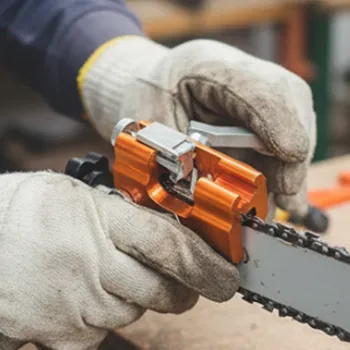
A dull chain makes you push harder, which loads the bar, heats the chain and makes it stretch and loosen faster. Keeping the chain sharp means smoother cuts, less heat and more stable tension. The Oregon chain sharpening guide explains filing angles and depth gauges. See signs your chain is dull.
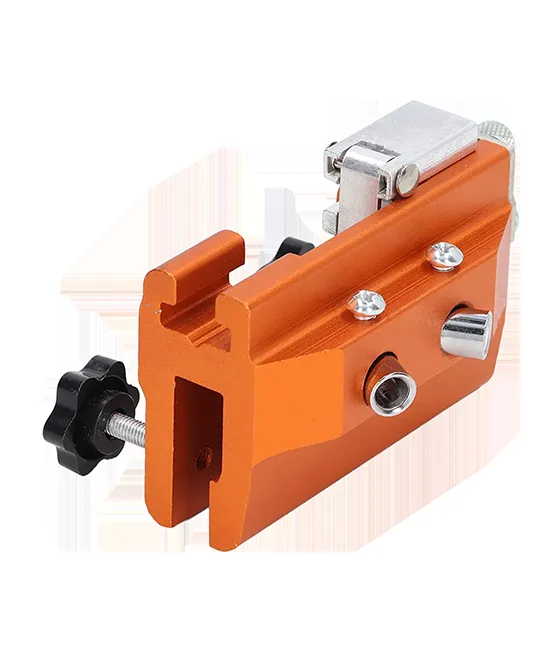
The SawShark is a hand-crank sharpener that clamps to your chainsaw bar and guides every tooth at the same angle, with no power needed. It cost $29.95 in October 2026, or from $17.97 each in bundles, with a 30-day return policy. Read our SawShark review (4.5/5).
Keep your chain sharp in minutes
Hand-crank sharpener that clamps to your bar and guides every tooth at the same angle. $29.95, or from $17.97 each in bundles.
Check today's price →$29.95, or from $17.97 each in bundles
Does bar oil matter?
Yes. Without oil, friction heats the chain and bar fast, stretching the chain and wearing the bar. Check the bar oil reservoir every time you fuel or charge, and make sure the oiler is working by pointing the bar tip at a light surface and running briefly: you should see a light line of oil. See chainsaw maintenance.
How often should you check?
- Before every use.
- Every 10–15 minutes of cutting, more with a new chain.
- After any pinch, kickback or hard impact.
- Before storing (loosen slightly if hot).
Can wrong tension cause kickback?
Poor tension and a dull chain both make the saw less predictable. Kickback usually happens when the upper tip of the bar touches wood. The CCOHS kickback guide explains how to avoid it: keep the tip clear, hold the saw firmly with both hands and stand to one side.
Which tools do you need to adjust tension?
Most saws come with a combination tool, called a scrench, that has a socket for the bar nuts on one end and a flat screwdriver for the tensioning screw on the other. Keep it in your pocket or attached to the saw while you work, because you'll use it often with a new chain. Saws with tool-free tensioning only need your hands. A pair of cut-resistant gloves is the other essential: chain cutters are sharp even when the saw is off.
How does the bar affect chain tension?
A worn bar can make tension seem wrong. Rails that are uneven, burred or spread apart let the chain wobble, and a worn sprocket nose can make the chain bind. Flip the bar every time you change or sharpen the chain so it wears evenly, clean the groove and oil holes, and file off small burrs on the rails. If the rails are badly worn, replace the bar; no amount of tensioning will fix it.
When should you check the drive sprocket?
The drive sprocket under the side cover wears along with the chain. A worn sprocket with pointed or grooved teeth can make a new chain wear quickly and run unevenly. Many owners replace the sprocket every second or third chain. Check it whenever you remove the side cover to fit a new chain.
What's a simple tension routine?
- Check tension before starting the saw.
- Check again after the first few minutes of cutting.
- Recheck at every refuel or battery change.
- Loosen a hot chain slightly at the end of the day.
- Retension cold before the next use.
Combined with a sharp chain and good bar oil, this routine prevents most chain problems.
Is tension different on battery chainsaws?
The principle is the same: snug on the bar, free to pull. Many battery saws have tool-free tensioners and automatic oilers, which makes adjustment quick. Because battery saws are often used for shorter jobs, people forget to check tension, but new chains stretch on them too. Remove the battery before touching the chain, and check the oil reservoir, since a dry bar heats and stretches the chain fast on any saw. See electric vs gas chainsaws.
How do you know it's time for a new chain?
If you've adjusted tension to the end of the tensioner's range and the chain is still loose, it has stretched too much and should be replaced. Other signs include cutters worn down to the limit marks, cracked or broken teeth, and a chain that won't cut straight even after careful sharpening. When you fit a new chain, check the sprocket and bar at the same time, and expect to retension it several times during the first session as it seats in.
Which tension mistakes are most common?
- Tightening without lifting the bar tip, so the chain loosens as soon as the nuts settle.
- Tensioning a hot chain tight and letting it cool on the bar.
- Forgetting to retighten the bar nuts after adjusting.
- Ignoring a chain that keeps loosening, which can point to a worn bar or loose nuts.
- Adjusting with the saw running or without gloves.
Does cold weather change chain tension?
Yes. In cold weather the chain and bar contract, so a chain that was tensioned correctly in a warm garage can feel tighter outside, and bar oil gets thicker and flows more slowly. Let the saw idle or run briefly to warm the oil before heavy cutting, check tension once the chain is warm and consider a winter-grade bar oil if you cut often in freezing temperatures.
The bottom line
Proper chain tension means snug against the bar but free to pull by hand. Check it before every use and often while cutting, adjust only with the saw off and gloves on, loosen a hot chain before storage and keep the bar oiled. Combine good tension with a sharp chain for safer, faster, straighter cuts.
Our pick for sharpening: check today's SawShark price on the official site.
Sources
- OSHA. Chain Saw Safety Fact Sheet.
- Oregon Tool. Sharpening Chainsaw Chain.
- CCOHS. Chainsaws: Kickback.
Frequently asked questions
How tight should a chainsaw chain be?
Snug against the bar but free to pull by hand, with the drive links staying in the groove when you pull the chain away from the bar.
What happens if a chainsaw chain is too loose?
It sags, can jump off the bar and makes cutting less safe.
What happens if it's too tight?
It won't move freely, overheats and wears the bar and sprocket faster.
Why does a new chain keep getting loose?
New chains stretch as parts seat in. Check tension every few minutes at first.
Should you loosen a chain after cutting?
Loosen a hot chain slightly before storage so it doesn't get too tight as it cools.
Does a dull chain affect tension?
Yes. A dull chain heats up and stretches faster. Keep it sharp with a tool like the SawShark.

Tim Humbert
Tim looks into the viral gadgets that show up in your feed, from mini leaf blowers to chain sharpeners and car care cloths. He reads the product pages, checkout and return policies, and buyer feedback so you know what a gadget really does before you spend money on it. His reviews are built on manufacturer information, official checkout and return policies, trusted safety sources and buyer feedback, and are updated when offers change. More about Tim.