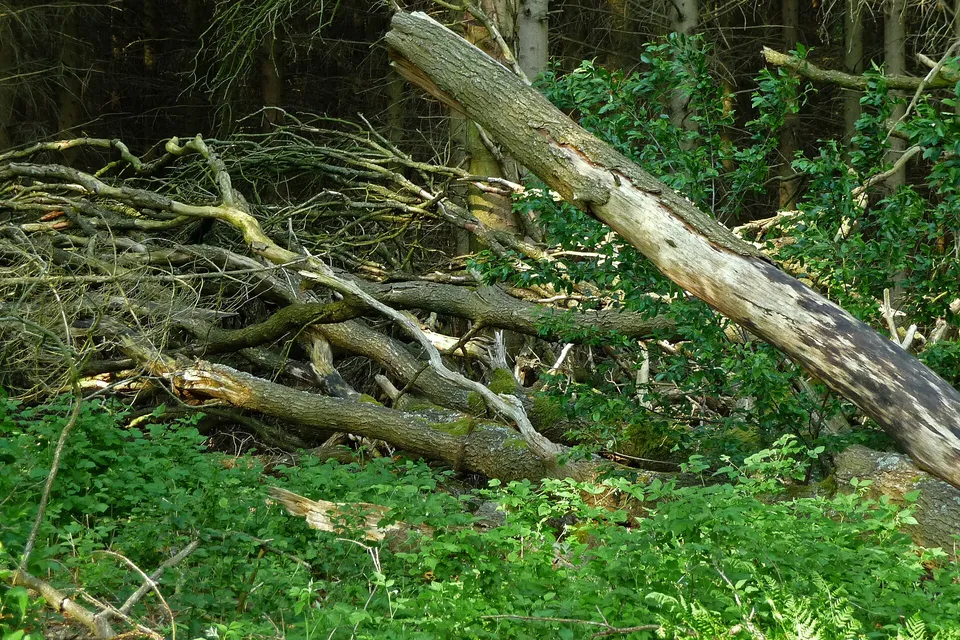
- Check for hazards first: downed power lines, hanging branches, gas smells. Stay away and call the utility or 911.
- Document damage with photos for insurance.
- Clear paths and driveways so you can get in and out.
- Pick up and cut small branches; leave large trees near lines or the house to pros.
- Blow and rake debris off patios, decks, gutters and walkways.
- Check gutters, drains and the roof from the ground.
After a big wind or ice storm, the yard can look like a war zone: branches everywhere, leaves plastered to the patio, debris in gutters and maybe a tree leaning where it shouldn't. It's tempting to grab the chainsaw and get to work right away, but storm cleanup is one of the most common times for serious injuries. The safest approach is slow, methodical and starts with looking up and around.
This guide covers safety checks, a step-by-step cleanup order, cutting branches safely, clearing debris, dealing with gutters and drains, disposal and when to call a professional.
What should you check before touching anything?
- Power lines: treat every downed line as live. Stay far away and call the utility.
- Hanging branches ("widowmakers") that could fall.
- Leaning trees and lifted roots.
- Gas smells: leave and call the gas company.
- Damaged structures: porches, fences, sheds.
Ready.gov and your local utility have guidance for storm safety and outages. When in doubt, wait for professionals.
Should you document the damage?
Yes. Before moving anything significant, take photos and videos of damaged trees, the roof, fences, cars and structures. Insurance companies often ask for them. Keep receipts for any cleanup costs.
In what order should you clean up?
- Make the area safe and clear access to the house and driveway.
- Remove small branches and debris from paths, steps and the driveway.
- Clear patios, decks and porches.
- Pick up branches on the lawn and sort them by size.
- Clean gutters and downspouts (from the ground if possible).
- Rake or blow leaves and twigs off the lawn.
- Deal with larger limbs and damaged trees (or call a pro).
How do you cut fallen branches safely?
- Only cut branches on the ground that aren't under tension or tangled with others.
- Watch for "spring poles": bent branches that can snap back when cut.
- Wear a helmet, eye and ear protection, chaps and gloves.
- Keep a firm footing and clear escape path.
- Never cut above shoulder height or from a ladder.
- Keep the chain sharp and properly tensioned.
The OSHA chain saw safety fact sheet covers safe cutting and protective equipment. See chainsaw safety tips and how to cut thick branches.
When should you call a professional?
- Trees or branches touching or near power lines.
- Large trees leaning toward the house.
- Trees on the roof or a car.
- Hanging or split limbs high in the canopy.
- Any job that needs climbing or a bucket truck.
Choose licensed, insured tree services and watch for storm-chasing scammers who demand payment upfront.
How do you clear leaves and twigs fast?
Once branches are off, a leaf blower makes quick work of leaves, twigs and grit on patios, decks, driveways and walkways. Blow debris into piles or onto a tarp, then bag it or carry it to the compost. A light cordless model lets you clear for 30 minutes without dragging cords or mixing fuel. See how to use a cordless leaf blower.
The Wood Ranger Power Leaf Blower weighs about 2.1 lb, has a 1600W brushless motor and runs about 30 minutes per charge. It ships from Ohio with a 90-day guarantee, from $55.99 each in bundles. Read our Wood Ranger review.
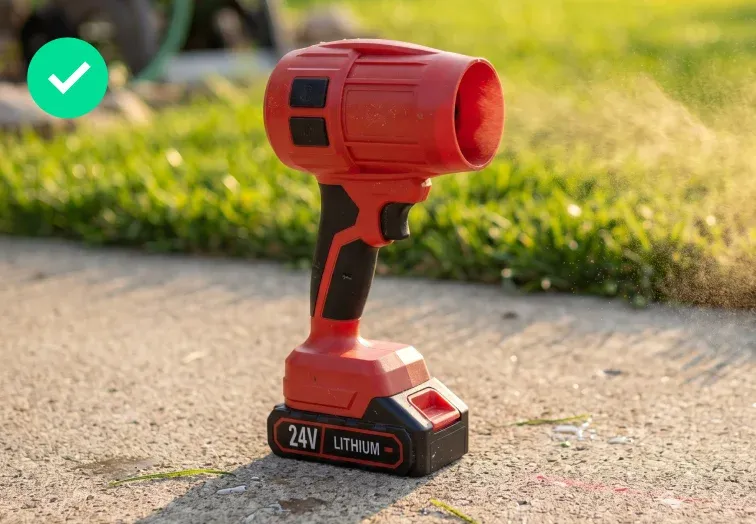
Clear storm debris off patios and paths
About 2.1 lb, 1600W brushless motor, about 30 minutes per charge. From $55.99 each in bundles, 90-day guarantee.
Check today's price →From $55.99 each in bundles · 90-day guarantee
How do you check gutters and drains?
Storms fill gutters with leaves and twigs, which can cause overflows and water damage. Look from the ground first. If you use a ladder, set it on firm ground, have a helper and never lean out. Clear storm drains near your home so water can flow away. See how to clean gutters with a leaf blower.
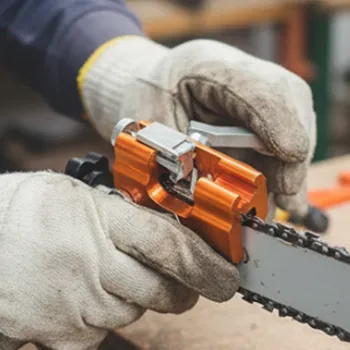
Why sharpen the chain before storm cleanup?
Storm wood is often dirty, gritty and tangled, which dulls chains quickly. A dull chain makes you push harder and lose control. Touch up the chain before you start and whenever you hit dirt. The SawShark is a hand-crank sharpener that clamps to the bar and guides every tooth at the same angle. It cost $29.95 in October 2026, or from $17.97 each in bundles. Read our SawShark review.
What do you do with all the debris?
- Branches: cut into lengths your town accepts for pickup, or chip them for mulch.
- Logs: split and stack for firewood after drying. See how to stack firewood.
- Leaves: compost or mulch them into the lawn. The EPA explains home composting.
- Damaged items: check your town's bulk pickup rules.
How do you avoid injury during cleanup?
- Pace yourself and take breaks.
- Lift with your legs and get help for heavy logs.
- Wear gloves, long sleeves and sturdy boots.
- Watch for nails, glass and sharp debris.
- Stay hydrated, even in cold weather.
How can you prepare for the next storm?
Trim dead and weak branches before storm season, keep gutters clear, secure outdoor furniture and keep your tools ready: charged batteries, a sharp chain, fresh fuel and protective gear. See prepare your yard for winter and what to prune in fall.
How do you tell if a damaged tree can be saved?
Trees often recover from losing a few branches, especially if the trunk and main limbs are intact and less than about half the crown is damaged. Warning signs that a tree may need removal include a split or cracked trunk, large broken limbs hanging in the canopy, roots lifted out of the ground, or a new, pronounced lean. Ask a certified arborist to assess valuable or risky trees before you cut anything big. Small, clean cuts on broken branches help the tree heal; ragged stubs invite decay.
What if a neighbor's tree falls in your yard?
Rules depend on your location and insurance policies, so talk with your neighbor and both insurance companies before removing large trees. Photograph everything first. Clearing small branches to make the area safe is usually fine, but get advice before cutting up a big tree that damaged property.
How do you stay safe during a power outage?
Never run generators indoors or in a garage, keep them well away from windows and doors, and use carbon monoxide detectors. Treat every downed line as live, and keep kids and pets away from damaged areas. Charge tool batteries and phones whenever power is available so you're ready for cleanup.
How do you check the roof safely?
Look from the ground with binoculars for missing shingles, damaged flashing or debris on the roof. Don't climb onto a wet or damaged roof; call a roofer. Clear gutters from a stable ladder only if you're comfortable, and blow out dry debris rather than reaching.
How do you keep kids safe during cleanup?
Keep children indoors or well away while you cut and blow, set up a clear "no-go" zone around the work area and store tools out of reach during breaks. Storm debris piles often hide nails, broken glass and sharp branches, so check before letting kids play in the yard again.
How do you help the lawn recover?
Remove branches and debris promptly so the grass underneath gets light and air. Rake or blow off matted leaves, fill ruts left by fallen limbs with soil, and reseed bare patches in spring. Avoid driving or walking heavily on soggy lawns until they dry out, since compacted soil recovers slowly.
What does homeowners insurance usually cover?
Coverage varies by policy, so read yours and call your agent. Many policies help when a tree damages the house or another covered structure, while trees that fall without hitting anything may not be covered. Keep photos, receipts and contractor quotes. Be wary of door-to-door contractors who pressure you to sign immediately or pay large deposits upfront.
What should a storm cleanup kit include?
- Work gloves, safety glasses and ear protection.
- Charged batteries for cordless tools and a flashlight.
- A sharp chain, bar oil and a chain sharpener.
- A tarp, contractor bags and a wheelbarrow.
- A first-aid kit and a fully charged phone.
Having it ready before storm season saves time when you need it most.
How do you avoid overdoing it?
Storm cleanup can take days. Work in short sessions, rest often and ask for help with heavy lifting. Rushing while tired is when most accidents happen.
Should you ask neighbors to help?
Yes. Sharing tools and labor makes cleanup faster and safer, especially for older neighbors who live alone.
The bottom line
Storm cleanup starts with safety: stay away from power lines and hanging limbs, document damage and call pros for big trees. Then work methodically: clear access, cut small branches safely, blow and rake debris, check gutters and drains, and dispose of everything properly. Sharp, well-maintained tools make the job safer and faster.
Our picks: Wood Ranger Leaf Blower and SawShark sharpener.
Sources
- OSHA. Chain Saw Safety Fact Sheet.
- Ready.gov. Winter Weather.
- U.S. Environmental Protection Agency. Composting At Home.
Frequently asked questions
What should you do first after a storm?
Check for downed power lines, hanging branches and gas smells. Stay away and call the utility or 911.
Should you photograph storm damage?
Yes, before moving anything major, for insurance.
When should you call a tree service?
For trees near power lines, on the house or car, leaning toward buildings or needing climbing.
How do you cut storm branches safely?
Only cut branches on the ground, watch for spring poles, wear protective gear and keep the chain sharp.
What's the fastest way to clear leaves and twigs?
A leaf blower to push debris into piles or onto a tarp.
What do you do with storm debris?
Cut branches for town pickup or chip them, split logs for firewood and compost leaves.

Tim Humbert
Tim looks into the viral gadgets that show up in your feed, from mini leaf blowers to chain sharpeners and car care cloths. He reads the product pages, checkout and return policies, and buyer feedback so you know what a gadget really does before you spend money on it. His reviews are built on manufacturer information, official checkout and return policies, trusted safety sources and buyer feedback, and are updated when offers change. More about Tim.