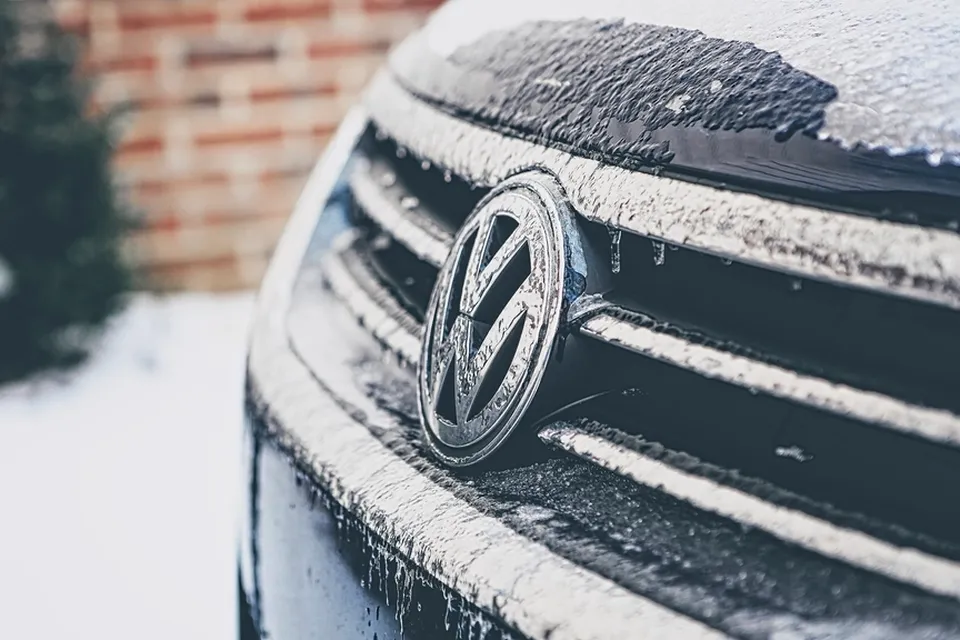
- Never scrape ice off painted surfaces like the hood, roof or doors. Paint is far softer than glass.
- Grit trapped under the scraper or brush is what usually leaves fine scratches, even on glass.
- Use the brush or a foam snow broom for snow on paint, and let the defroster and warm air soften ice on the body.
- Replace chipped or rough scrapers, and never use metal tools, keys or a hot water kettle.
- Light swirl marks in the clear coat can often be polished out; deep scratches need paint.
Every winter morning, millions of drivers grab an ice scraper and attack the car before work. On the windshield, that's what the scraper is made for. But many people also run it across the hood, roof, mirrors and doors to clear ice and snow, and that's where the damage happens. A few weeks later, the paint looks dull in the sun, with fine scratches and swirls that weren't there in the fall. This guide explains when ice scrapers do and don't scratch, why grit is the real problem, how to clear ice and snow from paint safely, how to choose and care for a scraper, what to do if you've already scratched the paint and how to protect your car for the rest of the winter.
In this guide:
- glass vs paint: what's safe
- why scratches happen
- clearing ice and snow from paint
- choosing and caring for a scraper
- fixing light winter scratches
- protecting paint all winter
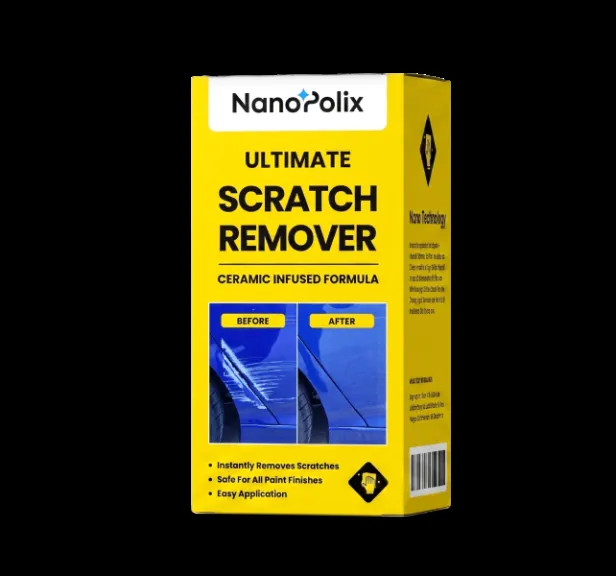
Our pick: the NanoPolix Scratch Remover Cloth
Reusable nano cloth for light paint scratches, scuffs, water spots and oxidation. Rub in small circles, buff, done.
Check today's price →2 for $34.96 (buy 1, get 1 free)
Can you use an ice scraper on paint?
No. Ice scrapers are designed for glass. Car paint has several thin layers: a primer, a color coat and a clear coat on top. The clear coat gives the shine and protects the color, but it's much softer than glass, and a hard plastic edge pushed across it can leave scratches you can see in sunlight. Maaco's guide to car paint layers and scratch repair explains why scratches in the clear coat look different from deeper ones.
| Surface | Ice scraper OK? | Better tool |
|---|---|---|
| Windshield and windows | Yes, with a clean plastic scraper | Defroster first, then scrape |
| Side mirrors (glass) | Gently | Heated mirrors or de-icer spray |
| Hood, roof, doors, trunk | No | Soft brush, foam snow broom, warm air |
| Headlights and taillights | Not recommended (plastic lenses scratch) | Defroster heat, soft brush |
| Plastic trim | No | Soft brush |
Why do ice scrapers leave scratches?
- Trapped grit: road salt, sand and dirt freeze into the ice or sit on the scraper blade. Dragging it across the surface works like sandpaper.
- A damaged blade: chips, nicks and rough edges on an old scraper cut into surfaces.
- Too much force at a steep angle.
- Metal tools: putty knives, spatulas and keys scratch glass and paint.
- Stiff brushes with worn or hard bristles dragging dirt across paint.
How do you clear ice and snow from car paint safely?
- Start the car and turn on the front and rear defrosters (stay with the car, and make sure the tailpipe isn't blocked by snow).
- Push loose snow off the roof, hood and trunk with a soft brush or a foam snow broom, pushing away from you rather than dragging back and forth.
- Let the engine heat soften ice on the hood for 10 to 15 minutes.
- Use a de-icer spray made for cars on stubborn ice.
- Lift softened ice with a gloved hand or let it slide off. Don't chip at it.
- Scrape only the glass, at a shallow angle, with a clean plastic scraper.
The NHTSA's winter driving tips recommend clearing all snow and ice from the car, including the roof and lights, before driving.
Can a leaf blower help with snow on the car?
For light, fluffy snow, a small cordless blower clears the roof, hood and windshield without touching the paint at all, so there's nothing to scratch. It doesn't work on ice or heavy wet snow, but on a dusting it's fast and gentle. More ideas in how to clear snow off a car.
What should you never do to remove ice?
- Don't pour hot water on the windshield. The sudden temperature change can crack the glass, and the water refreezes.
- Don't use metal tools, keys or credit cards.
- Don't run the wipers on an icy windshield; it can damage the blades and the motor.
- Don't scrape plastic headlights.
- Don't slam doors to break ice. Warm the car instead.
Our pick: the NanoPolix Scratch Remover Cloth
Reusable nano cloth for light paint scratches, scuffs, water spots and oxidation. Rub in small circles, buff, done.
Check today's price →2 for $34.96 (buy 1, get 1 free)
How do you choose an ice scraper that won't scratch?
- Plastic blade with a smooth, straight edge.
- A brass blade is used by some drivers on glass because brass is softer than glass, but keep it away from paint and plastic.
- A soft foam or squeegee head on the snow brush end instead of stiff bristles.
- An extendable handle so you can reach the middle of the windshield and roof without leaning on the car.
- Mitt scrapers that keep your hand warm and give better control.
How do you keep your scraper from scratching?
- Knock off ice and grit after each use.
- Store it inside the car, not in the trunk where it collects sand.
- Rinse the brush occasionally to remove salt and dirt.
- Check the blade each month and replace it if it's chipped or rough.
- Keep a separate soft brush just for painted surfaces.
What can you do if winter has already scratched the paint?
First, figure out how deep the scratch is. Run a fingernail lightly across it:
- Your nail doesn't catch: it's likely in the clear coat. Light swirls and scuffs like these can often be polished out.
- Your nail catches slightly: it may go deeper into the clear coat or color. Polishing may lighten it.
- You see primer or bare metal: it needs touch-up paint or a body shop.
For light marks, wash and dry the area first, so you're not rubbing dirt into the paint. Then use a polishing compound or a scratch remover cloth. NanoPolix is a reusable nano cloth for light paint scratches, scuffs and water spots: rub in small circles, buff and check the result. It works on superficial scratches in the clear coat; deeper scratches that reach the primer or metal need paint. See our NanoPolix review and does scratch remover work?
Does road salt damage paint too?
Yes. Salt and brine stick to the car, attract moisture and can speed up rust, especially on the underside and in chips. Wash the car every week or two in winter when temperatures allow, including the undercarriage. See road salt car damage and how to wash a car in winter.
How do you protect car paint for the rest of winter?
- Wax or seal the paint before the worst weather. It makes ice and grime easier to remove.
- Use a windshield cover overnight to stop ice forming on the glass.
- Park in a garage or carport when possible.
- Wash off salt regularly.
- Clear snow gently with a soft brush, never a scraper, on paint.
More tips in car paint care in winter and the winter car checklist.
How do you avoid scratching the windshield itself?
Glass is hard, but grit can still scratch it. Clear loose snow first, so the scraper isn't dragging dirt, and run the defroster for a few minutes so the ice softens. Hold the scraper at a shallow angle and use short, firm strokes. Replace wiper blades every six to twelve months, because worn blades also drag grit across the glass. Fine scratches on a windshield are often visible in low sun or at night, so a smooth, clean scraper is worth the small cost.
How can you stop ice forming on the car overnight?
- Park facing east if you can, so the morning sun hits the windshield first.
- Use a windshield cover or an old towel held by the doors, lifted off in the morning with the snow and ice on it.
- Lift the wipers off the glass on freezing nights so they don't stick.
- Keep a de-icer spray inside the car, not in the trunk.
- Park in a garage or carport on the coldest nights.
- Treat the glass with a water-repellent coating, which helps ice come off more easily.
Less ice in the morning means less scraping and less risk of scratches. A few minutes of prevention at night can save ten minutes of chipping ice and keep both the glass and the paint looking good through the winter.
How do you clear mirrors, lights and sensors?
Modern cars have cameras, parking sensors and plastic headlight lenses that scratch easily. Clear snow from them with a soft brush or gloved hand, let warm air and the sun soften the ice and avoid scraping. Clean sensors and cameras with a soft microfiber cloth once the ice has melted. Clear headlights and taillights completely before driving so other drivers can see you.
The bottom line
Do ice scrapers scratch car paint?
- yes, if used on the hood, roof or doors, because paint is far softer than glass
- grit and damaged blades cause most scratches, even on glass
- clear paint with a soft brush, warm air and de-icer, and scrape only the glass
- keep your scraper clean and replace it when it's chipped
- light winter swirls in the clear coat can often be polished out
NanoPolix is a reusable nano cloth for light scratches, scuffs and water spots in the clear coat, 2 for $34.96.
Our pick: the NanoPolix Scratch Remover Cloth
Reusable nano cloth for light paint scratches, scuffs, water spots and oxidation. Rub in small circles, buff, done.
Check today's price →2 for $34.96 (buy 1, get 1 free)
Frequently asked questions
Can you use an ice scraper on car paint?
No. Ice scrapers are made for glass. Paint and clear coat are much softer and can scratch. Use a soft brush, warm air and de-icer on painted surfaces.
Do plastic ice scrapers scratch windshields?
A clean plastic scraper is generally safe on glass. Scratches usually come from grit trapped under the blade or a chipped edge.
What is the safest way to remove ice from a car?
Run the defrosters, push off snow with a soft brush, let ice soften and scrape only the glass at a shallow angle.
Is it OK to pour hot water on a frozen windshield?
No. The sudden temperature change can crack the glass, and the water can refreeze.
How do you fix scratches from an ice scraper?
Light scratches in the clear coat can often be polished out. Scratches that show primer or metal need touch-up paint or a body shop.
How often should I replace my ice scraper?
When the blade is chipped, rough or worn. Check it every month or so during winter.

Tim Humbert
Tim looks into the viral gadgets that show up in your feed, from mini leaf blowers to chain sharpeners and car care cloths. He reads the product pages, checkout and return policies, and buyer feedback so you know what a gadget really does before you spend money on it. His reviews are built on manufacturer information, official checkout and return policies, trusted safety sources and buyer feedback, and are updated when offers change. More about Tim.