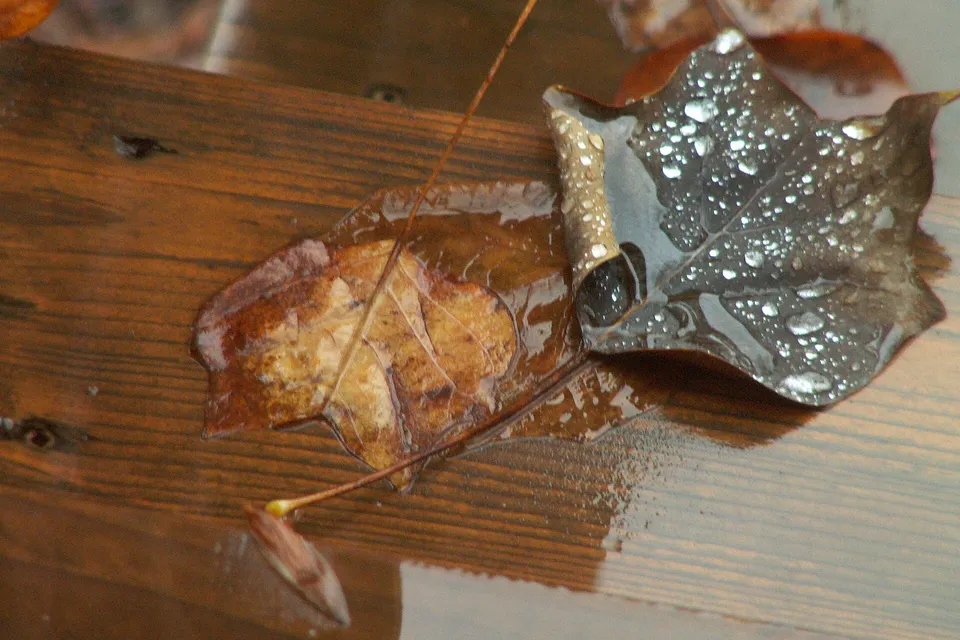
- Wait for dry leaves and a calm day; wind and wet leaves double the work.
- Plan one collection spot (a tarp or a pile near the curb) before you start.
- Work with the wind and from the edges of the yard toward the middle.
- Hold the nozzle low, a few inches above the ground, and sweep side to side.
- Push leaves in rows, then combine rows into one pile on the tarp.
- Use the right speed: low near beds and gravel, high on open lawn and pavement.
A leaf blower can turn a three-hour raking job into a 45-minute one, but only if you use it with a plan. Many people wave the nozzle around, chase the same leaves back and forth and end up with leaves scattered across the lawn again. Blowing efficiently is about timing, direction, technique and where the leaves end up.
This guide explains how to blow leaves the smart way: when to do it, how to plan the route, the best nozzle technique, how to handle beds, gravel, decks and driveways, how to save battery, and what to do with the leaves once you have a pile.
When is the best time to blow leaves?
- After leaves dry: mid-morning or afternoon, once dew is gone. Dry leaves move easily; wet ones stick and mat.
- On a calm day: any breeze over about 10 mph works against you unless it's blowing the way you want to go.
- In batches: clearing every week or two during peak fall is faster than one huge job at the end.
- At a polite hour: check local rules on equipment noise and avoid early mornings.
If leaves are wet, see how to blow wet leaves.
How should you plan your route?
Before you turn the blower on, decide where all the leaves will end up. Good options are a tarp near the middle of the lawn, a spot next to the compost bin, or the curb if your town collects loose leaves. Then divide the yard into sections and work each one toward that spot.
- Start at the house and the fence line, blowing leaves out of corners and away from walls.
- Clear beds and edges next, so leaves move onto open lawn.
- Work open lawn in rows toward the collection spot.
- Finish with hard surfaces like the patio, walkway and driveway.
Working from the outside in means you never blow leaves into an area you already cleared.
What's the best nozzle technique?
- Keep the nozzle low, about 4 to 8 inches above the ground and pointed slightly forward.
- Sweep side to side in a gentle arc, like using a broom, instead of pointing straight down.
- Walk slowly behind the leaf line, keeping the "wave" of leaves moving ahead of you.
- Don't chase single leaves; let stragglers join the next row.
- Use short bursts in corners to pop leaves out, then go back to sweeping.
Pointing the air straight down only scatters leaves and digs into soil. A low, angled stream rolls them forward in a tidy line.
How do you move leaves in rows?
On a big lawn, don't try to push every leaf all the way to the pile in one pass. Instead, blow leaves into long rows (windrows) running across the yard. Then go back and push each row toward the collection spot. Rows are easy to move because the leaves are already gathered, and you avoid walking the same ground over and over.
Why use a tarp?
A tarp turns the last, slowest part of the job into a few minutes. Lay it flat, blow the pile onto it, then fold the corners and drag it to the compost, curb or garden beds. A 10 by 12 foot tarp holds a surprising amount. Weigh down the windward corners with a rock or a shoe so it doesn't lift while you're blowing.
How do you use the wind?
Check which way the breeze is moving and plan to blow in that direction. Even a light tailwind helps carry leaves, while a headwind sends them flying back at you. If the wind shifts while you work, change your collection spot rather than fighting it.
Which speed should you use?
| Area | Speed | Why |
|---|---|---|
| Flower beds and mulch | Low | Moves leaves without blowing mulch away |
| Gravel paths | Low | Keeps stones in place |
| Open lawn | Medium to high | Moves large amounts quickly |
| Driveway and patio | High | Clears dust, leaves and grit |
| Corners and against walls | Short high bursts | Pops out packed leaves |
A variable-speed trigger makes this easy, since you can feather the power without switching settings. See how to clear leaves from gravel.
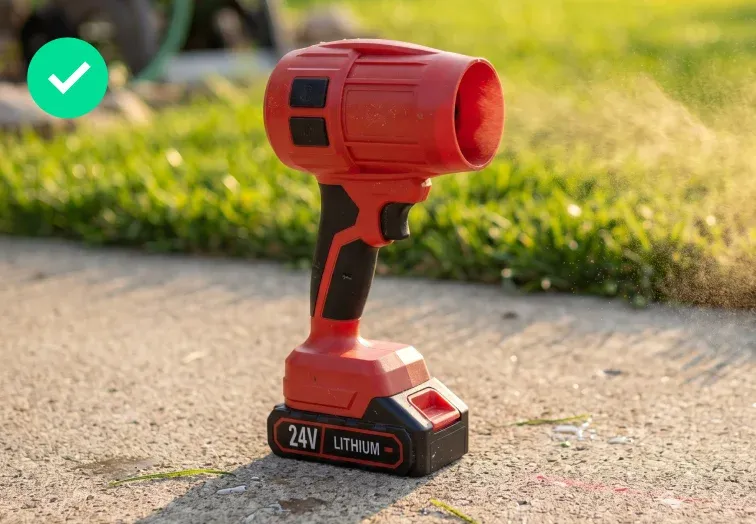
The light blower you'll actually use
About 2.1 lb, 1600W brushless motor, variable speed and about 30 minutes per charge. From $55.99 each in bundles, 90-day guarantee, ships from Ohio.
Check today's price →From $55.99 each in bundles · 90-day guarantee
How do you clear flower beds without making a mess?
Use low speed and blow from the back of the bed toward the lawn. Keep the nozzle higher than usual so the air skims over mulch. Leave a thin layer of leaves around perennials if you like, since many gardeners keep some leaves in beds as winter mulch. For heavily packed leaves between shrubs, short bursts work better than steady blowing.
What about driveways, patios and decks?
Hard surfaces are the easiest: start at the house side and blow toward the lawn or the street. On decks, blow along the boards so leaves don't get pushed into gaps. Check gutters and downspouts while you're there; see how to clean gutters with a leaf blower and how to clean a deck.
How do you make the battery last?
- Use low and medium speed when high isn't needed.
- Charge the battery fully the night before.
- Keep the battery at room temperature before use; cold batteries deliver less runtime.
- Blow in rows instead of chasing leaves around.
- Split big yards into two sessions with a recharge in between.
The Wood Ranger is rated at about 30 minutes per charge, which covers a typical driveway, patio and small to medium lawn in one session. More in leaf blower battery life.
What should you do with the leaves?
- Mulch them into the lawn with a mower; see how to mulch leaves.
- Compost them, mixed with green material. The EPA explains how to compost at home.
- Use them as winter mulch in beds.
- Bag them or set them at the curb if your town collects leaves.
More ideas in what to do with fallen leaves.
What safety steps matter?
- Wear safety glasses; blowers kick up dust and small debris.
- Wear hearing protection with louder blowers. NIOSH explains how noise exposure can damage hearing over time.
- Never point the blower at people, pets or cars.
- Keep kids and pets indoors while you work.
- Watch for rocks and sticks that can fly.
Is blowing faster than raking?
For most yards, yes. Blowing is much faster on open lawn, hard surfaces and around obstacles, while a rake still helps with heavy, wet piles and for loading leaves into bags. Many people use both: blow into piles, then rake onto a tarp. See leaf blower vs rake.
What mistakes waste time?
- Starting without a collection spot.
- Blowing against the wind.
- Holding the nozzle too high or pointing it straight down.
- Blowing wet leaves on high speed.
- Going over the same area twice.
- Waiting until all leaves have fallen and matted down.
How much does the Wood Ranger cost?
The Wood Ranger Power Leaf Blower is $69.99 for one, $62.99 each for two and $55.99 each for three, with a 90-day guarantee and shipping from Ohio. Read our Wood Ranger leaf blower review.
How long should it take?
With a plan, a typical suburban front yard takes 15 to 30 minutes and a small backyard about the same. If it takes much longer, you're probably chasing leaves or blowing against the wind. Breaking the yard into sections and finishing each one before moving on keeps the job predictable.
How do you blow leaves around obstacles?
Around trees, sheds, play sets and parked cars, blow leaves away from the obstacle first, using short bursts from different sides, then pick them up in your next row. Under shrubs and hedges, angle the nozzle low and blow outward. Along fences, walk parallel to the fence and blow leaves away from it into the lawn.
Is a light blower easier for older homeowners?
Yes. A heavy gas blower can tire your arms and back in minutes, and pull cords are hard on stiff hands. A cordless blower of about 2.1 lb with a simple trigger lets older homeowners clear the yard in short, comfortable sessions. Pair it with a tarp so there's no heavy bagging, and see lightweight leaf blowers.
The bottom line
Blowing leaves efficiently comes down to a plan: dry leaves, a calm day, one collection spot, working from the edges inward with a low, sweeping nozzle and the right speed for each surface. Rows and a tarp take care of the rest.
For small and medium yards, our pick is the Wood Ranger Power Leaf Blower. Check today's Wood Ranger price.
Sources
- U.S. Environmental Protection Agency. Composting at Home.
- NIOSH. About Noise and Occupational Hearing Loss.
- Official Wood Ranger product page and checkout, checked October 2026.
Frequently asked questions
What's the fastest way to blow leaves?
Pick one collection spot, work from the edges inward with the wind and move leaves in rows onto a tarp.
Should I blow leaves wet or dry?
Dry. Wet leaves stick and mat, which takes much more power and time.
How should I hold a leaf blower?
Keep the nozzle low, a few inches above the ground, and sweep side to side.
Which speed should I use?
Low near beds and gravel, high on open lawn and pavement.
How do I make the battery last longer?
Charge it fully at room temperature, use lower speeds when possible and work in rows.
What should I do with the leaf pile?
Mulch, compost, use as winter mulch in beds or set out for town collection.

Tim Humbert
Tim looks into the viral gadgets that show up in your feed, from mini leaf blowers to chain sharpeners and car care cloths. He reads the product pages, checkout and return policies, and buyer feedback so you know what a gadget really does before you spend money on it. His reviews are built on manufacturer information, official checkout and return policies, trusted safety sources and buyer feedback, and are updated when offers change. More about Tim.