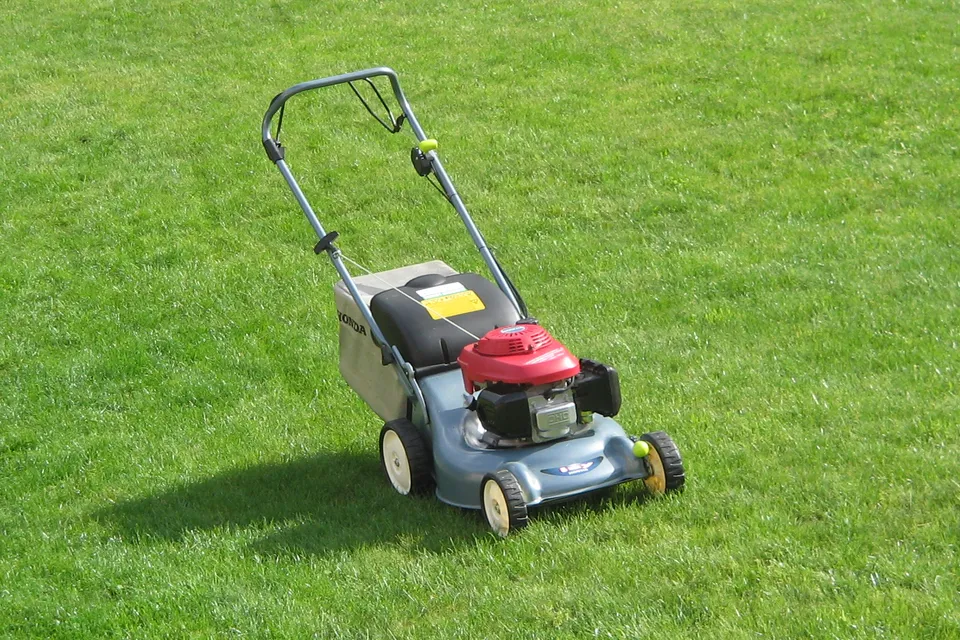
- Mow when leaves are dry and no more than a few inches deep.
- Set the mower high (about 3 to 3.5 inches) and use a mulching blade if you have one.
- Mow over the leaves until pieces are about the size of a dime.
- Make a second pass in a different direction if leaves are thick.
- Leave the shreds on the lawn; you should still see grass through them.
Mulching leaves is one of the easiest ways to handle fall cleanup. Instead of raking and bagging, you shred leaves with the mower and let them break down right on the lawn. Many lawn and garden experts recommend it: the small pieces settle between grass blades, decompose over winter and return nutrients and organic matter to the soil. It's faster, cheaper and keeps leaves out of landfills.
This guide explains how to mulch leaves with a mower, how much you can leave on the lawn, what to do with extra leaves, how to use shredded leaves in garden beds, and how a blower fits into the job.
Why mulch leaves instead of raking?
- Saves time: one or two mower passes replace hours of raking and bagging.
- Feeds the lawn: shredded leaves add organic matter as they decompose.
- Saves money: no bags, no hauling, less fertilizer needed.
- Less waste: leaves stay on your property instead of going to a landfill.
The EPA notes that yard trimmings and food scraps make up a large share of household waste, and composting or reusing them on site keeps them out of landfills.
What kind of mower do you need?
Any rotary mower can mulch leaves, but some work better than others:
| Mower | How well it mulches |
|---|---|
| Mulching mower or mulching blade | Best: cuts leaves several times into fine pieces |
| Standard rotary mower, side discharge | Good with two passes |
| Mower with bagger | Collects shredded leaves for beds or compost |
| Reel mower | Poor for leaves |
A mulching plug or kit for your mower can make a big difference and is usually inexpensive.
How do you mulch leaves step by step?
- Wait for dry leaves. Wet leaves clump and clog the deck.
- Clear sticks and debris that could damage the blade or fly out.
- Set the deck high, around 3 to 3.5 inches.
- Mow at a normal pace, overlapping rows.
- Check the result: pieces should be about dime-sized and grass should show through.
- Mow again in a crisscross pattern if leaves are still large or thick.
How many leaves can you mulch?
As a rule of thumb, you can mulch leaves into the lawn as long as you can still see about half of the grass blades after mowing. If the shredded layer covers the grass completely, it can smother it. In heavily wooded yards, mulch what the lawn can take and move the rest to beds or compost.
What do you do with extra leaves?
When leaves are too deep, blow the excess off the lawn into a pile or onto a tarp before mowing, then mulch the remaining layer. Use the extra leaves as winter mulch in beds or add them to the compost pile. A light cordless blower makes this quick. See how to blow leaves efficiently.
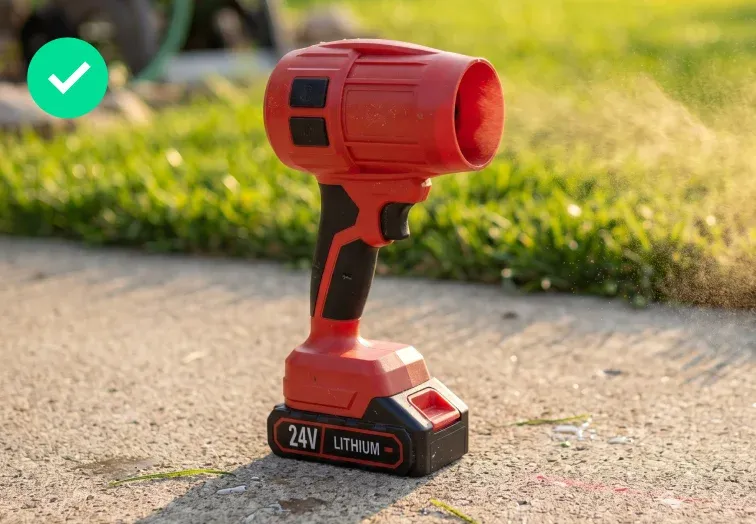
Move extra leaves off the lawn in minutes
About 2.1 lb, 1600W brushless motor, variable speed and about 30 minutes per charge. From $55.99 each in bundles, 90-day guarantee, ships from Ohio.
Check today's price →From $55.99 each in bundles · 90-day guarantee
How does a blower help with mulching?
A blower moves leaves where you want them: out of beds and corners into the open lawn for mowing, off the lawn when there are too many, and off the driveway and patio before or after you mow. The Wood Ranger Power Leaf Blower weighs about 2.1 lb, has a 1600W brushless motor and runs about 30 minutes per charge, enough to prep a typical yard for mulching. Read our Wood Ranger review.
How do you use shredded leaves in garden beds?
Shredded leaves make excellent free mulch. Spread a 2 to 3 inch layer around shrubs and perennials and over empty vegetable beds. Keep mulch a few inches away from stems and tree trunks. Shredded leaves stay in place better than whole leaves and break down faster, improving soil by spring. Bagging mowers make collecting them easy.
Can you compost shredded leaves?
Yes, and they compost much faster than whole leaves. Mix them with green material like grass clippings and kitchen scraps for a good balance. Keep the pile moist and turn it occasionally. See what to do with fallen leaves.
How often should you mulch leaves in fall?
Mulch every week or two during peak leaf fall. Small, frequent mulching is easier on the mower and the lawn than one big session with deep leaves. Continue until the trees are bare, then do a final mow before the grass goes dormant.
Do some leaves mulch better than others?
Most deciduous leaves mulch well. Maple, birch and ash break down quickly. Oak leaves are tougher and take longer, so shred them finely. Large, leathery leaves like magnolia may need extra passes. Pine needles don't mulch well with a mower but work fine as mulch on their own in beds.
What problems should you watch for?
- Clumping: leaves were too wet; wait and try again.
- Smothering: layer too thick; remove some.
- Clogged deck: clean under the deck (engine off, spark plug disconnected or battery removed).
- Dull blade: a sharp blade shreds leaves much better.
What safety steps matter?
- Wear safety glasses, closed shoes and hearing protection; NIOSH explains how loud equipment affects hearing.
- Clear sticks, toys and rocks first.
- Never clear a clogged deck while the mower is running.
- Keep kids and pets away.
Is mulching better than raking?
For most lawns, yes. Raking still helps in heavy, wet piles or for collecting leaves for compost. See leaf blower vs rake and fall yard cleanup checklist.
How much does the Wood Ranger cost?
The Wood Ranger Power Leaf Blower is $69.99 for one, $62.99 each for two and $55.99 each for three, with a 90-day guarantee and shipping from Ohio.
Does mulching leaves hurt the lawn?
Not when it's done right. Fine leaf pieces settle down between grass blades, where soil organisms break them down over the winter. The problems come from thick, unshredded layers that block light and trap moisture against the grass. Keep the layer thin enough that grass shows through, and mow regularly during leaf season so it never builds up.
Do you still need to fertilize?
Mulched leaves add organic matter and some nutrients, but they don't replace a balanced fall feeding if your lawn needs one. Many homeowners find they can use less fertilizer over time when they mulch leaves every year. A soil test from your local extension office tells you exactly what your lawn needs.
Can a cordless mower mulch leaves?
Yes. Many battery mowers have mulching modes. Thick leaves take more power, so expect shorter runtime and mow at a slower pace. Keeping the blade sharp and the deck clean helps a battery mower shred leaves efficiently.
When is the last mow of the season?
Keep mowing and mulching as long as the grass is growing and leaves are falling. For the final mow, lower the deck slightly (about half an inch) and shred any remaining leaves finely so the lawn goes into winter with a light, even layer. Then clean the mower deck and store it.
What if leaves blow in from neighbors' trees?
Leaves don't respect property lines. Mulching every week handles the extra volume without bagging. If a heavy load lands along the fence, blow it into the open lawn to mulch, or move it into a compost pile.
Is mulching worth it in a small yard?
Yes. In a small yard, one quick pass with the mower after blowing leaves out of beds and corners often takes less than 15 minutes. See leaf blowers for small yards.
What's a quick mulching checklist?
- Leaves dry and not too deep.
- Sticks and debris cleared.
- Mower blade sharp, deck set high.
- Beds and corners blown into the open lawn.
- Excess leaves moved to beds or compost.
- Grass visible after mowing.
How long does it take?
For a typical suburban lawn, mulching takes about as long as a normal mow, plus a second pass for thick spots. That's usually 20 to 40 minutes, compared with a couple of hours of raking and bagging.
Is mulched leaf litter safe for kids and pets?
Yes, shredded leaves on the lawn are a natural part of the landscape. Just keep kids and pets indoors while mowing and blowing, and pick up any sticks or debris before they play outside.
What happens to mulched leaves by spring?
Most fine pieces disappear into the soil over winter. By spring, you'll typically see little trace of them, just healthier soil under the grass.
The bottom line
Mulching leaves is the fastest, cheapest way to handle fall leaves: mow dry leaves with the deck set high until they're dime-sized, leave them on the lawn as long as you can see grass, and move extra leaves to beds or compost. A light blower helps prep the lawn and clear the rest.
For moving leaves where you want them, our pick is the Wood Ranger Power Leaf Blower. Check today's Wood Ranger price.
Sources
- U.S. Environmental Protection Agency. Composting at Home.
- NIOSH. About Noise and Occupational Hearing Loss.
- Official Wood Ranger product page and checkout, checked October 2026.
Frequently asked questions
Is mulching leaves good for the lawn?
Yes, finely shredded leaves break down and add organic matter, as long as grass still shows through.
What height should I set the mower to mulch leaves?
About 3 to 3.5 inches.
Can I mulch wet leaves?
It's better to wait until they're dry; wet leaves clump and clog the deck.
How many leaves are too many to mulch?
If the shredded layer hides the grass, remove some before mowing.
Do I need a mulching mower?
No, but a mulching blade or kit shreds leaves finer.
What should I do with extra leaves?
Blow them off the lawn and use them as bed mulch or compost.

Tim Humbert
Tim looks into the viral gadgets that show up in your feed, from mini leaf blowers to chain sharpeners and car care cloths. He reads the product pages, checkout and return policies, and buyer feedback so you know what a gadget really does before you spend money on it. His reviews are built on manufacturer information, official checkout and return policies, trusted safety sources and buyer feedback, and are updated when offers change. More about Tim.