
- Trim at the right time: most formal hedges in late spring to early summer, with a light trim later; avoid heavy trimming in late fall before frost.
- Shape the hedge wider at the bottom than the top, so sunlight reaches the lower leaves.
- Use sharp tools: hedge shears or a trimmer for the surface, pruning shears for thicker stems.
- Cut a little at a time, stepping back often to check the shape.
- Remove dead or crossing branches inside the hedge with clean cuts.
A neat hedge makes a yard look cared for, gives privacy and frames a garden. But hedges are easy to get wrong: trimmed at the wrong time, they get damaged by frost; shaped like a box or wider at the top, they go bare at the bottom; trimmed with dull blades, they turn brown and ragged.
The good news is that a few simple rules make a big difference. This guide covers when to trim, the right shape, which tools to use, a step-by-step method, how to rejuvenate an overgrown hedge and how to keep it full for years.
When is the best time to trim hedges?
It depends on the plant and your climate, but some general rules help:
| Hedge type | Main trim | Notes |
|---|---|---|
| Formal evergreen (boxwood, privet, yew) | Late spring to early summer, after the first flush of growth | Light touch-up in late summer |
| Flowering hedges (forsythia, lilac) | Right after flowering | Trimming later cuts off next year's flowers |
| Overgrown deciduous hedges | Late winter, while dormant | Best time for renovation cuts |
| Conifers (arborvitae, juniper) | Spring to midsummer, lightly | Don't cut back into bare wood |
Avoid heavy trimming in late fall: new growth won't have time to harden before frost. The University of Minnesota Extension explains how pruning timing affects shrubs and their flowers. See what to prune in fall.
What's the right shape for a hedge?
The most important rule: keep the bottom wider than the top. A slightly tapered shape, like a flat-topped pyramid, lets sunlight reach the lower branches so they stay leafy. Hedges trimmed straight up or wider at the top shade their own bottoms and go bare over time. A rounded top also sheds snow better in winter, preventing branches from splaying.
Which tools do you need?
- Hedge shears or a hedge trimmer for shaping the outer surface.
- Pruning shears for individual stems and thicker branches inside the hedge.
- Loppers or a pruning saw for branches too thick for shears.
- Stakes and string to keep lines straight on formal hedges.
- A tarp to catch clippings.
- Gloves and eye protection.
Sharp blades matter: dull blades crush and tear stems, which leaves brown edges and invites disease.
How do you trim a hedge step by step?
- Lay a tarp along the base.
- Set a guide line with stakes and string at the height you want, if it's a formal hedge.
- Remove dead, damaged and crossing branches inside the hedge first, using pruning shears.
- Trim the sides from the bottom up, angling slightly inward toward the top.
- Trim the top last, following the guide line, keeping it narrower than the base.
- Step back often to check the shape from a distance.
- Cut a little at a time; you can always take more off.
- Clean up clippings and compost them. See what to do with yard waste and leaves.
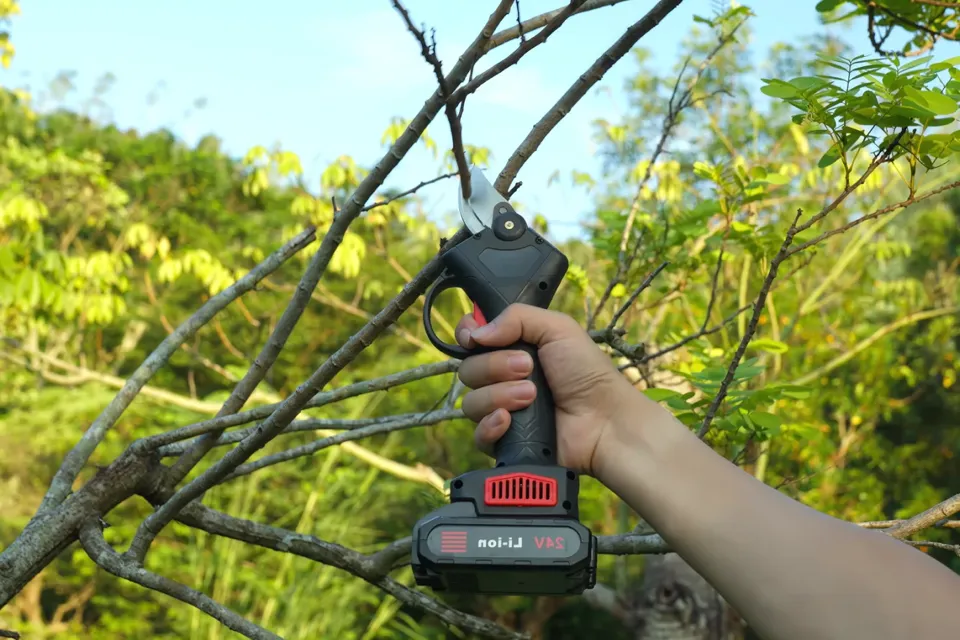
Why use cordless pruning shears for hedges?
Hedge trimmers handle the outer surface, but the thicker stems inside a hedge, dead wood and the branches you remove to thin it out need individual cuts. With manual pruners, dozens of thick cuts quickly tire the hands and wrists.
The Wood Ranger Power Shears are 2.1 lb cordless pruning shears with SK5 steel blades and a 24V battery that cut branches up to about 1.4 inches. A safety trigger with a double-click start helps prevent accidental cuts, the battery lasts about 30 minutes and charges in under an hour, and a spare blade comes in the box. They ship from Ohio with a 90-day guarantee and cost $79.99, or as little as $47.99 each in bundles. Read our Wood Ranger Power Shears review (4.5/5) and do electric pruning shears work?
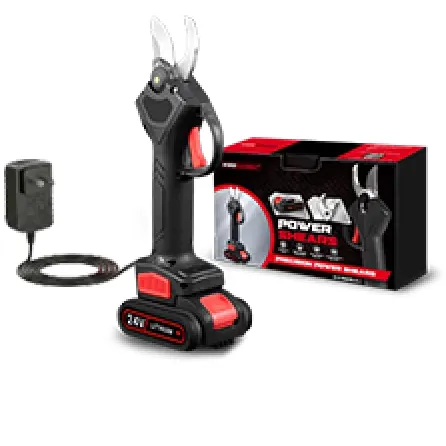
Clean cuts on thick stems without hand strain
Wood Ranger Power Shears: 2.1 lb, SK5 blades, 24V battery, cuts up to about 1.4 in, safety trigger, spare blade included. From $47.99 each in bundles, 90-day guarantee.
Check today's price →From $47.99 each in bundles · 90-day guarantee
How do you rejuvenate an overgrown hedge?
Many deciduous hedges, like privet and forsythia, can be renovated over two or three years:
- Year 1: in late winter, cut one side back hard and remove about a third of the oldest stems at the base.
- Year 2: cut the other side back and remove another third of old stems.
- Year 3: reduce the height and shape the new growth.
Many conifers, like arborvitae and juniper, don't regrow from bare wood, so cut them back only lightly. If unsure, check with your local extension service. The Mississippi State University Extension has guidance on what to prune when.
Which hedge-trimming mistakes should you avoid?
- Making the top wider than the bottom.
- Trimming flowering hedges at the wrong time and losing next year's blooms.
- Cutting conifers into bare wood.
- Heavy trimming in late fall, which leaves tender growth exposed to frost.
- Using dull blades, which crush stems.
- Trimming during nesting season without checking for birds' nests.
- Removing too much at once from a healthy hedge.
How often should you trim hedges?
Formal hedges usually need trimming two or three times during the growing season to stay crisp. Informal or natural hedges may need only one trim a year, plus removing dead wood. Fast growers like privet need more frequent trims than slow growers like boxwood or yew.
How do you make hedge trimming easier on your hands?
Trimming a long hedge means hundreds of cuts. To reduce strain: keep blades sharp, use the right tool for the branch size, take breaks, switch hands for light cuts and use powered tools for thicker stems. The Arthritis Foundation suggests tools that reduce grip effort for gardeners with joint pain. See electric vs manual pruning shears.
What safety tips matter?
- Wear gloves and eye protection.
- Use a stable platform or step ladder for tall hedges; never stand on a chair.
- Keep both hands away from the blades and use safety triggers as designed.
- Watch for power lines and hidden wires near hedges.
- Keep children and pets away while cutting.
How do you keep a hedge healthy between trims?
Water deeply during dry spells, especially young hedges, mulch around the base to keep roots moist and weeds down, and fertilize in spring if growth is weak. Check for pests and disease, like browning patches, and remove affected branches with clean cuts. A healthy hedge recovers faster from trimming and stays full at the bottom.
What should you do with hedge clippings?
Small, soft clippings from evergreen hedges compost well, especially mixed with brown materials like dry leaves. Thicker stems break down slowly, so cut them into small pieces or put them in a yard-waste bin. Don't compost branches with signs of disease, which can spread it. The EPA has a simple guide to composting at home.
How do you trim a privacy hedge?
Privacy hedges, like arborvitae, privet or laurel, are usually allowed to grow tall, which makes trimming the top harder. Set a target height you can reach safely from a stable platform, and trim the top a little below that height so new growth fills in. Keep the sides slightly tapered so the lower branches stay full; a privacy hedge that goes bare at the bottom loses its purpose. For tall hedges, a professional with the right equipment is often the safest option for the top. Between big trims, use pruning shears to cut back stray branches that stick out or block paths.
How do you start shaping a young hedge?
Young hedges need a bit of patience. In the first year or two, trim lightly to encourage branching rather than height, especially at the bottom. Cutting the tips of new shoots makes plants bushier. Resist the urge to let a young hedge shoot up before it's dense; a hedge that fills in from the bottom first stays full for decades. Water regularly during the first few seasons while roots establish.
What weather is best for trimming?
Choose a dry, overcast day. Trimming in hot, sunny weather can scorch freshly cut leaves, and wet foliage makes cuts ragged and spreads disease. Avoid trimming just before a hard frost. A calm day also makes it easier to see the shape and collect clippings.
The bottom line
Trim hedges at the right time for the plant, keep the bottom wider than the top, use sharp tools and cut a little at a time. Remove dead and crossing stems inside the hedge with clean cuts, renovate overgrown deciduous hedges over a few years and avoid heavy cuts in late fall.
For thick stems and thinning cuts, our pick is the Wood Ranger Power Shears. Check today's Power Shears price.
Sources
- University of Minnesota Extension. Pruning Trees and Shrubs.
- Mississippi State University Extension. When and How to Prune Landscape Plants.
- Arthritis Foundation. Gardening With Arthritis.
- Official Wood Ranger Power Shears product page, checked October 2026.
Frequently asked questions
When is the best time to trim hedges?
Most formal evergreen hedges in late spring to early summer, flowering hedges right after blooming and overgrown deciduous hedges in late winter. Avoid heavy trims in late fall.
Why is my hedge bare at the bottom?
Usually because it's wider at the top, shading the lower branches. Keep the base wider than the top so sunlight reaches the bottom.
Can I cut a hedge back hard?
Many deciduous hedges can be renovated over two or three years. Many conifers like arborvitae don't regrow from bare wood, so cut them only lightly.
What tools do I need to trim hedges?
Hedge shears or a trimmer for the surface, pruning shears for thicker stems, loppers or a saw for big branches, plus gloves and eye protection.
How often should hedges be trimmed?
Formal hedges two or three times a season; informal hedges about once a year plus removing dead wood.
Can electric pruning shears help with hedges?
Yes, for thicker stems and thinning cuts. The Wood Ranger Power Shears cut branches up to about 1.4 inches, from $47.99 each in bundles.

Tim Humbert
Tim looks into the viral gadgets that show up in your feed, from mini leaf blowers to chain sharpeners and car care cloths. He reads the product pages, checkout and return policies, and buyer feedback so you know what a gadget really does before you spend money on it. His reviews are built on manufacturer information, official checkout and return policies, trusted safety sources and buyer feedback, and are updated when offers change. More about Tim.