
- Do only light pruning: remove dead, diseased or broken canes and trim very long canes that could whip in winter wind.
- Stop deadheading about a month before your first frost, so roses can harden off.
- Clean up fallen leaves around the base to reduce disease.
Roses have a reputation for being fussy, and pruning is the part that worries gardeners most. Cut at the wrong time and you can lose a season of blooms or leave the plant exposed to frost damage. Cut too little and the bush becomes a tangle of old, unproductive canes that flowers less and gets more disease.
The good news is that rose pruning follows a few simple rules. This guide explains when to prune each type of rose, what to do (and not do) in the fall, how to make good cuts, the tools you need, and how to prune for healthier plants and more flowers.
When is the best time to prune roses?
| Rose type | Main pruning | Notes |
|---|---|---|
| Hybrid teas and floribundas | Late winter to early spring | As buds swell, before new growth |
| Shrub and landscape roses | Late winter to early spring | Lighter shaping; remove old canes |
| Repeat-blooming climbers | Late winter to early spring | Shorten side shoots; keep main canes |
| Once-blooming climbers and ramblers | Right after flowering in summer | They bloom on last year's wood |
| Old garden roses (once-blooming) | Right after flowering | Light pruning |
A common rule of thumb in many regions is to prune when forsythia blooms. The University of Minnesota Extension explains how pruning timing affects flowering shrubs.
Should you prune roses in the fall?
Only lightly. Heavy pruning in fall can stimulate new growth that gets killed by frost and leaves the plant weaker going into winter. In fall:
- Remove dead, diseased or broken canes.
- Shorten very tall canes by about a third on bushes in windy areas, so they don't whip around and loosen the roots.
- Stop deadheading four to six weeks before your average first frost, letting hips form, which signals the plant to slow down.
- Clean up fallen leaves and debris around the base, which can harbor black spot and other diseases.
See what to prune in fall for other plants.
How do you protect roses over winter?
In cold climates, after the ground starts to freeze, mound soil, compost or shredded leaves 8 to 12 inches around the base of grafted roses to protect the graft union. Tie climbing canes to their supports so wind doesn't damage them. Water deeply before the ground freezes if fall has been dry. Remove the mound gradually in spring as the weather warms. The Mississippi State University Extension notes that fall and early winter are a time for light cleanup rather than heavy pruning of many landscape plants.
How do you prune roses in late winter or spring?
- Remove the "three Ds": dead, damaged and diseased canes, cutting back to healthy white or green wood.
- Remove crossing or rubbing canes and weak, spindly growth thinner than a pencil.
- Open the center of bush roses for air flow, aiming for a vase shape.
- Remove one or two of the oldest canes at the base on established shrubs, to encourage new, productive canes.
- Shorten the remaining canes: by about a third to a half on hybrid teas and floribundas, less on shrub roses.
- Cut about 1/4 inch above an outward-facing bud, at a slight angle sloping away from the bud.
- Clean up all clippings and leaves.
What makes a good pruning cut?
- Sharp blades that cut cleanly rather than crushing the cane.
- An angled cut that sheds water.
- About 1/4 inch above a bud: too close damages the bud, too far leaves a dead stub.
- Outward-facing buds so new growth goes out, not into the center.
- Clean tools, wiped with alcohol between diseased cuts.

Which tool makes pruning thick canes easier?
Older rose canes get thick and woody, and cutting dozens of them with manual pruners is hard on the hands, especially with arthritis. The Wood Ranger Power Shears are 2.1 lb cordless pruning shears with SK5 steel blades and a 24V battery that cut branches up to about 1.4 inches. A safety trigger with a double-click start helps prevent accidental cuts, the battery lasts about 30 minutes and charges in under an hour, and a spare blade comes in the box. They ship from Ohio with a 90-day guarantee and cost $79.99, or as little as $47.99 each in bundles. Read our Wood Ranger Power Shears review (4.5/5) and electric vs manual pruning shears.
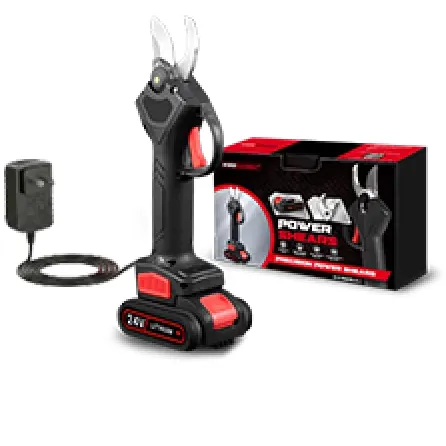
Clean cuts on thick rose canes
Wood Ranger Power Shears: 2.1 lb, SK5 blades, 24V battery, cuts up to about 1.4 in, safety trigger, spare blade included. From $47.99 each in bundles, 90-day guarantee.
Check today's price →From $47.99 each in bundles · 90-day guarantee
What else do you need?
- Thick, thorn-proof gloves with long cuffs.
- Bypass pruners for thin stems.
- Loppers or a pruning saw for very thick old canes at the base.
- Rubbing alcohol to clean blades.
- A bucket or tarp for clippings.
What about deadheading during the season?
Deadheading, removing spent flowers, encourages repeat-blooming roses to flower again. Cut the faded bloom back to the first leaf with five leaflets, or simply snap off the old flower on shrub roses. Stop deadheading in late summer or early fall so the plant can prepare for winter.
Which rose-pruning mistakes should you avoid?
- Heavy pruning in fall, which invites frost damage.
- Pruning once-blooming roses in spring, which removes that year's flowers.
- Dull blades that crush canes.
- Leaving stubs far above a bud.
- Ignoring diseased leaves on the ground.
- Not wearing proper gloves.
How does pruning help prevent disease?
Good air flow through the center of a rose bush helps leaves dry faster, which reduces fungal diseases like black spot and powdery mildew. Removing old, crowded canes and cleaning up fallen leaves removes places where disease survives the winter. Don't compost diseased leaves; bag them instead.
How do you make pruning easier on your hands?
Keep blades sharp, use the right tool for each cane size, take breaks and use powered shears for the many thick cuts. The Arthritis Foundation recommends tools that reduce grip effort for gardeners with joint pain. See do electric pruning shears work?
How should you prune a newly planted rose?
New roses need very little pruning in their first year. Remove any canes damaged in planting, and let the plant put its energy into roots and leaves. In the first spring after planting, prune lightly to shape it, removing weak growth and shortening canes only a little. Heavy pruning on a young rose can slow it down. From the second or third year, follow the regular pruning routine for its type.
How do you prune climbing roses?
Climbing roses bloom on side shoots that grow from long main canes. For repeat-blooming climbers, prune in late winter or early spring: keep the strong main canes tied to the support, shorten the side shoots to two or three buds, and remove one or two of the oldest, least productive canes at the base every few years. For once-blooming climbers and ramblers, prune right after they flower in summer, because they bloom on wood grown the previous year. Training main canes more horizontally along a fence or trellis encourages more side shoots and more flowers.
What about easy shrub roses like Knock Out roses?
Popular landscape shrub roses are bred to be low-maintenance and don't need precise pruning. In late winter or early spring, cut them back by about a third to keep them compact, remove any dead or crossing canes and shape the bush. You can also use hedge shears on large plantings. A light trim in summer can encourage new flushes of blooms. In the fall, just remove dead or damaged canes and leave the rest until spring.
Does your climate change the timing?
Yes. In warm southern climates, roses may be pruned in late January or February. In cold northern areas, wait until late March or April, when the worst frost is over and buds begin to swell. Your local extension service can give you the best timing for your area, and watching when forsythia blooms is a handy natural signal. See fall yard cleanup checklist for other fall jobs.
Should you fertilize roses in fall?
Generally no. Fertilizing in late summer or fall encourages soft new growth that frost can damage. Most rose growers stop feeding about six to eight weeks before the first frost and start again in spring after pruning, when new growth begins.
The bottom line
Prune most roses in late winter to early spring, and once-blooming climbers right after they flower. In the fall, keep it light: remove dead, diseased and broken canes, shorten very long ones in windy spots, stop deadheading and clean up leaves. Make sharp, angled cuts just above outward-facing buds.
For clean cuts on thick, woody canes, our pick is the Wood Ranger Power Shears. Check today's Power Shears price.
Sources
- University of Minnesota Extension. Pruning Trees and Shrubs.
- Mississippi State University Extension. When and How to Prune Landscape Plants.
- Arthritis Foundation. Gardening With Arthritis.
- Official Wood Ranger Power Shears product page, checked October 2026.
Frequently asked questions
When is the best time to prune roses?
For most roses, late winter to early spring as buds swell. Once-blooming climbers and old garden roses are pruned right after flowering.
Should you cut back roses in the fall?
Only lightly: remove dead, diseased or broken canes and shorten very long canes in windy spots. Heavy fall pruning can invite frost damage.
When should I stop deadheading roses?
About four to six weeks before your average first frost, so the plant can harden off for winter.
How much should you cut back roses in spring?
Hybrid teas and floribundas by about a third to a half, shrub roses less. Remove dead, weak and crossing canes first.
Where should you cut a rose stem?
About 1/4 inch above an outward-facing bud, at a slight angle sloping away from the bud.
What tool is best for thick rose canes?
Sharp bypass pruners for thin stems and loppers or powered shears for thick ones. The Wood Ranger Power Shears cut up to about 1.4 inches.

Tim Humbert
Tim looks into the viral gadgets that show up in your feed, from mini leaf blowers to chain sharpeners and car care cloths. He reads the product pages, checkout and return policies, and buyer feedback so you know what a gadget really does before you spend money on it. His reviews are built on manufacturer information, official checkout and return policies, trusted safety sources and buyer feedback, and are updated when offers change. More about Tim.