- Seal and insulate first: rim joists, basement walls, windows and gaps lose the most heat.
- Control moisture with a dehumidifier; damp air feels colder.
- Cover cold floors with area rugs on a moisture-resistant pad.
- Open or add heating vents if your furnace serves the basement.
- Use a safe electric heater for the room you use: wall-mounted, baseboard or portable.
- Keep it safe: smoke and carbon monoxide alarms, and 3 feet of clearance around heaters.
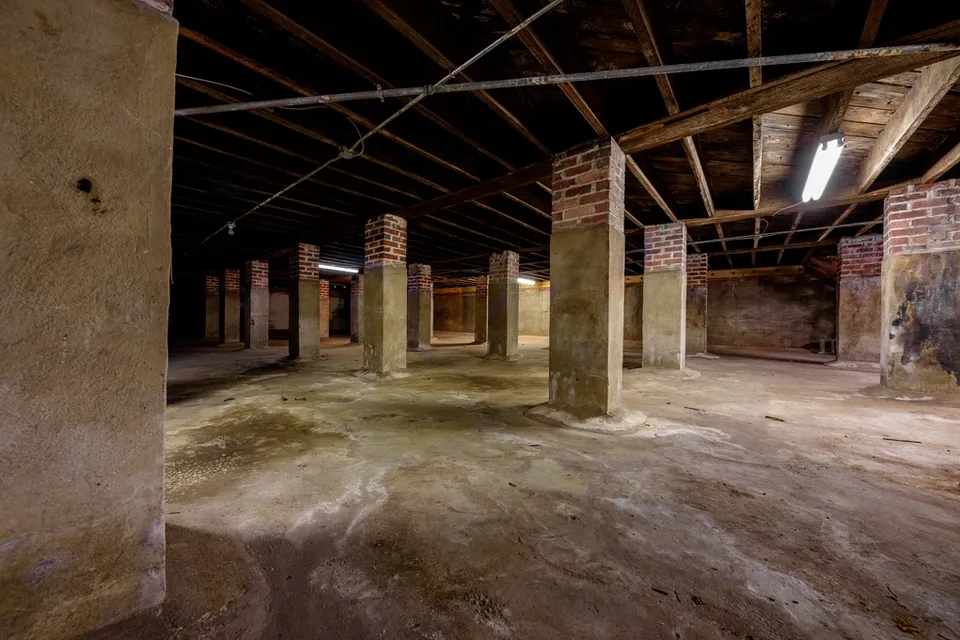
Basements are often the coldest part of the house. They're partly underground, surrounded by cool earth, with concrete floors and walls that soak up warmth. Many have few heating vents or none at all. Yet basement rooms are some of the most useful spaces in a home: a family room, a home office, a gym, a guest room or a teen's hangout. Making one comfortable in winter takes a combination of stopping heat loss, controlling dampness and adding the right heat source. This guide explains why basements are so cold, how to insulate and seal, how to deal with moisture, warm flooring options, the best heating choices and how to keep a basement room safe and affordable to heat.
In this guide:
- why basements are cold
- sealing and insulating
- moisture and dehumidifiers
- warm floors
- heating options compared
- safety and costs
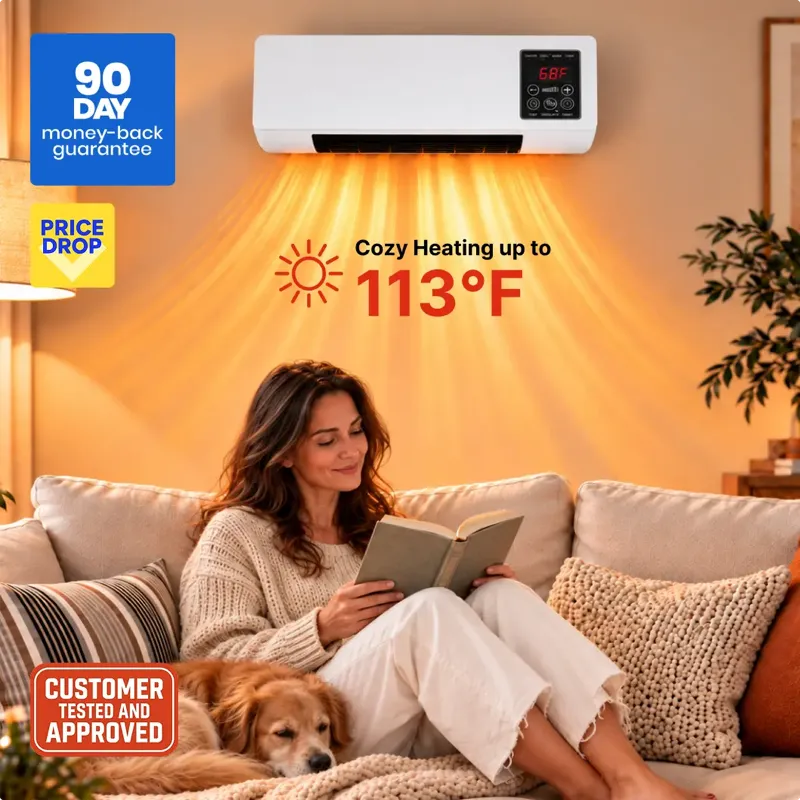
Our pick: the Cozy Cove Pro Wall Heater
Ceramic (PTC) heater with a remote and touch panel. Mounts on the wall or sits on a surface, with overheat auto shut-off. Ships from a US warehouse.
Check today's price →$99.99, or from $59.99 each in bundles · 90-day guarantee
Why are basements so cold?
- Ground contact: soil stays cool year-round, and concrete conducts that cold inward
- Little insulation in many older homes
- Air leaks at rim joists, windows and utility openings
- Few heating vents, or ducts that are closed
- Dampness, which makes air feel chillier
- Cold air sinks from the floors above
How do you seal and insulate a basement room?
- Seal the rim joists, where the house framing sits on the foundation, with foam board and spray foam or caulk.
- Insulate walls with rigid foam board or a moisture-appropriate system.
- Seal windows with weatherstripping or insulating film.
- Seal gaps around pipes, wires and vents.
- Add a door or heavy curtain at the stairs to keep heat in the room.
Energy Star explains how sealing and insulating can make a home more comfortable and efficient.
How do you deal with basement moisture?
- run a dehumidifier to keep humidity around 30 to 50 percent
- fix leaks and make sure gutters and grading direct water away from the house
- don't use fiberglass or carpet directly on damp concrete
- ventilate laundry and bathrooms in the basement
- watch for musty smells or mold, a sign of ongoing dampness
The EPA's guide to mold and moisture explains why controlling humidity matters.
Our pick: the Cozy Cove Pro Wall Heater
Ceramic (PTC) heater with a remote and touch panel. Mounts on the wall or sits on a surface, with overheat auto shut-off. Ships from a US warehouse.
Check today's price →$99.99, or from $59.99 each in bundles · 90-day guarantee
How do you warm up a cold basement floor?
| Option | Notes |
|---|---|
| Area rugs with a moisture-resistant pad | Quick, affordable, removable |
| Interlocking foam or rubber tiles | Great for gyms and playrooms |
| Subfloor panels with insulation | Raise the floor slightly off the concrete |
| Luxury vinyl plank on an underlayment | Water-resistant, warmer than bare concrete |
| Radiant floor heat | Most comfortable; best during a renovation |
Which heating options work best?
| Option | Pros | Cons |
|---|---|---|
| Extending central heat | Whole-room comfort, uses existing system | Needs ductwork; may unbalance the system |
| Wall-mounted electric heater | Saves floor space, quick install | Heats one room |
| Electric baseboard | Quiet, steady heat | Needs dedicated wiring; furniture clearance |
| Portable electric heater | Cheap, flexible | Takes floor space, cord across the room |
| Ductless mini-split heat pump | Efficient heating and cooling | Higher upfront cost, professional install |
| Fireplace insert or stove | Cozy | Venting, cost and carbon monoxide risk |
For other options, see wall-mounted heater vs space heater and the cheapest way to heat one room.
How do you keep a heated basement safe?
- install smoke alarms and carbon monoxide alarms on the basement level
- keep heaters 3 feet from furniture, curtains, boxes and laundry
- plug electric heaters directly into wall outlets
- never use outdoor fuel heaters, grills or generators indoors
- keep the furnace and water heater area clear
- have a second way out of basement bedrooms (egress window)
See is it safe to leave a space heater on overnight?
Should you test for radon?
Yes, especially if you'll spend a lot of time in the basement. Radon is an invisible, odorless gas that can enter through foundations. The EPA recommends testing; its radon page explains how. Test kits are inexpensive.
How much does it cost to heat a basement room?
It depends on the room's size, insulation and the heater. An 800 W electric heater uses 0.8 kWh per hour at full power; a thermostat that cycles it on and off uses less. Sealing and insulating first lowers running costs for every option. See how much a space heater costs to run.
How do you heat different basement rooms?
- Home office: a small wall heater plus a rug under the desk; see heaters for a home office
- Guest room: steady heat with a thermostat and timer
- Gym: less heat needed; rubber floor tiles
- Family room: rugs, sealed windows and a wall heater or mini-split
Where does the Cozy Cove Pro fit in?
In a basement room, floor space is valuable and cords across the floor are a trip hazard. The Cozy Cove Pro is a slim ceramic (PTC) heater, 400 to 800 W, that mounts on the wall or sits on a surface, with a remote, touch panel and overheat protection with automatic shut-off. It's $99.99, or from $59.99 each in bundles, with a 90-day guarantee. Read our Cozy Cove Pro review.
Can you just open the furnace vents in the basement?
If your basement has supply vents from the furnace, make sure they're open and not blocked by boxes. Some basements have no return vent, which limits how much warm air comes in. Adding vents or extending ductwork is a job for an HVAC professional, who can check whether your furnace can handle the extra space without making upstairs rooms colder. Closing too many vents upstairs to push heat downstairs can strain the system.
How do you deal with cold basement windows?
- add weatherstripping where the window meets the frame
- use insulating window film for a quick upgrade
- hang thermal curtains and close them at night
- check window wells for leaves and snow, which hold moisture against the glass
- consider replacing very old single-pane windows
How do you stop heat escaping up the stairs?
Warm air rises, so a heated basement room loses heat up the stairwell. A door at the top or bottom of the stairs, or even a heavy curtain, keeps the heat where you need it. In the reverse situation, cold basement air flowing upstairs makes the first floor drafty, so a door helps both ways.
Will heating the basement protect pipes too?
Yes. Keeping the basement above freezing protects water lines and drains. Insulate exposed pipes along exterior walls as well. See how to keep pipes from freezing for more tips.
What else helps you stay warm in a basement room?
Dress in layers, use a throw blanket on the sofa and keep warm slippers by the door. A rug and a heater together make the biggest difference to how warm the room feels. See how to keep a room warm without central heat.
Should a basement room have its own thermostat?
It helps. A heater with a built-in thermostat, or a wall thermostat for baseboard heat, keeps the basement at the right temperature without overheating it when the rest of the house is warm. Set it a little lower when the room isn't in use and use a timer for an office or gym you only use at certain times.
Is a basement a good kids' playroom in winter?
It can be, with soft flooring, a safe wall-mounted heater out of reach, good lighting and no clutter near the furnace or water heater. Keep cords tidy and heaters away from toys and blankets.
Does lighting make a basement feel warmer?
Surprisingly, yes. Dim, cool lighting makes a basement feel colder and damper. Warm white bulbs, lamps in corners and light-colored walls make the space feel cozier and more inviting. Rugs, curtains and soft furniture add to the effect and help absorb echo from concrete walls.
What if you rent?
Renters can use removable options: area rugs, insulating window film, draft stoppers, a dehumidifier and a portable or surface-mounted heater. Ask the landlord before mounting anything on the walls or changing the heating system.
How do you prepare a basement guest room?
Turn on the heat a few hours before guests arrive, add an extra blanket on the bed and leave a night light near the stairs. Show guests where the heater controls are, and make sure the smoke and carbon monoxide alarms work.
Are basement heaters noisy?
Ceramic heaters with fans make a soft hum, baseboards are nearly silent and mini-splits are quiet but have an outdoor unit. For an office or bedroom, choose a quiet model and place it where the airflow reaches you without blowing directly at you.
The bottom line
To heat a basement room:
- seal rim joists, windows and gaps, and insulate walls
- control moisture with a dehumidifier
- warm the floor with rugs, tiles or a subfloor
- add a safe heater: wall-mounted, baseboard, portable or a mini-split
- install smoke and carbon monoxide alarms and test for radon
The Cozy Cove Pro is a wall-mounted ceramic heater with remote and overheat shut-off, $99.99 or from $59.99 each in bundles, with a 90-day guarantee.
Our pick: the Cozy Cove Pro Wall Heater
Ceramic (PTC) heater with a remote and touch panel. Mounts on the wall or sits on a surface, with overheat auto shut-off. Ships from a US warehouse.
Check today's price →$99.99, or from $59.99 each in bundles · 90-day guarantee
Frequently asked questions
What is the best way to heat a basement room?
Seal and insulate first, control moisture, then add a safe heat source such as a wall heater, baseboard heater or mini-split.
Why is my basement so cold?
Ground contact, little insulation, air leaks at rim joists and windows, few heating vents and dampness.
Is it safe to use a space heater in a basement?
Yes, if it's electric, plugged directly into the wall, kept 3 feet from anything that can burn and you have working alarms.
Does a dehumidifier help a basement feel warmer?
Yes. Damp air feels colder, and controlling humidity also helps prevent mold.
How do I make a concrete basement floor warmer?
Use rugs on a moisture-resistant pad, foam tiles, an insulated subfloor or radiant heat.
Should I test my basement for radon?
Yes. The EPA recommends testing, especially if you spend time in the basement.

Tim Humbert
Tim looks into the viral gadgets that show up in your feed, from mini leaf blowers to chain sharpeners and car care cloths. He reads the product pages, checkout and return policies, and buyer feedback so you know what a gadget really does before you spend money on it. His reviews are built on manufacturer information, official checkout and return policies, trusted safety sources and buyer feedback, and are updated when offers change. More about Tim.