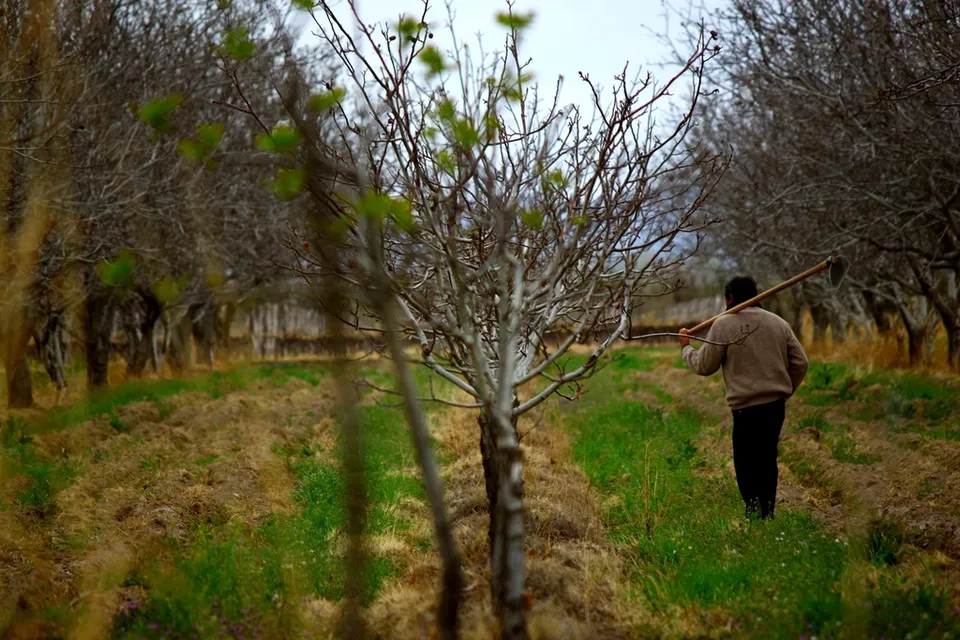
- Wait for late winter, while the tree is still dormant but the worst cold has passed. In most of the US that's roughly late January to early March, before buds open.
- Remove the 3 D's first: dead, damaged and diseased wood.
- Cut out water sprouts and suckers, the fast, straight shoots growing up from branches or from the base.
- Thin crossing and crowded branches so light and air reach the center of the tree.
- Make clean cuts just outside the branch collar, never flush with the trunk and never leaving a stub.
- Don't remove more than about a quarter of the live canopy in one year.
Winter is the season that decides how your fruit trees grow and fruit next year. With the leaves gone, you can see every branch, spot problems easily and shape the tree without stressing it, because it's dormant. But winter pruning also has its rules: prune too early and you can expose the tree to cold injury, cut too much and you'll get a burst of leafy shoots instead of fruit, and make the cut in the wrong place and the wound won't heal properly. This guide explains when to prune fruit trees in winter, which branches to remove, how to make the right cuts, how much to take off and which tools make the job faster and easier.
In this guide:
- why winter is the best time to prune most fruit trees
- when to start, by region
- a step-by-step pruning order
- how to make a correct cut
- notes for apples, pears, peaches, plums and cherries
- the tools you need
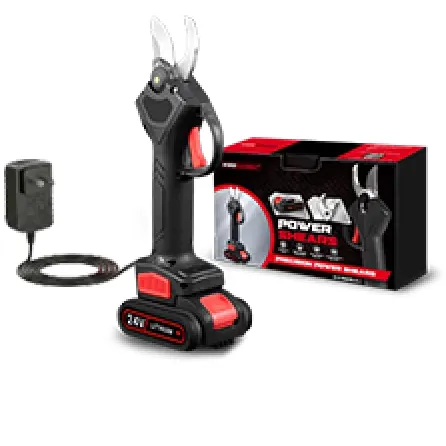
Our pick: the Wood Ranger Power Shears
2.1 lb cordless pruning shears with SK5 steel blades, a 24V battery and a safety trigger. Cuts branches up to about 1.4 in. Ships from Ohio.
Check today's price →From $47.99 each in bundles · 90-day guarantee
Why prune fruit trees in winter?
- You can see the structure. Without leaves, crossing branches, weak angles and dead wood are easy to spot.
- The tree is dormant. It isn't putting energy into leaves or fruit, so it handles cuts with less stress.
- Fewer pests and diseases are active, which lowers the chance of infection through fresh cuts.
- Spring growth goes where you want it. The tree pushes new growth into the branches you kept.
When exactly should you prune?
The best window is late winter, after the coldest weather but before buds swell and open. Michigan State University Extension recommends pruning fruit trees from about January to March, before the buds open, and warns that pruning too early in winter can reduce a tree's winter hardiness. In practice:
| Region | Typical pruning window |
|---|---|
| South and warm coastal areas | Late December to February |
| Mid-Atlantic, Midwest, Pacific Northwest | February to early March |
| Northern states and mountains | Late February to late March |
These are guides, not fixed dates. Watch the buds: once they start to swell, finish up quickly. Prune on a dry day when the temperature is above freezing, which is easier on the tree and on you.
In what order should you prune?
- Step back and look. Walk around the tree and decide which main branches (scaffolds) you want to keep.
- Remove dead, damaged and diseased wood. Dead wood is dry and brittle, with no green under the bark.
- Take out suckers growing from the base or roots.
- Remove water sprouts, the vigorous vertical shoots on top of branches. They rarely fruit well and crowd the canopy.
- Cut crossing or rubbing branches. Keep the better-placed one.
- Thin crowded areas so sunlight reaches the inside of the tree.
- Shorten overly long branches back to an outward-facing bud or side branch, if needed.
- Step back again and check the overall shape before making more cuts.
How do you make a proper pruning cut?
- Cut just outside the branch collar, the slightly swollen ring where a branch meets a larger branch or the trunk. The collar is where healing starts.
- Don't cut flush with the trunk; it makes a bigger wound that heals poorly.
- Don't leave stubs; they die back and invite decay.
- When shortening a branch, cut about a quarter inch above an outward-facing bud, angled away from it.
- For heavy limbs, use the three-cut method with a saw: an undercut, a top cut further out to drop the weight, then the final cut at the collar. This prevents the bark from tearing.
Wound paint and sealers generally aren't needed; a clean cut at the right spot heals on its own. The University of Minnesota Extension has detailed diagrams of correct cuts.
How much should you cut off?
Less than most people think. As a rule, remove no more than about 25% of the live canopy in a single year. Heavy pruning pushes the tree to grow lots of leafy water sprouts the following summer, at the expense of fruit. If an old tree is badly overgrown, restore it over two or three winters rather than all at once. Oregon State University Extension also recommends late-winter pruning of apple trees for stronger growth and better fruit, with moderate, well-placed cuts.
How do you prune different fruit trees?
| Tree | Typical shape | Winter pruning notes |
|---|---|---|
| Apple | Central leader | Keep one main upright trunk with well-spaced side branches; protect fruiting spurs |
| Pear | Central leader | Prune lightly; pears grow upright, so encourage wider branch angles |
| Peach, nectarine | Open center (vase) | Fruit grows on last year's wood; prune more each year, ideally in late winter close to bloom |
| Plum | Open center or modified leader | Moderate thinning; remove upright shoots |
| Cherry | Modified leader | Light pruning; many gardeners prefer drier weather to limit disease |
Check with your local extension office for advice on your variety and climate.
What tools do you need?
| Tool | Best for |
|---|---|
| Bypass hand pruners or cordless pruning shears | Shoots and branches up to about 1–1.4 inches |
| Loppers | Branches up to about 2 inches you can't reach comfortably |
| Pruning saw | Limbs over about 1.5 inches |
| Pole pruner | High branches, without a ladder |
| Gloves and safety glasses | Every pruning job |
Keep blades sharp and clean. Wipe them with rubbing alcohol between trees, and between cuts when removing diseased wood, so you don't spread problems from tree to tree.
Why do cordless pruning shears help in winter?
A winter pruning day can mean hundreds of cuts. With manual pruners, every cut takes a hard squeeze, and cold hands tire quickly. Cordless electric shears do the squeezing for you. The Wood Ranger Power Shears weigh about 2.1 lb, use SK5 steel blades and a 24V battery, and cut branches up to about 1.4 inches. A safety trigger that needs a double click to activate prevents accidental cuts. The battery runs for about 30 minutes of cutting and recharges in under an hour, and a spare blade is included in the box.
They're especially helpful for older gardeners and anyone with arthritis or weak grip. The Arthritis Foundation suggests choosing garden tools that reduce strain on your hands. Read our Wood Ranger Power Shears review and do electric pruning shears work?
Make winter pruning easier on your hands
Wood Ranger Power Shears: 2.1 lb, SK5 blades, 24V battery, cuts up to about 1.4 in, about 30 minutes per charge. $79.99, or as low as $47.99 each in bundles, with a 90-day guarantee.
Check today's price →From $47.99 each in bundles · 90-day guarantee
How much do the Wood Ranger Power Shears cost?
| Bundle | Price each |
|---|---|
| 1 | $79.99 |
| 2 | $63.99 |
| 3 | $55.99 |
| 4 | $47.99 |
Optional add-ons include an extra battery ($19.99), a case ($9.99), safety glasses ($14.99) and an extended warranty ($14.99). Every order is covered by a 90-day guarantee, with US phone support. See electric vs manual pruning shears.
How do you prune a young fruit tree?
The first three to four winters are about structure, not fruit. Choose three or four strong, well-spaced scaffold branches that grow out at wide angles, and remove competing shoots. On apples and pears, keep one central leader; on peaches and plums, open the center into a vase shape. Light, careful cuts now save heavy pruning later.
How do you rescue an overgrown old tree?
- Year 1: remove dead and diseased wood and a few of the biggest problem limbs.
- Year 2: thin water sprouts and open up the center.
- Year 3: refine the shape and lower the height gradually.
Spreading the work over several winters keeps the tree healthy and productive. Large limbs and anything near power lines are jobs for a certified arborist. For thicker cuts, see how to cut thick branches.
What mistakes should you avoid?
- Pruning in early winter during or right before a hard freeze.
- Topping the tree by cutting all branches back to the same height.
- Removing too much in one year.
- Leaving stubs or cutting into the collar.
- Using dull blades, which crush and tear instead of cutting cleanly.
- Climbing an unstable ladder on frozen or wet ground.
What do you do with the branches?
Chip or shred healthy prunings for mulch, add small twigs to the compost, or bundle them for yard waste collection. Diseased wood should be bagged and removed, not composted. A cordless leaf blower makes quick work of the small twigs and debris left on patios and paths; see the yard cleanup checklist and how to prepare your yard for winter.
Is there anything to prune in summer instead?
Yes, a little. Light summer pruning of new water sprouts helps control vigor on trees that grow too fast. Big structural cuts are still best left for late winter. Also note that some plants have their own schedule; see what to prune in fall and when to prune roses.
How do you stay safe while pruning?
- Wear gloves and safety glasses.
- Use a stable orchard ladder on firm ground, or a pole pruner instead.
- Keep both hands away from the cutting path.
- Engage the safety lock on power shears when moving between branches.
- Take breaks; cold weather tires muscles faster.
The bottom line
To prune fruit trees in winter:
- wait for late winter, while the tree is dormant and before buds open
- remove dead, damaged and diseased wood first, then suckers, water sprouts and crossing branches
- cut just outside the branch collar and take off no more than about a quarter of the canopy
- keep tools sharp and clean
Cordless shears like the Wood Ranger Power Shears make a long pruning day much easier on your hands, cutting branches up to about 1.4 inches. They cost $79.99, or as low as $47.99 each in bundles, with a 90-day guarantee.
Our pick: the Wood Ranger Power Shears
2.1 lb cordless pruning shears with SK5 steel blades, a 24V battery and a safety trigger. Cuts branches up to about 1.4 in. Ships from Ohio.
Check today's price →From $47.99 each in bundles · 90-day guarantee
Frequently asked questions
When should you prune fruit trees in winter?
In late winter, while the tree is dormant and before the buds open. In most of the US that's about late January to early March.
Can you prune fruit trees in December?
In warm southern areas, yes. In colder regions, wait until late winter to reduce the risk of cold injury.
How much can you prune off a fruit tree?
No more than about 25% of the live canopy in one year.
Where should you cut a branch?
Just outside the branch collar, without leaving a stub or cutting flush with the trunk.
Do pruning cuts need sealing?
Usually not. A clean cut in the right spot heals on its own.
What tools do you need to prune fruit trees?
Bypass or cordless pruning shears for small branches, loppers for medium ones and a pruning saw for limbs over about 1.5 inches.

Tim Humbert
Tim looks into the viral gadgets that show up in your feed, from mini leaf blowers to chain sharpeners and car care cloths. He reads the product pages, checkout and return policies, and buyer feedback so you know what a gadget really does before you spend money on it. His reviews are built on manufacturer information, official checkout and return policies, trusted safety sources and buyer feedback, and are updated when offers change. More about Tim.