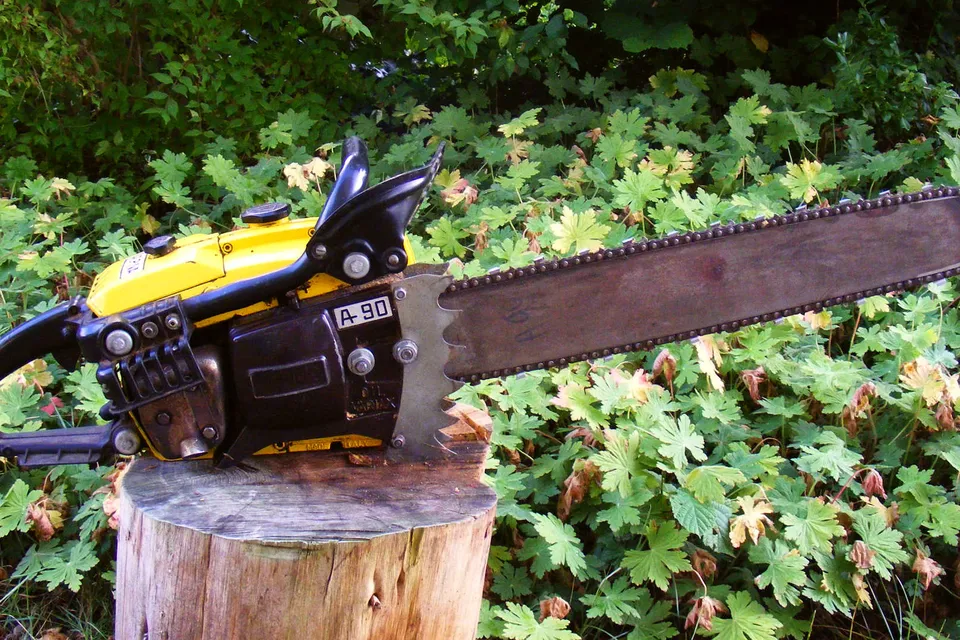
- Check the saw: fuel mix, bar oil, chain tension and a sharp chain.
- Engage the chain brake.
- Place the saw on the ground on a flat, clear spot.
- Set the choke (cold start) and press the primer bulb if it has one.
- Hold it steady: right foot through the rear handle, left hand on the front handle.
- Pull the starter cord in short, firm pulls until it fires, then move the choke to half or off and pull again.
- Release the chain brake only when you're ready to cut.
A chainsaw that won't start is frustrating; a chainsaw started the wrong way is dangerous. "Drop starting," where you hold the saw in the air and yank the cord, is one of the most common causes of chainsaw injuries because the bar can swing toward your legs as it fires. The right method is simple, stable and becomes second nature after a few tries.
This guide covers pre-start checks, cold and warm starting for gas saws, starting battery saws, what to do when a saw won't start, flooding, and the safety rules that matter most.
What should you check before starting?
- Fuel: fresh gas mixed at the ratio in your manual (for 2-stroke saws).
- Bar oil: reservoir full.
- Chain tension: snug but free to pull. See chainsaw chain tension.
- Chain sharpness. See signs your chain is dull.
- Chain brake and throttle lock working.
- Protective gear: helmet, eye and ear protection, chainsaw chaps and gloves.
The OSHA chain saw safety fact sheet recommends inspecting controls, chain tension and bolts before each use and starting the saw at least 10 feet from the fueling area.
How do you cold start a gas chainsaw?
- Move at least 10 feet away from where you fueled.
- Engage the chain brake.
- Place the saw on flat ground with the bar clear of anything.
- Press the primer bulb several times if your saw has one.
- Set the choke to full (cold start position).
- Put your right foot through the rear handle and grip the front handle with your left hand.
- Pull the starter cord with short, brisk pulls until the engine "pops" or briefly fires.
- Move the choke to half or off (per your manual).
- Pull again until it starts and runs.
- Squeeze and release the throttle to drop to idle; let it warm up briefly.
How do you start a warm saw?
A warm engine usually doesn't need the choke. Engage the chain brake, place the saw on the ground in the same stable position and pull. If your saw has a "fast idle" or half-choke position for warm starts, use that as the manual says.
How do you start a battery chainsaw?
Insert a charged battery, check chain tension and oil, hold the saw with both hands, press the safety lock-out and squeeze the trigger. There's no choke or cord. Battery saws are quieter and easier for occasional homeowner use. See electric vs gas chainsaws.
Why shouldn't you drop start?
Drop starting means holding the rear handle with one hand and throwing the saw down while pulling the cord with the other. The saw isn't stable, the chain can start spinning and the bar can swing toward your leg. Always start on the ground or with the rear handle firmly between your legs, as shown in your manual.
What if the saw won't start?
| Problem | Likely fix |
|---|---|
| Old fuel | Drain and refill with fresh mixed fuel |
| Flooded (smell of gas, wet plug) | Choke off, throttle open, pull several times |
| Dirty air filter | Clean or replace |
| Fouled spark plug | Clean, gap or replace |
| Chain brake on and throttle stuck | Check controls |
| Clogged fuel filter | Replace |
If it still won't start, have it serviced. See chainsaw maintenance.
How do you fix a flooded chainsaw?
Turn the choke off, hold the throttle wide open (with the chain brake on and the saw on the ground) and pull the cord several times to clear excess fuel. If that doesn't work, remove the spark plug, let it dry, pull the cord a few times with the plug out to clear the cylinder, then reinstall and try again.

Why does a sharp chain matter once it's running?
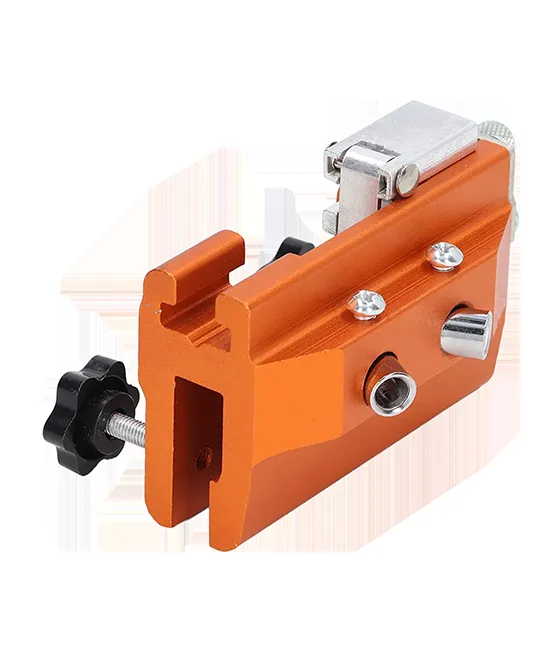
A sharp chain cuts with light pressure, so you keep better control and are less likely to force the saw or trigger kickback. The SawShark hand-crank sharpener clamps to your bar and guides each tooth at the same angle, with no power needed. It cost $29.95 in October 2026, or from $17.97 each in bundles. Read our SawShark review (4.5/5).
Start every job with a sharp chain
Hand-crank chain sharpener that clamps to your bar. No power needed. $29.95, or from $17.97 each in bundles.
Check today's price →$29.95, or from $17.97 each in bundles
How do you avoid kickback after starting?
Keep both hands on the saw, thumbs wrapped around the handles, stand to the side of the cutting line and never cut with the upper tip of the bar. The CCOHS kickback guide explains the kickback zone in detail. See chainsaw safety tips.
How does storage affect starting?
Most hard-starting problems come from fuel left in the saw for months. Before storing for the season, run the tank dry or use a fuel stabilizer, clean the air filter and store the saw in a dry place. Battery saws should be stored with the battery charged partway, indoors.
How do you mix and store chainsaw fuel?
Most gas chainsaws use 2-stroke engines that need oil mixed into the gasoline at a specific ratio, often 50:1, but always check your manual. Use fresh gasoline, ideally with a fuel stabilizer, mix in a clean, labeled container and shake well before each fill. Gas starts to break down within weeks, and old fuel is the number-one reason saws won't start. Mix only what you'll use in a month or so, and store fuel in an approved container away from heat and sparks. Pre-mixed canned fuel costs more but stays fresh much longer and is a good choice for occasional users.
What do the choke positions mean?
Full choke restricts air so the engine gets a rich fuel mixture for a cold start. Half choke, or fast idle on some saws, is used after the first "pop" to keep the engine running while it warms. Run position, choke off, is for normal operation and warm starts. Some saws combine choke and fast idle in one lever; your manual shows the exact sequence for your model, and following it avoids flooding.
How should you pull the starter cord?
Pull the cord out slowly until you feel resistance, then give a short, brisk pull. Don't yank the cord all the way to the end or let it snap back; guide it back in. Long, violent pulls wear the starter and can make you lose balance. Several quick, controlled pulls work better than one huge one.
Should you let a chainsaw warm up?
Give a cold saw 30 seconds to a minute at idle before cutting, especially in cold weather. It lets the engine settle, warms the bar oil and gives you a moment to check that the chain doesn't creep at idle. If the chain moves at idle, the idle speed needs adjusting; don't cut until it's fixed.
What are the most common starting mistakes?
- Forgetting to engage the chain brake.
- Starting the saw where you fueled it.
- Leaving the choke on after the engine fires, which floods it.
- Using fuel that's months old.
- Drop starting.
- Starting without protective gear on.
What should you do on your first day with a new saw?
Read the manual cover to cover, assemble the bar and chain carefully, fill the bar oil and fuel, and practice starting and stopping several times before you cut anything. Make your first cuts on a small, stable log at waist height on a sawbuck. Check chain tension after a few minutes, since new chains stretch quickly. See chainsaw chain tension.
What protective gear should you wear before starting?
Put everything on before you pull the cord: a helmet with a face screen, safety glasses, hearing protection, chainsaw chaps or pants, cut-resistant gloves and sturdy boots with good grip. Remove loose clothing and jewelry, tie back long hair and keep a phone and first-aid kit nearby. Never use a chainsaw alone in a remote spot; tell someone where you'll be.
How do you stop a chainsaw safely?
Release the throttle, let the chain stop, engage the chain brake and turn the switch off. On battery saws, remove the battery before setting the saw down for any length of time. Let the saw cool before refueling, and always carry it with the chain brake on and the bar pointing behind you.
What if the saw stalls at idle?
Let it warm up longer and check the air filter. If it keeps stalling, the idle speed or carburetor may need adjusting by a service shop.
The bottom line
Start a chainsaw on the ground with the chain brake on, a stable grip and fresh fuel. Use the choke for cold starts, skip it for warm starts and never drop start. Check tension, oil and sharpness every time, and wear full protective gear. A sharp chain makes the saw safer and easier to control once it's running.
Our pick for sharpening: check today's SawShark price.
Sources
- OSHA. Chain Saw Safety Fact Sheet.
- CCOHS. Chainsaws: Kickback.
Frequently asked questions
How do you start a cold chainsaw?
Chain brake on, saw on the ground, prime, full choke, pull until it pops, then half or no choke and pull again.
Do you need the choke for a warm chainsaw?
Usually not. Follow your manual for warm starts.
Why shouldn't you drop start a chainsaw?
The saw isn't stable and the bar can swing toward your leg as it starts.
Why won't my chainsaw start?
Common causes are old fuel, flooding, a dirty air filter or a fouled spark plug.
How do you fix a flooded chainsaw?
Choke off, throttle open, pull several times. If needed, remove and dry the spark plug.
How do you start a battery chainsaw?
Insert a charged battery, hold it with both hands, press the safety lock and squeeze the trigger.

Tim Humbert
Tim looks into the viral gadgets that show up in your feed, from mini leaf blowers to chain sharpeners and car care cloths. He reads the product pages, checkout and return policies, and buyer feedback so you know what a gadget really does before you spend money on it. His reviews are built on manufacturer information, official checkout and return policies, trusted safety sources and buyer feedback, and are updated when offers change. More about Tim.