
- Clear leaves from the driveway, walkways, gutters and drains.
- Get your snow tools ready: shovel, blower, ice scraper and de-icer, charged and by the door.
- Mark the driveway edges with stakes so you don't shovel onto the lawn.
- Winterize hoses and outdoor faucets.
- Prep the car: tires, wipers, washer fluid and an emergency kit.
- Stock the house with essentials in case of a power outage.
The first snow of the season always seems to arrive before anyone is ready. Shovels are buried in the garage, de-icer is empty, the car still has summer wipers and leaves are frozen under the snow. A little preparation in November means the first storm is a minor inconvenience instead of a scramble.
This guide is a complete first-snow checklist: yard, driveway, house, car, tools and safety, with tips on what to buy and what to do the night before snow is forecast.
When should you prepare?
Start in early to mid-November in most northern states, or as soon as nights drop below freezing regularly. Finish fall yard work and gather your tools before the forecast shows snow, since stores run low on shovels and de-icer right before the first storm.
How do you prepare the yard?
- Clear leaves from the lawn, driveway and walkways; leaves under snow become slippery and smother grass. See fall yard cleanup checklist.
- Clean gutters and downspouts so melting snow drains away instead of forming ice dams.
- Store or cover outdoor furniture.
- Trim branches that could break under heavy snow and hit the house, car or lines (call a pro near lines).
- Winterize hoses and faucets; see how to winterize a garden hose.
How do you prepare the driveway and walkways?
- Clear all leaves and debris so snow tools glide.
- Mark driveway and walkway edges with reflective stakes.
- Fix loose pavers and fill cracks where water could freeze.
- Check that railings on steps are secure.
- Decide where snow piles will go (downhill, away from walkways).
Which snow tools should you have ready?
| Tool | Use |
|---|---|
| Push shovel | Driveways and walkways |
| Cordless mini blower | Light snow on steps, cars, decks |
| Snow brush and plastic scraper | Car windows and roof |
| De-icer and sand | Steps and walkways |
| Snow blower (for big driveways) | Deep snow |
Keep the essentials by the door, not buried in the shed. See snow removal tools.
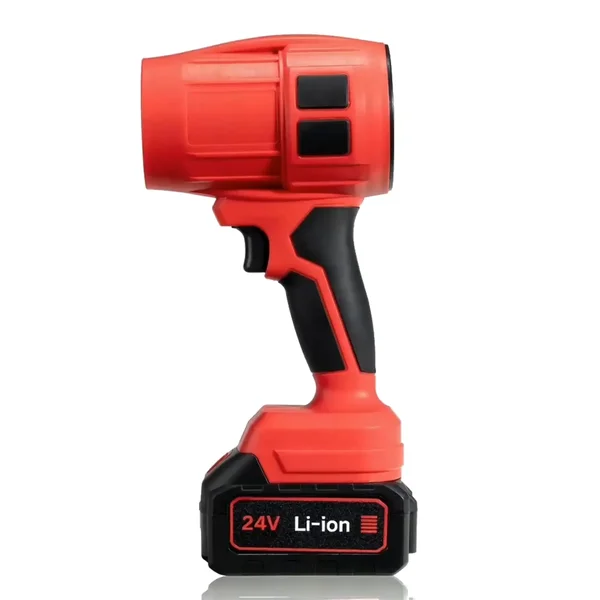
Ready for the first light snow
Wood Ranger Power Blower: 4-season cordless mini blower, 1600W brushless motor, about 2.1 lb, about 15 minutes per charge. From $55.99 each in bundles, 90-day guarantee.
Check today's price →From $55.99 each in bundles · 90-day guarantee
Why add a 4-season blower?
First snows are often light: an inch or two of dry powder that's easy to blow off. The Wood Ranger Power Blower is a cordless mini blower with a 1600W brushless motor in a body of about 2.1 lb. It clears light snow from steps, decks and cars in winter and handles leaves and dust the rest of the year, with about 15 minutes per charge for quick jobs. Keep the battery charged indoors so it's ready the morning of the first snow. Read our Wood Ranger Power Blower review and how to clear light snow fast.
How do you prepare the house?
- Test smoke and carbon monoxide alarms.
- Service the furnace and replace the filter.
- Seal drafts around doors and windows.
- Insulate exposed pipes in unheated areas.
- Know where your main water shutoff is.
- Keep flashlights, batteries and blankets ready.
Ready.gov has a full winter weather preparation checklist.
How do you prepare the car?
- Check tire tread and pressure, or switch to winter tires.
- Replace worn wiper blades and fill winter washer fluid.
- Test the battery.
- Pack an emergency kit: blanket, flashlight, scraper, snacks, water, phone charger.
- Wax the car to protect against road salt; see road salt car damage.
The NHTSA has winter driving and car prep tips. See also winter car checklist.
What should you do the night before snow?
- Charge blower and tool batteries indoors.
- Put shovels, de-icer and the scraper by the door.
- Pre-treat steps and walkways with de-icer if recommended.
- Park the car where it's easiest to clear and leave room for plows.
- Fill the car's gas tank or charge the EV.
- Lift wipers off the windshield, or leave them down if they could freeze to the glass.
What should you do the morning of the first snow?
Clear the front steps first, then the walkway and the car. Clear light snow early, while it's fresh and before people walk on it. If snow continues, clear in stages. Finish with de-icer before evening.
How do you shovel safely?
Warm up, push instead of lifting, take small loads and rest often. The American Heart Association warns that shoveling can strain the heart, especially for people with heart conditions. For light snow, a blower avoids lifting altogether.
How can you help neighbors?
Check on older neighbors, clear their steps if you can and make sure fire hydrants and storm drains near your house are clear. A light blower makes helping out quick.
How much does the Power Blower cost?
The Wood Ranger Power Blower is $69.99 for one, $62.99 each for two and $55.99 each for three, with a 90-day guarantee and shipping from Ohio.
Should you check the roof and gutters?
Yes. Clogged gutters and downspouts cause ice dams, which can push water under shingles. Clear leaves out of gutters before the first snow, check that downspouts carry water away from the foundation and look for missing shingles. A blower with a gutter attachment or a scoop from a safe ladder works for one-story homes; call a pro for taller roofs. See how to clean gutters with a leaf blower.
How do you prepare for pets?
- Choose pet-safe de-icer.
- Plan a cleared spot in the yard for dogs.
- Have towels by the door to wipe paws.
- Bring outdoor pets inside in freezing weather.
How do you prepare for a power outage?
Snow and ice can bring down power lines. Keep flashlights, batteries, a power bank for phones, blankets, bottled water and shelf-stable food on hand. Never use a generator, grill or camp stove indoors or in a garage, because of carbon monoxide. Ready.gov recommends having a plan for staying warm and informed during winter storms.
How can older homeowners prepare?
Arrange snow removal help in advance from family, neighbors or a service, especially for deep snow. Keep a light blower and de-icer by the door for small jobs, add handrails where steps need them, and keep boots with good grip ready. Avoid heavy shoveling.
What's a printable first-snow checklist?
- Leaves cleared from lawn, driveway and gutters.
- Driveway edges marked.
- Hoses disconnected and faucets drained.
- Outdoor furniture stored or covered.
- Shovel, blower, scraper and de-icer by the door.
- Batteries charged indoors.
- Car tires, wipers, fluid and emergency kit ready.
- Smoke and CO alarms tested.
- Furnace serviced and filter replaced.
- Flashlights, batteries and blankets ready.
How do you prepare the deck and patio?
Sweep or blow leaves off, store cushions and grill covers, and decide whether you'll clear snow from the deck through the winter. If so, keep a plastic shovel or a light blower handy, since metal shovels can damage wood and composite. See how to clear snow from a deck.
What about the mailbox and trash cans?
Make sure the path to the mailbox is easy to clear and the mailbox post is solid enough to survive a plow. Store trash and recycling bins where you can reach them without wading through snow on collection day.
How long does preparing take?
Most of this checklist fits into one or two weekend afternoons in November: one for the yard and gutters, one for the car and house. Doing it before the first forecast saves time, money and stress.
Where should snow tools be stored?
Keep the shovel, de-icer and scraper just inside the garage or back door, where you can reach them without walking through snow. Keep blower and tool batteries indoors at room temperature, so they're fully charged and warm on the first snowy morning. See battery tools in cold weather.
Which de-icer should you buy?
Rock salt is cheap but can damage concrete, plants and pets' paws. Calcium chloride and magnesium chloride work at lower temperatures and are gentler in some cases. Pet-safe blends are available. Use the smallest effective amount and sweep up leftovers once the ice is gone.
Do you have to clear the sidewalk?
Many towns require homeowners to clear public sidewalks in front of their homes within a set time after snowfall. Check local rules and plan to clear the sidewalk along with your own walkway. A light blower handles thin layers quickly.
Should you check outdoor vents?
Yes. Know where your furnace, water heater and dryer vents exit the house and keep them clear of snow, since blocked vents can cause carbon monoxide to build up indoors. A light blower clears them quickly after each snowfall.
The bottom line
Prepare for the first snow in November: clear leaves and gutters, mark driveway edges, winterize hoses, prep the car and the house, and keep charged tools and de-icer by the door. Then the first storm is just a quick morning job.
For light first snows on steps, cars and decks, our pick is the Wood Ranger Power Blower. Check today's Power Blower price.
Sources
- Ready.gov. Winter Weather.
- NHTSA. Winter Driving Tips.
- American Heart Association. Snow shoveling can be hazardous to your heart.
Frequently asked questions
When should I prepare for the first snow?
Early to mid-November in most northern states, before the first forecast.
What should I do before the first snow?
Clear leaves and gutters, mark the driveway, winterize hoses and ready your tools and car.
What snow tools do I need?
A push shovel, a light blower for light snow, a car brush and scraper and de-icer.
What should I do the night before snow?
Charge batteries indoors, put tools by the door and pre-treat steps if recommended.
Should I clear leaves before it snows?
Yes, leaves under snow get slippery and smother the lawn.
Can a leaf blower clear the first snow?
Yes, light and dry snow up to about 2 inches.

Tim Humbert
Tim looks into the viral gadgets that show up in your feed, from mini leaf blowers to chain sharpeners and car care cloths. He reads the product pages, checkout and return policies, and buyer feedback so you know what a gadget really does before you spend money on it. His reviews are built on manufacturer information, official checkout and return policies, trusted safety sources and buyer feedback, and are updated when offers change. More about Tim.